Buying Used · Electric Bikes
Used Electric Bikes: The Complete Guide
The battery inspection that decides every used e-bike, realistic prices, honest red flags, and where to buy with the least risk.

A used electric bike can be one of the smartest ways to get more bike for your money, but it carries one risk a normal used bicycle does not: the battery. Get the battery question right and a second hand e-bike is a bargain. Get it wrong and you inherit an expensive problem. This guide gives you a clear inspection method, realistic prices, and the honest red flags that separate a great used e-bike from a costly mistake.
The short version
- The battery is the single most important thing to check, because it ages with both time and use and is the most expensive part to replace.
- Lithium ion battery packs typically lose meaningful capacity over several years or after hundreds of charge cycles, so ask how old the pack is and how far the bike has been ridden.
- Buying from a shop that inspects and stands behind used e-bikes costs more than a private sale but removes most of the risk.
- Expect solid used e-bikes to run from roughly 700 to 1,800 US dollars depending on condition, battery health, and original price, with figures varying by region so confirm locally.
Why used e-bikes are different from used bikes
A traditional used bicycle is mostly mechanical, and almost anything on it can be repaired or replaced affordably. An electric bike adds a motor, a controller, and a battery, and one of those, the battery, is a consumable that quietly degrades whether you ride it or not. That single fact reshapes how you shop second hand.
On a used e-bike, the frame and mechanical parts can be pristine while the battery is halfway through its useful life. Because a replacement pack can cost a large fraction of the bike's value, the true bargain is not the cheapest bike, it is the one with the healthiest battery for the price. Everything in this guide flows from that principle.
Understanding e-bike battery ageing
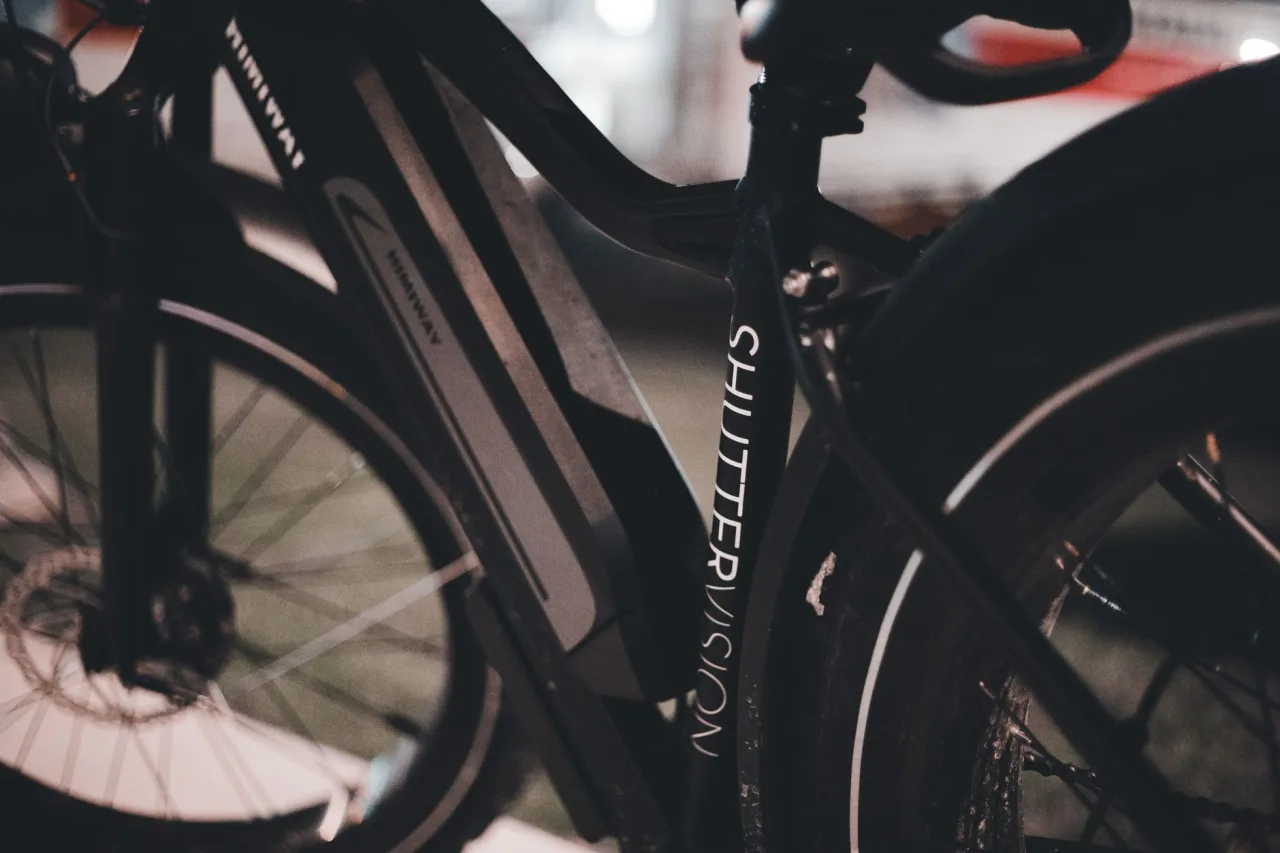
Electric bikes use lithium ion batteries, the same chemistry as phones and laptops, and that chemistry ages in predictable ways. Manufacturers generally consider a pack worn when it drops to about 80 percent of its original capacity. Cells are commonly rated for a few hundred to over a thousand charge cycles before reaching that point, and, crucially, they also lose capacity simply with age even in storage.
Industry figures suggest a lithium ion pack kept at room temperature can lose roughly a fifth of its capacity over three to five years or after one to two thousand cycles, and heat accelerates that loss. For you as a buyer this means two questions matter more than the odometer alone: how old is the battery, and how has it been stored and charged. A four year old pack that lived in a hot shed may be more tired than a busier bike kept cool and charged with care.
Tip: Ask to see the bike fully charged, then ride it and watch how quickly the battery gauge drops and whether the assist stays strong. A pack that plummets from full or fades noticeably under load on a short test ride is telling you it has lost real capacity, regardless of what the seller claims about its age.
The used e-bike inspection checklist
Bring a systematic eye to every viewing. Work through the same checks each time so nothing slips past you.
- Battery age and cycles: ask when the pack was made and roughly how many charge cycles or miles it has done.
- Charge behaviour: confirm it charges to full and holds it, and that the charger is the correct original unit.
- Range test: if possible, ride it far enough to see the gauge move and feel the assist under a hill or hard effort.
- Motor and controller: listen for smooth, quiet assist with no cutting out, grinding, or error codes on the display.
- Frame and drivetrain: check for cracks near the motor mounts, worn brake pads, a stretched chain, and true wheels.
- Water and crash signs: look for corrosion, mismatched paint, or damaged connectors that hint at a hard life.
If any single item looks wrong, slow down and ask more questions. A used e-bike is only a bargain when the important, expensive parts are sound. For a broader walk through of what makes any electric bike good, our electric bike complete guide explains motors, batteries, and classes so you can judge a used bike on its merits.
Where to buy, and the trade offs of each route
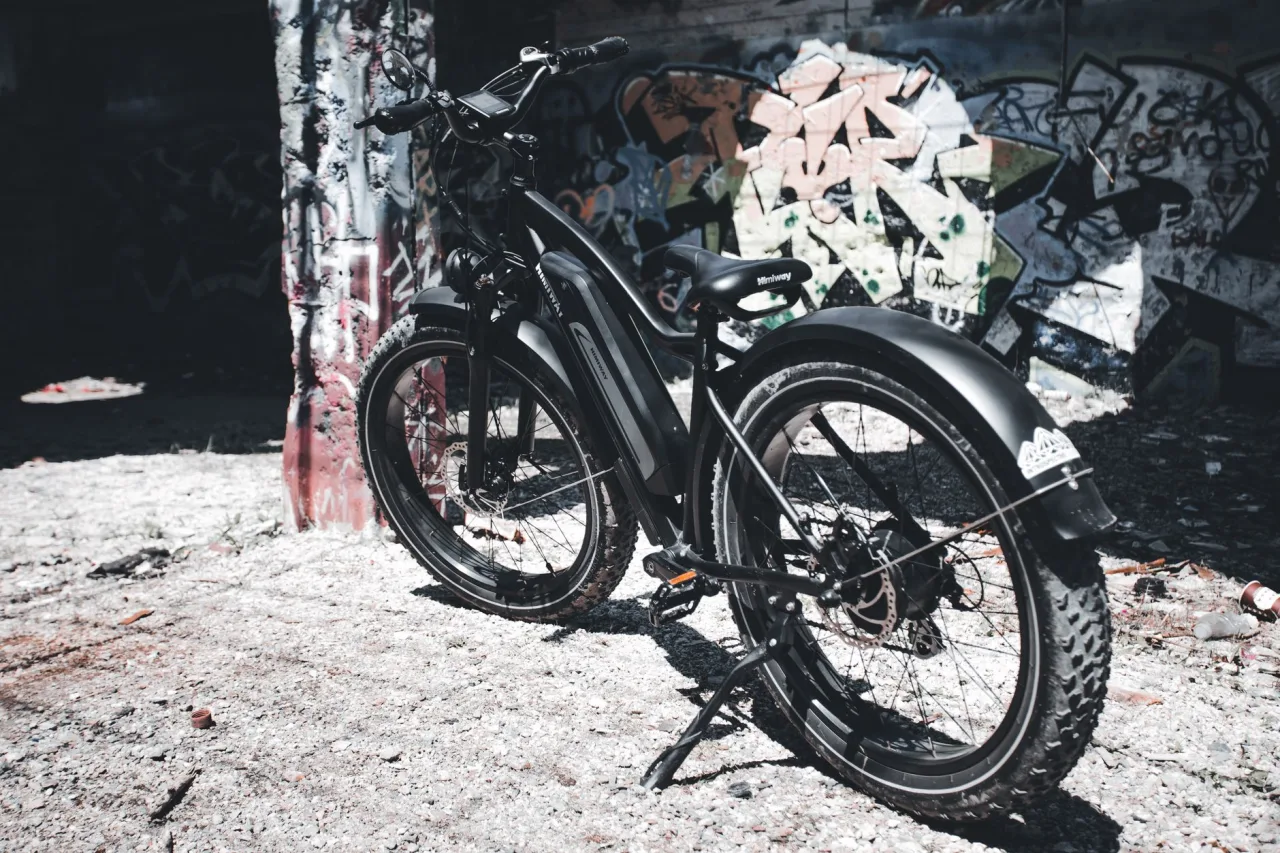
Used e-bikes reach you through several channels, and each balances price against safety differently. Choose the one that matches your appetite for risk.
- Bike shop used stock: the safest route, usually inspected and sometimes warrantied, at a higher price. Best for buyers who value peace of mind.
- Manufacturer certified or refurbished: where offered, this pairs a checked bike with some support, a strong middle ground.
- Private sale: the cheapest option and the riskiest, because you rely entirely on your own inspection and the seller's honesty.
- Online marketplaces: huge selection but hard to verify battery health remotely, so treat photos and claims with caution.
Whichever route you choose, our guides to used electric bikes for sale and second hand electric bikes for sale go deeper on finding listings and comparing them, and a shop that sells and services used e-bikes is worth its premium for the reassurance alone.
What a used e-bike should cost
Pricing a used e-bike is really about discounting from its original price by age, condition, and battery health. As a rough guide, dependable used e-bikes commonly land between about 700 and 1,800 US dollars, with budget models below that and premium bikes above, and the firm reminder that prices vary by region, season, and demand, so confirm locally.
The key mental adjustment is to price in the battery. If a bike will likely need a new pack within a year or two, subtract the cost of that pack from what you are willing to pay. A slightly dearer bike with a fresh, healthy battery is often better value than a cheap one facing an imminent, pricey replacement. Our electric bike price guide sets the new price benchmarks you are discounting from, and the best cheap electric bike roundup shows when a new budget bike might beat a tired used one.
Watch out: A private seller who will not let you charge the bike fully, refuses a test ride, or cannot say how old the battery is may be hiding a worn pack. Treat missing battery history as a bargaining point at best and a walk away signal at worst, because the battery is exactly the part you cannot easily judge after the money has changed hands.
Making the purchase safely
Once you have found a promising bike, a little discipline at the point of sale protects your money. Follow a simple sequence.
- Verify ownership: confirm the seller genuinely owns the bike and, where possible, check it is not reported stolen.
- Document the battery: get its age, cycle count if known, and the fact that it charges to full noted in the sale.
- Confirm the charger and keys: make sure the correct original charger and any battery keys come with the bike.
- Plan the first service: budget for a shop inspection soon after purchase to catch anything you missed.
A trusted local shop underpins all of this, from a pre purchase inspection to that first service. Our directory of trusted local bike shops explains how to find one that can check a used e-bike over and keep it healthy, turning a second hand gamble into a sound long term buy.
Frequently asked questions
Is it safe to buy a used electric bike?
Yes, a used electric bike can be excellent value, provided you check the battery carefully. The battery is the one part that ages with both time and use and is the most expensive to replace, so ask how old the pack is, how many cycles or miles it has done, and confirm it charges to full and holds a strong assist on a test ride. Buying from a shop that inspects used e-bikes removes most of the risk.
How long do e-bike batteries last?
E-bike batteries use lithium ion chemistry, which manufacturers consider worn at about 80 percent of original capacity. Packs are commonly rated for a few hundred to over a thousand charge cycles, and they also lose capacity with age even in storage, roughly a fifth over three to five years at room temperature, with heat speeding that up. So both the battery's age and how it was stored and charged matter, not just the mileage.
How can I test an e-bike battery before buying?
Ask to see the bike fully charged, then ride it far enough to watch the gauge move and feel the assist under a hill or hard effort. A pack that drops quickly from full or fades noticeably under load has likely lost real capacity, whatever the seller says about its age. Also confirm the correct original charger is included and that the pack charges to full and holds it.
How much should a used electric bike cost?
Dependable used e-bikes commonly land between about 700 and 1,800 US dollars, with budget models below and premium bikes above, though prices vary by region, season, and demand, so confirm locally. Price in the battery: if a bike will likely need a new pack soon, subtract that cost from your offer. A dearer bike with a fresh, healthy battery is often better value than a cheap one facing an imminent replacement.
Should I buy a used e-bike from a shop or a private seller?
A bike shop is the safest route, usually inspected and sometimes warrantied, at a higher price, which suits buyers who value peace of mind. Private sales are cheaper but riskier, since you rely entirely on your own inspection and the seller's honesty. Whichever you choose, a pre purchase inspection at a trusted local shop and missing battery history treated as a red flag will protect your money.
The Wikipedia article on lithium ion batteries documents how capacity fades with cycles and age, and the electric bicycle article covers the motor and battery systems you are inspecting on a used bike.
More guides on Electric Bikes
Have a question or a topic to suggest?
We read every message. Tell us what you would like to see next on the blog.
Get in touchYou may also like
Used Electric Bikes for Sale: Buyer Guide
How to buy a used electric bike safely: battery health checks, mechanical inspection, where to buy, avoiding stolen bikes and scams, and setting a fair price.

Second Hand Electric Bikes: Complete Guide
How to find used e-bikes for sale, inspect them properly, judge a fair price and avoid the one mistake, a worn battery, that turns a bargain into a costly regret.
Electric Bike Price: Real Numbers 2026
A clear-eyed breakdown of electric bike prices in 2026: realistic price tiers, what the battery and motor really cost, new versus used, depreciation and how to avoid overpaying.