Used e-bike guide · Electric Bikes
Second Hand Electric Bikes: Complete Guide
How to find, inspect and price a used e-bike, and why the battery decides everything.
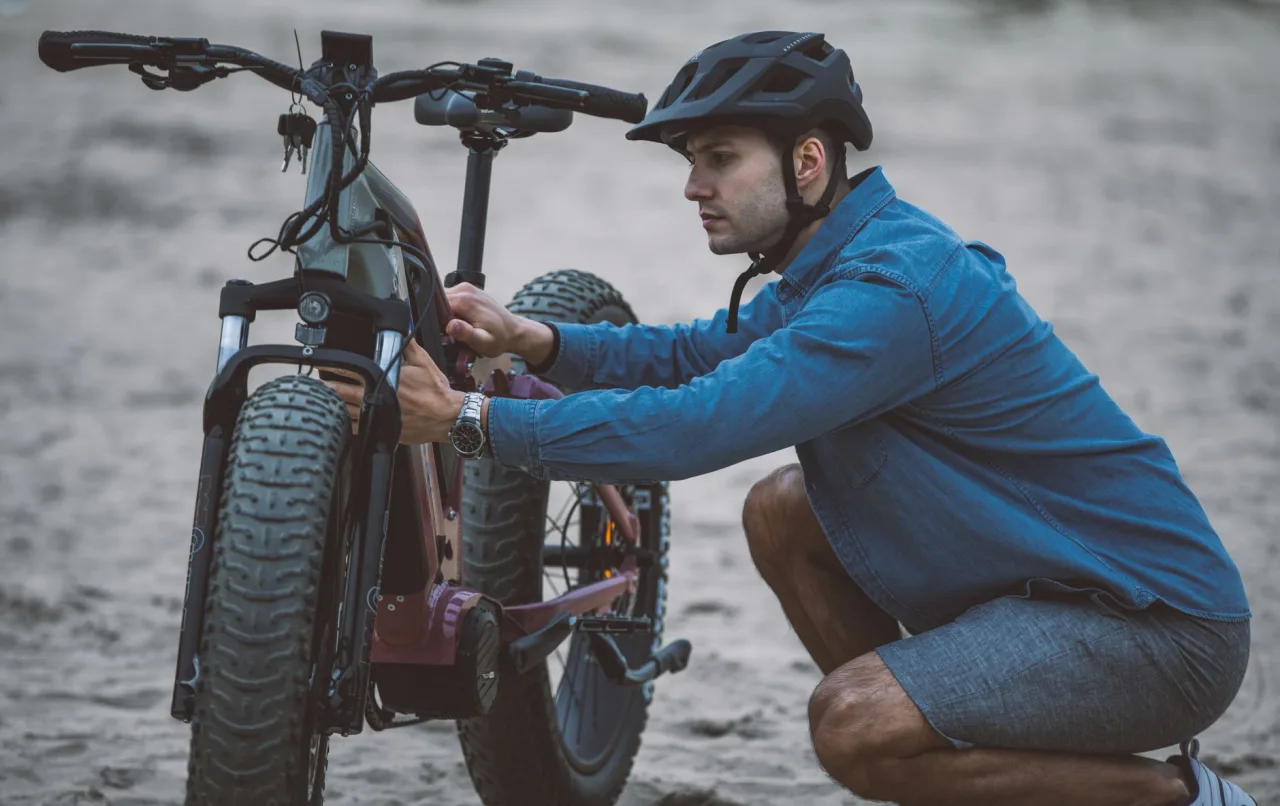
A second hand electric bike can be one of the smartest buys in cycling, because e-bikes lose the biggest share of their value early while the good ones keep working for years. The catch is the battery. This complete guide shows you how to find used e-bikes for sale, inspect them properly, judge a fair price and avoid the one mistake that turns a bargain into an expensive regret.
The short version
- Used e-bikes offer strong value because depreciation is steepest in the first year or two.
- Battery health is the single most important thing to check. A worn pack is costly to replace and can wipe out your savings.
- Prefer bikes from established brands with widely supported motor systems, since parts and servicing are easier.
- Prices vary widely by model, age and condition. Treat every figure as a range and confirm locally before buying.
Why buy a second hand electric bike
E-bikes are expensive new because the motor and battery are sophisticated parts, and like most vehicles they shed the largest share of value in the first couple of years. That early depreciation is exactly what makes the used market attractive: a lightly used bike can cost far less than new while still having most of its working life ahead. For many riders, a well-chosen used e-bike delivers the best value in the whole category.
Before you commit to used, it helps to understand the category as a whole. Our complete electric bike guide covers how e-bikes work, and our electric bikes for sale guide explains the new-market tiers so you know what a used bike originally competed with.
The battery: the one thing that matters most
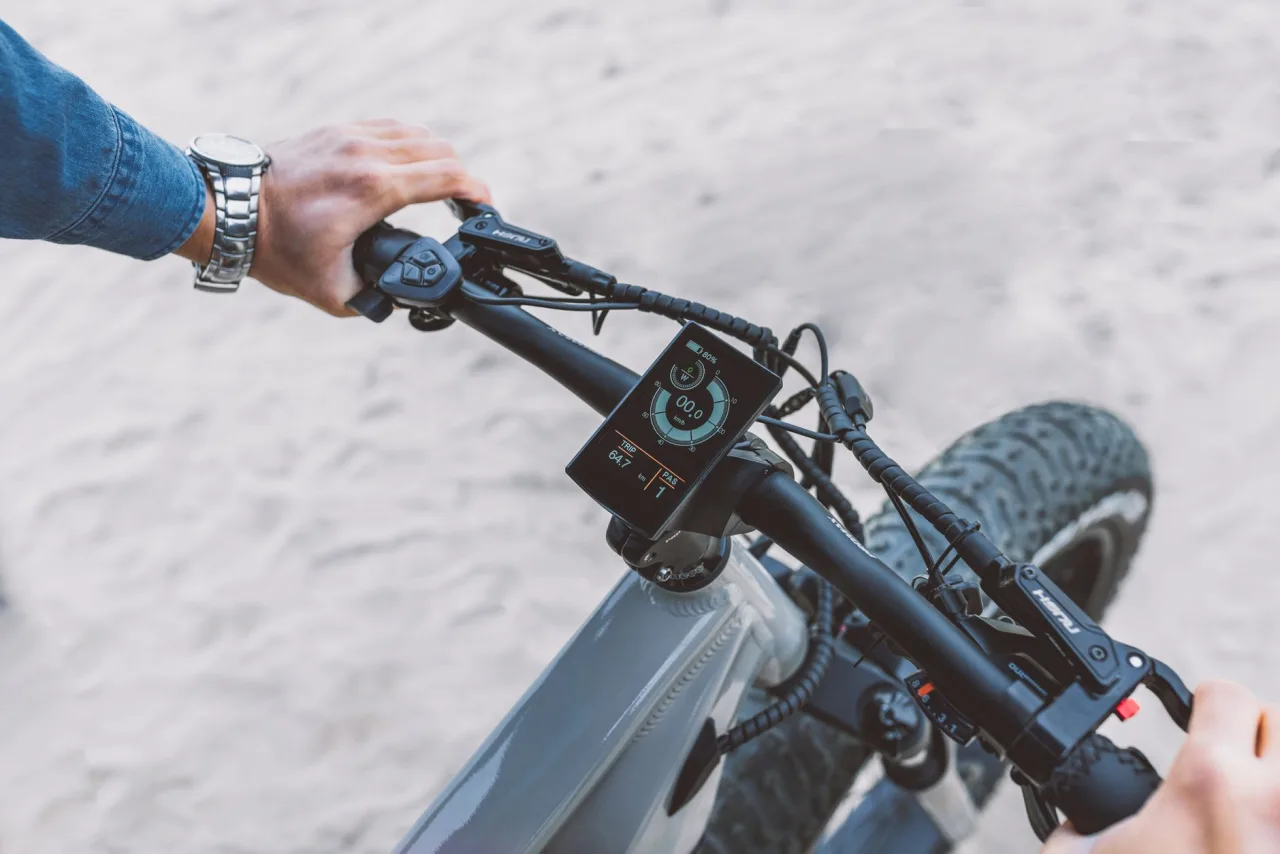
The battery is the most expensive single component on an e-bike, and it ages whether the bike is ridden or not. A pack degrades with time, charge cycles and how it was stored and charged. A three-year-old e-bike with a tired battery may need a replacement that costs a large fraction of the bike's remaining value, which can erase your savings entirely.
So make the battery your first question, not an afterthought. Ask how old it is, roughly how many charge cycles it has done, and whether it still holds range close to its original figure. Many systems can display battery health or cycle count through an app or the bike's display, so ask the seller to show you.
Battery warning: Never buy a used e-bike without understanding the battery's age and condition. If the seller cannot answer basic questions about it or will not let you see it hold charge, walk away. A cheap bike with a dying battery is not a bargain.
How to inspect a used e-bike
Beyond the battery, a used e-bike needs the same checks as any bike, plus a few electric-specific ones. Run through this before you agree a price.
- Test every assist level. The motor should engage smoothly and consistently, not lurch, cut out or make grinding noises.
- Check the battery mount and contacts. The pack should lock in firmly with clean, undamaged contacts and no corrosion.
- Inspect the frame. Look for cracks, dents or repairs, especially around the motor mount and welds, since e-bikes carry more stress.
- Test the brakes. On a heavy, fast e-bike, strong braking is a safety essential. Check pad wear and that levers feel firm.
- Check the drivetrain. A stretched chain and worn cassette are normal wear but should be reflected in the price.
- Confirm the display and controls work. Every button, light and readout should function.
These checks overlap with buying any used bike, so our broader second hand bikes guide is worth reading alongside this one for the non-electric fundamentals.
Where to find used e-bikes for sale
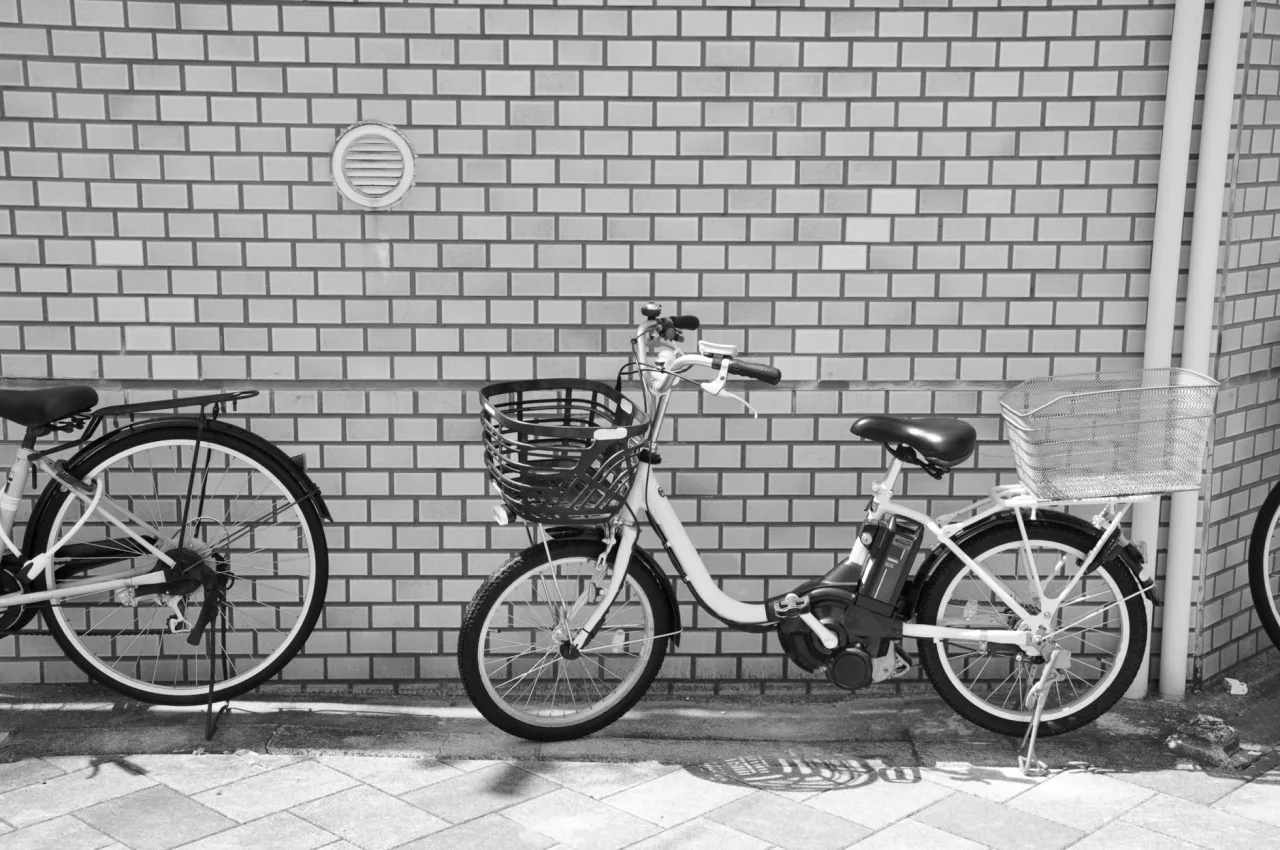
You have several routes, and each carries a different balance of price and safety. Knowing the trade-offs helps you shop smart.
- Bike shops with certified used stock: the safest option. The bike has usually been inspected and serviced, and you get some support. Expect to pay a little more for that reassurance.
- Online marketplaces and classifieds: the widest choice and often the lowest prices, but the risk is entirely yours. Inspect in person and never pay before you see the bike.
- Brand trade-in and refurbished programmes: some manufacturers and dealers resell inspected trade-ins, a good middle ground.
- Local cycling communities: club members often sell well-maintained bikes with honest histories.
If you would rather buy from a shop that inspected the bike first, our guide on how to find trusted local shops explains how to judge a dealer and what to ask.
What to pay: judging a fair used price
Prices vary widely by brand, age, mileage, spec and battery condition, so treat any number as a range and confirm the current market locally. As a principle, start from what the model cost new, subtract for age and wear, and subtract more heavily if the battery is old or its health is unknown. A bike whose battery may soon need replacing should be priced well below one with a documented, healthy pack.
For context on how e-bike costs are built, our electric bike price guide breaks down where the money goes, which helps you reason about a fair used figure rather than guessing.
Which used e-bikes to prefer
Not all used e-bikes are equal bets. A few traits make a bike safer to buy and easier to live with.
- Established brands: makers like Trek, Specialized, Giant and Cannondale have dealer networks and parts availability, so servicing is easier. Our Trek electric bike guide is a good example of a well-supported range.
- Widely supported motor systems: bikes using common systems such as Bosch are far easier to service than obscure ones.
- Documented history: receipts, service records and a known battery age all support both reliability and resale.
- Genuine replaceable batteries: confirm a replacement pack is still available and roughly what it costs, so you are not stranded later.
Protect your used e-bike
A used e-bike is still a valuable, theft-prone machine, so protect it from day one. A strong lock is essential, as our bike lock guide explains, and a properly fitted helmet is non-negotiable, covered in our bike helmet guide. Store the battery somewhere cool and dry, charge it sensibly, and it will last longer, which protects both your safety and the bike's resale value.
For general safety context, the Wikipedia electric bicycle article notes that lithium-ion batteries need careful handling and charging, which is another reason to buy a bike whose battery you understand and to treat it well once it is yours.
Frequently asked questions
Is it worth buying a second hand electric bike?
It often is, because e-bikes depreciate fastest in their first couple of years while the good ones keep working for a long time. The key is the battery: if you verify its age and health and inspect the bike carefully, a used e-bike can offer excellent value. If the battery is old or unknown, factor a possible replacement into the price.
How do I check the battery on a used e-bike?
Ask how old the battery is and roughly how many charge cycles it has done, then check whether it still holds range near its original figure. Many systems show battery health or cycle count through an app or display, so ask the seller to show you. If they cannot, treat that as a serious warning sign.
How much should a used electric bike cost?
It varies widely by brand, age, condition and battery health, so treat any figure as a range and confirm locally. Start from the original new price, then subtract for age and wear, and subtract more heavily if the battery is old or its condition is unknown. A healthy, documented battery justifies a higher price.
Which used e-bikes are the safest to buy?
Bikes from established brands with wide dealer networks and widely supported motor systems, such as Bosch-powered models, are easiest to service and resell. A documented service history and a known, healthy battery make any used e-bike a safer bet.
Where is the best place to buy a used e-bike?
A bike shop with certified used stock is the safest option because the bike is usually inspected and you get some support. Online marketplaces offer more choice and lower prices but carry all the risk, so always inspect in person and never pay before you see the bike.
More guides on Electric Bikes
Have a question or a topic to suggest?
We read every message. Tell us what you would like to see next on the blog.
Get in touchYou may also like

Electric Bike: The Complete Guide
Everything you need before buying an e-bike: how the motor and classes work, hub versus mid-drive, battery range, the main types, and what a good electric bike really costs.

Electric Bikes for Sale: Buyer's Guide
A practical framework for buying an e-bike: match the bike to how you ride, compare local shops, direct-to-consumer and used, and check the details that matter before paying.

Second Hand Bikes: Complete Guide
Buy a used bike with confidence: where to look, how to inspect frame, drivetrain and brakes, what to check on a used e-bike, and how to avoid stolen bikes and overpaying.