Buying Smart · Electric Bikes
Electric Bike Company: Choosing a Brand
Why the brand behind an e-bike, its warranty, parts, and support, matters more than the frame itself.
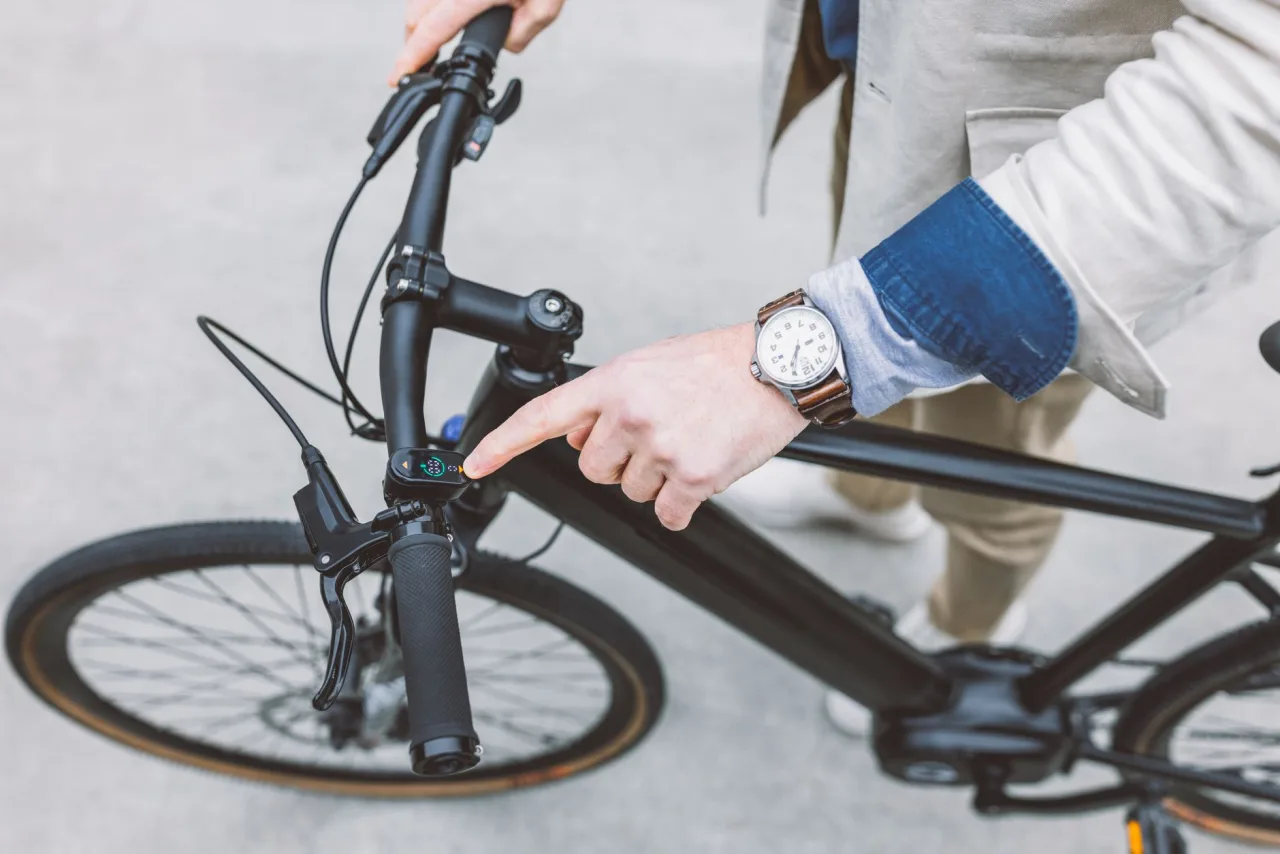
When you buy an electric bike, you are not just buying a frame and a motor. You are buying into a company: its batteries, its firmware, its warranty, and whether it will still answer the phone in three years when you need a spare part. This guide is about choosing the company behind the bike, which often matters more than the bike itself.
The short version
- The e-bike company you choose decides your long-term access to batteries, parts, firmware updates, and warranty support.
- Established brands sold through bike shops trade a higher price for local service, while direct-to-consumer brands trade support convenience for lower prices.
- Verified facts matter: pick companies with a real track record, a clear warranty, and a parts supply you can confirm.
- Never judge a company on a single low price. Judge it on what happens after the sale.
Why the company matters more than the bike
A regular bicycle is a mechanical object. If the company that made it vanishes, almost any shop can still service it with standard parts. An electric bike is different. Its battery, motor, display, and controller are often proprietary, and its behaviour depends on firmware that only the maker can update. If that company disappears or drops a model, you can be left with a bike that works today but becomes hard to repair the moment the battery ages out. That is why choosing a stable company is the single most important decision in the whole purchase.
If you are still learning the categories before you shortlist brands, start with the broad electric bike guide, then narrow down by style with our electric road bike guide.
The two main types of e-bike company
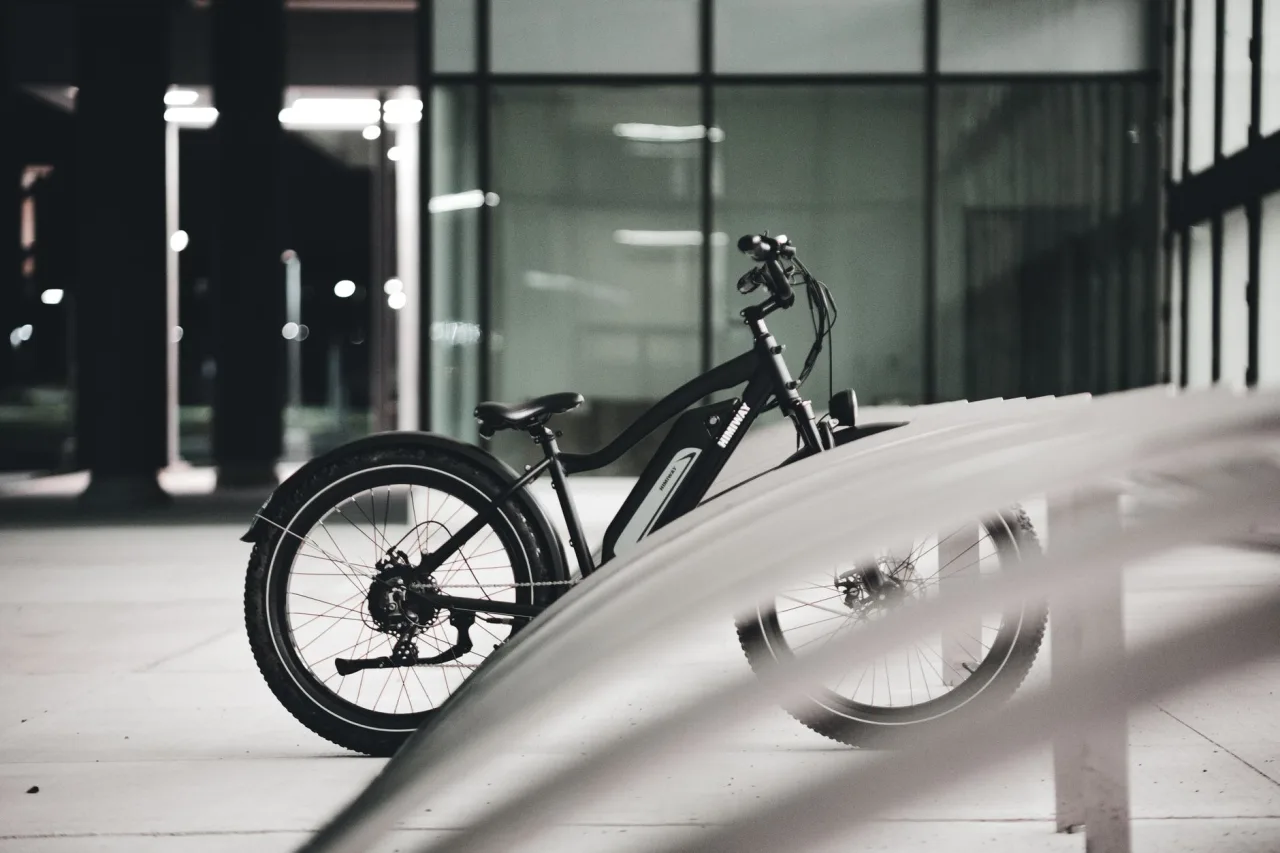
Broadly, e-bike companies fall into two camps, and the right one depends on how much you value price versus hands-on support.
- Established bicycle brands: long-standing companies such as Specialized, Trek, Giant, and Cannondale sell e-bikes through their existing dealer networks. You pay more, but you get local shops that can fit, service, and warranty the bike in person.
- Direct-to-consumer brands: these ship bikes to your door at lower prices by cutting out the shop. Support happens by phone, chat, or email, and you or a local mechanic handle assembly and servicing.
Neither model is inherently better. A confident home mechanic near good couriers may love a direct-to-consumer bike, while a rider who wants someone to handle every issue will value a dealer-backed brand. To compare specific dealer-backed options, see our guides to Specialized e-bikes, Giant e-bikes, and Trek electric bikes.
What a good warranty actually covers
Warranties on e-bikes are more complex than on regular bikes because they usually split the frame from the electrical system. Read the fine print for these points before you buy.
- Frame coverage: often the longest term, sometimes lifetime on premium brands, but usually only for the original owner.
- Battery coverage: typically shorter, often a couple of years, and frequently measured against a capacity threshold rather than outright failure.
- Motor and electronics: a separate, usually shorter window, so check it specifically.
- Labour and shipping: ask who pays to remove, ship, and refit a failed part, since that cost can dwarf the part itself.
Warning: a cheap bike with no parts supply is a false economy
- A low sticker price means little if a replacement battery is unavailable or costs a large share of the bike's value.
- Before buying, confirm that spare batteries, chargers, and displays are actually in stock for your exact model.
- Search for owner reports about how the company handles claims, not just how the bike rides.
How to vet an e-bike company before you buy

You can learn a lot about a company in an hour of research. Work through this checklist for any brand on your shortlist.
- How long has the company traded, and does it have a verifiable history rather than a brand-new storefront?
- Can you find the exact warranty terms in writing on its own website?
- Are spare batteries and chargers listed and in stock for the model you want?
- Is there a real support channel with a phone number or ticket system, and do owners say it responds?
- Does the bike use a widely supported motor system, which makes independent servicing easier?
A company that passes these checks is far more likely to keep your bike on the road for years. One that hides its warranty or has no parts listed is a gamble no matter how good the launch photos look.
Batteries and the long tail of ownership
Every e-bike battery loses capacity over time, so the availability of a replacement is not optional, it is inevitable. A responsible company sells replacement batteries for its models for years after launch and states its chemistry and capacity clearly. Watt-hours, not vague labels, tell you the true size. As Wikipedia's electric bicycle article explains, pedal-assist systems rely on sensors and controllers that the maker tunes, so a company that abandons firmware support can leave a bike less capable than it was at launch. Treat long-term battery and firmware support as core to the buying decision.
Price, value, and where the money goes
It is tempting to sort e-bike companies purely by price, but the cheapest option often carries hidden long-term costs in parts and support. A fair way to compare is total cost of ownership: the sticker price plus a likely battery replacement plus any servicing you cannot do yourself. Prices vary widely by region and change with tariffs and demand, so treat any figure as a range and confirm it locally. Our electric bike price guide breaks down what drives the cost, and if you are open to secondhand, the used electric bikes guide covers how to judge a used bike from any company.
Tip: buy the company's service, not just its bike
- Visit or call a dealer before buying to gauge how they treat customers who are not yet spending money.
- For direct-to-consumer brands, line up a local shop willing to service that bike before you order.
- Keep every receipt and register the bike, since warranties usually apply only to the original owner.
Frequently asked questions
Does it matter which e-bike company I buy from?
Yes, more than with a regular bike. An e-bike depends on proprietary batteries, motors, and firmware, so the company decides your long-term access to spares, updates, and warranty support. A stable company with available parts keeps your bike serviceable for years, while a brand that disappears can leave you stranded when the battery ages.
Are direct-to-consumer e-bike companies worth it?
They can be, if you are comfortable handling assembly and servicing or have a local shop willing to help. Direct-to-consumer brands cut costs by skipping the dealer, so you get a lower price but remote support. Riders who want in-person help with fitting, servicing, and warranty claims usually prefer an established brand sold through bike shops.
How long should an e-bike warranty last?
It varies by brand and by component. Frames often carry the longest term, sometimes lifetime on premium brands for the original owner, while batteries and electronics usually have shorter windows measured in a couple of years. Always read whether labour and shipping are covered, since those costs can exceed the part itself.
Can any bike shop service any brand of e-bike?
Not always. Standard mechanical parts are universal, but proprietary motors, displays, and firmware may need a dealer or a shop trained on that system. Choosing a bike that uses a widely supported motor system makes independent servicing far easier, which is one reason to check the motor brand before you buy.
What is the biggest mistake when choosing an e-bike company?
Judging the company on price alone. The cheapest bike can carry the highest long-term cost if replacement batteries are unavailable or support is poor. The safer approach is to weigh total cost of ownership and to confirm that parts, warranty terms, and a real support channel exist before you buy.
More guides on Electric Bikes
Have a question or a topic to suggest?
We read every message. Tell us what you would like to see next on the blog.
Get in touchYou may also like

Electric Bike: The Complete Guide
Everything you need before buying an e-bike: how the motor and classes work, hub versus mid-drive, battery range, the main types, and what a good electric bike really costs.

Electric Road Bike: The Complete Guide
A plain-English guide to electric road bikes: how pedal assist works, mid-drive vs lightweight hub motors, real-world range, weight, and how to choose one.

Used Electric Bikes for Sale: Buyer Guide
How to buy a used electric bike safely: battery health checks, mechanical inspection, where to buy, avoiding stolen bikes and scams, and setting a fair price.