E-Bike Guide · Electric Bikes
Electric Road Bike: The Complete Guide
How pedal assist, motor type, range, and weight decide the right lightweight drop-bar e-bike for you.
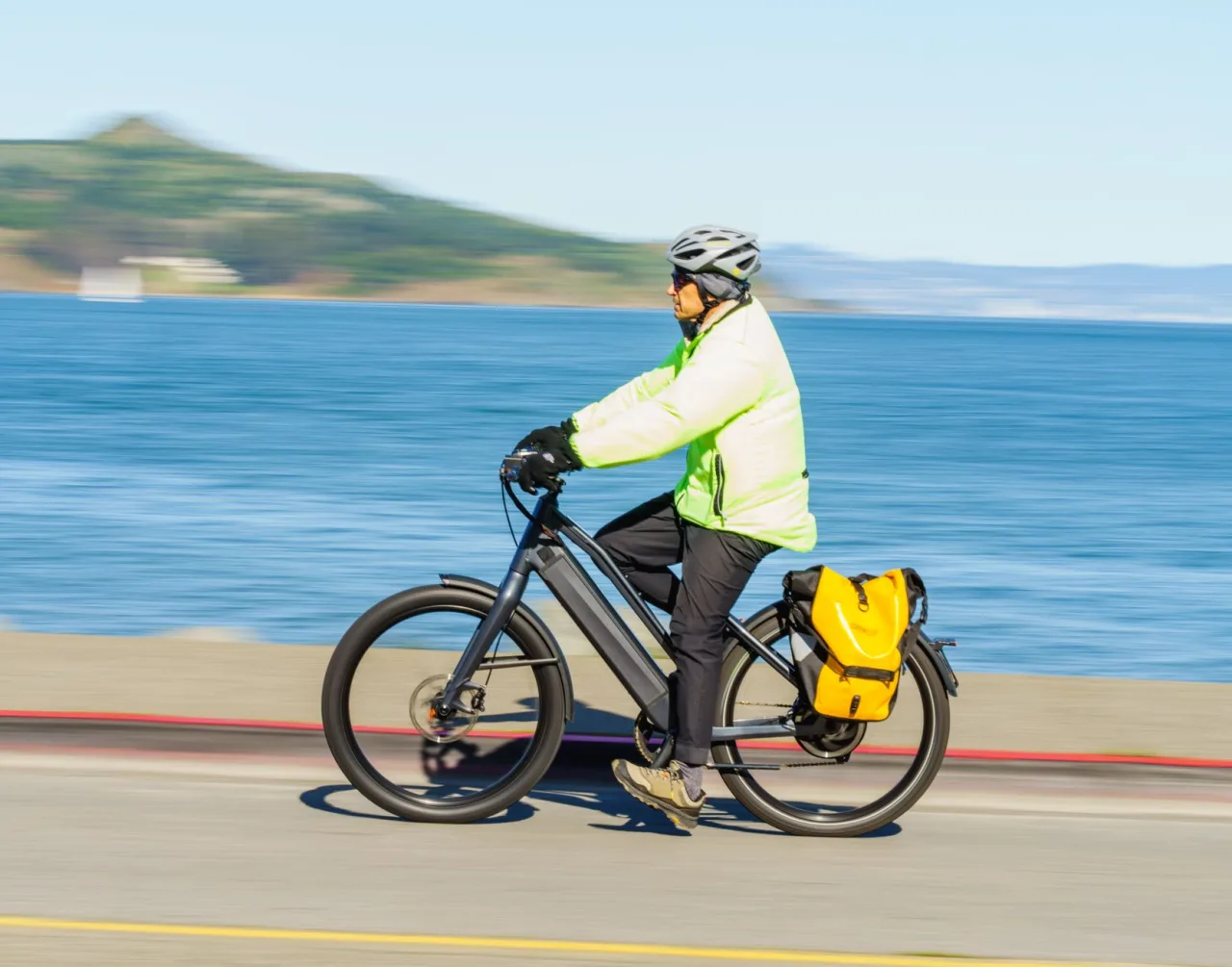
An electric road bike looks like a fast drop-bar machine and rides like one, but a small motor quietly fills in the gaps on climbs, headwinds, and the back half of a long day. It is not about going faster than everyone else. It is about riding further, recovering less, and staying with the group when your legs would normally fade.
The short version
- An electric road bike is a lightweight drop-bar bike with a pedal-assist motor that cuts out at a legal speed limit, so you still pedal the whole way.
- Most road-focused models use compact mid-drive or lightweight hub systems tuned for range and low weight rather than raw punch.
- Expect realistic prices to vary widely by region and spec, so treat any figure as a range and confirm locally before you commit.
- The right choice depends on your terrain, your fitness goals, and how much weight you are willing to carry up your stairs.
What actually makes a road bike electric
A conventional road bike is built around efficiency: skinny tyres, an aerodynamic riding position, and a frame tuned for smooth tarmac. An electric road bike keeps all of that and adds a motor, a battery, and a controller. The defining trait is pedal assist, sometimes called a pedelec. The motor only helps while you are pedalling, and it tapers off as you approach a set speed limit. Once you pass that limit, you are riding the bike on your own legs like any other road machine.
According to Wikipedia's overview of electric bicycles, most pedal-assist road bikes fall into the pedelec category, where the motor assists only up to a limited speed, commonly around 25 km/h in the EU or 20 to 28 mph depending on the class and country. A sensor reads your pedalling force or cadence and feeds in a proportional amount of help. That is why a good electric road bike feels like your own legs got stronger rather than like a throttle-driven scooter.
If you are still deciding between an assisted and an unassisted bike, our road bike complete guide covers the non-electric side, and the broader electric bike guide compares every e-bike category side by side.
Mid-drive vs lightweight hub motors
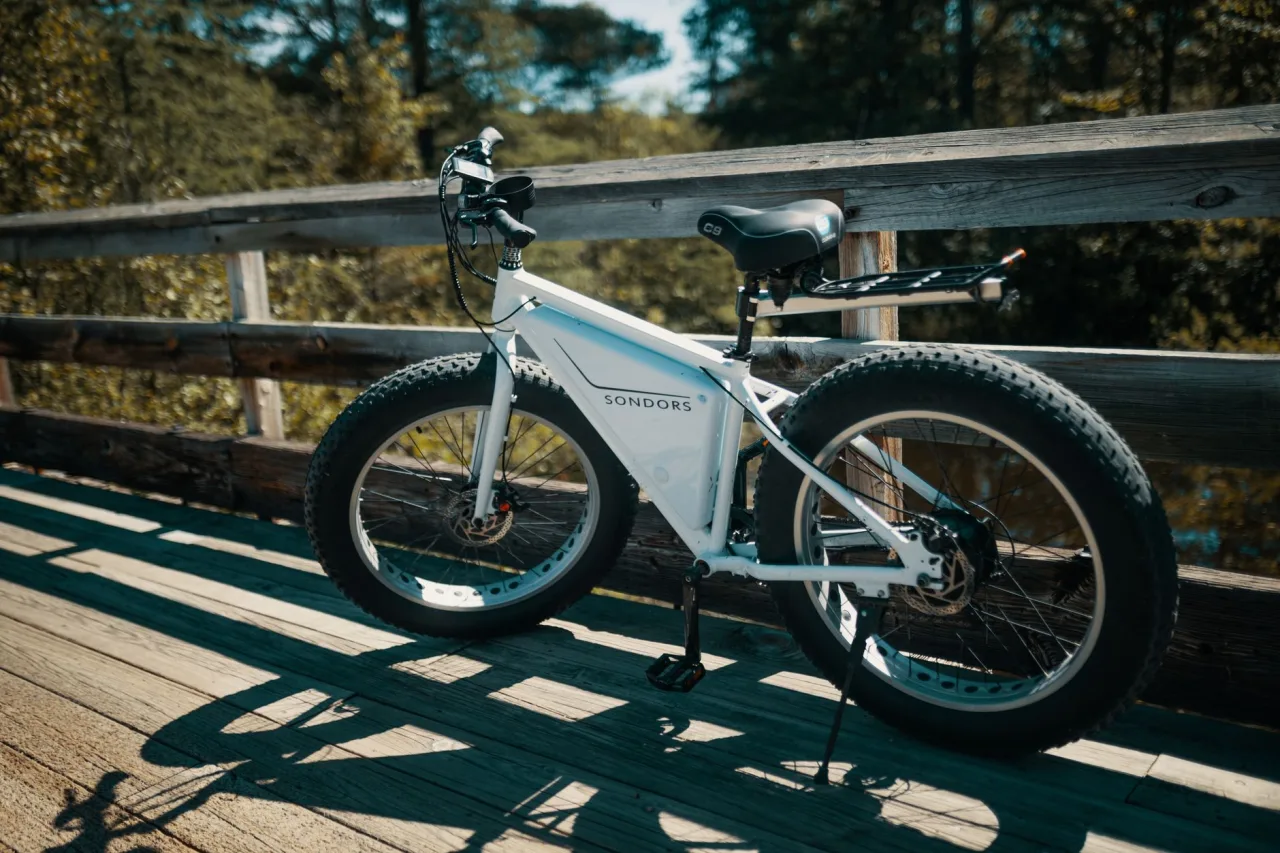
Road-focused e-bikes usually take one of two approaches. Mid-drive motors sit at the cranks and drive the chain, which keeps weight low and central and lets the motor use your gears efficiently on climbs. Lightweight hub motors sit in the rear wheel and tend to be quieter and simpler, often paired with smaller batteries to keep the total weight down near 12 to 15 kg.
- Mid-drive: better on steep, sustained climbs, more natural weight balance, usually pricier and more complex to service.
- Lightweight hub: lighter overall feel, simpler and often cheaper, but can run out of punch on very long ascents.
Neither is universally better. A hilly commuter benefits from a mid-drive, while a rider who mostly wants a gentle boost on the flats and easy hills may prefer a light hub-driven bike that rides almost like a normal road bike when the motor is off.
Range, battery, and what the numbers really mean
Range is the number every brand advertises and the one that disappoints most often. A claimed range assumes ideal conditions: a light rider, low assist, flat ground, and warm weather. Cold temperatures, hills, headwinds, and heavy loads all cut it down. A battery rated in watt-hours (Wh) gives you a better comparison than a marketing range figure. As a rough guide, a road e-bike with a 250 to 500 Wh battery in a mid-assist mode often delivers a real-world range in the tens of miles, not the triple-digit claims you sometimes see.
Tip: read watt-hours, not the range banner
- Compare batteries by their Wh rating, which is voltage multiplied by amp-hours.
- Assume real range is well below the headline number, especially in cold or hilly conditions.
- Ask whether the battery is removable, which makes charging and winter storage far easier.
Weight, handling, and why it matters more than you think

An electric road bike carries the extra mass of a motor and battery, so even a light model weighs noticeably more than an unassisted race bike. That weight changes how the bike behaves when the motor is off or after the battery runs flat. It also decides whether you can carry the bike up a flight of stairs or lift it onto a rack. If you live in a walk-up flat or need to load the bike into a car regularly, prioritise a lighter build even if it means a smaller battery.
Handling on a well-designed road e-bike stays sharp because the extra weight sits low and central. The bikes that handle worst are usually those where a bulky battery pushes weight high or to one end of the frame.
Who an electric road bike suits
These bikes shine for a specific set of riders rather than everyone. They are worth serious consideration if you recognise yourself below.
- Riders returning from injury or illness who want to rebuild fitness without overreaching.
- Commuters who want to arrive without being drenched in sweat but still enjoy pedalling.
- Riders who join faster group rides and want to hang on during the hard sections.
- Older cyclists who want to keep the distances they have always loved as their power drops.
If your goal is pure speed on a budget or you want a low-maintenance machine, a standard road bike may serve you better. For a sense of what raw assisted speed looks like at the extreme end, our fastest electric bike guide sets realistic expectations.
How to shop and what to budget
Prices for electric road bikes vary enormously by brand, motor system, and component level, and they shift with currency, tariffs, and local demand. Entry-level assisted road bikes tend to sit well below premium mid-drive models, which can run several times higher. Rather than chase a specific number, decide on your motor type, minimum battery size, and groupset quality, then compare what that combination costs from a few sellers. Always treat any advertised figure as a range and confirm the current price locally.
Buying from an established company matters more with e-bikes than with regular bikes because you are also buying into a battery and firmware ecosystem. Our electric bike company guide explains how to judge a brand's support and warranty, and the electric bike price guide breaks down where the money actually goes. If you would rather buy secondhand, read our used electric bikes guide before you hand over any cash.
Test-ride checklist
- Ride a real climb, not just the car park, to feel how the assist scales with effort.
- Turn the motor off and ride a short stretch to judge the unassisted feel and weight.
- Check how easy the battery is to remove and how loud the motor sounds under load.
Keeping an electric road bike healthy
The good news is that most maintenance is identical to a normal road bike: keep the chain clean and lubed, check tyre pressure, and keep the brakes in good order. The electric parts add a few habits. Store the battery indoors, avoid leaving it fully flat or fully charged for long periods, and keep firmware updated through the brand's app if one exists. A local shop that services your specific motor system is worth its weight in gold, which is why finding a good one early pays off. Our directory-style guide to a trusted e-bike shop walks through how to vet one.
Frequently asked questions
Do you still have to pedal an electric road bike?
Yes. Almost every electric road bike uses pedal assist, which means the motor only helps while you are pedalling and stops adding power once you pass the legal speed limit. You are always doing part of the work, which is exactly why these bikes still deliver real exercise.
How far can an electric road bike really go on one charge?
Real range depends on the battery size in watt-hours, your weight, the terrain, the temperature, and how much assist you use. Advertised ranges assume ideal conditions, so expect the real figure to be lower, often in the tens of miles rather than the triple-digit claims. Compare batteries by their Wh rating for a fairer picture.
Is an electric road bike worth it if I am already fit?
It can be, depending on your goals. Fit riders use them to recover between hard efforts, to extend their range on long days, or to keep pace on faster group rides. If your only aim is maximum speed on flat ground, a lighter unassisted road bike may suit you better.
Are electric road bikes legal to ride on the road?
Pedal-assist road bikes that cut out at the local speed limit are generally treated as bicycles in most regions, but the exact rules on power, speed, and throttles vary by country and state. Always check your local classification before buying, since a bike that is legal in one place may count as a moped elsewhere.
Can I ride an electric road bike with the motor switched off?
Yes, but it will feel heavier than an unassisted road bike because of the motor and battery. A lightweight model with a small battery rides closest to a normal bike when the power is off, which is one reason weight is such an important buying factor.
More guides on Electric Bikes
Have a question or a topic to suggest?
We read every message. Tell us what you would like to see next on the blog.
Get in touchYou may also like

Electric Bike: The Complete Guide
Everything you need before buying an e-bike: how the motor and classes work, hub versus mid-drive, battery range, the main types, and what a good electric bike really costs.
Electric Bike Company: Choosing a Brand
How to choose the company behind your e-bike: dealer brands vs direct-to-consumer, warranty terms, battery and parts supply, and a checklist to vet any maker.
Used Electric Bikes for Sale: Buyer Guide
How to buy a used electric bike safely: battery health checks, mechanical inspection, where to buy, avoiding stolen bikes and scams, and setting a fair price.