Buyer's Guide · Buying Guides & Prices
Buy a Cycle: The Complete Guide
Choose the right bike type, budget, and fit, and avoid the mistakes first-time buyers make.
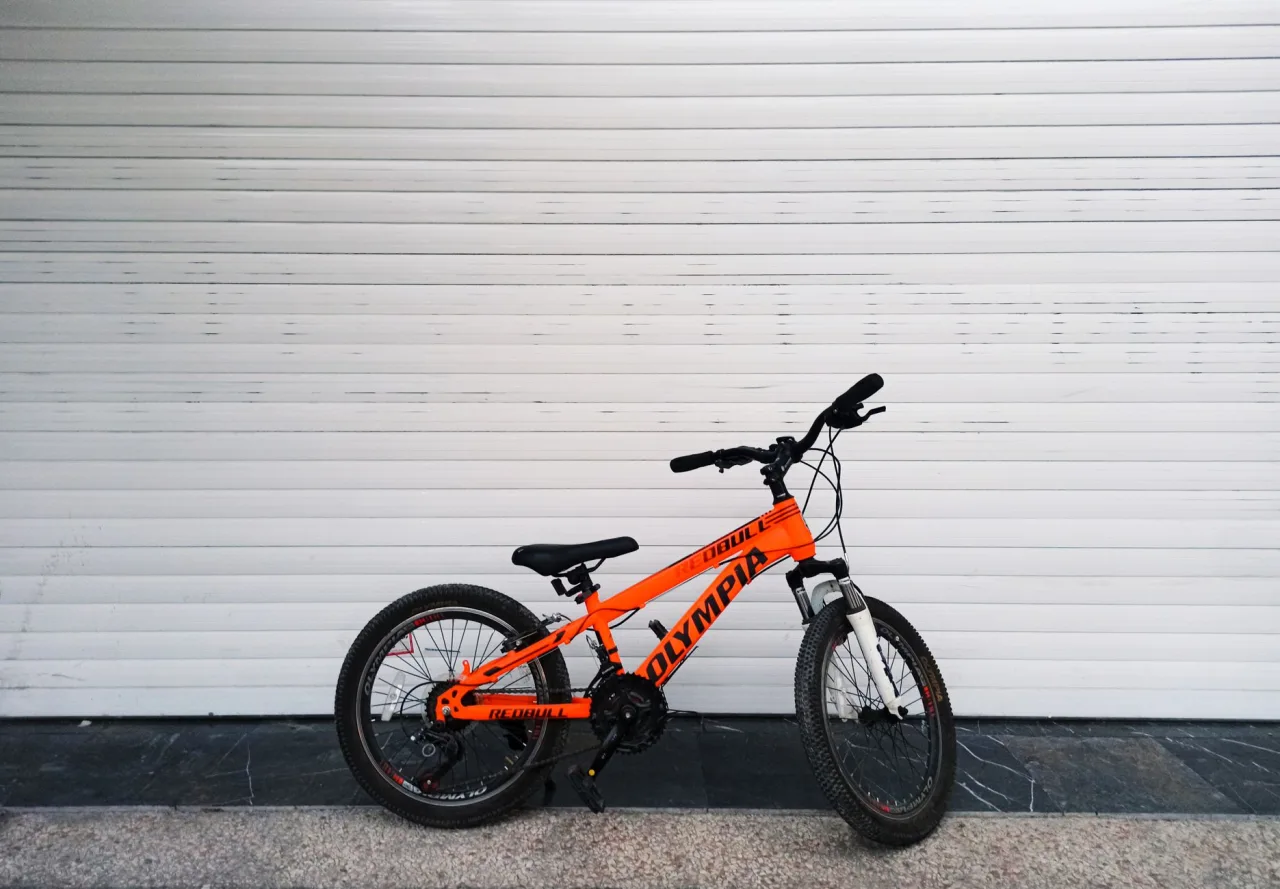
Buying a cycle should be exciting, not confusing. Yet between bike types, frame sizes, components, and a price range that runs from pocket money to a used car, it is easy to freeze or to overspend. This complete guide walks you through choosing the right kind of bike, setting a realistic budget, deciding between new and used, and knowing exactly what to check before you pay.
The short version
- Pick the bike type by how and where you will ride, not by which looks fastest. The right category matters more than the brand.
- Frame fit is the single most important factor. A cheaper bike that fits beats an expensive one that does not.
- Budget realistically: capable new bikes start in the low hundreds, while performance models run into the thousands. Confirm current prices locally.
- A test ride and a pre-purchase check protect you far more than any spec sheet, especially when buying used.
Start with how you will ride
Every good bike purchase begins with an honest answer to one question: what will you actually do with it? The bicycle, in its modern form, is one of the most produced vehicles in the world, and that popularity has produced a distinct type for almost every use. Matching the type to your riding is the decision that everything else follows from.
- Commuting and errands: a hybrid or city bike with mounts for racks and fenders.
- Fitness and distance on pavement: a road bike or endurance road bike.
- Trails and rough ground: a mountain bike sized to the terrain you ride.
- Mixed surfaces and gravel: a gravel bike that blends road speed with off-road capability.
- Effort-free commuting or hills: an electric bike that adds pedal assistance.
Understand the main components
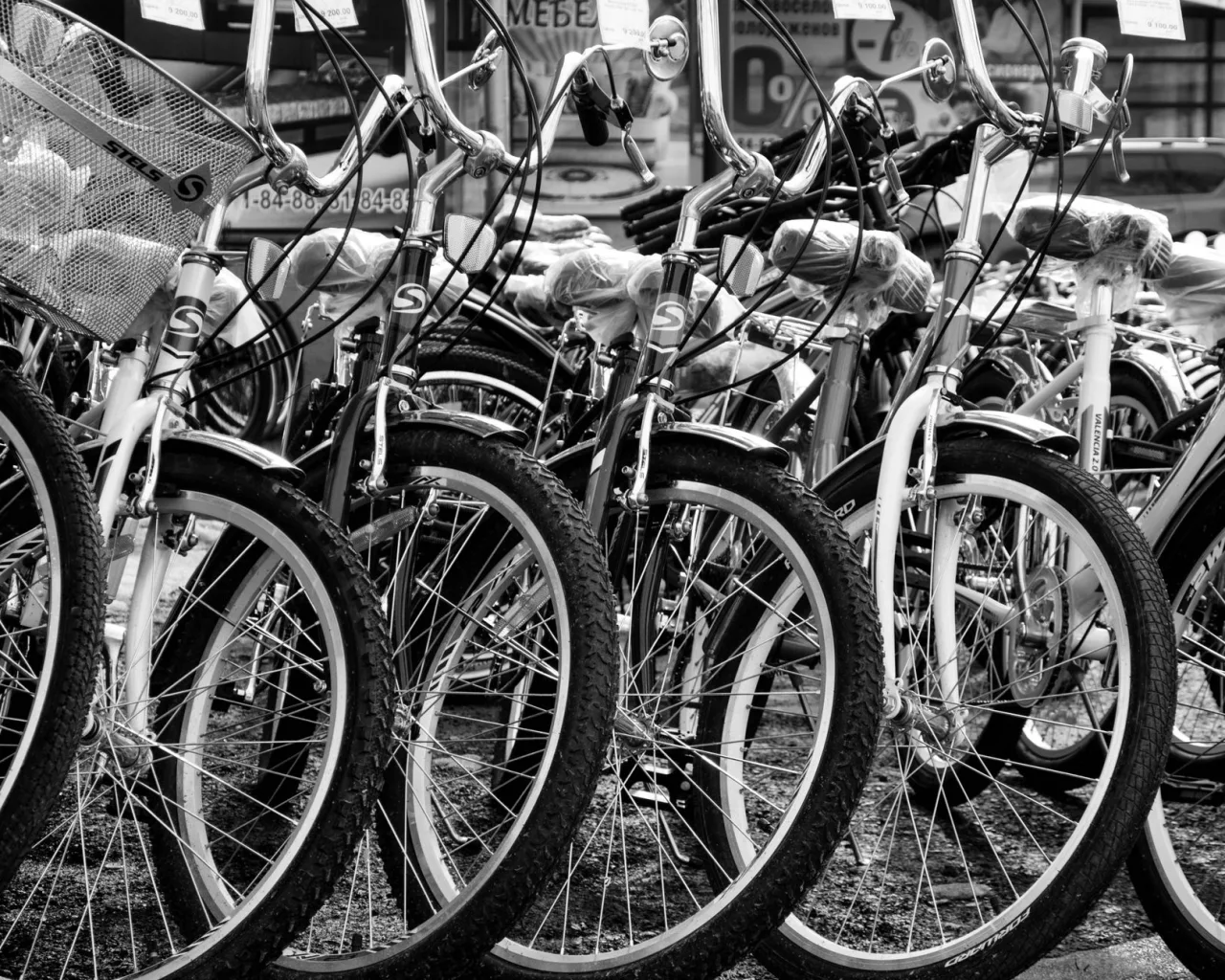
You do not need to be a mechanic, but knowing what drives price helps you spend wisely. Most of a bike's cost sits in a few areas:
- Frame material: aluminum is the value sweet spot, steel rides smoothly and is durable, carbon fiber is light and stiff but costs more, and titanium is premium.
- Drivetrain: the gears and shifters. Higher tiers shift more crisply and last longer, but mid-tier is plenty for most riders.
- Brakes: disc brakes, increasingly standard, offer strong, consistent stopping, especially in the wet. Rim brakes are lighter and cheaper.
- Wheels and tires: often the best upgrade for how a bike feels, and easy to change later.
Spend on the frame and fit first, because those are hard to change. Wheels, tires, and finishing parts can be upgraded over time.
Set a realistic budget
Prices vary by brand, region, and spec, so use ranges as a guide and confirm current numbers with a shop or the manufacturer. As a broad map:
- Entry level: capable new bikes for casual riding start in the low hundreds of dollars.
- Mid range: better components, lighter frames, and disc brakes typically land in the mid hundreds to low thousands.
- Performance: carbon frames and high-end groupsets run well into the thousands.
- Electric: e-bikes carry a premium for the motor and battery and start higher than comparable non-electric bikes.
Remember the total cost of ownership. Budget a little extra for a helmet, lock, lights, and a basic tune-up. Our guides to the bike helmet and the bike lock cover the essentials worth adding on day one.
Tip: leave room in the budget for fit
- Many shops include a basic fit and a first free tune-up with a new bike. That service is worth real money and is one reason buying from a good local shop can beat the lowest online price.
New versus used
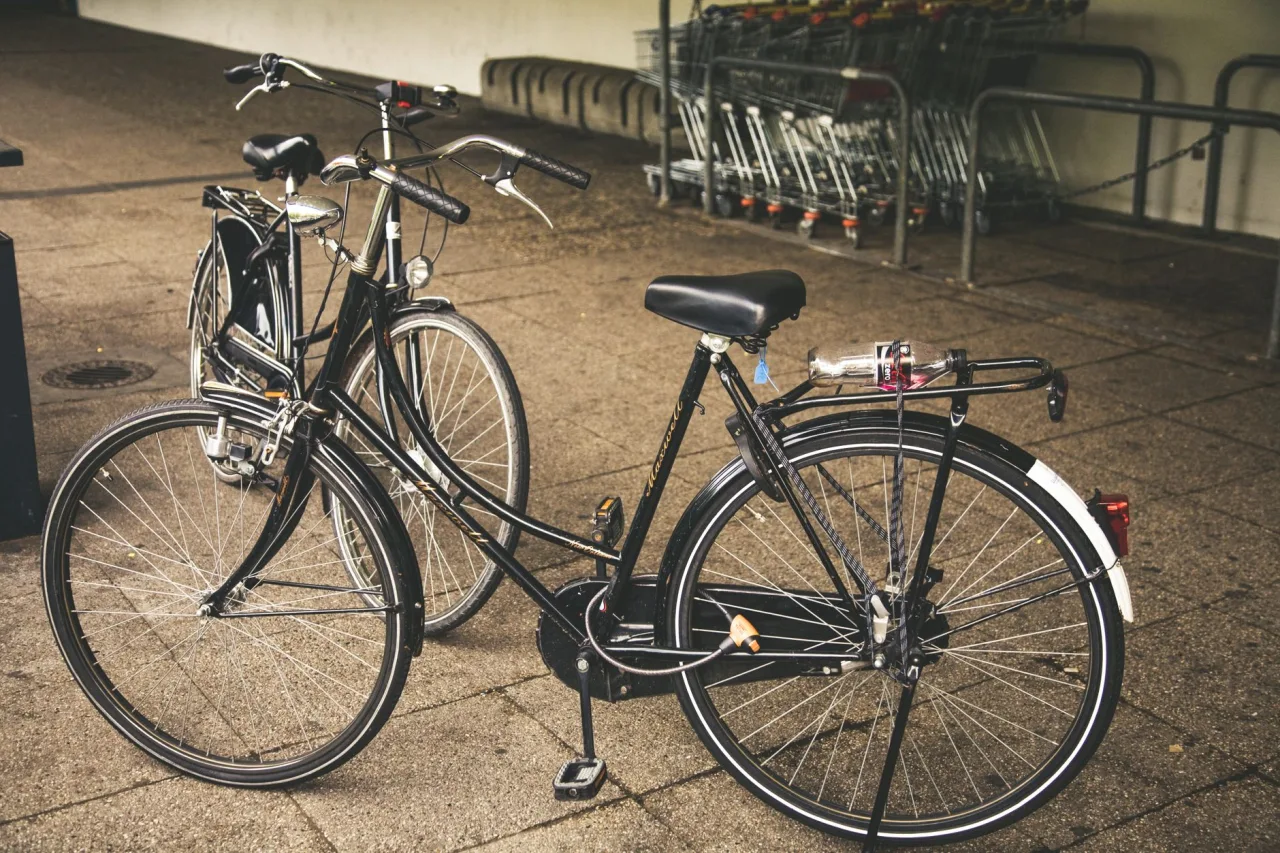
A new bike gives you a warranty, the latest components, and shop support. A used bike stretches your budget much further, letting you get a higher tier for the same money, at the cost of unknown history and no warranty. Both are valid. If you are handy or willing to pay a shop to inspect a candidate, used is often the smart-money choice. Our second hand bikes guide covers how to inspect a used frame and drivetrain, and the bicycle price breakdown shows what fair value looks like across tiers.
Getting the size right
Fit is not a luxury, it is the difference between a bike you ride often and one that gathers dust. Frame size is based mainly on your height and inseam, but reach and stack, saddle height, and handlebar position all matter. The clearest signals of a good fit:
- You can stand over the top tube with clearance.
- Your leg is nearly but not fully extended at the bottom of the pedal stroke.
- You can reach the bars and controls without stretching or feeling cramped.
- Nothing goes numb or aches after a moderate ride.
Size charts get you close, but a test ride confirms it. If you are between sizes, a shop fit session resolves it better than a guess.
Where to buy
You have three main routes, each with trade-offs:
- Local bike shop: expert fit, test rides, assembly, and after-sale service. Best for first-time buyers and anyone who values support.
- Online direct: often lower prices and wide selection, but you handle assembly and fit yourself, and returns can be a hassle.
- Used marketplaces: the most value per dollar, with the most buyer diligence required.
If you want hands-on help choosing, a nearby store is the safest start. Our bike shop near me guide explains how to find and vet a trustworthy local shop.
Before you pay, always test ride
- Ride the bike, not just the spec sheet. Check that shifting is smooth, brakes are firm, nothing rubs or creaks, and the position feels natural. Five minutes on the bike tells you more than an hour of online research.
The accessories you actually need
The bike is only part of the purchase. A handful of accessories turn a bare bike into a safe, usable one, and it is worth budgeting for them upfront rather than as afterthoughts:
- Helmet: the one non-negotiable. Buy a properly fitting helmet that meets a recognized safety standard, and replace it after any crash.
- Lock: match the lock to your area and how you park. A cheap lock on an expensive bike is a false economy.
- Lights: front and rear, for visibility and legal night riding.
- Pump and repair kit: a mini pump or CO2, tire levers, spare tube, and a multi-tool.
- Fenders and a rack if you commute or carry things.
These extras add up to a meaningful amount, so factor them into your total budget from the start. Buying the bike and skipping the safety gear is the most common first-purchase mistake.
Common mistakes first-time buyers make
A few predictable errors cost buyers money and enjoyment. Avoid them and you will be ahead of most:
- Buying on looks or price alone instead of matching the type to your riding.
- Getting the wrong size because they skipped the test ride or trusted a chart blindly.
- Overspending on a first bike before knowing what they enjoy, or underspending so severely that the bike is unpleasant to ride.
- Ignoring the total cost of accessories, maintenance, and setup.
- Skipping the local shop relationship, which pays off in fit, service, and warranty support.
Take your time, ride a few candidates, and buy the bike that fits and suits your riding rather than the one with the flashiest spec sheet.
Frequently asked questions
How much should I spend on my first cycle?
For casual and commuting use, a capable new bike starts in the low hundreds of dollars, and a good mid-range bike lands in the mid hundreds to low thousands. Buy the best fitting bike you can afford in your chosen category, and leave a little budget for a helmet, lock, and lights. Prices vary, so confirm locally.
What type of bike should I buy?
Choose by how and where you will ride. Hybrids suit commuting and errands, road bikes suit pavement fitness and distance, mountain bikes suit trails, gravel bikes suit mixed surfaces, and electric bikes suit effortless commuting or hills. The right category matters more than the brand.
Is it better to buy a bike new or used?
New gives you a warranty, current components, and shop support. Used stretches your budget and can get you a higher tier for the same money, at the cost of unknown history and no warranty. Used is a smart choice if you can inspect the bike yourself or pay a shop to check it.
How do I know a bike fits me?
You should have standover clearance, a leg that is nearly but not fully extended at the bottom of the pedal stroke, and a comfortable reach to the bars without stretching or cramping. Nothing should go numb or ache after a moderate ride. Size charts get you close, and a test ride confirms it.
Should I buy online or from a local shop?
Online often offers lower prices and wide selection but leaves assembly and fit to you. A local shop offers expert fit, test rides, and after-sale service, which is especially valuable for first-time buyers. Used marketplaces offer the most value per dollar with the most buyer diligence required.
More guides on Buying Guides & Prices
Have a question or a topic to suggest?
We read every message. Tell us what you would like to see next on the blog.
Get in touchYou may also like
Road Bike: The Complete Guide
Choose the right road bike with confidence: the main types, frame materials, components that matter, why fit beats everything, and how much to sensibly spend.

Mountain Bike: The Complete Guide
Everything you need to choose a mountain bike: the main types, wheel sizes, key components, how to pick your first bike and the gear and care that keep it running.

Electric Bike: The Complete Guide
Everything you need before buying an e-bike: how the motor and classes work, hub versus mid-drive, battery range, the main types, and what a good electric bike really costs.