Road Cycling · Electric Bikes
Roadie Bike: The Complete Guide
Drop bars, geometry, groupsets, and fit: what makes a road bike and how to buy the right one.
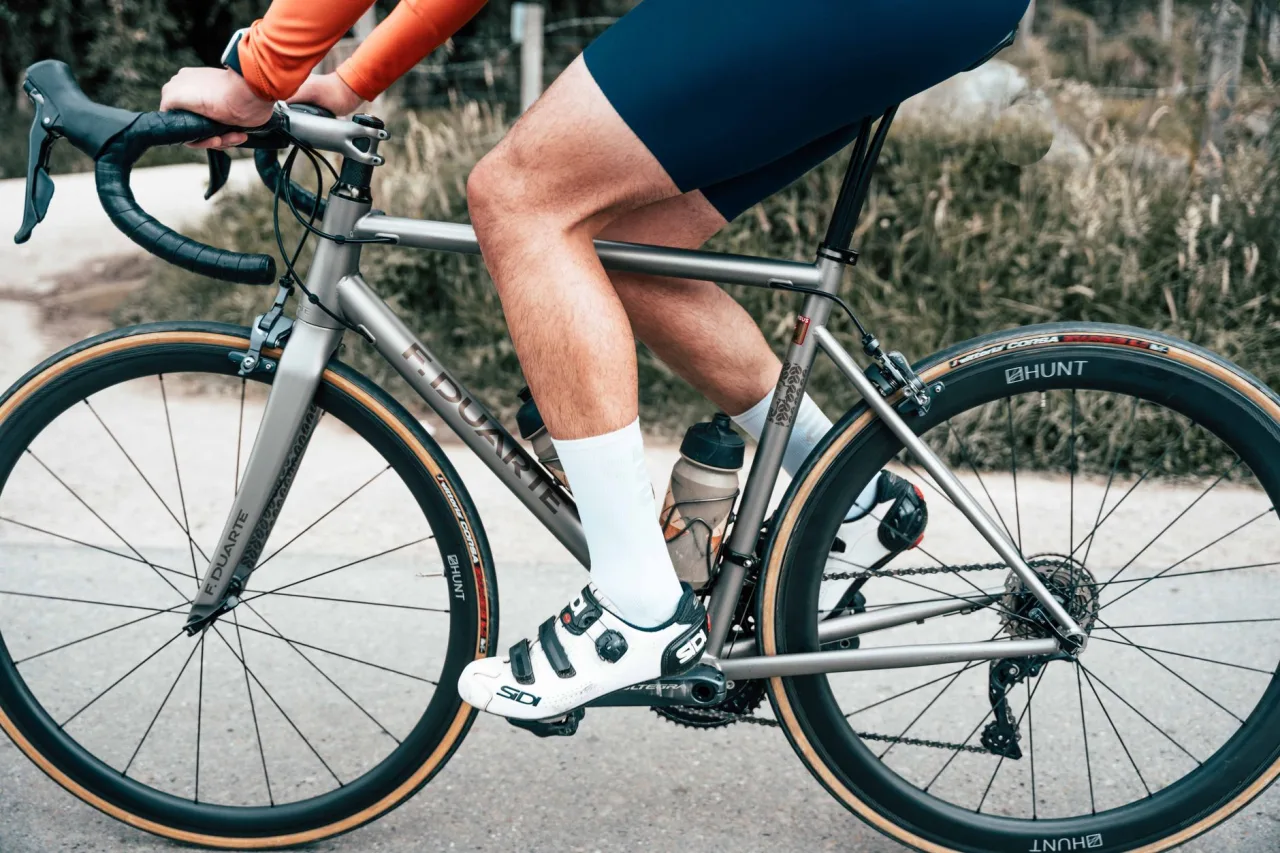
"Roadie" is cycling slang for a road bike, the lightweight, drop-bar machine built for speed on pavement. It is also shorthand for the culture around it: fast group rides, long distances, and a love of smooth tarmac. This guide explains what makes a roadie a roadie, the parts that matter, realistic prices, and how to pick your first one.
The short version
- A roadie is a road bike: dropped handlebars, narrow high-pressure tires, a lightweight frame, and a forward, aerodynamic riding position.
- Frame material, groupset, and fit matter far more than paint or brand prestige. Fit comes first.
- Endurance geometry suits most riders better than aggressive race geometry for real-world riding.
- Prices climb steeply with lighter frames and better groupsets. Set a budget, then buy the best fit within it, and confirm pricing locally.
What makes a bike a roadie
A road bike is built for traveling fast on paved roads, and its whole design serves that goal. According to Wikipedia's road bicycle article, the defining feature is dropped handlebars that let the rider lean forward and down, reducing the body's frontal area and cutting air resistance. Road bikes usually run derailleur gears, lightweight aluminum or carbon frames, narrow high-pressure tires for low rolling resistance, and often clipless pedals with matching shoes. Put simply, everything is optimized for speed and efficiency on tarmac.
If your riding wanders onto gravel, dirt, or rough tracks, a roadie is the wrong tool. Our gravel bike guide covers the more versatile cousin, and the broader road bike guide goes deeper on the category.
The parts that actually matter
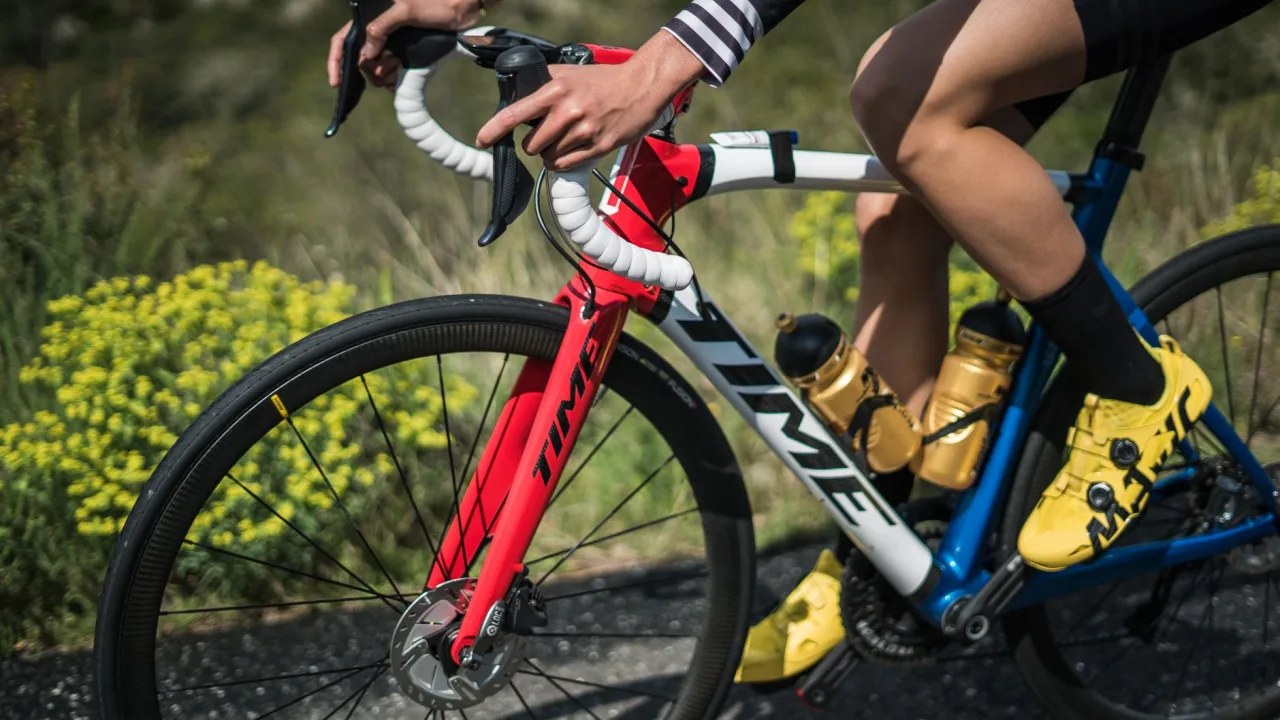
Marketing loves to talk about frames, but a few fundamentals decide whether you enjoy the bike.
- Fit and geometry. The single biggest factor in comfort and control. Endurance geometry places you more upright and is kinder to your back and neck. Aggressive race geometry is lower and faster but demands flexibility. Most riders are happier on endurance geometry.
- Frame material. Aluminum is affordable, stiff, and light enough for most. Carbon fiber is lighter and can be tuned for comfort but costs more. Steel and titanium are niche choices prized for ride feel and durability.
- Groupset. The shifters, derailleurs, cassette, and brakes as a system. Higher tiers shift more crisply and weigh less. A mid-tier groupset that shifts reliably beats a fancy frame with a poor one.
- Brakes. Disc brakes now dominate for their consistent stopping in the wet. Rim brakes remain lighter and cheaper and are perfectly capable in dry conditions.
- Tires. The cheapest meaningful upgrade. Good tires transform grip, comfort, and puncture resistance. Modern road bikes trend toward slightly wider tires run at lower pressures for a better ride.
Tip: spend on fit before you spend on carbon. A professional bike fit, or at least careful attention to frame size, saddle, and reach, does more for your enjoyment than shaving grams. A perfectly light bike that hurts to ride stays in the garage.
What a roadie costs
Road bikes span an enormous price range, and the numbers move with material and groupset. Treat these as ranges and confirm current pricing locally.
- Entry level: a solid aluminum frame with an entry groupset. Genuinely capable of long rides and a great place to start.
- Mid range: lighter frames, better groupsets, and often disc brakes and carbon forks. The sweet spot for committed riders.
- High end: full carbon frames, top groupsets, and aerodynamic tuning. Diminishing returns for most, but real gains for racers.
You do not need a high-end bike to enjoy road cycling. A well-fitted entry or mid-range roadie will outride most of us. For a wider look at what drives bike pricing, see our bicycle price guide.
Race versus endurance versus all-road
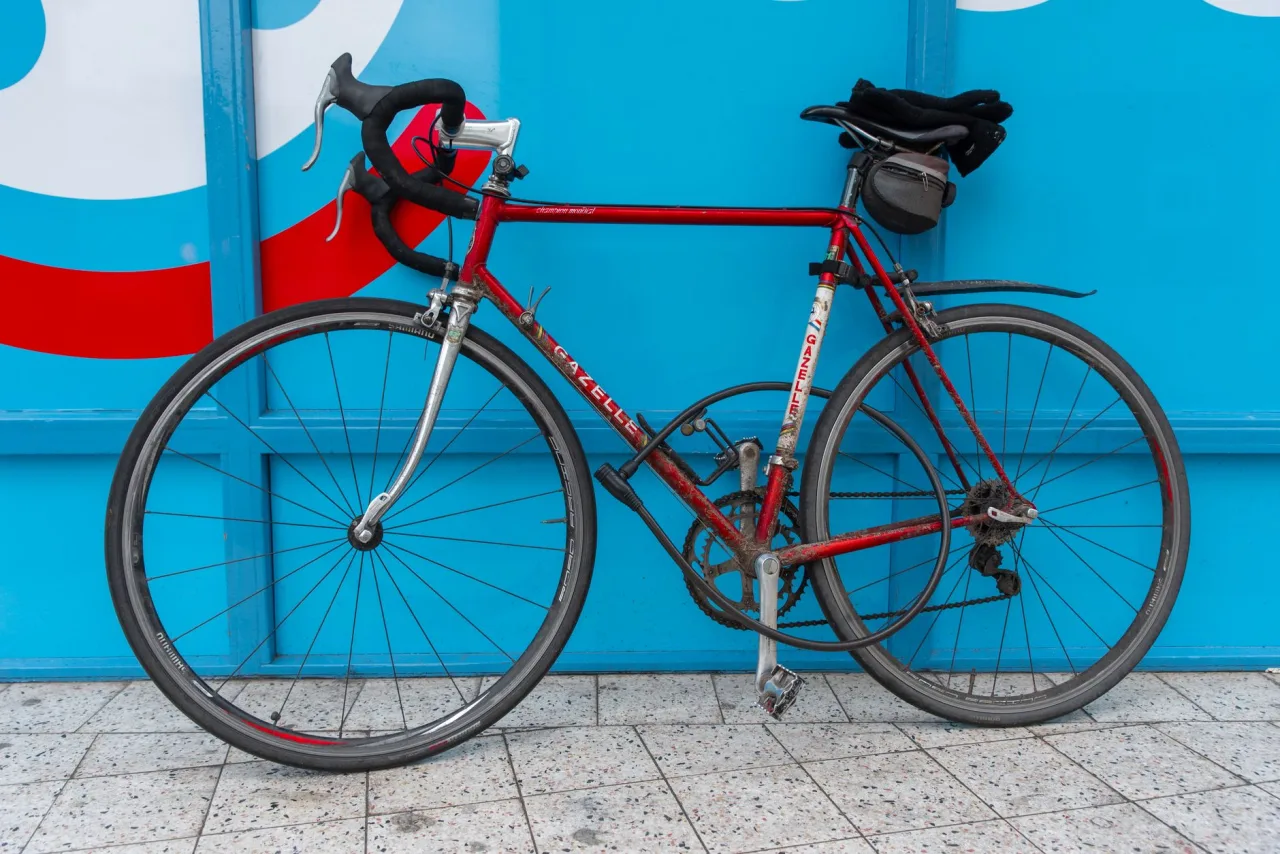
Within the roadie family there are flavors worth knowing.
- Race bikes: low, aggressive, and stiff, built for speed and responsiveness. Rewarding if you are fit and flexible.
- Endurance bikes: slightly more relaxed geometry, more tire clearance, and added comfort for long days. The best all-rounder for most riders.
- All-road bikes: road bikes with room for wider tires, blurring toward gravel. Great if your roads are rough or you want versatility.
If you value speed but also want a machine that shrugs off broken tarmac, an endurance or all-road bike is the smart default. For sportier general riding, our sport bicycle guide is a useful companion read.
Gear for road riding
A roadie rewards a few specific pieces of kit. A properly fitted helmet is non-negotiable, padded shorts make long rides bearable, and clipless pedals with cycling shoes improve efficiency once you are comfortable with them. Bright lights and visible clothing matter because you will share roads with traffic. Our cycling gear guide covers the essentials, and a good bike helmet guide helps you choose head protection that fits.
Warning: do not skip the test ride. Two bikes with identical specs can feel completely different underneath you. Ride before you buy, on real roads if possible, and pay attention to reach, saddle comfort, and how the bike handles at speed. Numbers on a page do not tell you how a bike fits your body.
Getting started as a roadie
Start with fit, buy the best bike you can within budget from a shop that will size you properly, and resist the urge to chase weight. Learn to ride in the drops, get comfortable with clipless pedals in a safe space, and build distance gradually. The joy of road cycling comes from smooth, efficient miles, not from the price of the frame. A good local shop will set you up correctly and keep the bike running, which matters more over time than any single component.
Frequently asked questions
What does "roadie" mean in cycling?
Roadie is slang for a road bike, the lightweight, drop-bar machine built for speed on pavement. It also describes riders devoted to road cycling and its culture of fast group rides and long distances. When someone calls a bike a roadie, they mean a road bike.
Is a road bike good for beginners?
Yes, especially an endurance-geometry model that places you in a more comfortable, upright position. Beginners should prioritize fit and a reliable mid-tier groupset over a light frame. A well-fitted entry-level road bike is a great and rewarding starting point.
Are disc brakes better than rim brakes on a road bike?
Disc brakes offer more consistent stopping power, especially in wet weather, which is why they now dominate. Rim brakes are lighter, cheaper, and perfectly capable in dry conditions. For all-weather riding, discs are the safer choice, but rim brakes are far from obsolete.
How much should I spend on my first road bike?
Enough for a solid aluminum frame with a reliable entry groupset, which is genuinely capable of long rides. You do not need a high-end carbon bike to enjoy road cycling. Set a budget, then buy the best-fitting bike within it, and confirm current pricing locally.
Can I ride a roadie on gravel?
Light, smooth gravel on wide tires, occasionally, but a road bike is built for pavement and struggles on rough surfaces. If your rides regularly include dirt or gravel, an all-road or gravel bike is the better tool. Match the bike to where you actually ride.
More guides on Electric Bikes
Have a question or a topic to suggest?
We read every message. Tell us what you would like to see next on the blog.
Get in touchYou may also like
Road Bike: The Complete Guide
Choose the right road bike with confidence: the main types, frame materials, components that matter, why fit beats everything, and how much to sensibly spend.
Gravel Bike: The Complete Guide
Everything a first-time buyer needs on gravel bikes: geometry, tyre clearance, frame materials, what they are used for and how much to spend.
Sport Bicycle: The Complete Guide
The performance side of cycling explained: road, gravel and endurance sport bikes, the features that define them, and why fit beats every spec.