Trails & Shops
Bike Trail Near Me
Find the right trail for your bike and skill, and a shop near the trailhead for when it counts.
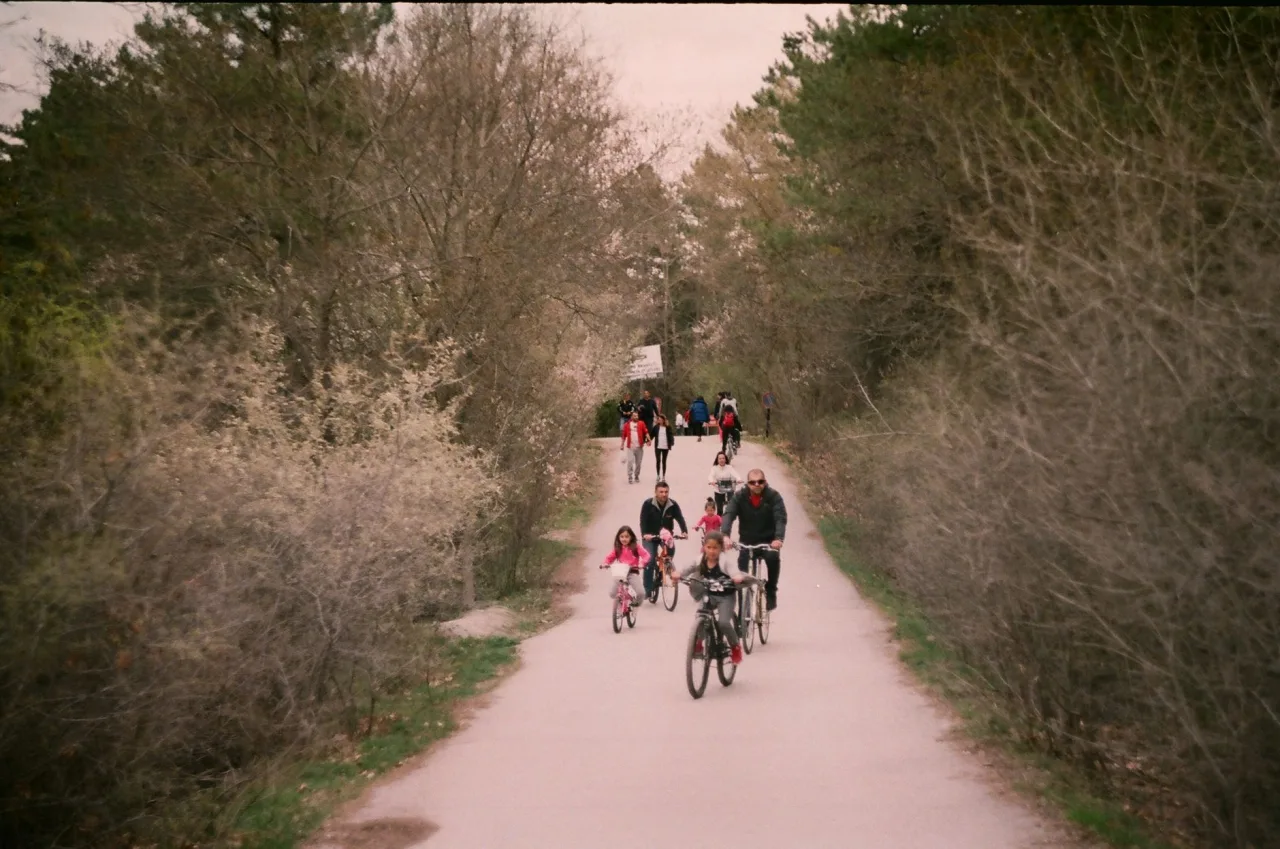
Searching "bike trail near me" usually means one of two things: you want somewhere good to ride this weekend, or you want a shop near the trails that can sort your bike before or after. This guide covers both. You will learn how to find quality local trails, how to read trail difficulty so you pick the right one, and how to find a trusted shop near the trailhead for repairs, rentals, and advice.
The short version
- Use trail apps, local park and land-manager sites, and local clubs to find trails, then check difficulty ratings before you go.
- Multi-use trails are shared with walkers and runners, so match the trail type to your bike and pace.
- A shop near the trailhead is worth knowing for last-minute repairs, spares, and rentals.
- Match your bike to the surface: smooth rail trails suit almost any bike, technical singletrack needs a proper mountain bike.
How to find good trails near you
The best trail for you depends on your bike and skill, so gather options from several sources rather than the first result you see:
- Trail and ride-mapping apps: they show routes, distances, surface, and user reviews with recent trail conditions.
- Park and land-manager websites: city, county, state, and national park sites list official trails, rules, and closures.
- Local cycling clubs and shops: the fastest way to learn which trails are worth the drive and which are overhyped.
- Rail trails and greenways: converted rail corridors and urban greenways offer flat, mostly car-free routes ideal for families and commuters.
An urban trail is a citywide network of non-motorized, multi-use pathways used by cyclists, walkers, and runners for both transportation and recreation, which makes greenways a great starting point if you want low-stress miles close to home.
Types of bike trails explained
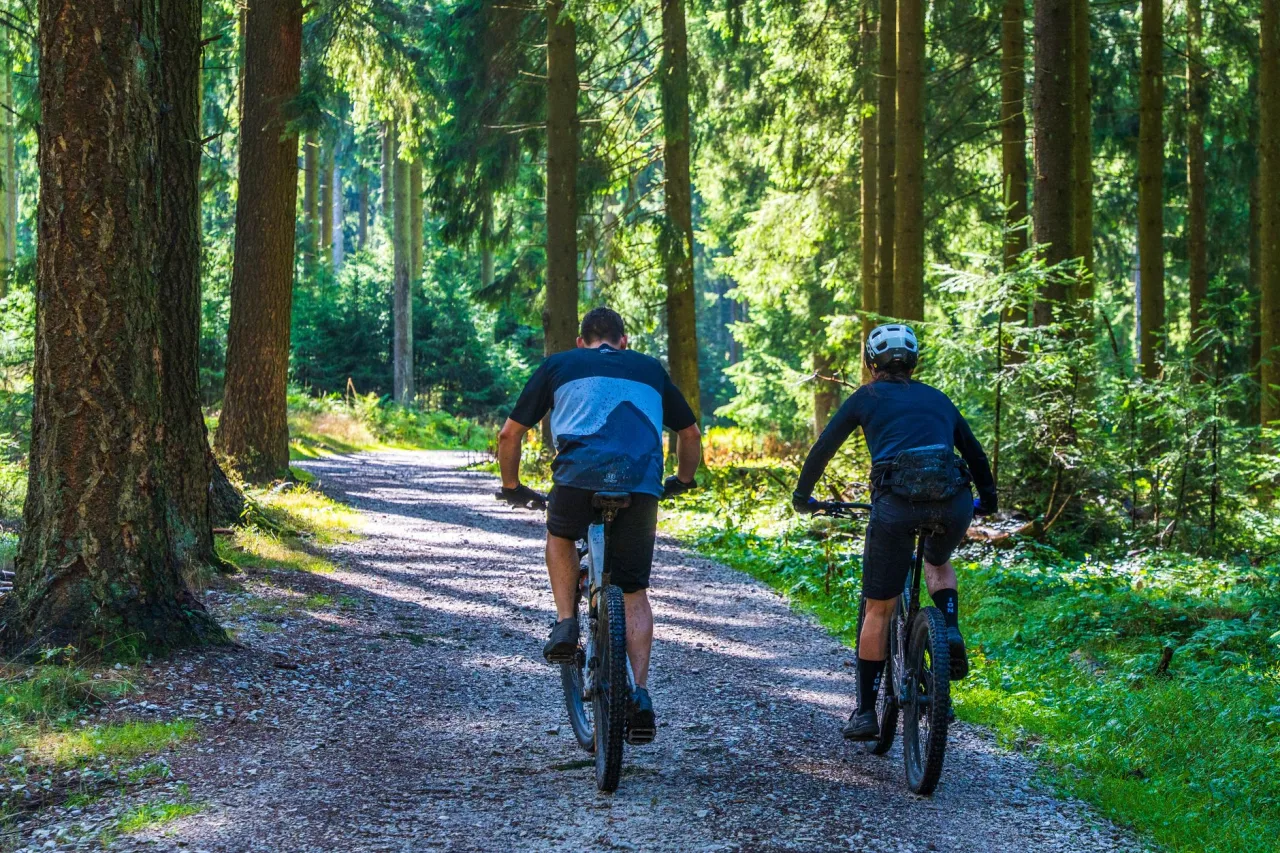
"Bike trail" covers a wide range of experiences, and knowing the categories helps you pick the right one and the right bike:
- Rail trails: flat, wide corridors built on former railway lines. Smooth, gently graded, and mostly car-free, they are ideal for families, beginners, and long easy miles.
- Greenways and urban paths: paved multi-use routes through cities and parks, shared with walkers and runners, great for commuting and low-stress recreation.
- Gravel and doubletrack: unpaved forest roads and wide dirt tracks that suit gravel bikes and hardtails and open up quieter countryside.
- Singletrack: narrow, purpose-built mountain bike trails, ranging from flowing and beginner-friendly to steep and technical.
- Bike parks: dedicated areas with graded runs, jumps, and features, often with lift or shuttle access for repeated descents.
Knowing which type you are heading to tells you what bike to bring and what to expect. A road bike is perfect on a rail trail and miserable on singletrack, and the reverse is just as true.
Reading trail difficulty
Most mountain bike trails use a rating system similar to ski runs, and understanding it prevents both boredom and danger:
- Green (easy): gentle, wide, and smooth. Good for beginners and families.
- Blue (intermediate): steeper, narrower, with some obstacles like roots and rocks.
- Black (advanced): steep, technical features, drops, and exposure. For experienced riders.
- Double black (expert): the most demanding terrain, often with serious consequences for mistakes.
Start below what you think you can handle on an unfamiliar trail, then build up. Ratings are set locally and can vary between areas, so a blue in one park may feel like a black in another.
Tip: check conditions before you drive
- Trails close after heavy rain to prevent erosion, and riding wet trails damages them and gets you muddy and unsafe. Check the land manager's page or a trail app for current status before you load the car.
Match your bike to the trail
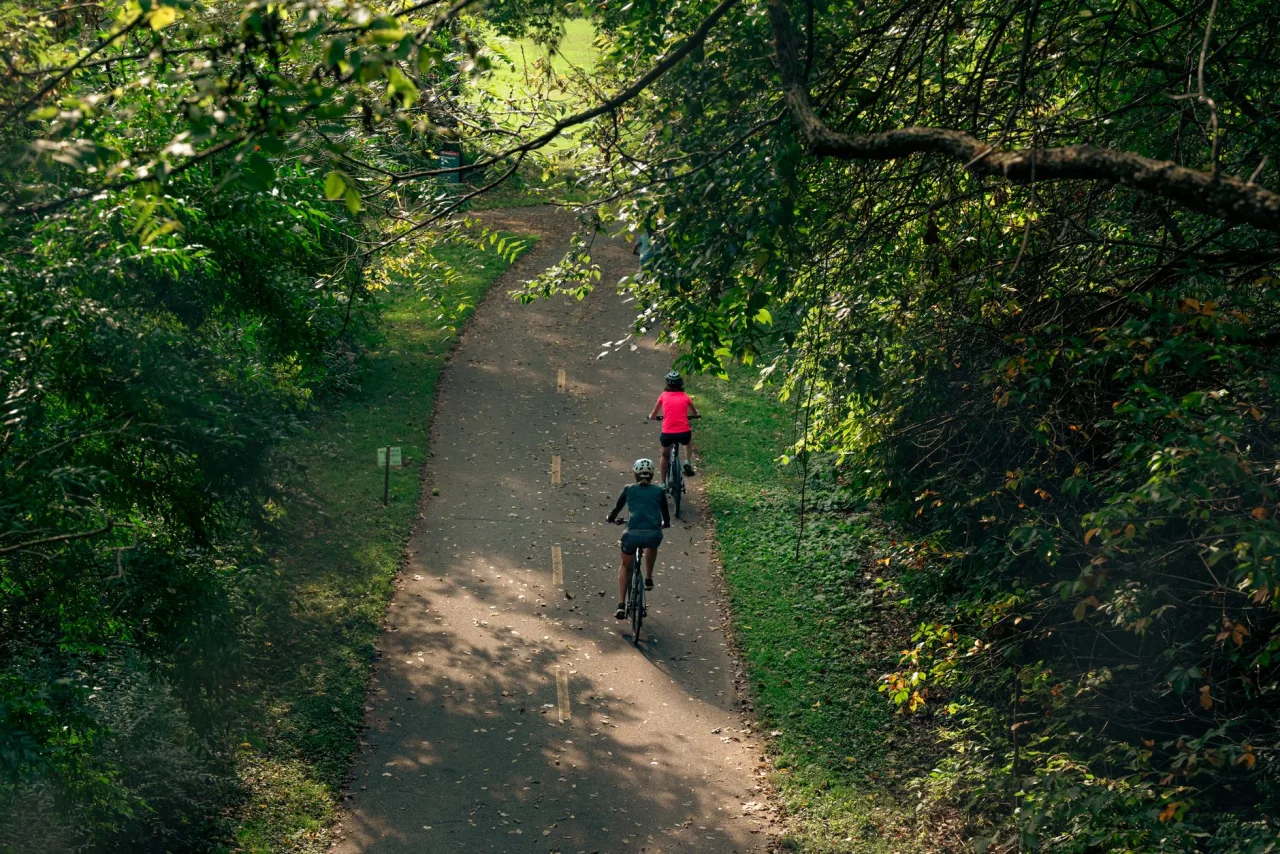
The single biggest factor in enjoying a trail is riding the right bike for its surface:
- Paved greenways and rail trails: almost any bike works, including hybrids, road bikes, and e-bikes.
- Gravel and doubletrack: a gravel bike or a hardtail mountain bike shines here.
- Technical singletrack: you want a proper mountain bike sized to the terrain, with appropriate tires and, on rougher trails, suspension.
If you are not sure what you have or what to buy for the trails near you, a local shop can point you to the right category and let you test ride.
Why a shop near the trailhead matters
Trails are where bikes break: a pinch flat, a bent derailleur, a snapped chain. A trusted shop near the trailhead is worth knowing before you need it, for:
- Emergency repairs that get you back riding the same day.
- Spares and consumables like tubes, CO2, chain links, and brake pads.
- Rentals and demos if you are visiting or want to try a bike before buying.
- Local knowledge about which trails are open, dry, and worth your time.
To find and vet one, our bike shop near me guide covers what separates a great shop from an average one, and bikes near me helps if you are shopping for a trail-capable bike.
What to bring on a trail ride
Even a short local ride goes better with a small kit. Pack:
- A properly fitted helmet. See our bike helmet guide for fit and standards.
- A spare tube or two, tire levers, a pump or CO2, and a multi-tool.
- Water and a snack for anything beyond a short loop.
- A phone, some ID, and a rough idea of the route and exits.
Our cycling gear guide covers the wider kit list, from gloves to lights, so you are ready for more than fair-weather laps.
Trail etiquette in one line
- Yield to walkers and horses, call out when passing, do not skid or cut corners, and ride only open, in-condition trails. Good etiquette keeps trails open for everyone.
E-bike and family-friendly trail options
Not every rider wants a technical challenge, and trails increasingly cater to that. If you ride an electric bike or you are introducing kids to cycling, look for these:
- Paved rail trails and greenways are perfect for e-bikes and young riders, with gentle grades and no traffic.
- Loop trails let you turn back easily and keep everyone within comfort range.
- Trails with amenities like parking, restrooms, and a cafe or shop at the trailhead make a family outing far easier.
- Shorter graded singletrack at bike parks gives newer riders a taste of trail riding safely.
Where electric bikes are concerned, always confirm local access rules first, since some natural-surface trails restrict motors even when paved paths welcome them. When in doubt, a local shop or the land manager's site has the current answer.
Staying safe on the trail
Trails are safer than roads in most respects, but they have their own hazards. A few habits keep your rides trouble-free:
- Tell someone your plan if you ride alone, especially on remote trails with poor signal.
- Ride within your limits, and scout unfamiliar features before committing to them.
- Carry the essentials: water, a repair kit, a phone, and a snack for longer loops.
- Watch for others: on multi-use trails, walkers and horses have priority, so slow down and announce yourself.
- Mind the weather and light, and turn back early rather than getting caught out.
Beginners do best building confidence on rail trails and green-rated routes before progressing to blue and beyond. There is no prize for riding above your level, and a bad early experience puts people off the sport. Progress at a pace that stays fun.
Frequently asked questions
How do I find bike trails near me?
Use trail and ride-mapping apps for routes, distances, and recent conditions, check city, county, state, and national park websites for official trails and closures, and ask local cycling clubs or shops which trails are worth the trip. Rail trails and urban greenways are great low-stress starting points close to home.
What do trail difficulty ratings mean?
Many trails use a color system like ski runs: green is easy and beginner friendly, blue is intermediate with some obstacles, black is advanced and technical, and double black is expert terrain. Ratings are set locally and vary between areas, so start below your expected level on an unfamiliar trail.
What kind of bike do I need for trails?
Match the bike to the surface. Almost any bike handles paved greenways and rail trails, a gravel bike or hardtail suits gravel and doubletrack, and technical singletrack calls for a proper mountain bike with suitable tires and, on rougher trails, suspension. A local shop can help you pick and test ride.
Can I ride trails after it rains?
Often you should not. Many trails close after heavy rain because riding them wet causes erosion and is less safe. Check the land manager's page or a trail app for current status before you go, and choose paved or well-drained routes when trails are wet.
Why should I know a bike shop near the trailhead?
Trails are where bikes break, so a trusted shop nearby is valuable for same-day emergency repairs, spares like tubes and brake pads, rentals or demos, and local knowledge about which trails are open and worth riding. Find one before you need it rather than mid-ride.
More guides on Bike Shops & Services (Local)
Have a question or a topic to suggest?
We read every message. Tell us what you would like to see next on the blog.
Get in touchYou may also like
Mountain Bike: The Complete Guide
Everything you need to choose a mountain bike: the main types, wheel sizes, key components, how to pick your first bike and the gear and care that keep it running.
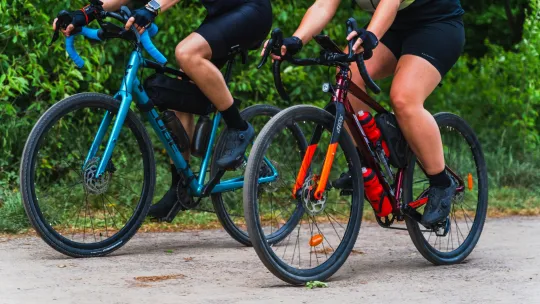
Gravel Bike: The Complete Guide
Everything a first-time buyer needs on gravel bikes: geometry, tyre clearance, frame materials, what they are used for and how much to spend.
Bike Shop Near Me: Find Trusted Shops
A practical guide to finding and vetting a good local bike shop: how to read reviews, what services should cost, and the questions that reveal a great mechanic.