Buyer's Guide
Best Bikes in 2026: Picks by Budget
Skip the fake leaderboards: how to match a bike to your riding and choose well at every price tier.
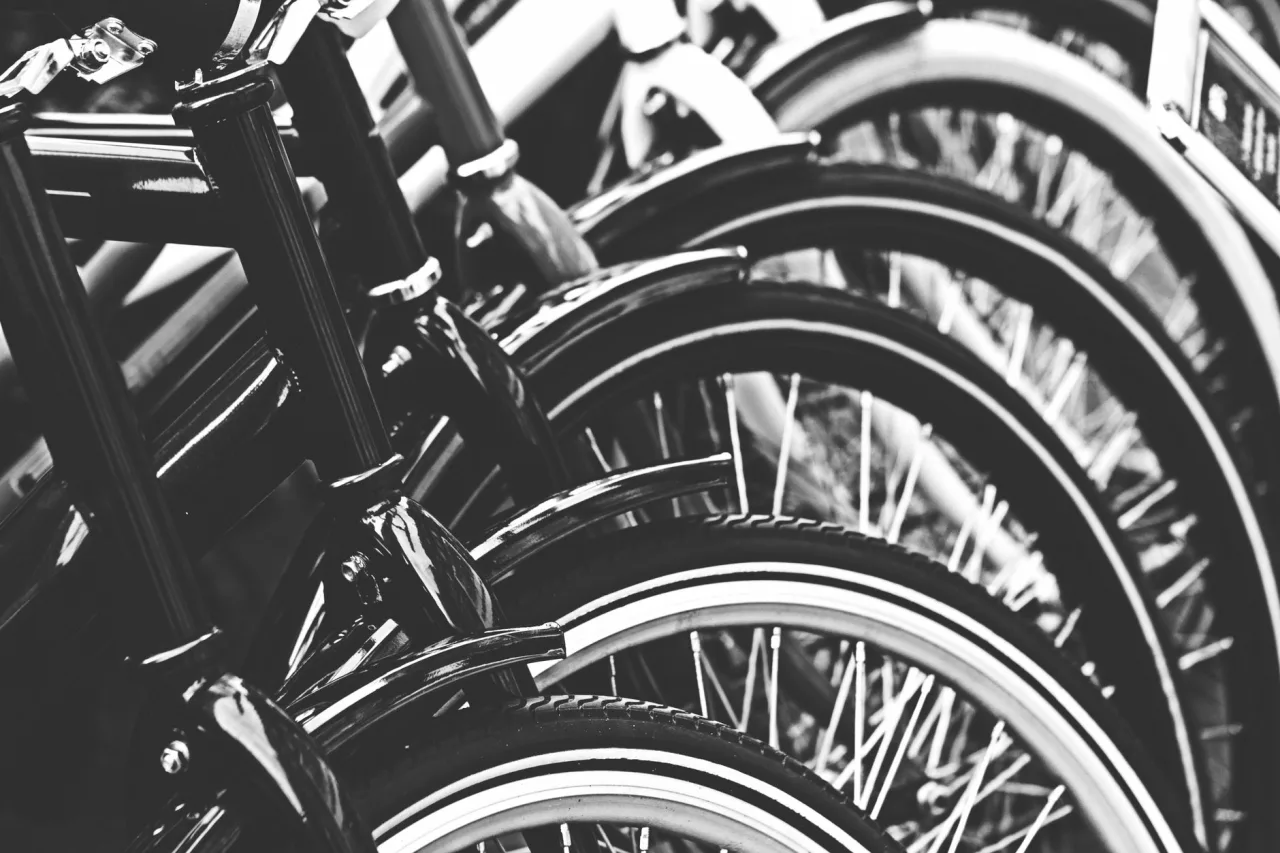
The best bike is not a single model, it is the bike that fits your riding, your body, and your budget. This guide skips fake leaderboards and instead gives you an honest framework: how to match a bike type to how you ride, what to expect at each price tier, and how to test before you buy. Where we mention cost, we use realistic ranges and tell you to confirm current pricing locally, because bike prices move with model years and components.
The short version
- Pick the type first, then the budget. A great road bike is useless if you actually need a commuter or a trail bike.
- Each price tier buys real upgrades: better frames, lighter wheels, and more reliable drivetrains and brakes as you spend more.
- Fit beats brand. The right size and a comfortable position matter more than any logo on the frame.
- Test ride before you commit, and confirm current prices with a local shop rather than trusting a figure quoted online.
Start with the type of bike, not the badge
The single most useful thing you can do before spending money is decide what kind of riding you will actually do. The best bike for daily commuting is different from the best bike for weekend trails, and neither is the best bike for long road miles. As the Wikipedia overview of bicycles lays out, the main categories exist because they solve different problems.
- Road bikes are fast and efficient on pavement, with drop bars and narrow tires. See our road bike guide for details.
- Mountain bikes handle dirt, rocks, and roots with suspension and grippy tires. Our mountain bike guide covers the sub-types.
- Gravel bikes split the difference for mixed surfaces, as our gravel bike guide explains.
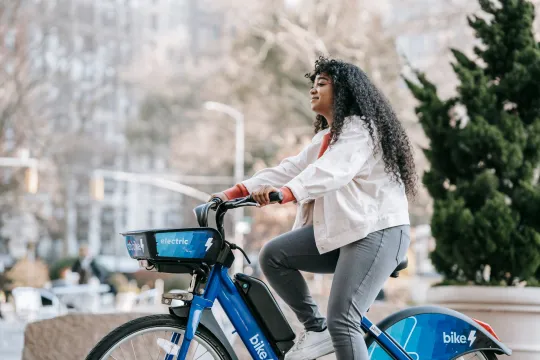
- Electric bikes add motor assistance for commuting, hills, and longer distances. Start with our electric bike guide.
- Kids' bikes follow their own sizing logic, covered in our kids' bikes guide.
Only after you know the category does budget become a useful filter. Buying a bargain of the wrong type is a false economy: you will not enjoy riding it, and you will end up buying again.
What each budget tier actually buys
Bicycle prices span an enormous range, and every step up buys tangible improvements rather than just a fancier name. These are broad, realistic bands, and actual prices vary by brand, model year, and region, so confirm current figures with a shop.
- Entry tier. Functional bikes for casual and short-distance riding. Expect heavier frames, basic components, and simpler brakes. Good enough to start, and fine for light use.
- Mid tier. The sweet spot for most riders. Lighter frames, more reliable drivetrains, better brakes, and enough quality to ride often without frustration.
- Upper tier. Noticeably lighter frames, higher-end components, and refinements that matter to enthusiasts and frequent riders.
- Premium tier. Top-end frames and parts, often carbon, aimed at performance, weight savings, and long-term durability. Our guide to the most expensive bikes explains what drives cost at the very top.
For most people, the mid tier delivers the best value: it is where reliability and ride quality improve sharply without the steep price of premium gear. For real numbers on where your money goes, our bicycle price guide breaks the bands down further.
Spend on the frame and fit, save on the cosmetics. A good frame and a proper fit last for years and can be upgraded. Flashy paint and marketing add-ons do not make you faster or more comfortable. When you are choosing between two bikes at the same price, favor the one that fits you better and has the more sensible components.
Best bikes for commuting
For getting to work or running errands, prioritize reliability, comfort, and practicality over speed. Hybrid and city bikes with upright positions, mounts for racks and fenders, and durable tires make the most sense. Many commuters also choose an electric bike to arrive without sweating or to flatten a hilly route. If that is you, weigh a value e-bike against a premium one using our Cannondale e-bike guide and Jetson electric bike guide, which sit at opposite ends of the price spectrum.
Best bikes for fitness and road riding
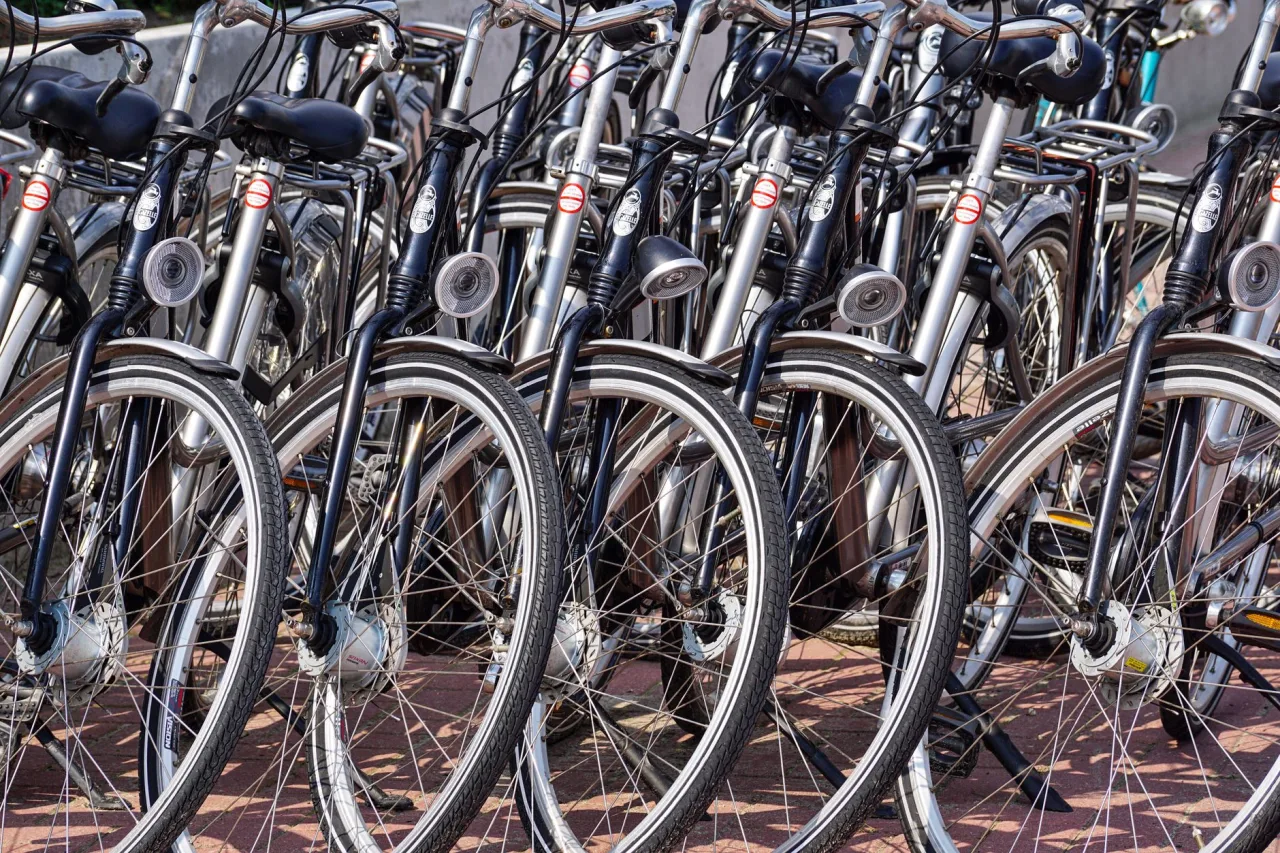
If your goal is fitness, distance, or speed on pavement, a road bike is the efficient choice. Look for a frame that fits your reach and flexibility, a drivetrain with a gearing range suited to your local terrain, and reliable brakes. Endurance road geometry is more comfortable for most riders than aggressive race geometry, and it is easier to enjoy for hours. Our road bike guide walks through the trade-offs in detail.
Best bikes for trails and off-road
For dirt, a mountain bike with appropriate suspension and tires is the answer. Hardtails (front suspension only) are lighter, simpler, and cheaper, and they teach good technique. Full-suspension bikes cost more but soak up rough terrain and boost control on descents. Match the bike to the trails you actually ride, not the most extreme terrain you can imagine. Our mountain bike guide helps you choose.
Common mistakes that waste money
Most bad bike purchases come from a handful of avoidable errors. Knowing them in advance protects your budget and saves you from buying twice.
- Buying on looks alone. A bike that catches your eye in a showroom may be the wrong type for your riding. Decide the category first, then look at styling.
- Ignoring fit to chase a deal. A discounted bike in the wrong size is not a bargain. Comfort and control come from correct sizing, not the sticker price.
- Overbuying capability you will never use. A full-suspension trail bike is wasted on flat commutes, and a race bike punishes casual riders. Match the bike to your real rides.
- Forgetting the running costs. Tires, tune-ups, and the occasional replacement part are part of ownership. A slightly cheaper bike with rare or fragile parts can cost more over time.
- Skipping the test ride. Two bikes with similar specs can feel completely different. Never buy a bike you have not ridden if you can avoid it.
Steering clear of these traps matters more than finding the single best model, because the right bike bought badly still disappoints. Patience and a clear sense of your own riding are your best tools.
How to test and choose your bike
Once you have narrowed to a type and a budget band, the final decision comes down to fit and feel. No spec sheet replaces a test ride. Use this process to choose well.
- Get the size right. Frame size and reach are the foundation. A shop can help you find your fit, and a well-fitting cheaper bike beats an ill-fitting expensive one.
- Test ride at least two options. Ride the bikes back to back on similar ground so you can feel the difference in handling and comfort.
- Check the contact points. Saddle, grips, and pedals are where comfort lives, and they are inexpensive to swap if needed.
- Factor in the extras. Budget for a helmet, a lock, lights, and a basic repair kit, and add them to your total cost.
- Confirm current pricing locally. Prices change, and shops can advise on last year's models or sales that beat online figures.
A good local shop is your best ally in this process, because staff can size you, let you test ride, and support the bike afterward. Our guide to finding a trusted local bike shop explains what to look for. If your budget is tight, a quality used bike can also be excellent value, as our second-hand bikes guide covers.
Do not skip safety gear in your budget. A certified helmet is the single most important accessory you will buy. Our helmet guide explains what to look for, and our bike lock guide covers protecting your investment.
Frequently asked questions
What is the best bike to buy?
There is no single best bike. The best bike for you is the one that matches how you ride, fits your body, and suits your budget. Decide whether you need a road, mountain, hybrid, or electric bike first, then choose within a price band, and test ride before you commit. Fit and bike type matter far more than brand.
How much should I spend on a good bike?
For most riders, the mid price tier offers the best value, because that is where frame quality, drivetrain reliability, and brakes improve sharply without premium pricing. Exact amounts vary by type and region, so we do not quote fixed figures. Set a budget, include safety gear and accessories, and confirm current prices with a local shop.
Are more expensive bikes actually better?
Up to a point, yes: higher prices generally buy lighter frames, better components, and more reliable brakes and drivetrains. Beyond the mid tier, the gains become smaller and more specialized, aimed at enthusiasts chasing weight and performance. For casual and commuting use, a well-chosen mid-tier bike is usually all you need.
Should I buy a new or used bike?
Both can be smart. A new bike comes with a warranty and shop support, while a quality used bike can stretch your budget much further. If you buy used, inspect the frame, drivetrain, and brakes carefully, or have a shop check it. Our second-hand bikes guide walks through what to look for.
Where should I buy my bike?
A trusted local bike shop is the best place for most buyers because staff can size you, let you test ride, and service the bike afterward. Online can offer lower prices but leaves assembly and support to you. Whichever you choose, prioritize correct fit and a bike you have actually ridden.
More guides on Buying Guides & Prices
Have a question or a topic to suggest?
We read every message. Tell us what you would like to see next on the blog.
Get in touchYou may also like
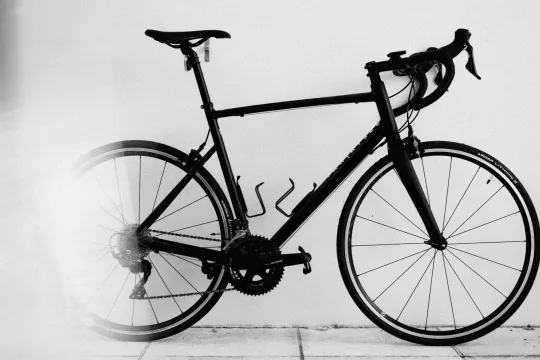
Road Bike: The Complete Guide
Choose the right road bike with confidence: the main types, frame materials, components that matter, why fit beats everything, and how much to sensibly spend.

Mountain Bike: The Complete Guide
Everything you need to choose a mountain bike: the main types, wheel sizes, key components, how to pick your first bike and the gear and care that keep it running.
Electric Bike: The Complete Guide
Everything you need before buying an e-bike: how the motor and classes work, hub versus mid-drive, battery range, the main types, and what a good electric bike really costs.