Used Bikes · Buying Guides & Prices
Second Hand Bikes: Complete Guide
Where to look, how to inspect, used e-bike battery checks and avoiding stolen bikes.
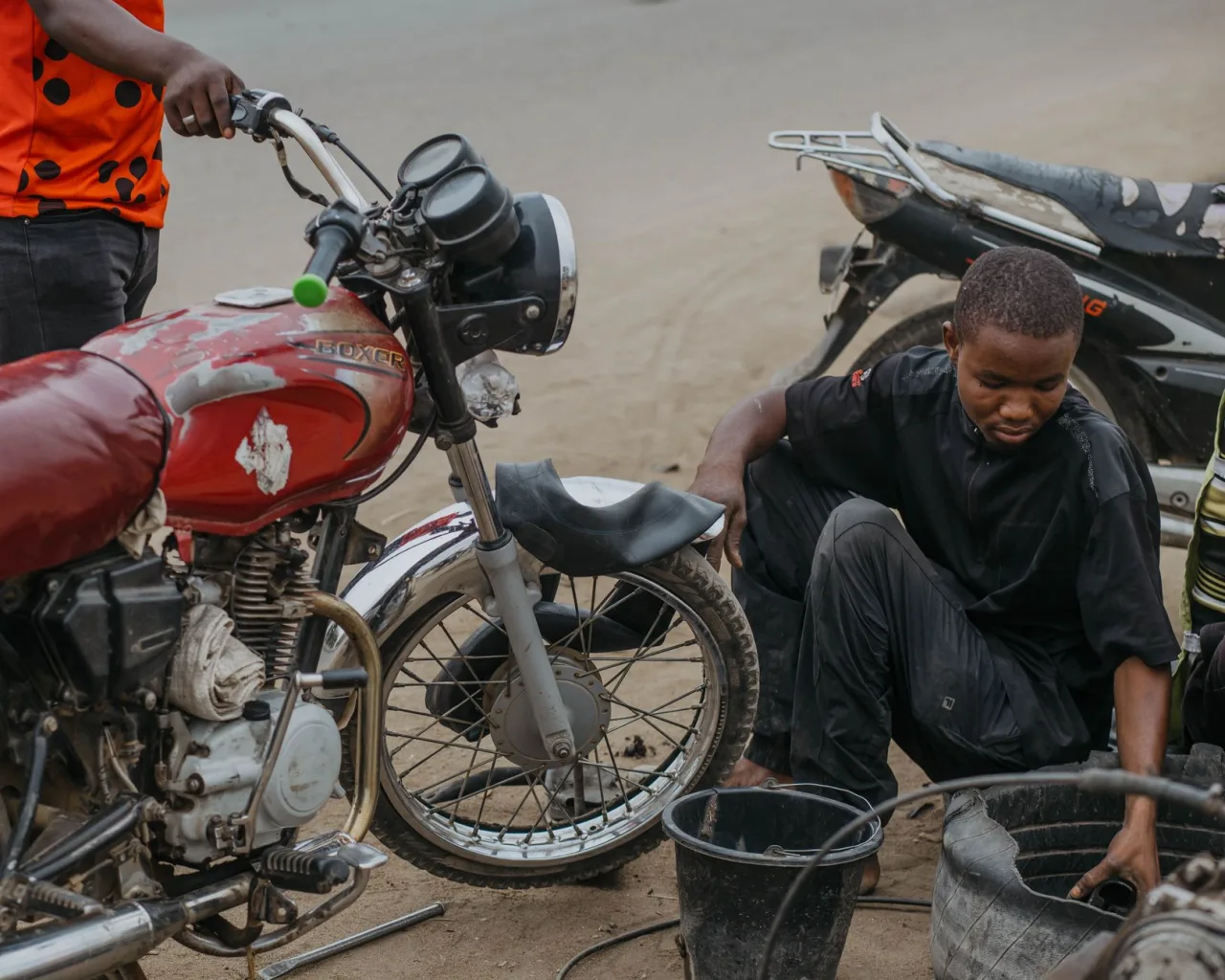
Buying a second hand bike is one of the smartest ways to get more bike for your money, since most bikes lose a big share of their value in the first year or two. The trick is knowing how to spot a good one, avoid stolen or worn-out machines, and judge a fair price. This guide is a complete, practical framework for buying used with confidence.
The short version
- Used bikes offer excellent value because depreciation is steepest early. A lightly used bike can cost far less than new for similar quality.
- Inspect the frame, drivetrain, wheels and brakes carefully. Cosmetic wear is fine, but cracks and heavy component wear are not.
- For used e-bikes, battery health is the single most important and most expensive factor to check.
- Verify the bike is not stolen, get any receipts, and test ride before you pay. Prices vary widely, so research the fair range first.
Why buy a second hand bike
The main reason is value. Bikes depreciate quickly, so a well-maintained used bike often delivers a much higher spec than a new bike at the same price. That can mean better brakes, a nicer frame or lighter components than your budget would otherwise reach. Buying used is also more sustainable, keeping a serviceable bike in use rather than buying new.
The trade-off is that you take on more responsibility. There is no warranty on a private sale, and you are relying on your own inspection. That is very manageable with a clear checklist, which is what the rest of this guide provides. For context on how used prices compare with new, see our bicycle price breakdown.
Where to find used bikes
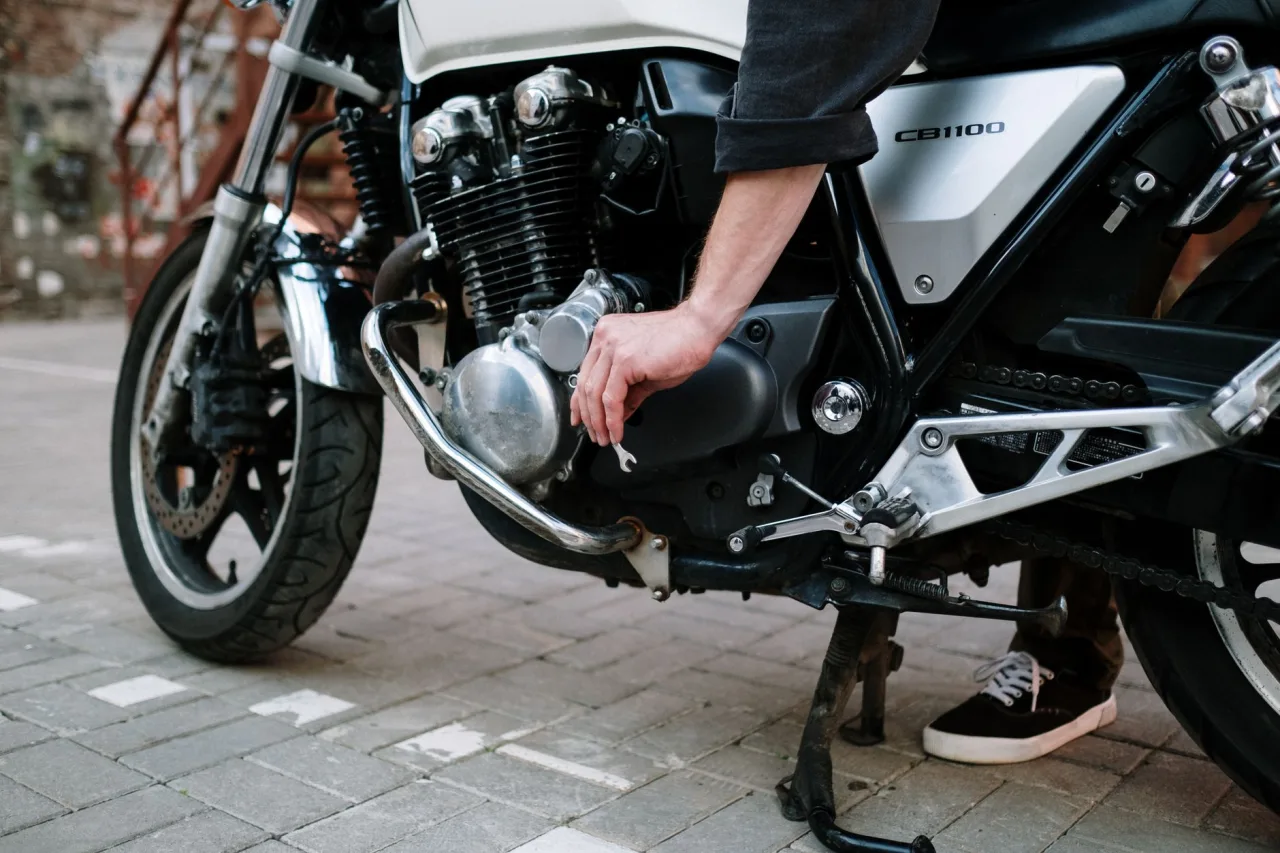
Different sources offer different balances of price, choice and safety. Knowing the trade-offs helps you shop in the right place for your comfort level.
- Local bike shops: many sell trade-ins or refurbished bikes, sometimes with a short warranty and a professional check. The safest option, at a slightly higher price.
- Online marketplaces: the widest choice and often the lowest prices, but the highest risk. Inspect in person and be alert to scams and stolen bikes.
- Cycling clubs and community boards: enthusiasts often sell well-maintained bikes and can be a trustworthy source.
- Auctions and police recovered sales: occasional bargains, but usually sold as seen with no chance to test.
Wherever you buy, a good local shop can help by servicing or checking a used bike after purchase. Our guide on how to find a trusted local bike shop explains how to choose a dealer who will support you.
How to inspect a used bike
A methodical inspection is your best protection. Work through the bike from frame to fasteners, and do not rush. Cosmetic scratches are normal and often good for negotiation, but structural and safety problems are deal-breakers.
- Frame: check carefully for cracks, dents and corrosion, especially around welds and the joints. On carbon frames, any crack is a serious concern.
- Drivetrain: a worn chain, cassette and chainrings are consumables but add up. Look for hooked, shark-fin teeth and a stretched chain.
- Wheels: spin each wheel to check it runs true, and check for loose spokes and worn braking surfaces or rotors.
- Brakes: test that they engage firmly and evenly, and check pad wear.
- Bearings: rock the wheels and cranks to feel for play, and turn the headset for smoothness.
- Tyres: inspect for cracking and worn tread, which are cheap to replace but useful in negotiation.
Warning: Never skip the test ride. Ride the bike, shift through every gear, and brake firmly. Noises, poor shifting, or a frame that feels flexy or odd under load can reveal problems an eyeball inspection misses. If a seller refuses a test ride, walk away.
Buying a used electric bike
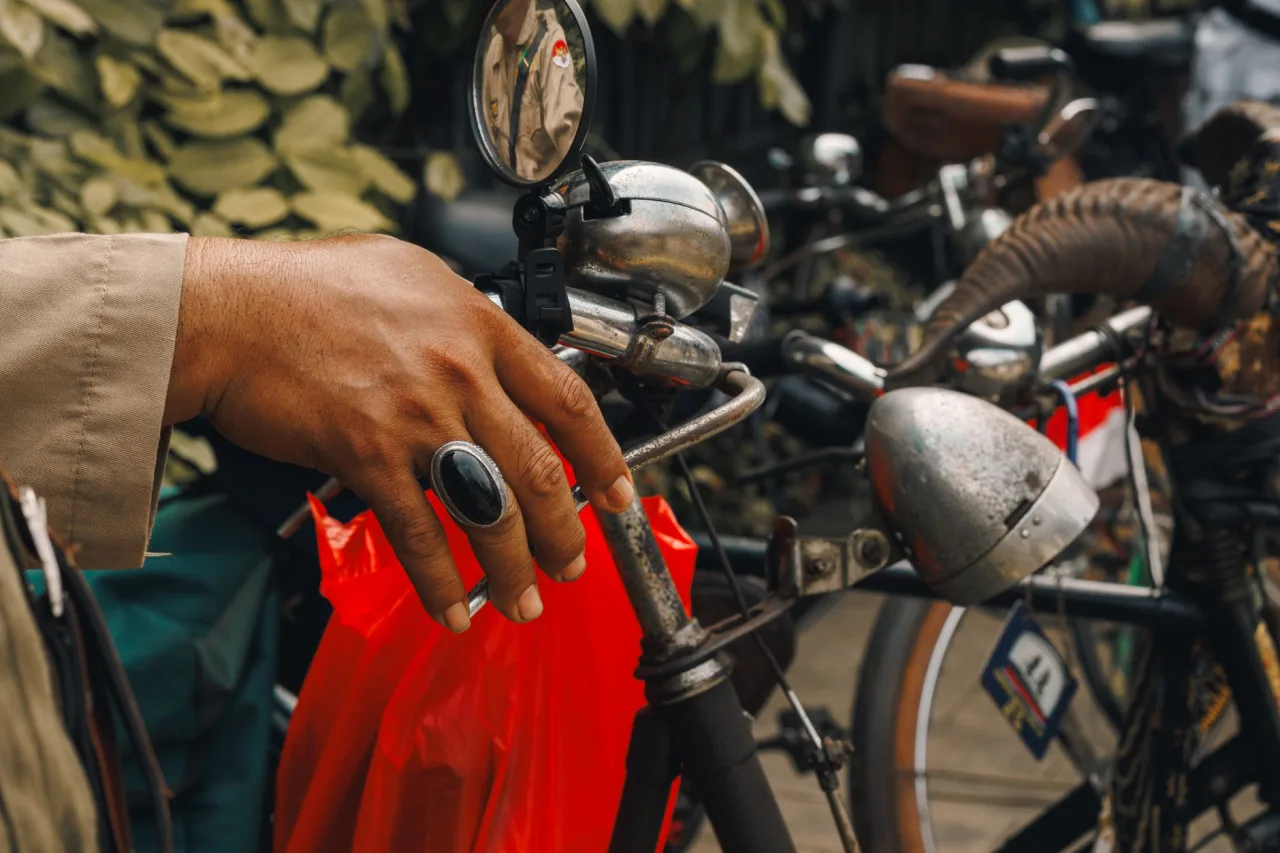
Used e-bikes deserve special care because the battery, the most expensive component, ages over time regardless of use. A cheap used e-bike with a worn battery can end up costing more than a new one once you factor in a replacement pack.
- Battery age and cycles: ask how old the battery is and roughly how many charge cycles it has done.
- Real-world range: confirm it still holds close to its original range rather than a fraction of it.
- Motor behaviour: test each assist level for smooth, consistent power.
- Parts availability: proprietary batteries and displays can be costly or impossible to replace.
Our electric bike price guide covers battery costs and depreciation in more detail, which is essential reading before buying any used e-bike.
Avoiding stolen bikes and scams
Buying a stolen bike is both a legal risk and an ethical one, and it fuels bicycle theft. A few sensible steps protect you and the wider cycling community.
- Ask for proof of ownership such as the original receipt, and note the frame number.
- Be wary of prices that seem too good, especially for high-end bikes sold in a hurry with no history.
- Check the frame number against any local stolen-bike registries where available.
- Meet in a safe, public place and be cautious of sellers who avoid questions about the bike's history.
As Wikipedia's bicycle overview notes, more than one hundred million bikes are made each year, so there is always a healthy supply of legitimate used stock. There is no need to rush into a suspicious deal.
Negotiating a fair price
Used prices are rarely fixed, so a little preparation gives you room to negotiate confidently and fairly.
- Research the model. Know what the bike sold for new and what similar used examples fetch now.
- Price in the work needed. Worn tyres, a stretched chain or new brake pads are legitimate reasons to adjust the price.
- Make a calm, evidence-based offer. Point to specific wear rather than haggling for its own sake.
- Factor in a service. Budget for a shop check-over after buying, and include it in your total cost.
Once you own the bike, protect your investment. A strong lock is essential, as covered in our bike lock guide. If you decide a used bike is not for you after all, our buy cycle guide and new bike guide walk through buying fresh instead.
Is a used bike right for you
A second hand bike suits confident buyers who value getting more for their money and are willing to inspect carefully or pay a shop to check the bike over. If you want a warranty, the latest technology and full peace of mind, buying new or a shop-refurbished bike may suit you better. Either way, matching the bike to your riding and your budget matters more than new versus used. For the full range of options, our complete bike guide gives the wider picture.
Frequently asked questions
Is it safe to buy a second hand bike?
Yes, provided you inspect it carefully and buy from a reasonable source. Check the frame for cracks, test the drivetrain, wheels and brakes, and always take a test ride. Buying from a bike shop or a cycling club adds security, while private sales offer lower prices in exchange for more responsibility on your part.
What should I check before buying a used bike?
Inspect the frame for cracks and corrosion, check the drivetrain and brakes for wear, spin the wheels to confirm they run true, and feel the bearings for play. Take a test ride and shift through every gear. On a used e-bike, battery health is the most important and most expensive factor to verify.
How can I avoid buying a stolen bike?
Ask for proof of ownership such as the original receipt, note and check the frame number against local stolen-bike registries where available, and be wary of high-end bikes sold cheaply in a hurry with no history. Meet in a safe public place and avoid sellers who dodge questions about the bike.
How much can I save buying used instead of new?
Savings vary by model and condition, but because bikes depreciate fastest in the first year or two, a lightly used bike can cost far less than new for similar quality. Research what the model sold for new and what similar used examples fetch now to judge a fair price for your area.
Are used electric bikes worth buying?
They can be, since e-bikes depreciate quickly, but the battery is the key risk because it ages over time and is expensive to replace. Confirm the battery's age, charge cycles and current range, test the motor, and check parts availability before buying. Factor any battery replacement cost into the price.
More guides on Buying Guides & Prices
Have a question or a topic to suggest?
We read every message. Tell us what you would like to see next on the blog.
Get in touchYou may also like
Bicycle Price in 2026: Real Ranges
A bicycle can cost less than a nice dinner or more than a used car, and both extremes are sold in the same shop. The trick to spending well is understanding what actually drives the price
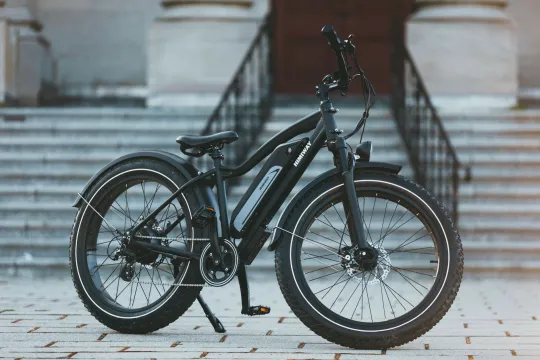
Electric Bike Price: Real Numbers 2026
A clear-eyed breakdown of electric bike prices in 2026: realistic price tiers, what the battery and motor really cost, new versus used, depreciation and how to avoid overpaying.
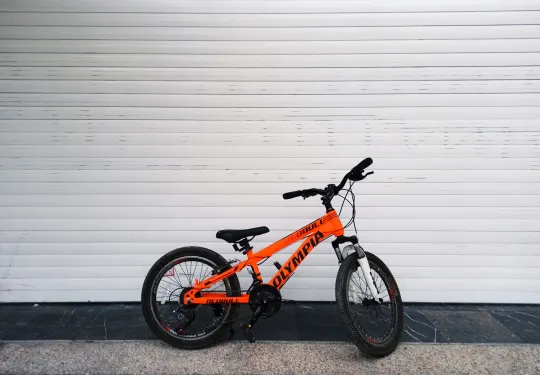
Buy a Cycle: The Complete Guide
Everything you need to buy the right bike: matching type to your riding, setting a budget, new versus used, getting the fit right, and what to check before paying.