High-Power Bikes · Electric Bikes
Xtreme Bike: The Complete Guide
From electric MTBs to light dirt bikes: the honest spectrum, the specs that matter, and how to choose.
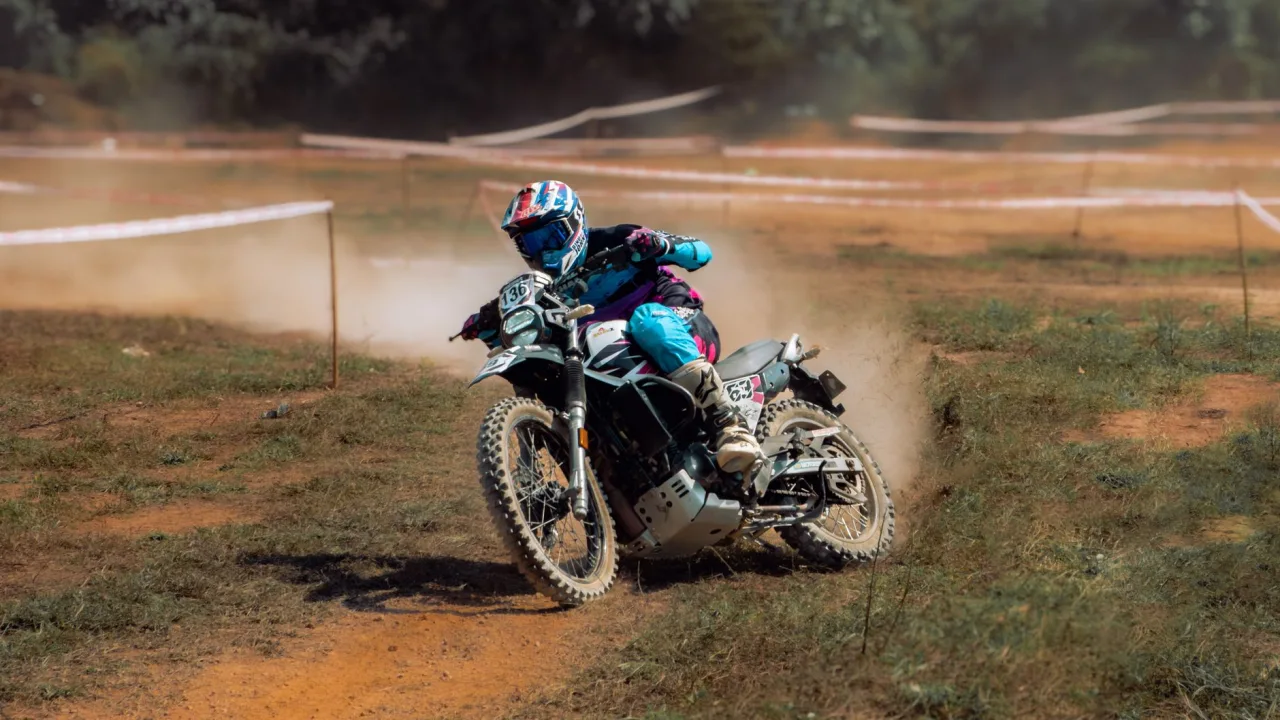
"Xtreme bike" is less a single product than a category mindset: high-power, rugged, off-road-capable machines built to go faster and further than an ordinary bicycle. This guide cuts through the marketing to explain what an extreme bike really is, the honest trade-offs, what to look for, and how to choose one without buying more machine than you can safely handle.
The short version
- "Xtreme bike" usually points to high-power electric off-road machines, from potent electric mountain bikes to light electric dirt bikes.
- The more power and speed a bike has, the more it moves out of bicycle law and into motorcycle territory. Know which side you are buying.
- Judge these bikes on motor type, battery capacity, suspension, brakes, and build quality, not on horsepower claims alone.
- Prices span a wide range depending on how close the machine sits to a true dirt bike. Confirm current pricing with a dealer.
What people mean by an extreme bike
The phrase gets stretched across everything from an aggressive electric mountain bike to a machine that is really a light electric motorcycle. What they share is intent: they are built for hard terrain, steep climbs, and speed rather than gentle commuting. When shopping, the most useful question is not "how extreme is it" but "where does this specific bike fall on the line between bicycle and motorcycle." That single distinction drives the price, the legality, and the gear you need.
If you want the calmer end of electric riding, our electric cycle guide is the better place to start. This page is about the machines that prioritize capability over convenience.
The spectrum, from trail bike to dirt bike
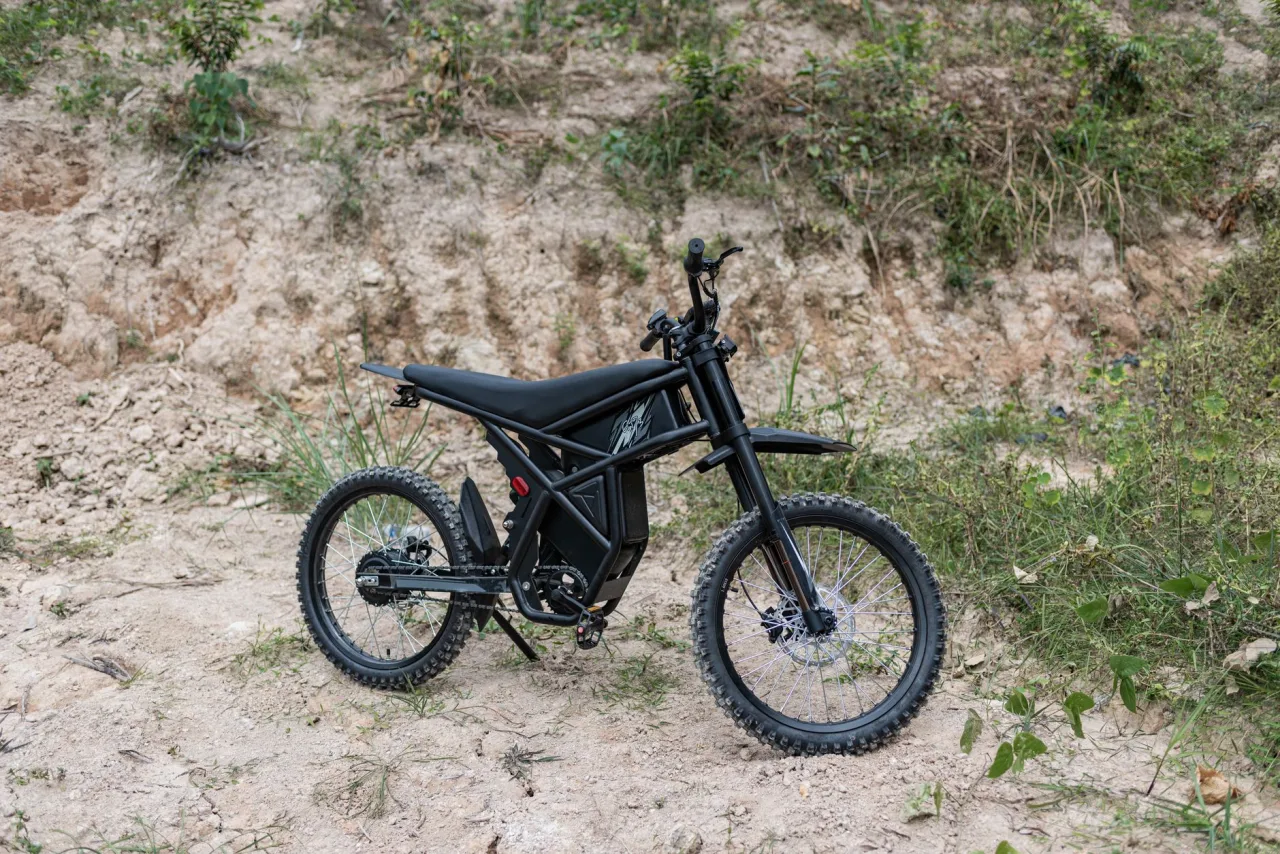
It helps to picture a spectrum rather than a category.
- High-power electric mountain bikes: pedal-assist machines with strong mid-drive motors and real suspension. They keep trail access in many areas and reward fitness while flattening climbs. See our electric MTB guide for this end.
- Crossover off-roaders: throttle-driven machines that blur the line, faster and heavier than a bicycle but not quite a motorcycle.
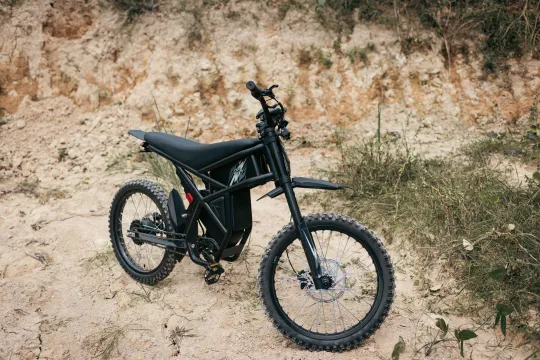
- Light electric dirt bikes: machines like the Sur-Ron that are functionally small motorcycles. Enormous fun, but legally and practically a different animal.
Deciding where on this spectrum you want to sit is the single most important buying decision, because it determines whether you can ride on trails, what you must wear, and how much responsibility you take on.
Why electric suits extreme riding
Electric drivetrains are genuinely well matched to hard off-road use. As Wikipedia's electric motorcycle overview notes, electric machines produce full torque instantly and without a clutch, which is a huge advantage on technical climbs, and they do not lose power at altitude in thin air the way combustion engines do. They are also mechanically simpler, with fewer moving parts to service. Those traits explain why so many "extreme" bikes are electric rather than gas.
Tip: ignore the headline power number in isolation. Peak wattage sells bikes but tells you little about real-world feel. A well-tuned mid-drive with good software can outclimb a higher-rated hub motor. Suspension quality, brake power, and controller tuning matter as much as the motor spec.
What to actually look for
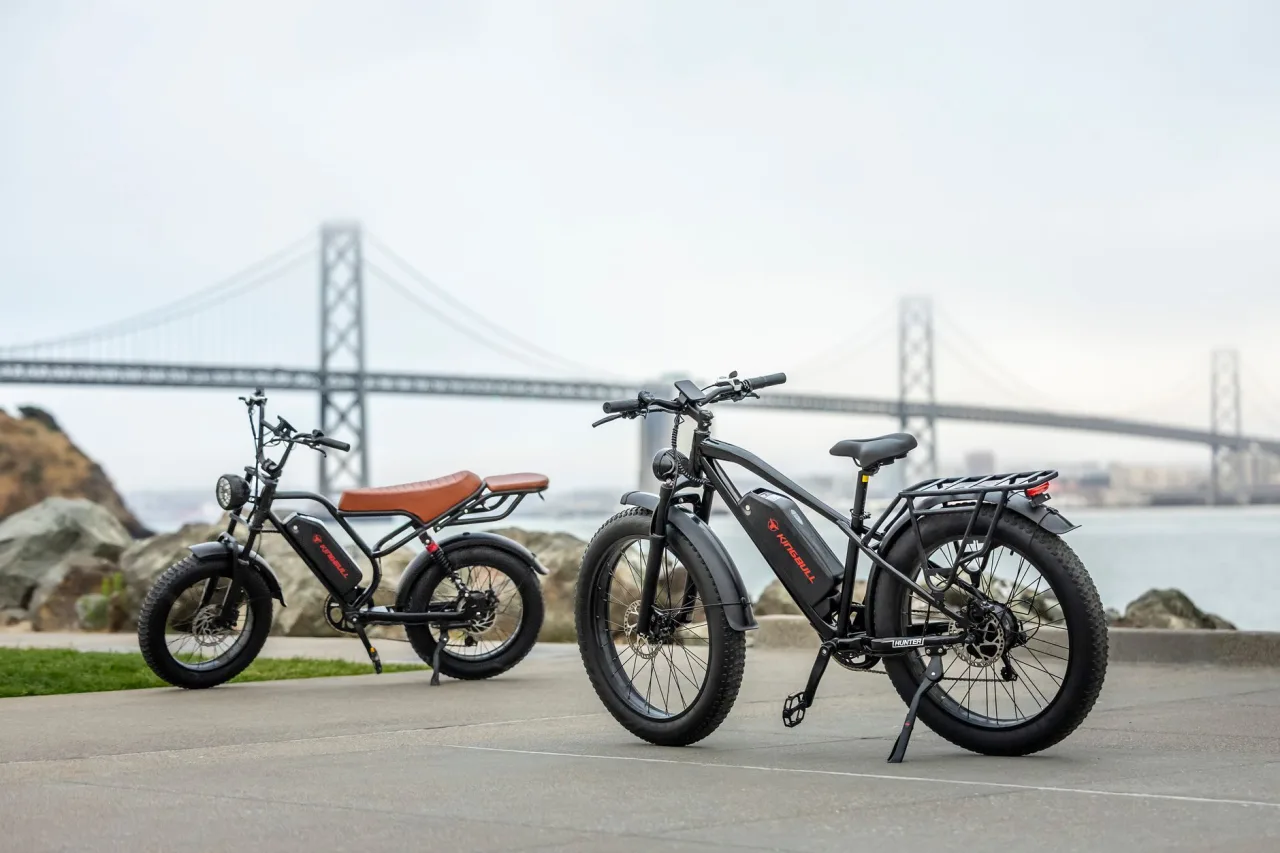
Score any extreme bike on these fundamentals rather than the brochure adjectives.
- Motor type and placement. Mid-drive motors climb better and handle better because they drive through the gears. Hub motors are simpler and cheaper but less capable on steep, technical ground.
- Battery capacity. Measured in watt-hours, this sets your range. Hard off-road riding drains a pack fast, so more capacity buys real ride time, at the cost of weight.
- Suspension. Serious terrain demands quality front, and ideally rear, suspension with usable travel. Cheap forks turn rough trails into punishment.
- Brakes. Hydraulic disc brakes with large rotors are essential. A fast, heavy machine needs stopping power to match.
- Build quality. Frame, bearings, and electronics take abuse off-road. A reputable brand with parts support beats a cheaper unknown that you cannot get serviced.
Legality is the trap
The faster and more powerful the machine, the more likely it falls outside bicycle law. A pedal-assist electric mountain bike is often welcome on trails, while a light electric dirt bike usually is not street legal and belongs on private land or legal off-road areas. Riding a motorcycle-class machine where only bicycles are allowed can mean fines or confiscation. Before you buy, decide honestly where you will ride and check your local rules, because the answer shapes which end of the spectrum is right for you.
Gear up properly
Protection should scale with speed. A trail-focused electric mountain bike can be ridden in a good open-face or trail helmet with knee pads. A dirt-bike-class machine calls for a full-face helmet, goggles, body armor, and boots. Do not carry commuter-grade gear onto a machine that does motorcycle speeds. Our cycling gear guide covers the basics, and for the faster machines you should lean toward the heavier options in every category.
Warning: match the machine to your skill. Instant electric torque is unforgiving for beginners. If you are new to off-road riding, start lower on the power spectrum and build skill before stepping up. The most capable bike is useless, and dangerous, if it outpaces the rider.
How to choose without regret
Start from where and how you will ride, then work backward to the machine. If you want fitness and trail access, a strong electric mountain bike is likely the sweet spot. If you crave raw speed on private land and accept the legal and safety load, a dirt-bike-class model delivers. Test ride whenever you can, buy from a seller who can service and supply parts, and be honest about your skill level. The buyers who regret their purchase are almost always the ones who bought more machine than they could ride.
Frequently asked questions
What is an "Xtreme bike"?
It is a loose label for high-power, rugged, off-road-capable bikes, ranging from aggressive electric mountain bikes to light electric dirt bikes. There is no single official product by that name, so the important thing is to identify where a specific machine sits between a bicycle and a motorcycle.
Are extreme bikes street legal?
It depends on power and local law. Pedal-assist electric mountain bikes are often legal on roads and trails, while dirt-bike-class machines usually are not street legal and are meant for private land or legal off-road areas. Always check your local regulations before buying.
How much does an extreme bike cost?
Prices span a wide range. Capable electric mountain bikes cost less than light electric dirt bikes, which climb well into the four figures and beyond. Pricing varies by brand, spec, and market, so confirm current numbers with a dealer rather than trusting old listings.
Do I need a full-face helmet for an extreme bike?
For faster, dirt-bike-class machines, yes, a full-face helmet plus goggles, body armor, and boots is the sensible standard. For a trail-focused electric mountain bike, a quality trail helmet with knee pads is often adequate. Scale your protection to the speed you will actually ride.
Is an extreme bike good for beginners?
The most powerful models are not. Instant electric torque and high speed punish inexperience. Beginners are better served starting lower on the power spectrum, building handling skill, and stepping up only once they can control the machine confidently.
More guides on Electric Bikes
Have a question or a topic to suggest?
We read every message. Tell us what you would like to see next on the blog.
Get in touchYou may also like

Sur-Ron E-Bike: The Complete Guide
The Sur-Ron sits between a bicycle and a motorcycle. Here is what it really is, the main models, what it costs, and the legal and safety realities.
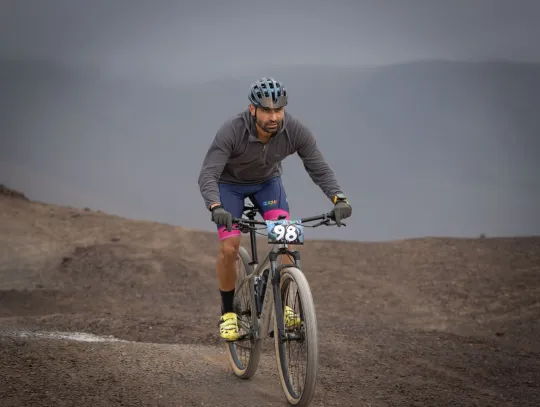
Electric MTB: The Complete Guide
An electric MTB extends your legs, not replaces them. Learn the motor types, e-bike classes, suspension, battery range, and how to pick the right trail eMTB.
Electric Dirt Bike: Complete Guide
An honest guide to electric dirt bikes: why they are motorcycles not e-bikes, how they work, the legal reality, leading models and safe buying advice.