Off-Road Power · Electric Bikes
Sur-Ron E-Bike: The Complete Guide
Models, pricing, legality, and safety for the high-power electric machine that only looks like a bicycle.

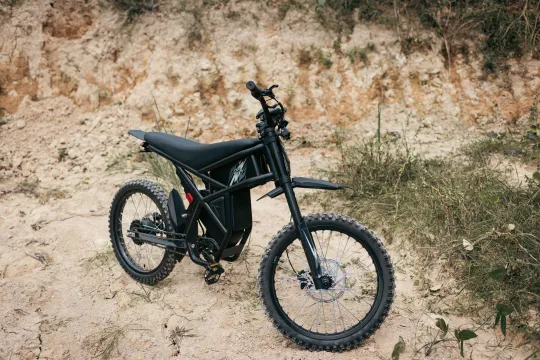
The Sur-Ron sits in a strange, thrilling gap between a bicycle and a motorcycle. It has pedals on some models and the silhouette of a mountain bike, but the power, weight, and speed put it far closer to a light electric dirt bike. This guide explains what a Sur-Ron actually is, the main models, what it costs, and the legal and safety realities before you buy.
The short version
- Sur-Ron is a brand of high-power electric off-road machines, not a pedal-assist commuter e-bike. Treat it as a light electric motorcycle.
- The best known model is the Light Bee, a lightweight electric off-roader that has become a template for the whole category.
- Because of the power and speed, these are generally not street legal as bicycles and belong on private land or legal off-road areas.
- Prices sit in the mid four figures and up, and vary by model, market, and dealer. Confirm current pricing locally.
What a Sur-Ron actually is
Sur-Ron builds electric machines that look bicycle-adjacent but perform like small dirt bikes. The company's own Sur-Ron USA site describes the flagship Light Bee as a lightweight electric motorcycle built by a team of motorcycle engineers, with pricing that starts in the mid four figures. That framing matters: the word "e-bike" in the name causes endless confusion, but a Sur-Ron does not ride, register, or belong on a bike path like a pedelec.
If you arrived here expecting a pedal-assist commuter, our electric cycle guide is the better starting point. Sur-Ron is the far end of the electric spectrum, where the machine stops pretending to be a bicycle.
Why the category exists
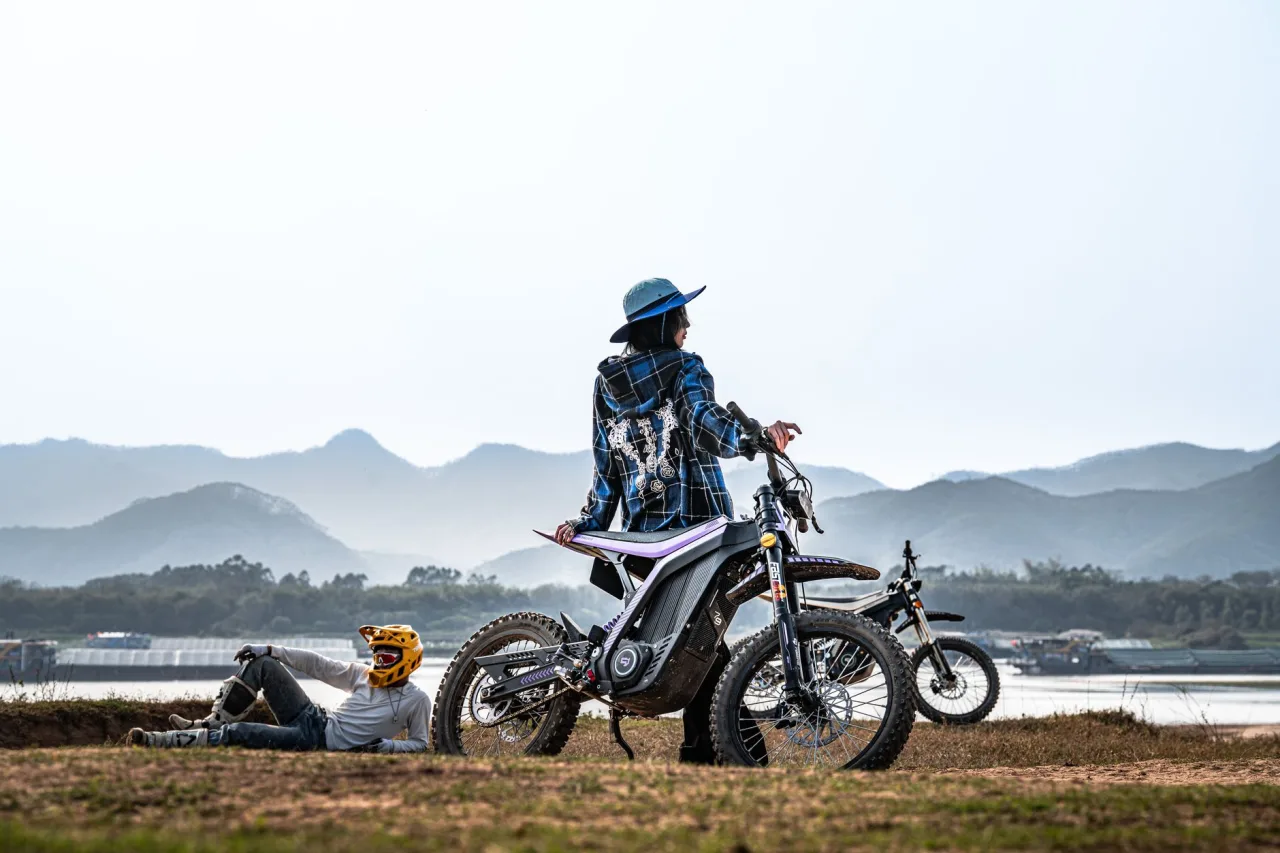
Electric drivetrains suit off-road riding remarkably well. As Wikipedia's electric motorcycle overview explains, electric machines deliver full torque immediately and without a clutch, so power is instantly available, and they do not lose output at altitude the way combustion engines do in thin air. They are also mechanically simple, with a battery, motor, and controller rather than an engine full of moving parts, which makes them relatively easy to maintain. Sur-Ron built a whole product around those advantages.
The main models
Sur-Ron's lineup has grown, but a few names anchor the range. Specifications change by model year and market, so verify details with a dealer before buying.
- Light Bee: the lightweight original. It set the template for the trail-focused electric off-roader and remains the model most people picture when they hear "Sur-Ron."
- Storm Bee: a larger, more powerful full-size electric dirt bike aimed at riders who want more than the Light Bee delivers.
- Ultra Bee: a newer full-size model positioned above the Light Bee with updated electronics and more capability.
Because model availability and exact specs differ between regions, treat any spec sheet you see online as a starting point and confirm the current version with an authorized seller.
Tip: buy from an authorized dealer, not a gray-market listing. High-power electric machines depend on the controller, battery, and charger being genuine and matched. Parts support, warranty, and battery replacement are far easier through an official channel, and a mismatched charger on a large lithium pack is a serious fire risk.
Power, weight, and how it rides
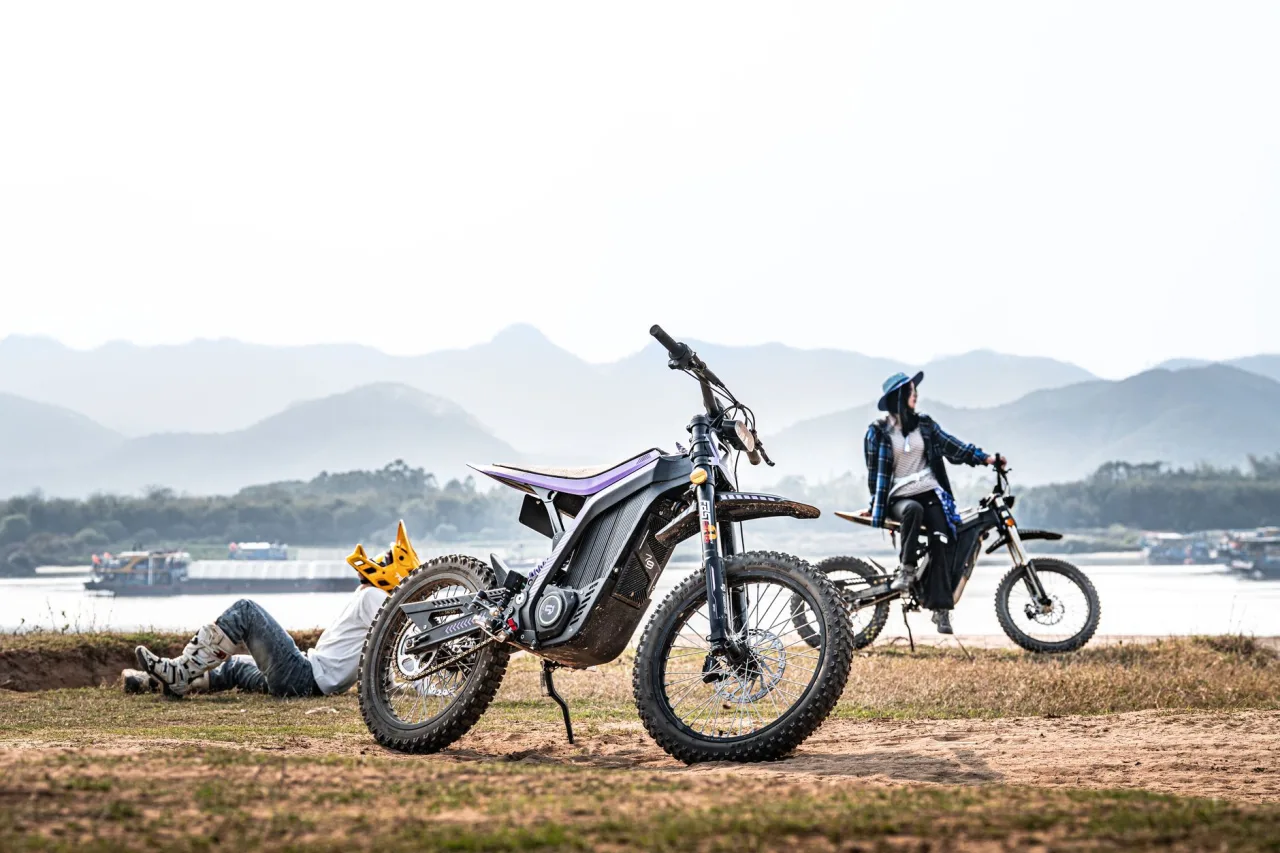
A Sur-Ron accelerates hard from a standstill because electric motors make peak torque instantly. The Light Bee is light for its class, which makes it flickable on trails and manageable for riders stepping up from mountain bikes. That said, "light for a dirt bike" still means significantly heavier than a pedal bicycle, and the speed is in a different league. Riders who treat it like a bicycle get caught out fast.
Range depends on battery capacity, terrain, throttle discipline, and rider weight, and hard off-road use drains a pack quickly. Plan rides around realistic range rather than the best-case number, and carry a plan for getting home if the battery runs low.
Where you can legally ride
This is the part people skip and regret. A Sur-Ron's power and speed generally place it outside the legal definition of a bicycle, and often outside street-legal categories too, unless a specific model is homologated for road use in your country. In practice that means:
- Private land where you have permission is the safest bet.
- Legal off-highway vehicle areas and motocross tracks are designed for this kind of machine.
- Public roads, bike paths, and shared-use trails are usually off limits, and riding there can bring fines or confiscation.
Rules vary widely by country, state, and even municipality, so check local regulations before your first ride. The legal picture for high-power machines is stricter than for the pedal-assist bikes covered in our electric dirt bike guide.
Safety gear is not optional
At Sur-Ron speeds, bicycle-grade protection is not enough. Riders typically wear motorcycle or serious mountain bike gear: a full-face helmet, goggles, gloves, knee and elbow protection, and sturdy boots. The physics are closer to a motorcycle than a bicycle, so the gear should be too. Our cycling gear guide covers the fundamentals, but for a machine this fast, lean toward the heavier end of every category.
Warning: respect the battery. Large lithium-ion packs store a lot of energy. Charge with the genuine charger, avoid charging unattended in living spaces, never ride or charge a physically damaged pack, and store it at moderate temperature and partial charge. A compromised pack is a fire hazard, not just a warranty issue.
Sur-Ron versus the alternatives
If you want trail thrills but the legal and safety demands of a Sur-Ron feel like too much, there are gentler steps down. A powerful pedal-assist electric mountain bike keeps trail access in many areas while still flattening climbs. The Xtreme bike guide covers the broader field of high-performance off-road electric machines, and helps you place the Sur-Ron against its rivals. Choosing between them comes down to how much speed, weight, and legal responsibility you actually want.
Frequently asked questions
Is a Sur-Ron a bicycle or a motorcycle?
Functionally it is a light electric motorcycle, even though some models have pedals and a bicycle-like frame. The power, weight, and speed put it well beyond what most laws define as a bicycle, which is why it usually cannot be ridden on bike paths or registered as a pedelec.
Is the Sur-Ron street legal?
Generally not, unless a specific model is homologated for road use in your market. Most Sur-Ron machines are intended for private land and legal off-road areas. Always check local regulations, because rules differ sharply between countries and regions.
How much does a Sur-Ron cost?
Pricing sits in the mid four figures and up, and varies by model, market, and dealer. The Light Bee is the entry point, with larger models like the Storm Bee and Ultra Bee costing more. Confirm current pricing with an authorized dealer rather than relying on old listings.
How far can a Sur-Ron go on a charge?
It depends heavily on the model, battery, terrain, and how hard you ride. Aggressive off-road use drains the pack much faster than gentle trail cruising. Treat advertised range as a best case and plan your rides around a conservative estimate.
What safety gear do I need for a Sur-Ron?
Because it performs like a small dirt bike, riders typically use motorcycle or heavy-duty mountain bike protection: a full-face helmet, goggles, gloves, knee and elbow guards, and proper boots. Bicycle-grade gear alone is not adequate at these speeds.
More guides on Electric Bikes
Have a question or a topic to suggest?
We read every message. Tell us what you would like to see next on the blog.
Get in touchYou may also like
Electric Cycle: The Complete Guide
An electric cycle adds a battery, motor, and controller to a normal bike. Here are the types, the specs that matter, realistic prices, and how to pick well.
Xtreme Bike: The Complete Guide
Xtreme bike is a category mindset, not one product. Here is the honest spectrum, the specs that matter, and how to choose without overbuying.
Electric Dirt Bike: Complete Guide
An honest guide to electric dirt bikes: why they are motorcycles not e-bikes, how they work, the legal reality, leading models and safe buying advice.