Brand Review
Specialized Bike Review 2026
The brand's history, its ranges, how trims and model years drive the price, honest strengths and trade-offs, and how to find a dealer to test ride.
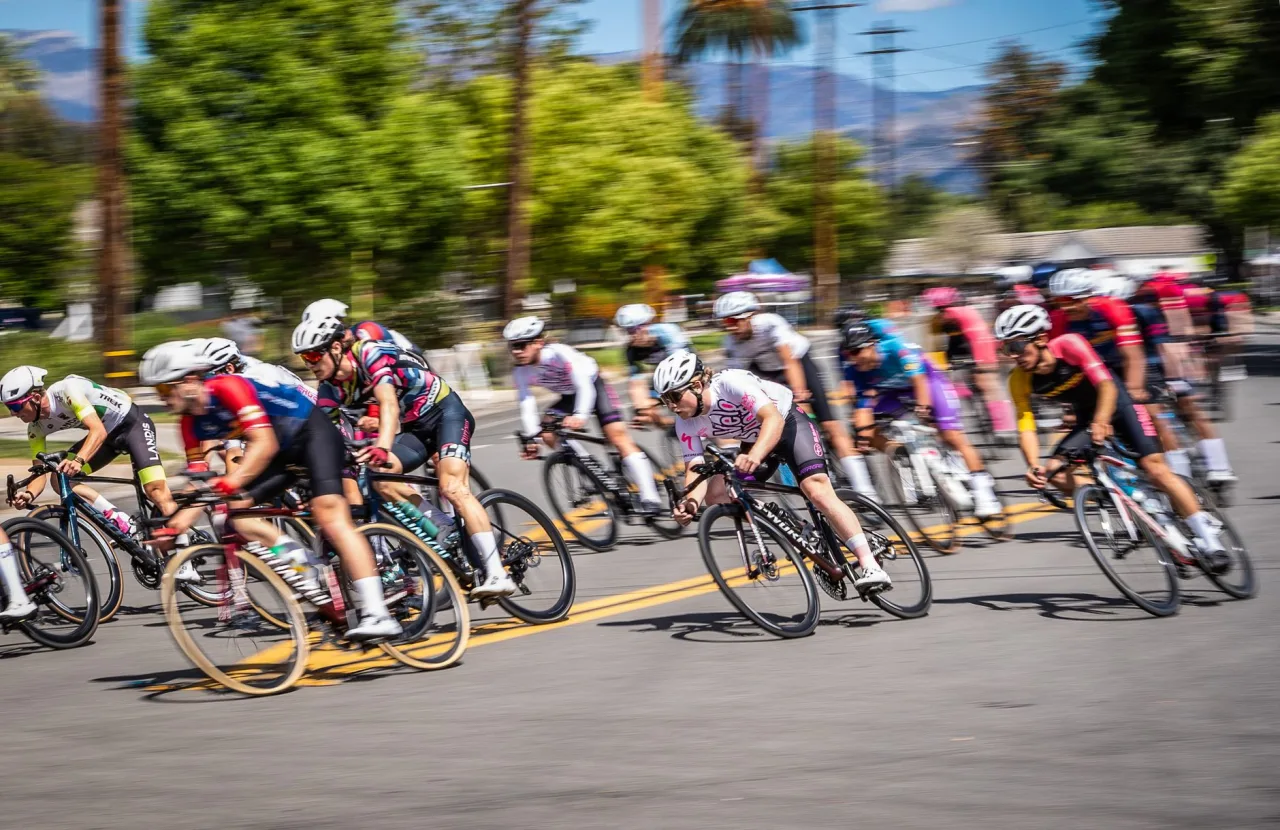
Specialized is one of the most recognisable names in cycling, and for good reason: it helped invent the modern mountain bike and has spent decades refining road, gravel, and electric bikes. This review explains what Specialized actually makes, how its trim levels and model years change the price, the strengths and known trade offs, and how to find a dealer so you can ride one before you buy.
The short version
- Specialized Bicycle Components was founded in 1974 by Mike Sinyard and is based in Morgan Hill, California.
- Its 1981 Stumpjumper was the first mass produced mountain bike, and the brand now spans road, mountain, gravel, and electric bikes.
- Price is driven by trim level and model year far more than by the badge, so the same model name can span a wide range. Confirm current pricing with a dealer.
- Specialized is sold mainly through authorised dealers, which makes a test ride and professional fit easy to arrange.
Who Specialized is
Specialized Bicycle Components was founded in 1974 by Mike Sinyard, who famously funded the venture by selling his Volkswagen bus to tour Europe by bike. The company is headquartered in Morgan Hill, California, and began by importing quality Italian components before moving into making its own parts and, eventually, complete bikes.
The brand's place in history was cemented in 1981 with the Stumpjumper, widely credited as the first mass produced mountain bike. That heritage still shapes the company's identity as an engineering led maker that takes performance seriously across every category it enters. You can read more of that story in the Wikipedia entry on Specialized and the dedicated article on the Specialized Stumpjumper. For a broader company overview, our Specialized bike company review covers the wider range.
What Specialized makes
Specialized covers most of the bike market, with families of models rather than single products. Knowing the main ranges helps you find the right starting point.
- Mountain bikes: led by the long running Stumpjumper line, spanning cross country to trail and enduro riding.
- Road bikes: including the accessible Allez, aimed at riders from first road bike to fast club rider.
- Gravel bikes: drop bar bikes built for mixed surfaces and adventure riding.
- Electric bikes: pedal assist models across road, mountain, and urban use.
- Apparel and equipment: helmets, shoes, and components that complement the bikes.
If you are still deciding between disciplines, our guides to the mountain bike and the road bike explain who each type suits, which is often a more useful starting question than which brand to buy.
How trims and model years change the price
The most common source of confusion with Specialized, and the reason people search for specific years like 2014, 2018, or 2022, is that a single model name covers a wide ladder of trim levels and evolves each model year. A Stumpjumper or an Allez is not one price but a family of them.
Two things drive the number. First, the trim level: the same frame can be sold with basic components at the entry point or premium groupsets, lighter wheels, and carbon frames at the top, and that spread is large. Second, the model year: newer bikes cost more, while previous year models are often discounted when the new range arrives, and older used examples fall further still.
This is why a year in the model name matters to buyers. A well kept older Specialized can be excellent value, but you are comparing that specific trim and its condition, not the brand in the abstract. Depreciation works the same way across all bikes, so an older trim in good condition can be strong value.
Tip: When comparing prices, always match the exact trim, not just the model name. Two bikes both called the same model can differ by a large margin because one has an entry level build and the other a premium one. The suffix or build name in the full title is what you are really pricing.
Realistic price ranges in 2026

Because trims and years vary so much, think in bands rather than fixed figures. All of these are approximate and depend on your region, the specific build, and current stock, so treat them as a guide and confirm with a dealer.
- Entry level alloy road and mountain models: often the most accessible way into the brand, sitting in the lower hundreds to low four figures.
- Mid range builds: better components and lighter frames push into the middle four figures.
- Premium carbon and electric models: can reach several thousand and well beyond at the top of each range.
Because prices move with model year changes and local promotions, the single best way to get a real number is to ask an authorised dealer about current stock and any outgoing year discounts. Naming exact figures here would be guessing, and this brand in particular rewards checking locally.
Strengths and known trade-offs
No brand is perfect for everyone, and an honest review names both sides. Specialized's strengths are consistent across its range, and its trade offs are mostly about cost and how you buy.
- Strength, engineering and fit: a strong reputation for frame design, and a well developed fitting philosophy that helps match bikes to bodies.
- Strength, range depth: a trim for most budgets within each family, so you can often stay with the brand as you upgrade.
- Strength, dealer network: wide authorised dealer coverage makes test rides, fitting, and servicing straightforward.
- Trade off, price: premium models command premium prices, and you pay for the brand's development.
- Trade off, availability: popular models and sizes can sell out, so timing and dealer relationships matter.
The practical takeaway is that Specialized rewards buyers who test ride and get fitted, and who are honest about which trim their budget and riding justify. The badge alone is not a reason to buy, but the engineering behind it often is.
How to buy and find a dealer
Specialized is sold primarily through a network of authorised dealers rather than only direct online, which is an advantage for buyers. It means you can sit on the exact bike, get professionally fitted, and ride it before spending, all of which matter far more on a considered purchase than a small online saving.
To buy well, visit a dealer, be clear about your budget and riding, and ask specifically about the trim and any previous year models that might be discounted. A test ride will tell you more than any review, including this one, because fit and feel are personal. To find a shop near you, see our guidance on choosing a good local bike shop, and if you want to compare the full Specialized catalogue first, our Specialised bikes guide lays out the ranges.
Watch out: A used Specialized advertised only by model name without the year and trim is hard to value fairly. Ask for the full model title, the year, and the build, then compare that exact specification and its condition rather than assuming the badge sets the price.
Frequently asked questions
When was Specialized founded and where is it based?
Specialized Bicycle Components was founded in 1974 by Mike Sinyard, who funded the venture by selling his Volkswagen bus. The company is headquartered in Morgan Hill, California. It started by importing Italian components before making its own parts and complete bikes, and its 1981 Stumpjumper is widely credited as the first mass produced mountain bike.
Why do Specialized bike prices vary so much?
Price is driven mainly by trim level and model year rather than the badge. The same model name can be sold with basic components and an alloy frame at the entry point or premium groupsets, lighter wheels, and a carbon frame at the top, which creates a wide spread. Newer model years cost more, while previous year and used examples are often discounted.
Is an older Specialized bike a good buy?
A well kept older Specialized can be excellent value, but you are buying a specific trim in a specific condition, not the brand in the abstract. Ask for the full model title, the year, and the build, then compare that exact specification and its condition. A carefully maintained older bike can beat a neglected newer one.
What types of bikes does Specialized make?
Specialized makes mountain bikes led by the Stumpjumper line, road bikes including the accessible Allez, gravel bikes for mixed surfaces, and electric pedal assist models across road, mountain, and urban use. It also produces apparel and equipment such as helmets and shoes. This breadth means there is usually a trim for most budgets within each family.
Where should I buy a Specialized bike?
Specialized is sold primarily through authorised dealers, which lets you get professionally fitted and test ride the exact bike before buying. Visit a dealer, be clear about your budget and riding, and ask about the trim and any discounted previous year models. A test ride and proper fit matter more on a considered purchase than a small online saving.
Sources: the Wikipedia article on Specialized Bicycle Components and the Specialized Stumpjumper entry.
More guides on Specialized (Brand)
Have a question or a topic to suggest?
We read every message. Tell us what you would like to see next on the blog.
Get in touchYou may also like

Specialized Bike Company Review (2026)
A 2026 review of Specialized as a brand: what it makes, how trims and model years differ, how the bikes ride, and realistic prices to expect from a good dealer.

Specialised Bikes: Complete Guide
Specialised bikes means two things: purpose-built bicycles for one discipline, and the Specialized brand. This guide covers both honestly so you know exactly what to buy.

Mountain Bike: The Complete Guide
Everything you need to choose a mountain bike: the main types, wheel sizes, key components, how to pick your first bike and the gear and care that keep it running.