Brand Review
Specialized Bike Company Review (2026)
What the brand makes, how to read its trims, how the bikes ride, and what to realistically pay in 2026.
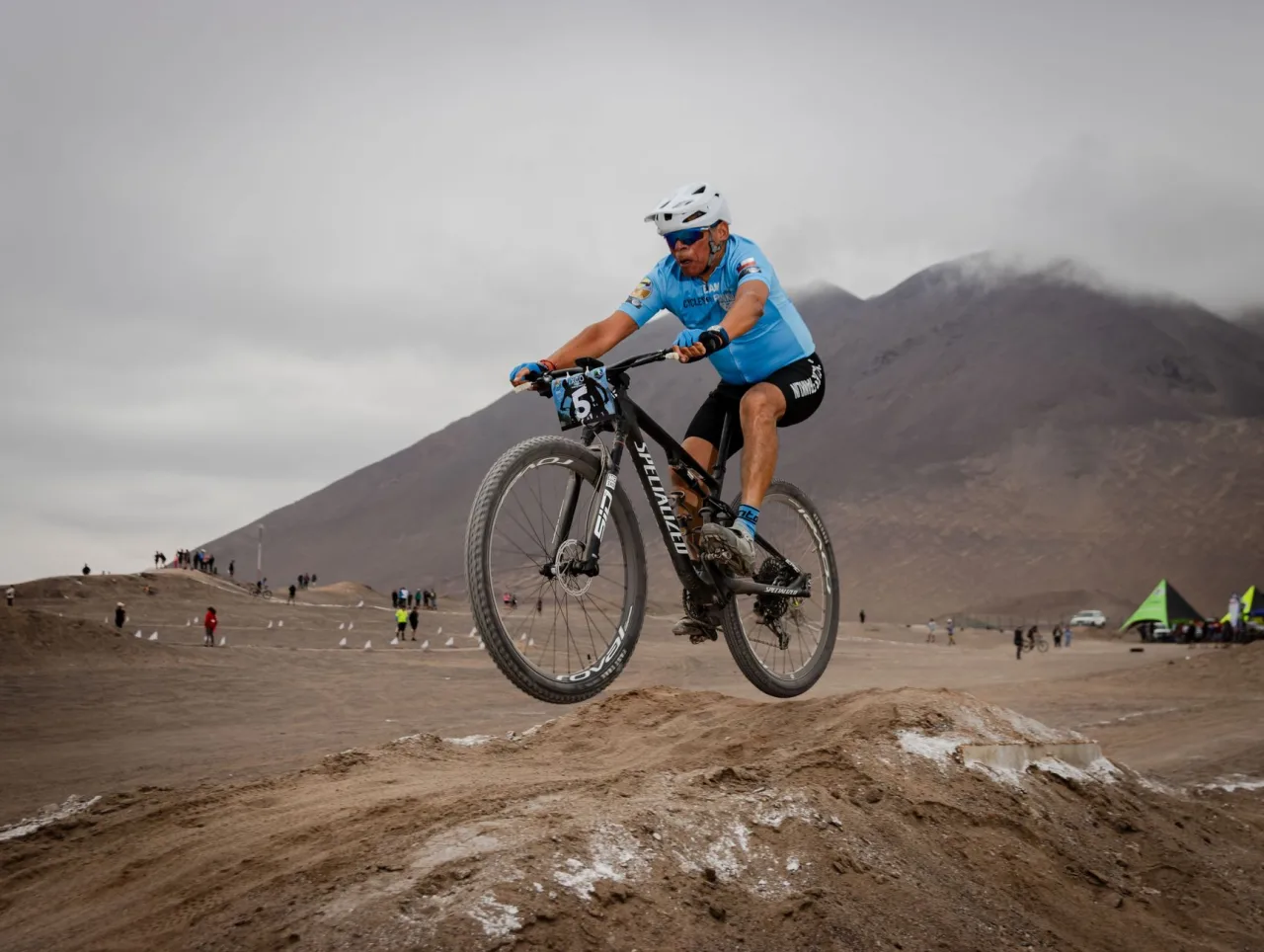
Specialized is one of the largest and most influential bike brands in the world, and the sheer size of its catalog can make shopping feel overwhelming. This review walks through what the company actually makes, how its trim levels and model years differ, where the ride quality lands, and what you should realistically expect to pay in 2026.
The short version
- Specialized was founded in 1974 by Mike Sinyard and is headquartered in Morgan Hill, California. It sits alongside Trek and Giant as one of the biggest bike brands in the United States.
- The lineup spans road (Tarmac, Allez, Roubaix), mountain (Stumpjumper, Epic), gravel (Diverge), and Turbo e-bikes, with each model offered in multiple trims that share a frame but change parts.
- Prices vary widely by trim and year: entry alloy bikes commonly start a few hundred to just over a thousand, while top carbon builds reach five figures. Always confirm current pricing locally.
- The real value of a Specialized purchase comes from a good local dealer who fits the bike, honors the warranty, and services it over time.
Who makes Specialized and why it matters
Specialized Bicycle Components was established in 1974 by Mike Sinyard, who famously sold his Volkswagen bus to fund a cycling tour of Europe before importing components and later building complete bikes. The company is based in Morgan Hill, California, and today ranks among the biggest bicycle brands operating in the United States. That scale matters to you as a buyer for two reasons: parts availability is excellent, and the dealer network is large enough that most towns of any size have a shop that can order, fit, and service the bikes.
The brand also has a genuine place in cycling history. Its Stumpjumper, introduced in 1981, is widely credited as the first major production mountain bike, and an early example is held by the Smithsonian. That heritage shows up in a catalog that treats mountain, road, and gravel as first-class categories rather than afterthoughts.
The main product lines explained
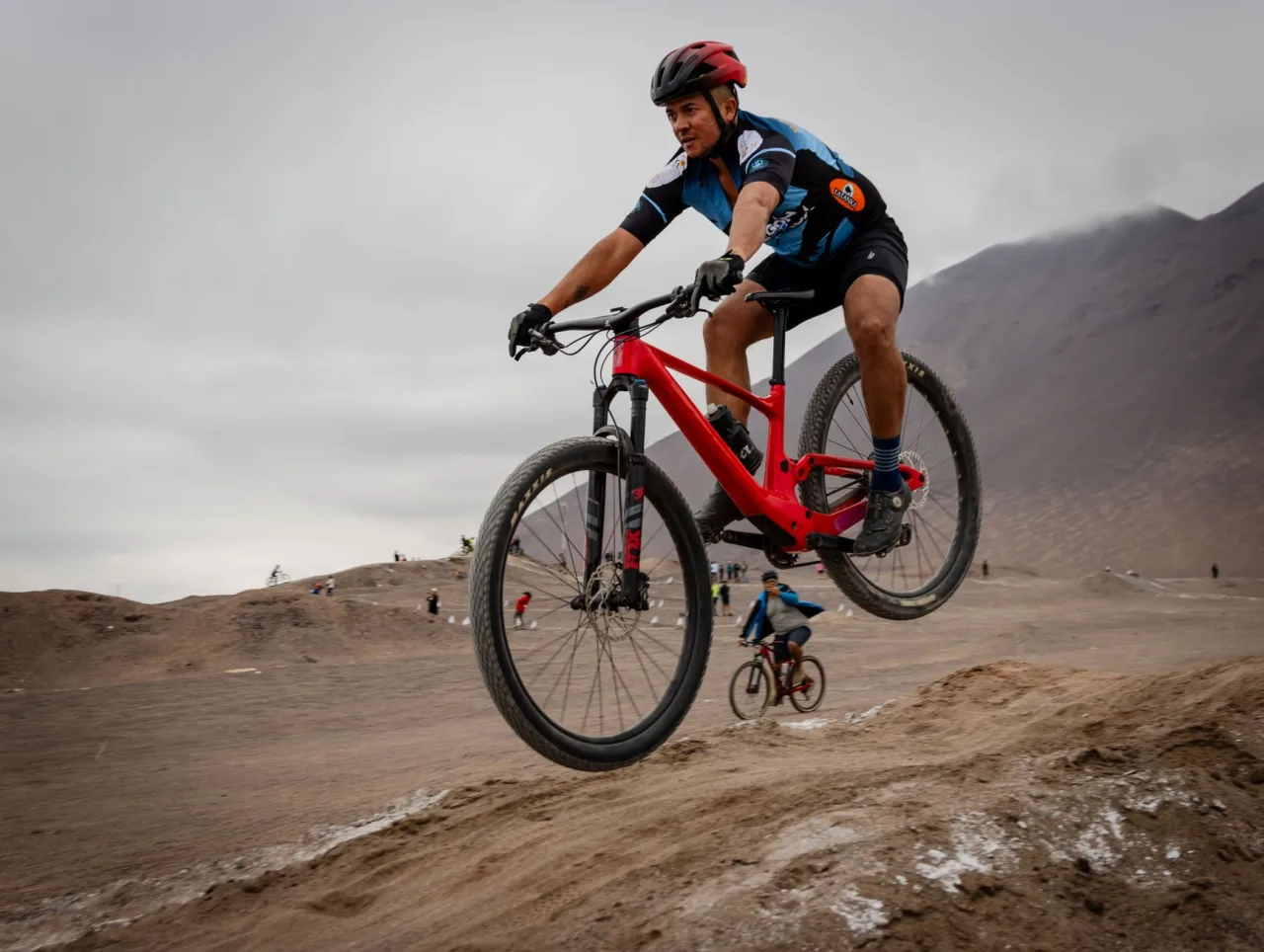
Specialized organizes its catalog around a handful of named platforms. Understanding these names is the fastest way to shop, because a "Tarmac" is always a road racing bike whether it costs one thousand or ten thousand.
- Tarmac: the lightweight road race platform, aimed at climbing and all-round speed.
- Roubaix: an endurance road bike tuned for comfort over long or rough rides.
- Allez: the alloy road bike that has served as an affordable entry point for decades.
- Diverge: the gravel and adventure platform, built for mixed surfaces and light bikepacking.
- Stumpjumper and Epic: the trail and cross-country mountain bikes respectively.
- Turbo: the electric range, spanning road, mountain, and city e-bikes.
If you are still deciding between categories rather than brands, our mountain bike guide and road bike guide are a good place to figure out what you actually need before you fixate on a badge.
How to read Specialized trims and model years
The single most confusing thing about shopping Specialized is that one model name covers many price points. A Stumpjumper is not one bike, it is a family of bikes that share a frame shape and geometry but differ in frame material, suspension, drivetrain, and wheels.
Here is the pattern to look for:
- Frame material: lower trims use aluminum alloy, higher trims use carbon. The carbon versions are lighter and often stiffer, but a well-specified alloy frame rides very well and saves a lot of money.
- Component grade: the drivetrain and brakes step up as you climb the range. This affects shifting precision, weight, and long-term durability more than most riders expect.
- Model year: geometry and standards evolve slowly, so a bike one or two years old is often nearly identical to the current version at a lower price. Shops frequently discount outgoing model years.
Buyer tip
Do not pay a carbon premium for a badge alone. A current alloy trim with a better drivetrain will usually out-perform a cheaper carbon trim with entry-level parts, for the same money. Compare the full spec sheet, not just the frame material.
Real-world ride impressions
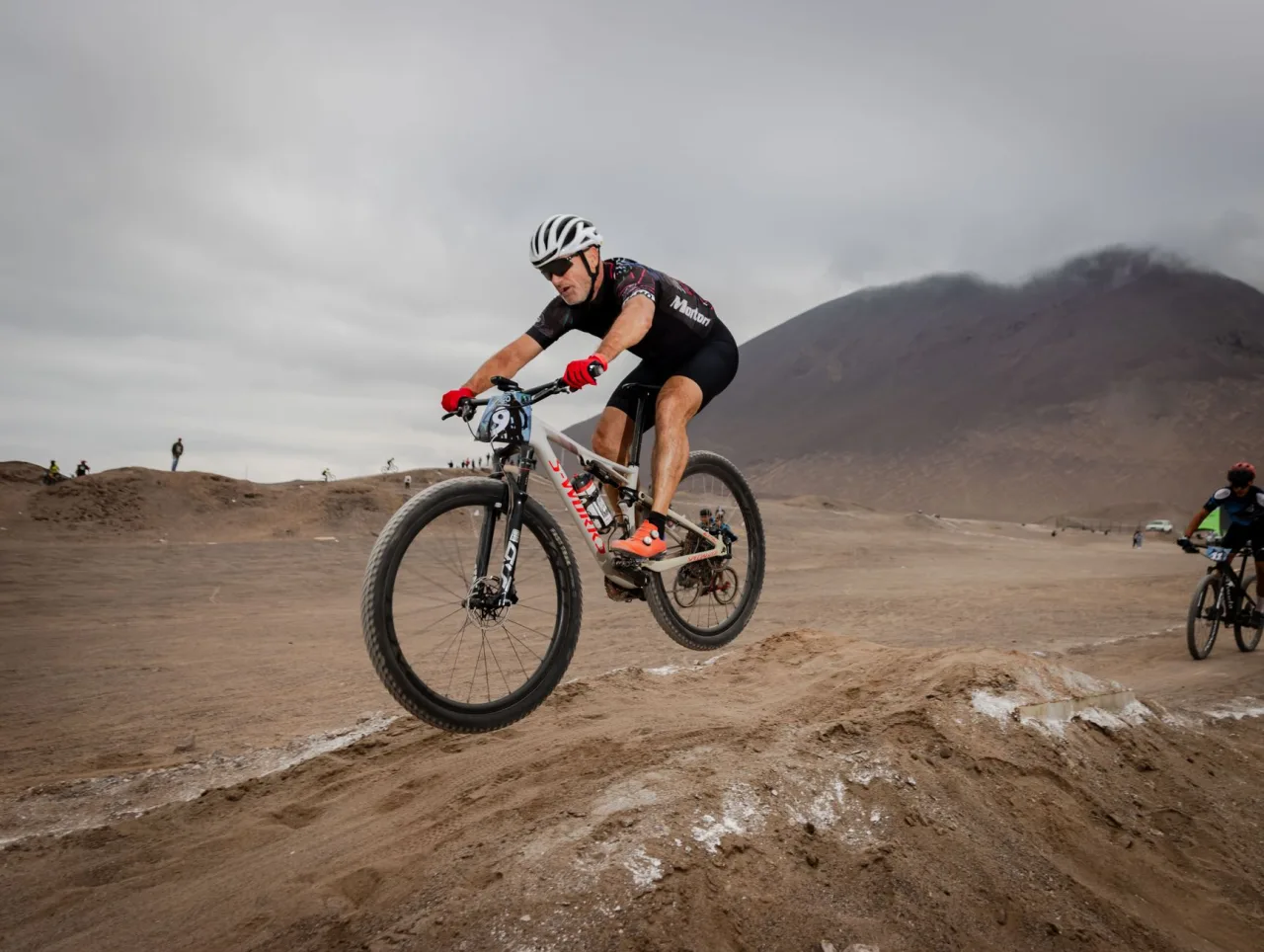
Across the range, Specialized bikes tend to feel planted and predictable rather than nervous. The Tarmac is a responsive climber that rewards a strong rider, while the Roubaix trades some of that sharpness for genuine comfort on long days. On the dirt, the Stumpjumper is a confident trail bike that suits riders who want one capable bike for varied terrain, and the Epic leans toward speed and efficiency for cross-country riding.
The Turbo e-bikes are among the better integrated electric bikes on the market, with motors and batteries that are built into the frame rather than bolted on. As always with e-bikes, the ride experience depends heavily on the specific model and battery size, so a test ride matters more here than on any pedal bike.
Known issues and honest caveats
No brand is flawless, and being honest about the trade-offs will save you disappointment. A few things to keep in mind:
- Premium pricing: Specialized rarely competes on price. You pay for the brand, the dealer network, and the engineering, so direct-to-consumer brands can undercut equivalent specs.
- Proprietary parts: higher-end models sometimes use brand-specific components, cockpits, or seatposts that are harder to swap or replace than standard parts.
- E-bike servicing: electric models depend on the dealer network for firmware and drive-unit support, so buying near a supporting shop is wise.
None of these are dealbreakers, but they are reasons to buy through a shop you trust rather than chasing the lowest online price on a bike you cannot service locally.
What you should expect to pay in 2026
Pricing shifts with model year, region, and supply, so treat every figure here as a realistic range to confirm locally rather than a quote.
- Entry alloy road and mountain bikes (Allez, base Rockhopper or Stumpjumper Alloy): often in the low four figures, sometimes less on outgoing years.
- Mid-range carbon builds: commonly in the mid four figures, where most enthusiasts land.
- Flagship carbon race bikes and premium Turbo e-bikes: can reach five figures at the very top.
For a broader sense of what bikes cost across brands and categories, our bicycle price breakdown puts these numbers in context. If a deal looks far below these ranges, verify it is a current, unaltered bike and not a gray-market import without warranty support.
How to find a good Specialized dealer near you
Because so much of the ownership experience runs through the shop, choosing a dealer is as important as choosing the model. Rather than trusting a single listing, use a simple checklist to judge whether a local shop is worth your business.
- They measure you and offer a proper fit, not just a size guess based on height.
- They let you test ride before you commit, especially on e-bikes.
- They are transparent about warranty terms and stock genuine replacement parts.
- They have a service department with reasonable turnaround, not just a sales floor.
Our guide to finding trusted local bike shops walks through how to vet a store in more detail. It is also worth cross-shopping against comparable brands: see our reviews of Scott and Santa Cruz, and note that Specialized also sells under a shorter Specialized bike review that covers individual models.
Frequently asked questions
Is Specialized a good bike brand?
Yes. Specialized is one of the largest and most established bike brands in the United States, with a strong dealer network, wide parts availability, and a genuine engineering pedigree that includes the first major production mountain bike. The main trade-off is premium pricing.
Where are Specialized bikes made?
The company is headquartered in Morgan Hill, California, where it handles design and engineering. Like most major brands, actual frame manufacturing is done through overseas partners, which is standard across the industry.
How much does a Specialized bike cost?
Prices vary widely by trim and model year. Entry alloy bikes commonly start in the low four figures, mid-range carbon builds sit in the mid four figures, and flagship race bikes or premium e-bikes can reach five figures. Confirm current pricing with a local dealer.
What is the difference between Specialized trims like Comp, Expert, and Pro?
The trims share a frame family and geometry but step up in frame material, drivetrain, brakes, and wheels as the name climbs. Higher trims are lighter and shift better, while lower trims deliver most of the ride quality for far less money.
Should I buy the newest model year?
Not necessarily. Geometry and standards change slowly, so a bike one or two model years old is often nearly identical to the current version at a lower price. Shops frequently discount outgoing years, which can be excellent value.
More guides on Specialized (Brand)
Have a question or a topic to suggest?
We read every message. Tell us what you would like to see next on the blog.
Get in touchYou may also like

Specialized Bike Review 2026
Specialized helped invent the modern mountain bike. This review covers what it makes, how trims and model years change the price, its strengths and trade-offs, and how to buy.
Scott Bicycle Review (2026)
A 2026 review of Scott bikes: the Scale, Spark, Addict and Foil families, how to read trims and years, ride impressions, and realistic price ranges to expect.
Santa Cruz Bikes Review (2026)
A 2026 review of Santa Cruz mountain bikes: VPP suspension, the Tallboy to Nomad range, alloy vs carbon trims, warranty, and realistic premium pricing.