Electric Bikes · Electric Bikes
Segway Electric Bike
Segway is a name most people associate with the self-balancing personal transporter
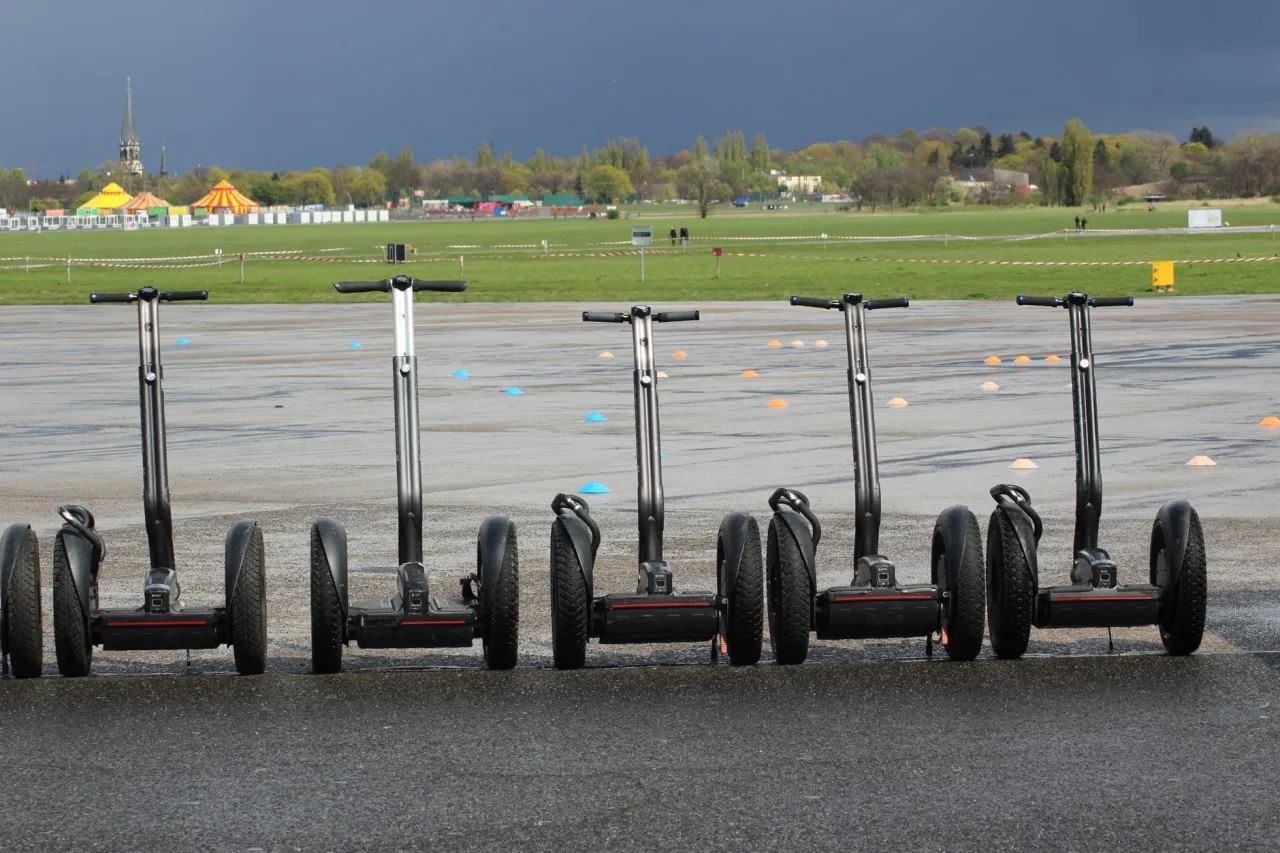
Segway is a name most people associate with the self-balancing personal transporter, but the company has grown into a broad electric mobility brand that now includes electric bikes. This complete guide explains who Segway is today, what its e-bikes are about, and how to judge whether one fits your riding. We stick to verified facts and honest buying advice, not hype.
The short version
- Segway is owned by Ninebot and operates as Segway-Ninebot; the two merged after Ninebot acquired Segway in 2015.
- The brand now makes a range of electric mobility products, including electric bikes, alongside scooters and other vehicles.
- Judge a Segway e-bike the same way you would any e-bike: motor, battery, class, weight, and service support.
- Confirm current models, specs, pricing, and local service at official Segway channels or a dealer before buying.
Who Segway is today
The Segway brand became famous for the two-wheeled, self-balancing Segway PT personal transporter. The company changed hands in April 2015, when Ninebot, a Beijing-based transportation robotics company and former rival, acquired Segway Inc. The combined business operates as Segway-Ninebot. Production of the original Segway PT ended in 2020, but the brand has expanded well beyond it into a wide catalog of electric mobility products.
Today that catalog spans electric scooters, electric bikes, and powersports vehicles. So when you see a Segway electric bike, it comes from a large, established electric mobility company rather than a fly-by-night seller. That backing is a point in its favor, though it does not replace the usual homework any e-bike buyer should do.
What a Segway electric bike is
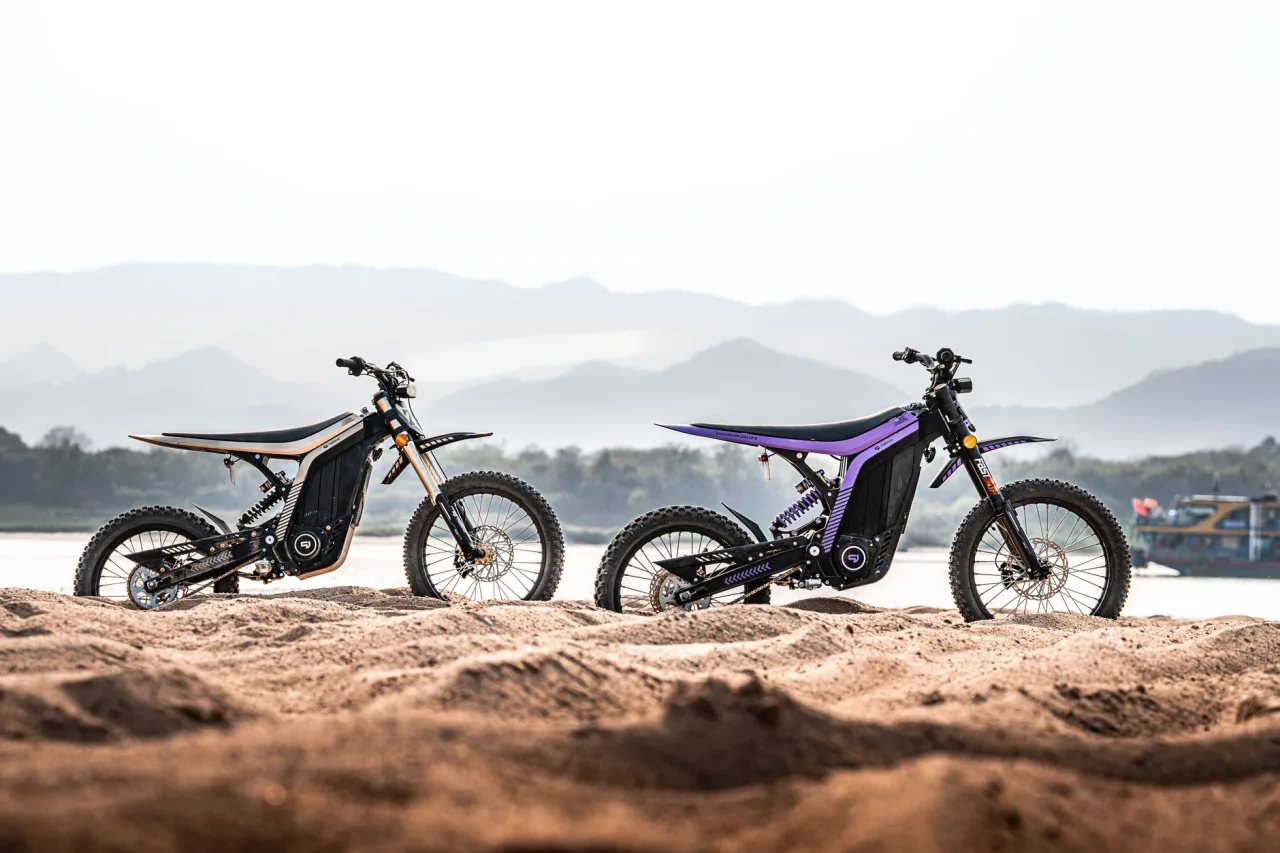
A Segway electric bike is a pedal-powered bicycle with an integrated electric motor, the same core concept behind every e-bike. The company has offered e-bikes including trekking-style models, and its powersports line has featured electric off-road machines. Because the brand's lineup evolves, the single most important step before buying is to confirm the current models and their exact specifications through official Segway channels or a dealer, rather than relying on any general description.
If you are new to e-bikes generally, our complete electric bike guide explains how motors, batteries, and pedal assist work, and it is the best foundation for evaluating any brand, Segway included. Reading it first will make the spec sheet on any specific model much easier to interpret.
How to judge a Segway e-bike (or any e-bike)
Brand recognition is a starting point, not a decision. Evaluate a Segway e-bike on the same fundamentals that matter for every electric bike.
- Motor type and power: hub versus mid-drive, and the rated power and torque, which shape how the bike climbs and accelerates.
- Battery capacity: measured in watt-hours, this drives range, though real-world distance always falls short of best-case claims.
- Class and top speed: which class the bike falls into determines where you can legally ride it and how fast it assists.
- Weight: e-bikes are heavy, and a dead battery makes a heavy bike hard to pedal, so weight matters for storage and carrying.
- Components: brakes, tires, and drivetrain quality decide how safe and durable the bike is in daily use.
Warning: verify specs and service before you buy
Model lineups, specifications, and prices change often across all e-bike brands. Do not rely on secondhand descriptions or old reviews. Confirm the current motor, battery, class, weight, warranty, and pricing through official Segway channels or an authorized dealer, and check that service and replacement parts are available where you live. An e-bike you cannot get serviced locally can become a costly problem.
Understanding e-bike classes
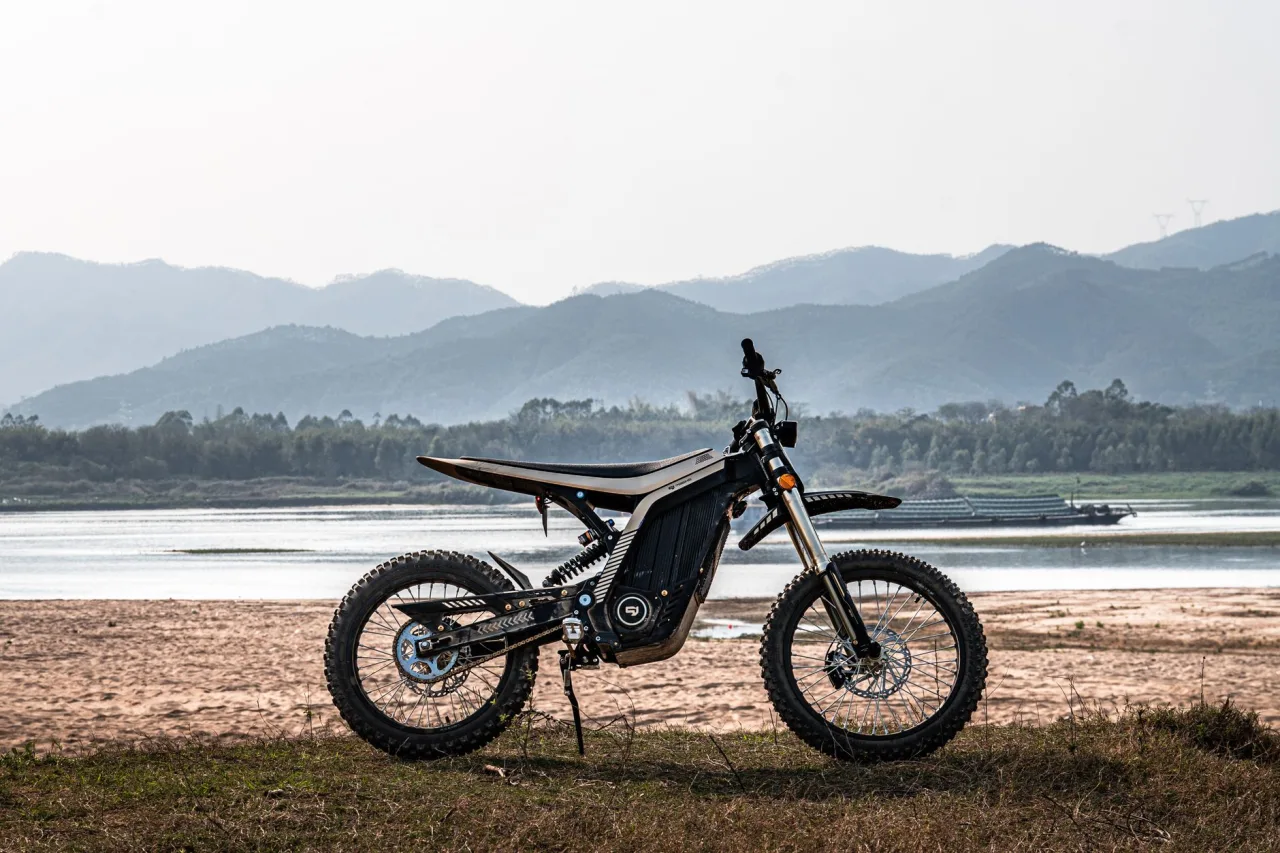
Whatever brand you buy, the class framework governs where and how fast you can ride. According to the e-bike laws used across much of North America, Class 1 is pedal-assist only with help up to about 20 mph, Class 2 adds a throttle with assist to about 20 mph, and Class 3 is pedal-assist up to roughly 28 mph, usually with a speedometer and no throttle. Rules vary by jurisdiction, and some places restrict certain classes from shared paths. Confirm which class any Segway model falls into and that it is legal where you plan to ride. If speed is your priority, our fastest electric bike guide explains the legal limits in more depth.
Segway in context: comparing brands
Segway is one option among many, and it is worth comparing against the specialist bike brands. Companies such as Specialized, Trek, and Giant have long histories in bicycles, extensive dealer networks, and clearly published motor and battery warranties. Segway brings deep experience in electric mobility and a broad product range. Neither background guarantees the right bike for you; the specific model, its components, and local support matter more than the badge.
If you are cross-shopping, look at how each brand handles the things that are expensive to fix: the motor, battery, and controller. A clear warranty and a dealer who can source replacements are worth more than a longer feature list. For a sense of what capable e-bikes cost across the market, our guide to real electric bike prices sets useful expectations. Depending on the model, a Segway e-bike may overlap with categories like the off-road electric bike, so match the model to your actual riding.
What a Segway electric bike costs
Pricing depends entirely on the specific model and changes with promotions, so treat any figure as a ballpark and confirm current pricing through official Segway channels or a dealer. As a general market guide, budget e-bikes can start in the several-hundred-dollar range, mainstream quality models commonly sit in the low-to-mid thousands, and higher-power or premium machines climb beyond that. Rather than anchoring on a single number, focus on what you get for the price: motor and battery quality, component grade, warranty, and available service. A slightly higher price from a brand with local support often costs less over the life of the bike.
Buying and owning wisely
The habits that protect any e-bike apply to a Segway too. Buy from somewhere that can service the motor, battery, and controller, since those systems need trained hands; our guide to finding a trusted local bike shop explains how to vet a service department. Care for the battery by charging it at moderate temperatures, avoiding routinely draining it to empty, and storing it partially charged during long idle periods. Budget for the accessories that make the bike genuinely useful, from a strong lock to lights, which our e-bike accessories guide covers. Treated well, a quality e-bike from any reputable brand can serve reliably for years.
Frequently asked questions
Does Segway make electric bikes?
Yes. Segway, which operates as Segway-Ninebot after Ninebot acquired the company in 2015, produces a range of electric mobility products that includes electric bikes, alongside scooters and powersports vehicles. Because the lineup changes over time, confirm the current e-bike models and their specifications through official Segway channels before buying.
Is Segway a reputable e-bike brand?
Segway is part of a large, established electric mobility company, which is reassuring compared with unknown sellers. That said, brand backing is a starting point, not a guarantee. Judge any specific Segway model on its motor, battery, class, components, warranty, and the availability of local service, just as you would for any e-bike.
What class is a Segway electric bike?
It depends on the specific model. E-bikes fall into Class 1, 2, or 3 based on whether they have a throttle and their top assisted speed, which determines where you can legally ride. Confirm the class of any Segway model you are considering and check that it is legal on the paths and roads you plan to use.
How much does a Segway electric bike cost?
Pricing varies by model and changes with promotions, so confirm current figures through official Segway channels or a dealer. As a general market reference, budget e-bikes can start in the several-hundred-dollar range while quality models commonly sit in the low-to-mid thousands. Focus on the motor, battery, warranty, and service you get rather than the headline price alone.
Who owns Segway now?
Segway is owned by Ninebot, a Beijing-based transportation robotics company that acquired Segway Inc. in April 2015. The combined business operates as Segway-Ninebot. Production of the original self-balancing Segway PT ended in 2020, and the brand has since expanded into a broad range of electric mobility products, including electric bikes.
More guides on Electric Bikes
Have a question or a topic to suggest?
We read every message. Tell us what you would like to see next on the blog.
Get in touchYou may also like

Fastest Electric Bike
Search for the fastest electric bike and you will find bold speed claims everywhere, most of them missing the fine print that actually matters.

E-Bike Accessories
A new e-bike is a big purchase, and the right accessories are what turn it into a bike you actually rely on every day. This complete guide walks through the add-ons that matter most
Fat Tire Bike
A fat tire bike is instantly recognizable by its enormous, balloon-like tires, and those tires are the whole point. This complete guide explains what fat bikes are built