Bike Shops & Services (Local)
Second Hand Bikes Near Me: Find Trusted
Searching "second hand bikes near me" is the easy part. Turning those results into a good bike at a fair price
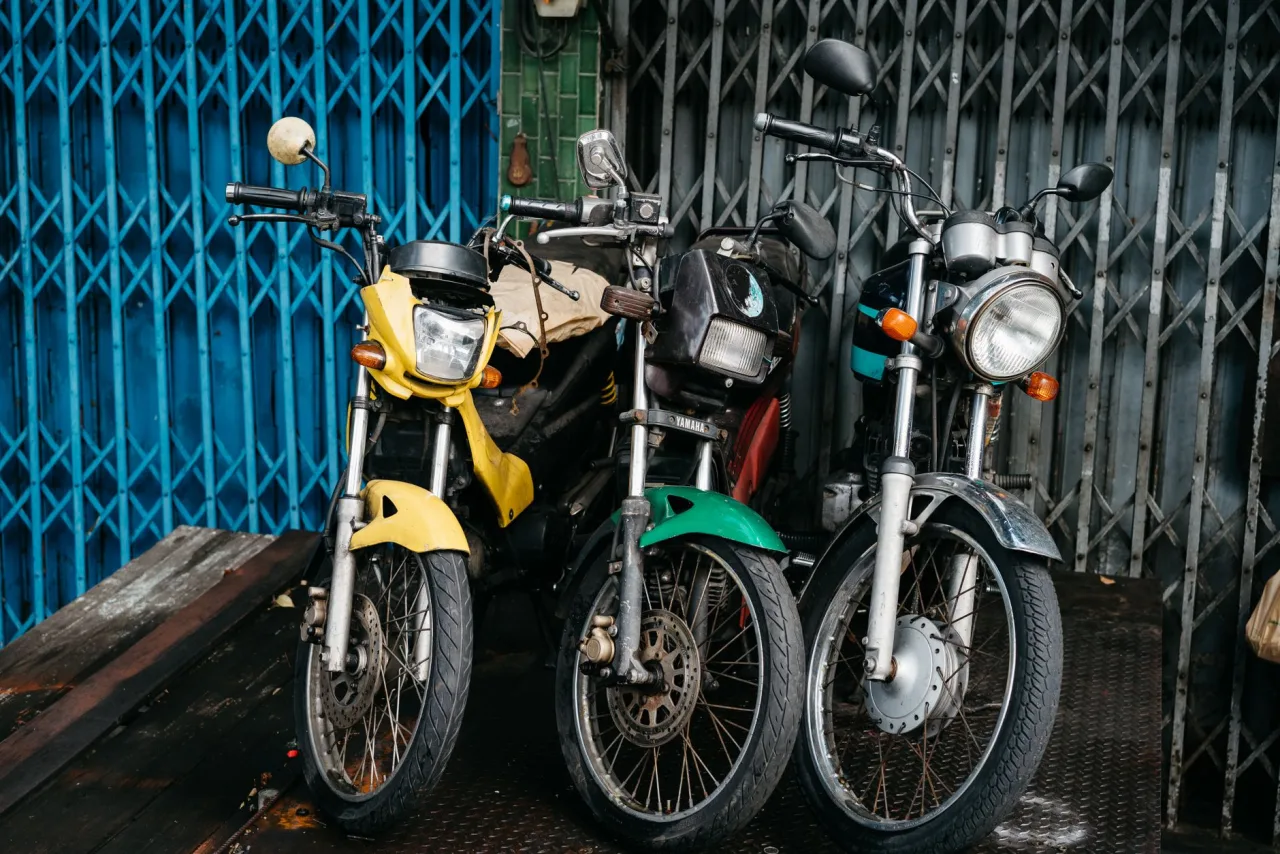
Searching "second hand bikes near me" is the easy part. Turning those results into a good bike at a fair price, without inheriting someone else's problems, is where it gets tricky. This guide shows you where to look locally, how to inspect a used bike before you hand over cash, what a fair price looks like, and how to spot the trustworthy sellers from the ones to walk away from.
The short version
- Buy from sources you can inspect in person: used-bike shops, refurbished-bike programmes, local listings and community boards near you.
- A used bike from a reputable shop costs more than a private sale but usually comes checked over, with some support and peace of mind.
- Inspect the frame, drivetrain, wheels and brakes, and always test ride before buying. Walk away from anything you cannot check.
- Prices vary hugely by brand, age and condition, so research the model new, then confirm a fair used price locally.
Where to find second hand bikes near you
A "second hand bike" is simply a used good, an item previously owned and offered for sale not as new, as the Wikipedia entry on used goods defines it. The used bike market is large and varied, and each source has a different balance of price, choice and safety.
- Used-bike and refurbished-bike shops: the safest option. A bike shop that resells used bikes typically inspects and services them, and sometimes offers a short guarantee. You pay more, but you buy confidence.
- Bike shops with a trade-in section: many local shops sell checked-over used bikes alongside new ones, so you get shop expertise at a lower price.
- Local online listings and marketplaces: the widest choice and often the best prices, but no vetting, so the inspection is entirely on you.
- Community boards, clubs and co-ops: local cycling clubs, university boards and non-profit bike co-ops often list well-cared-for bikes and honest sellers.
Whichever route you take, the aim is to buy from somewhere you can see and ride the bike in person. Our fuller guide to buying second hand bikes goes deeper on inspection, and our companion pages on used bikes near me and finding a dedicated used bike shop cover the local angle.
How to vet a used-bike seller
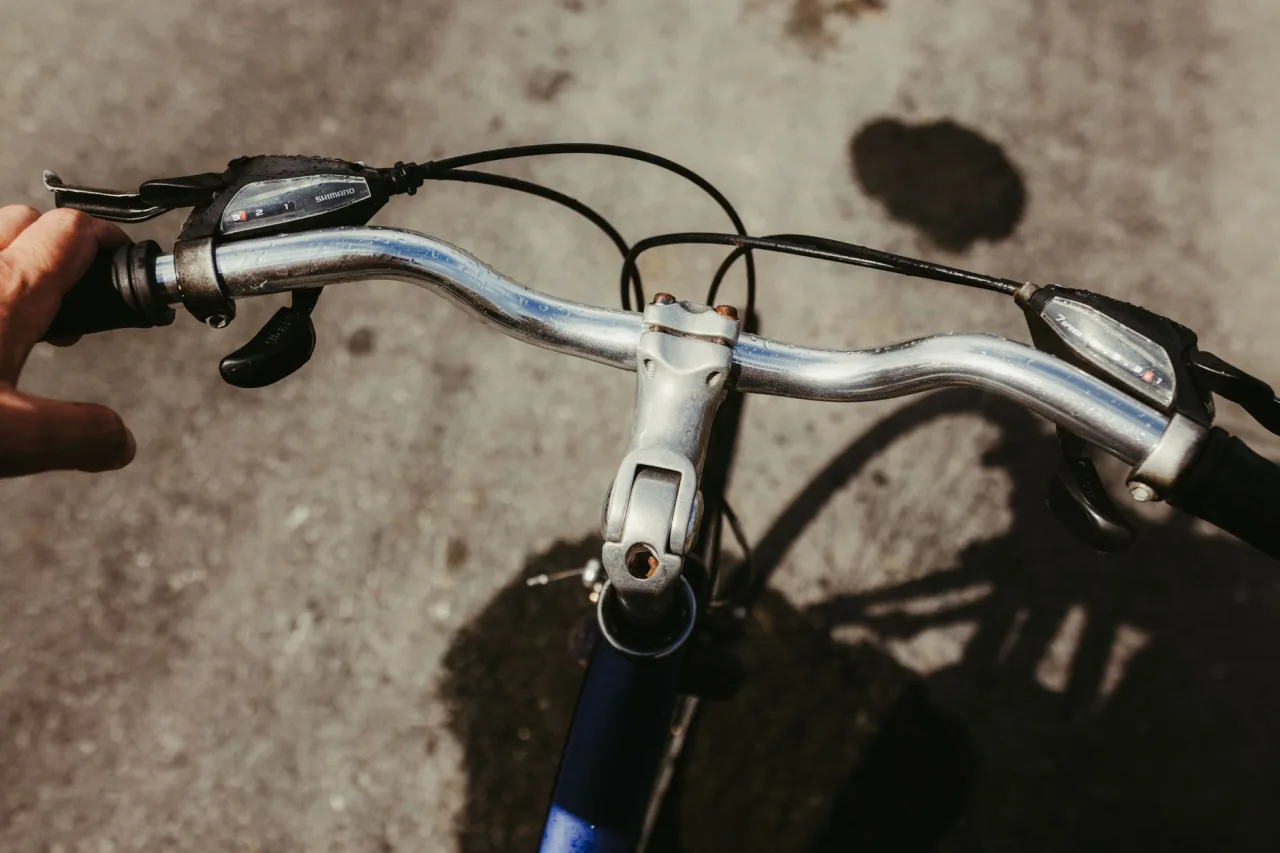
Whether it is a shop or a private seller, a few signals tell you a lot before you commit. Trust is earned through openness, not a slick listing.
- Willingness to let you inspect and test ride. A confident seller expects this. Reluctance is a red flag.
- Honest history. Ask why they are selling, how the bike was used and stored, and whether it has been crashed or repaired. Vague answers should give you pause.
- Reasonable, explainable pricing. A fair seller can justify the price against the model and condition. A price that seems too good often hides a problem or worse.
- Reviews and reputation for shops. For used-bike shops, look for review patterns about honesty and after-sale support, not just a star rating.
Warning: watch for stolen bikes
A price far below market value, a seller who avoids meeting at a fixed address, or a filed-off or mismatched serial number can all indicate a stolen bike. Ask for the serial number, check it against local stolen-bike registries where available, and meet somewhere safe and public. If something feels wrong, walk away.
How to inspect a used bike before buying
You do not need to be a mechanic to catch the big problems. Work through the bike methodically and let anything you cannot check count against the price.
- Frame: look closely for cracks, deep dents or rippled paint near the joints, especially on aluminium and carbon frames. Frame damage is a deal-breaker.
- Drivetrain: check the chain, cassette and chainrings for wear. A very worn drivetrain is a hidden cost, since replacing it adds up quickly.
- Wheels: spin each wheel and watch for wobble, check for loose spokes, and look at the rims or discs for heavy wear.
- Brakes: squeeze the levers and check pad wear and, on hydraulics, a firm feel with no sponginess.
- Bearings: rock the wheels and cranks to feel for play in the hubs, headset and bottom bracket.
- Test ride: ride it, shift through the gears, brake hard, and listen for creaks or clunks. Never skip this.
If you like a bike but are unsure, many local shops will inspect a used bike for a small fee, which can be money well spent on a pricier purchase.
What is a fair price for a used bike
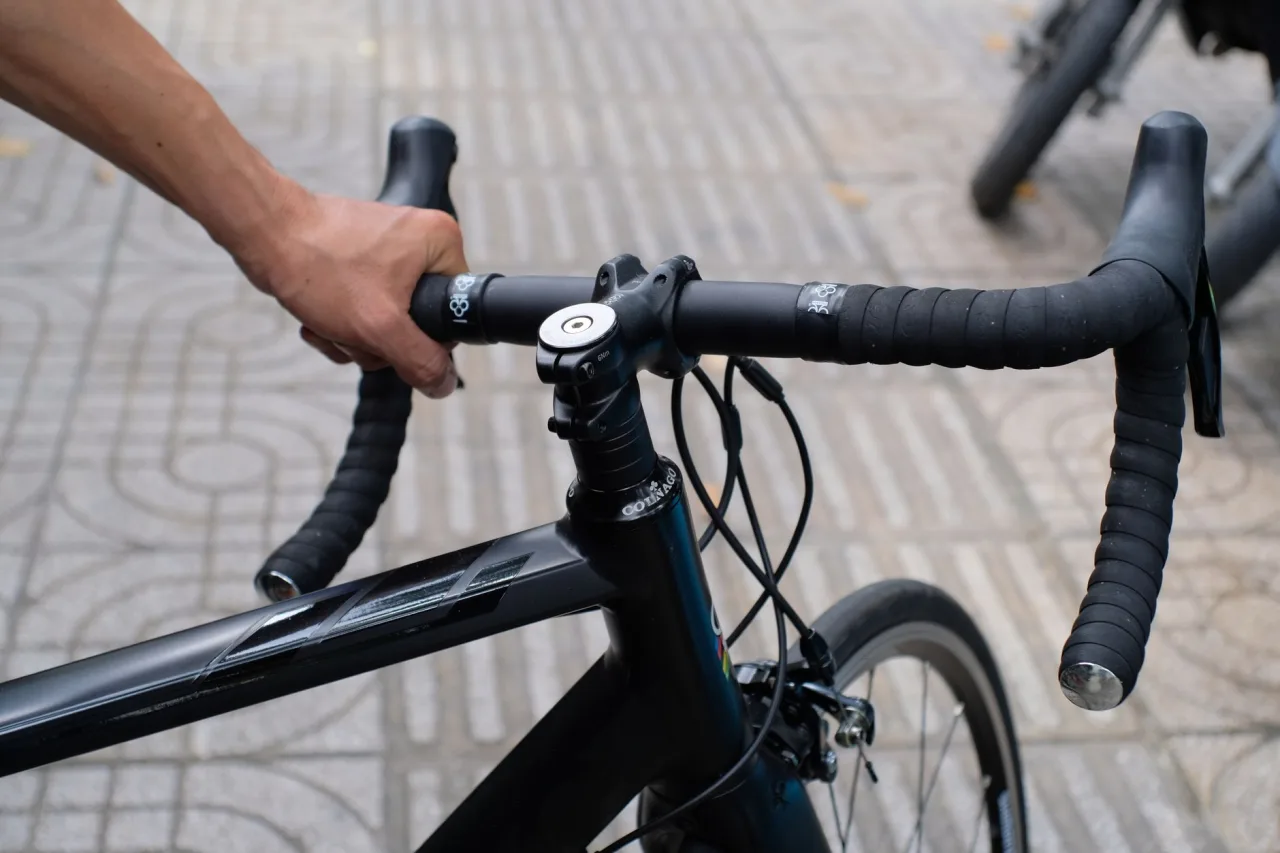
There is no single formula, but a sensible method keeps you from overpaying. Because prices vary hugely by brand, age, condition and region, research beats guesswork.
- Find the model new. Look up what the bike or its closest current equivalent costs new, so you have an anchor.
- Adjust for age and condition. Bikes depreciate fastest in the first couple of years, then more slowly. Heavy wear, needed parts and dated components all reduce value.
- Factor in immediate costs. If it needs a new chain, tyres or a service, subtract those from what you offer.
- Compare local listings for the same or similar models to see the going rate in your area.
For a broader sense of what bikes cost across the market, our guide to real bicycle prices gives useful ranges. Treat every figure as a starting point and confirm fair pricing locally before you buy.
Used from a shop or a private seller
Both routes are valid, and the right one depends on how much risk and hassle you want to take on for a lower price.
- Used-bike shops: higher prices, but the bike is usually inspected and serviced, you get expertise and fit help, and there is often a short guarantee and someone to go back to.
- Private sales: the best prices and widest choice, but no vetting or support, so the inspection and any risk are entirely yours.
A middle path many riders like is buying from a local shop that sells checked-over trade-ins. You get much of the price benefit of used with the safety net of a real business. If you also want ongoing service, our guide to finding a trusted local bike shop explains how to choose a dependable one.
After you buy
A used bike is worth a fresh start so you know its condition from day one. A little care up front prevents surprises later.
- Book a safety check at a local shop if you did not have one done before buying, especially for brakes and bearings.
- Replace consumables such as worn tyres, brake pads or a stretched chain before they cause problems.
- Register the serial number and photograph the bike, so it can be identified if it is ever stolen.
- Fit a good lock and lights, which are essential regardless of whether the bike is new or used.
Done well, buying second hand near you gets you far more bike for the money than buying new, with very little downside if you inspect carefully and buy from someone you can trust.
Frequently asked questions
Where is the best place to find second hand bikes near me?
The safest sources are used-bike or refurbished-bike shops and local bike shops that sell checked-over trade-ins, because the bikes are usually inspected and come with some support. Local online listings and community boards offer lower prices and wider choice but no vetting, so the inspection is entirely on you.
How do I check a used bike is worth buying?
Inspect the frame for cracks or dents, check the drivetrain, wheels, brakes and bearings for wear and play, and always test ride it through the gears and brakes. If you are unsure on a pricier bike, many local shops will inspect it for a small fee, which is often money well spent.
How do I avoid buying a stolen bike?
Be wary of prices far below market value, sellers who will not meet at a fixed address, and filed-off or mismatched serial numbers. Ask for the serial number and check it against local stolen-bike registries where available, meet somewhere safe and public, and walk away if anything feels wrong.
What is a fair price for a second hand bike?
Start by finding what the model or its closest equivalent costs new, then adjust down for age, condition and any parts it needs soon. Compare local listings for similar bikes to see the going rate. Prices vary hugely by brand and region, so treat any figure as a starting point and confirm locally.
Is it better to buy used from a shop or a private seller?
A used-bike shop costs more but usually inspects and services the bike, offers expertise and fit help, and often includes a short guarantee. A private sale offers the best price and widest choice but no vetting or support. Buying a checked-over trade-in from a local shop is a good middle path.
More guides on Bike Shops & Services (Local)
Have a question or a topic to suggest?
We read every message. Tell us what you would like to see next on the blog.
Get in touchYou may also like
MTB Bike
MTB is simply shorthand for mountain bike, but the moment you start shopping you discover it is not one thing at all. The term covers everything from light, fast cross-country machines to burly downhill rigs
Bike Gear
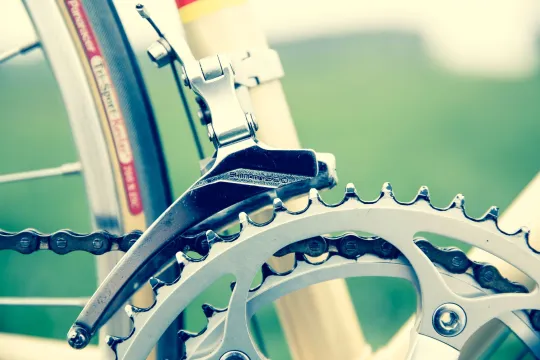
Ask two cyclists about "bike gear" and you will get two different answers. One means the gears on the drivetrain, the cassette and chainrings that let you pedal comfortably up a hill or fast on the flat.
Full Suspension Bike
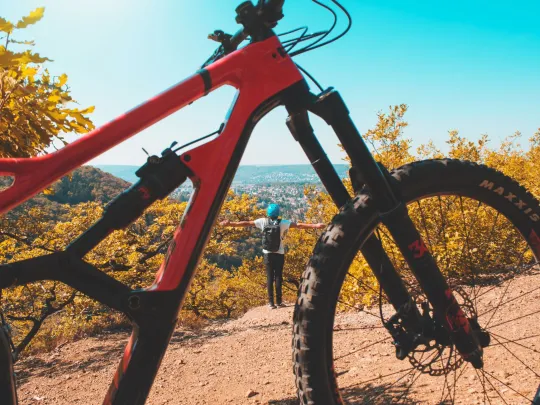
A full suspension bike smooths out rough trails by springing both the front wheel and the rear, giving you more comfort, grip and control when the ground gets nasty.