Local Repair Guide
Repair Bicycle Shop Near Me
Vet local repair shops on quality, not size, and never overpay for a tune-up again.
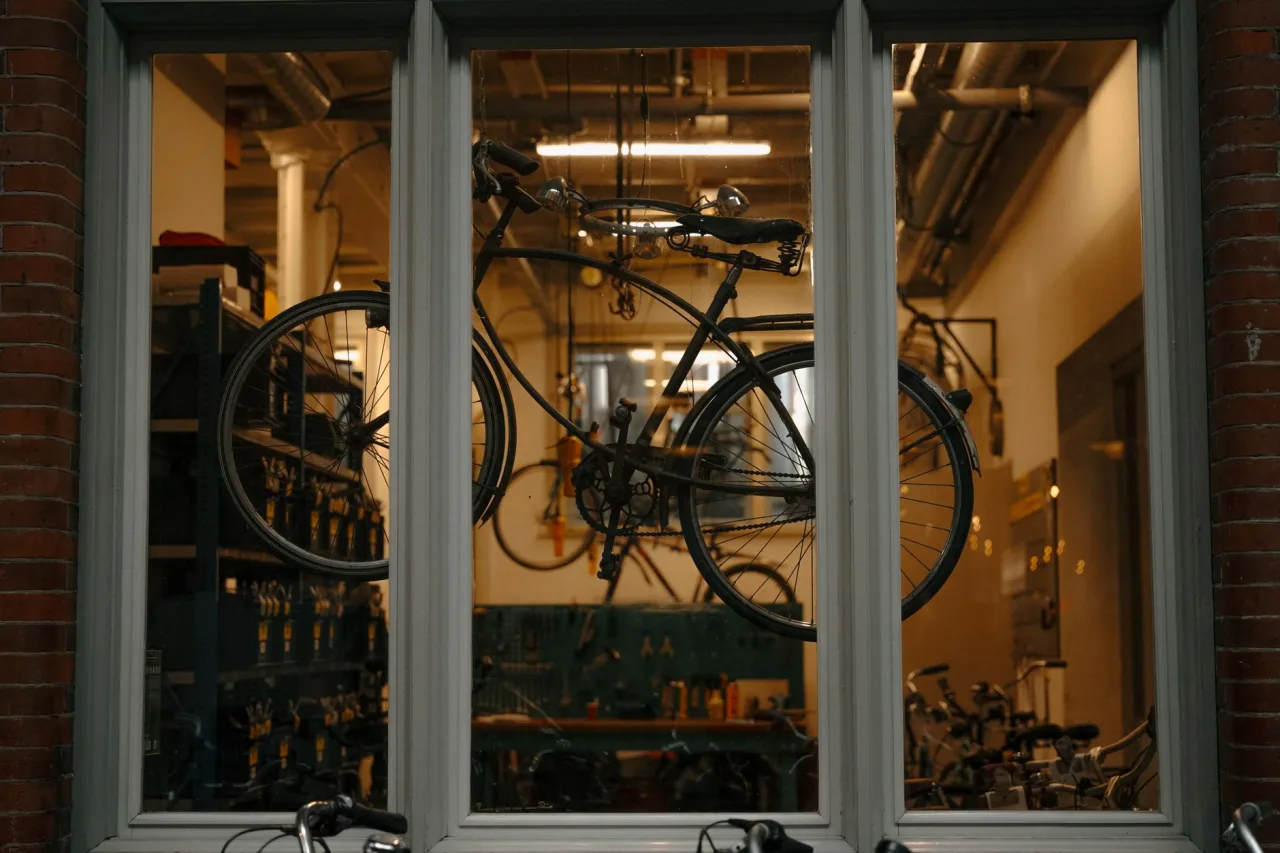
When your chain skips, your brakes squeal, or a wheel goes out of true, searching "repair bicycle shop near me" is the right instinct. The harder part is telling a genuinely good local shop from a mediocre one before you hand over your bike. This guide shows you how to find trusted repair shops nearby, what common fixes should cost, and the exact questions to ask so you never overpay or get surprised.
The short version
- Judge a repair shop on mechanic certification, a written estimate, and turnaround honesty, not on how big or shiny the store is.
- A basic tune-up usually runs somewhere in the tens of dollars, while a full overhaul with new parts can reach a few hundred. Always confirm locally.
- Ask for a written quote before any work starts, and ask which parts are being replaced versus adjusted.
- The best shop for you is often the one closest to where you ride, because you will return for follow-ups and warranty tweaks.
Why "near me" matters more for repairs than for buying
You can buy a bike online from anywhere, but a repair relationship is inherently local. A good repair shop close to home means shorter trips when a problem recurs, easier warranty follow-ups on the work, and a mechanic who gets to know your specific bike over time. Proximity also matters when you are pushing a bike with a flat or a seized bottom bracket: two miles feels very different from ten.
That is why it pays to build a shortlist of shops within realistic riding or driving distance first, then rank them on quality rather than starting with whichever result Google shows at the top. A slightly farther shop with a great reputation usually beats the nearest one with mixed reviews.
How to find repair shops near you
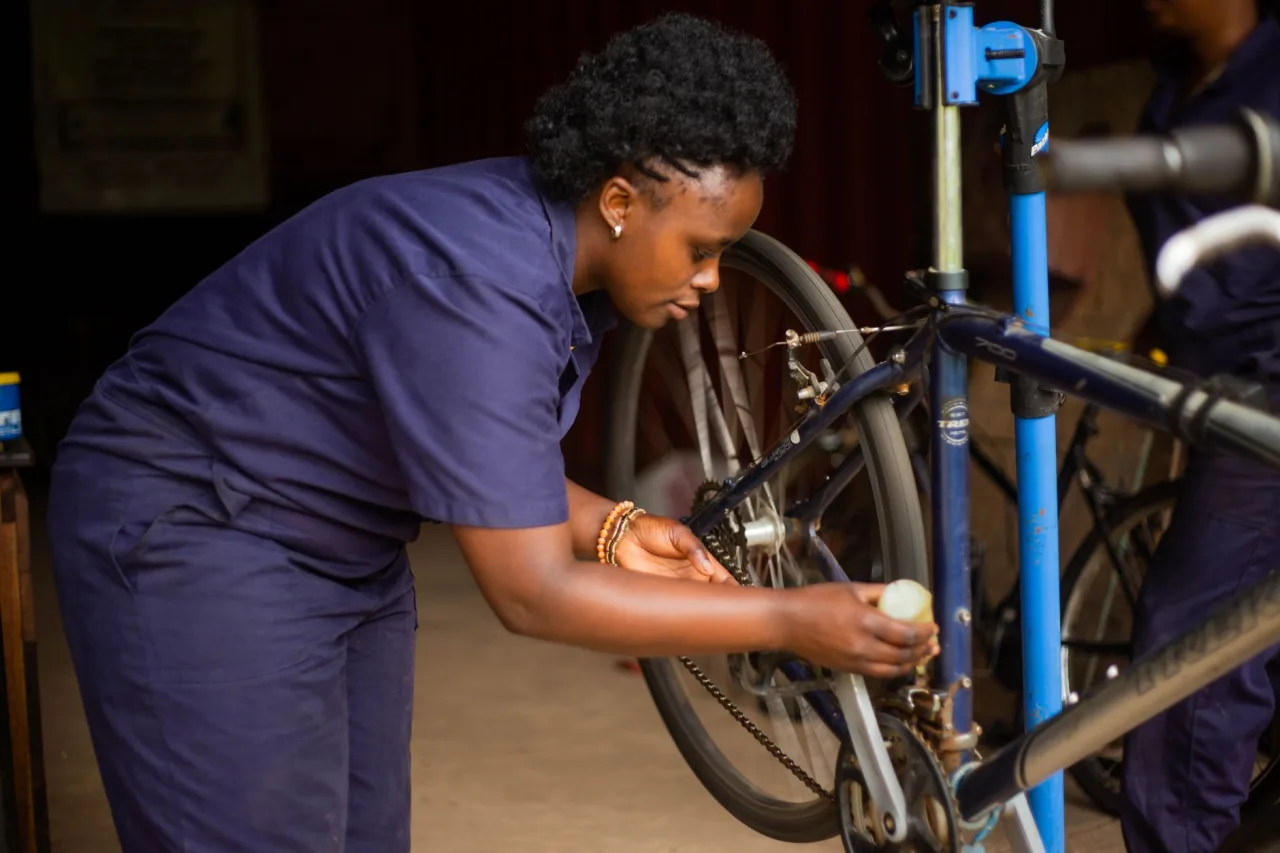
Start broad, then narrow. Use several sources so you are not relying on a single algorithm:
- Map search: Search the map for "bicycle repair" and note shops with many recent, detailed reviews rather than a handful of old ones.
- Local cycling clubs and group rides: Riders know which mechanic actually fixes problems the first time. A club forum or ride-day chat is gold.
- Brand dealer locators: If you own a specific brand, the manufacturer site often lists authorized service centers that stock the right parts.
- Community boards: Neighborhood apps and local social groups surface the small independent shops that dominate on service but underinvest in marketing.
If you also need parts, a new tire, or accessories while the bike is in, it helps to combine trips. Our guide on cycling gear covers what is worth buying alongside a service, and if you are weighing a repair against replacement, our second hand bikes guide helps you decide when a fix is no longer economical.
What separates a trusted shop from a mediocre one
Once you have a shortlist, apply consistent criteria. These are the signals that reliably predict a good experience:
- Certified or clearly experienced mechanics. Ask whether staff hold a recognized mechanic qualification or how long they have wrenched professionally.
- Written estimates. A trustworthy shop gives you a quote before touching the bike and calls you if the scope grows.
- Transparent parts policy. They tell you what is being replaced, what brand, and whether a cheaper adjustment would do instead.
- Honest turnaround. "Two weeks in peak season" is a better answer than an over-promised "tomorrow" that slips.
- A clean, organized workspace. Order at the bench usually reflects order in the work.
Warning sign to watch for
- A shop that refuses to give any estimate, insists on replacing whole assemblies when an adjustment would do, or cannot explain what was actually done is a shop to leave. Vague invoices are the most common way riders overpay.
What common repairs typically cost
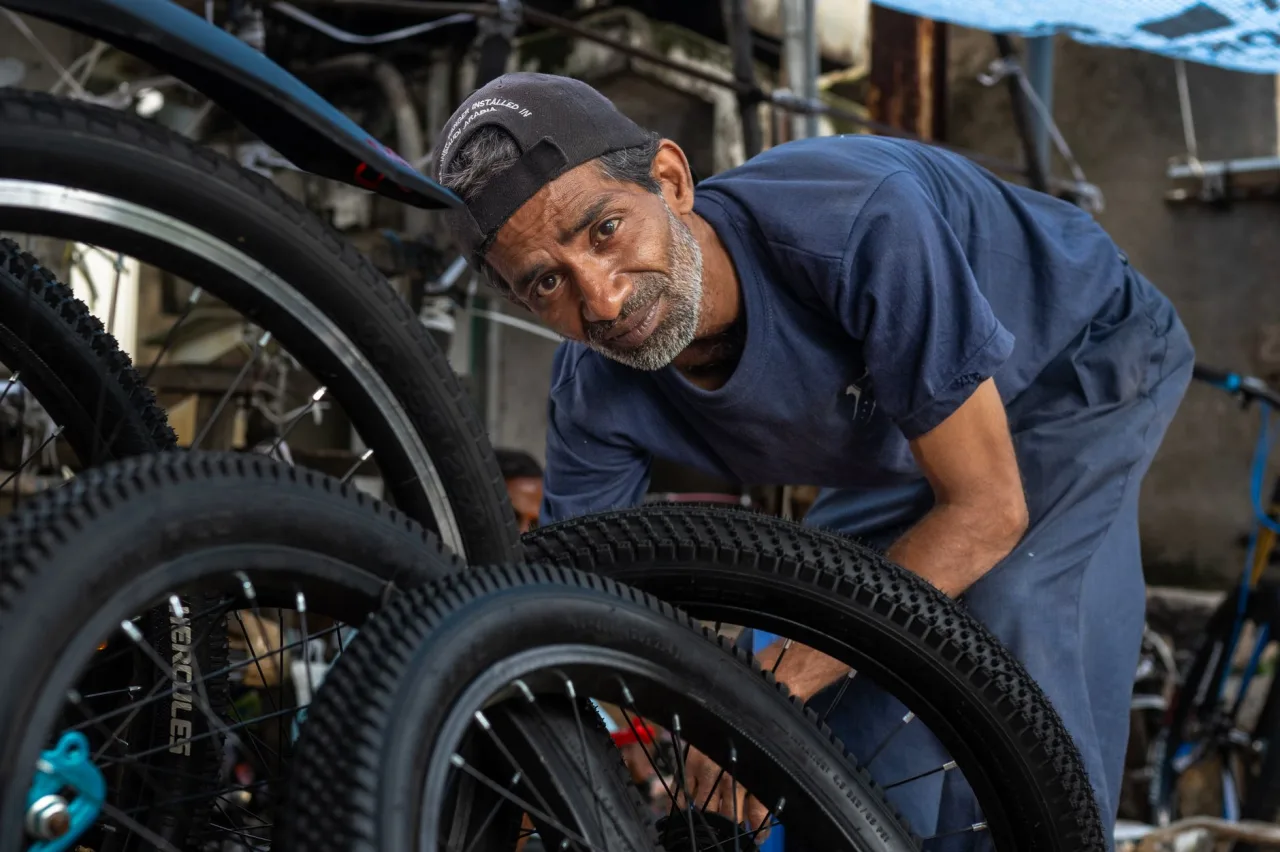
Prices vary widely by region, shop, and whether parts are included, so treat these as broad ranges and confirm locally before you commit. Labor is usually the biggest variable.
- Flat tire or tube replacement: a small fixed labor fee plus the tube, generally modest.
- Basic tune-up (brake and gear adjustment, lube, safety check): commonly in the low tens of dollars, parts extra.
- Wheel truing: a modest per-wheel fee unless spokes are broken.
- Full service or overhaul (strip, clean, regrease bearings, replace worn parts): can reach a few hundred dollars once new drivetrain parts are included.
- Brake bleed or hydraulic service: mid-range labor plus fluid and pads.
Electric bikes add complexity. Motor, battery, and controller diagnostics often require brand-specific tools and training, so expect e-bike service to cost more and to route through an authorized dealer. If you are researching an e-bike purchase or its long-term running costs, our electric bike price breakdown puts service into context.
Questions to ask before you leave the bike
A five-minute conversation at drop-off prevents most disputes. Ask:
- "Can I get a written estimate before work starts?"
- "Will you call me if the cost will go higher than the quote?"
- "Which parts are you replacing, and which are you just adjusting?"
- "What is your realistic turnaround right now?"
- "Is there a warranty on the labor?"
Write down the answers. A shop that welcomes these questions is one you can trust with a more expensive job later.
When to fix it yourself instead
Not every problem needs a shop. The bicycle is a famously user-serviceable machine: flats, a dropped chain, minor brake pad adjustments, and basic cleaning and lubrication are within reach of most riders with a few tools and patience. Learning these saves money and keeps you riding between shop visits. After any brake or wheel work, always test the bike at low speed first and ride with a properly fitted helmet. Save the shop for wheel building, suspension service, hydraulic systems, headset and bottom bracket work, and anything on an e-bike drive system, where the right tools and experience genuinely matter.
If you are commuting or riding daily and want a nearby shop mainly for the jobs you cannot do, prioritize proximity and a good parts counter. Our bike shop near me guide covers choosing a full-service store, and bikes near me helps if you are shopping for a new ride at the same time.
Tip: build the relationship early
- Take a bike in for a small job before you need a big one. A shop that treats a simple flat repair with care is the shop you want when something expensive breaks. Loyalty often earns you faster turnaround in busy season.
How long a repair should take
Turnaround is one of the most misunderstood parts of bike service. A quick adjustment or a flat can often be done while you wait or within a day. A full tune-up in normal conditions is usually a day or two. In peak season, spring and early summer, good shops get busy and a wait of one to two weeks is common and not a sign of a bad shop. If anything, a shop with a waitlist is often the one riders trust. What matters is that the estimate you are given is honest and updated if it changes.
If you depend on your bike daily, ask about a drop-off and quick-turn option, or keep a second set of consumables at home so you can handle simple fixes yourself between visits. Building a small home kit of tire levers, a pump, spare tubes, and a multi-tool covers most roadside problems without a shop trip at all.
Ways to save money on bike repairs
Good service does not have to be expensive if you are strategic:
- Bundle jobs: having several small things done in one visit is cheaper than repeated single-item labor charges.
- Catch wear early: replacing a worn chain in time prevents it from wearing the cassette and chainrings, which is a far bigger bill.
- Learn the basics: flats, chain lube, and brake pad swaps are simple and save both labor and trips.
- Ask what is optional: a good mechanic will tell you what needs doing now versus what can wait.
- Keep it clean: a clean, lubricated drivetrain lasts longer and needs less service.
Preventive care is almost always cheaper than repair. A modest regular tune-up beats an expensive overhaul caused by neglect, and it keeps the bike safe between visits.
Frequently asked questions
How much does a basic bike tune-up cost?
A basic tune-up, which typically covers brake and gear adjustment, lubrication, and a safety check, commonly falls in the low tens of dollars for labor, with any replaced parts charged separately. Prices vary by region and shop, so ask for a written estimate and confirm locally before committing.
How do I know if a bike repair shop is trustworthy?
Look for certified or clearly experienced mechanics, a willingness to give a written estimate before work begins, a transparent policy on which parts are replaced versus adjusted, honest turnaround times, and an organized workspace. A shop that refuses to quote or cannot explain what it did is one to avoid.
Can any shop repair an electric bike?
Not always. Electric bike motors, batteries, and controllers often need brand-specific tools and training, so drive-system work usually routes through an authorized dealer for that brand. Many general shops can still handle the mechanical parts like brakes, tires, and drivetrain on an e-bike.
Should I repair my old bike or replace it?
Compare the repair cost to the value of the bike. If a fix costs a large fraction of what a good used replacement would, replacement may make more sense, especially if the frame is damaged. Routine wear items are almost always worth repairing on a sound frame.
Is it cheaper to fix a flat myself?
Yes. A flat repair or tube swap is one of the easiest jobs to learn and needs only a few inexpensive tools. Doing it yourself saves both the labor fee and the trip. Save the shop for wheel building, suspension, hydraulic brakes, and e-bike drive systems.
More guides on Bike Shops & Services (Local)
Have a question or a topic to suggest?
We read every message. Tell us what you would like to see next on the blog.
Get in touchYou may also like
Bike Shop Near Me: Find Trusted Shops
A practical guide to finding and vetting a good local bike shop: how to read reviews, what services should cost, and the questions that reveal a great mechanic.
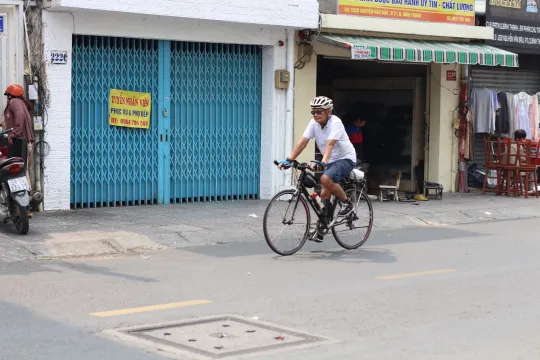
Bikes Near Me: Local Shop Guide
Turn a bikes near me search into a confident purchase: vet local shops before you visit, make the test ride count, weigh local versus online, and time your buy for the best deal.
Second Hand Bikes: Complete Guide
Buy a used bike with confidence: where to look, how to inspect frame, drivetrain and brakes, what to check on a used e-bike, and how to avoid stolen bikes and overpaying.