Mountain Bikes & MTB · Mountain Bikes & MTB
MTB Bike
MTB is simply shorthand for mountain bike, but the moment you start shopping you discover it is not one thing at all.
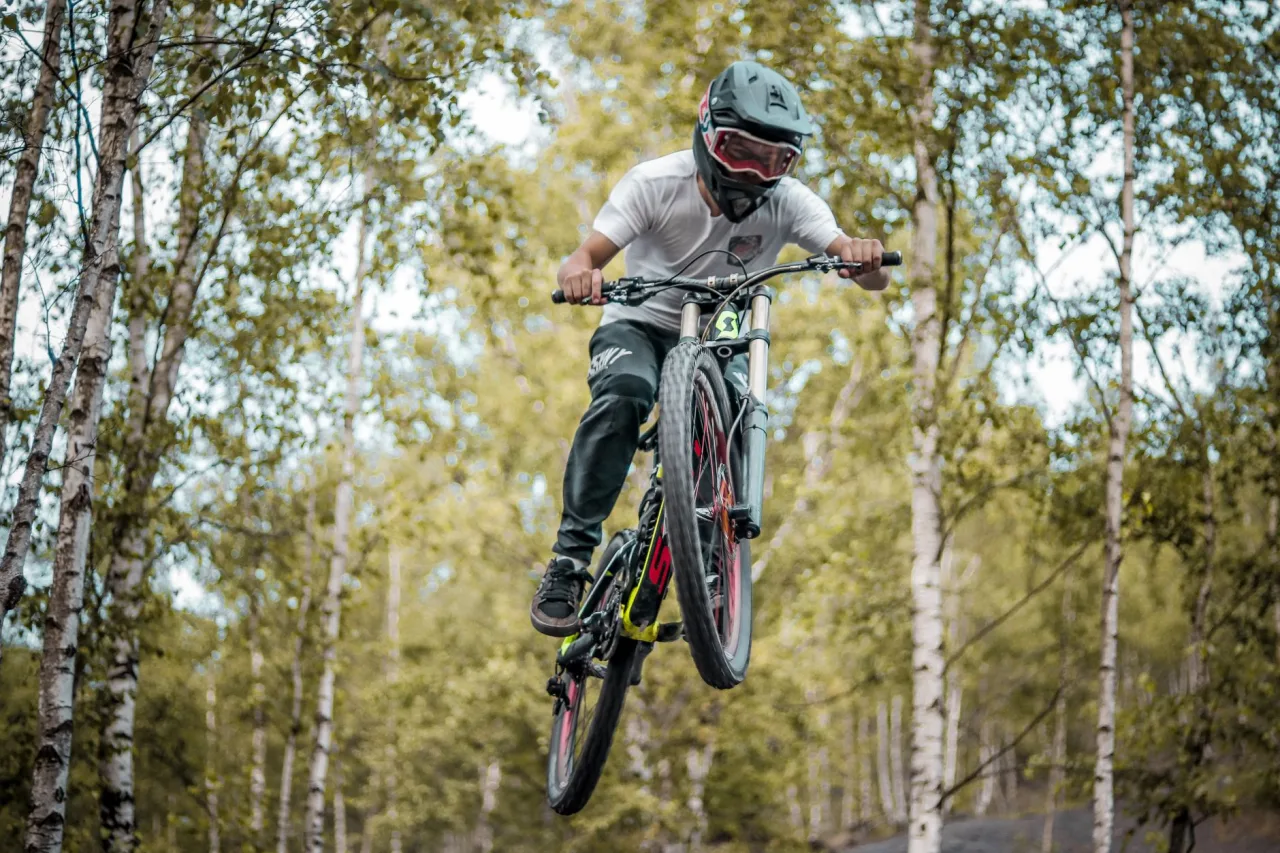
MTB is simply shorthand for mountain bike, but the moment you start shopping you discover it is not one thing at all. The term covers everything from light, fast cross-country machines to burly downhill rigs, and the "best MTB" is always the one that matches your terrain, your budget and your body. This guide decodes the categories, shows you how to judge the best mtb for your riding, and explains where the money actually goes.
The short version
- MTB is a family of bikes sorted by discipline: cross-country, trail, enduro and downhill. Match the category to where you ride before comparing models.
- The "best mtb bikes" lists you see are opinions, not verdicts. Use honest criteria (fit, brakes, suspension quality) rather than a ranking someone else made.
- Most riders are best served by a quality hardtail or a mid-travel trail bike, not the longest-travel machine in the shop.
- Prices vary widely by region and spec. Treat any figure as a range and confirm current pricing with a local shop before buying.
What MTB actually means
MTB stands for mountain bike, a bicycle built for off-road cycling on unpaved trails, fire roads and technical terrain. As the Wikipedia mountain bike article explains, these bikes share features like wide knobby tyres, powerful brakes, a strong frame and usually suspension, but they come in several configurations tuned for very different riding. When people search for an "mtb cycle" or the "best mtb," they are usually really asking which of these configurations suits them.
The quickest way to understand the category is to stop thinking about brand names and start thinking about discipline. A cross-country racer and a downhill rider both ride an MTB, yet their bikes have almost nothing in common in weight, travel or geometry. Our broader mountain bike guide covers the fundamentals, while this page focuses on choosing the right MTB and reading through the marketing.
The MTB disciplines, decoded
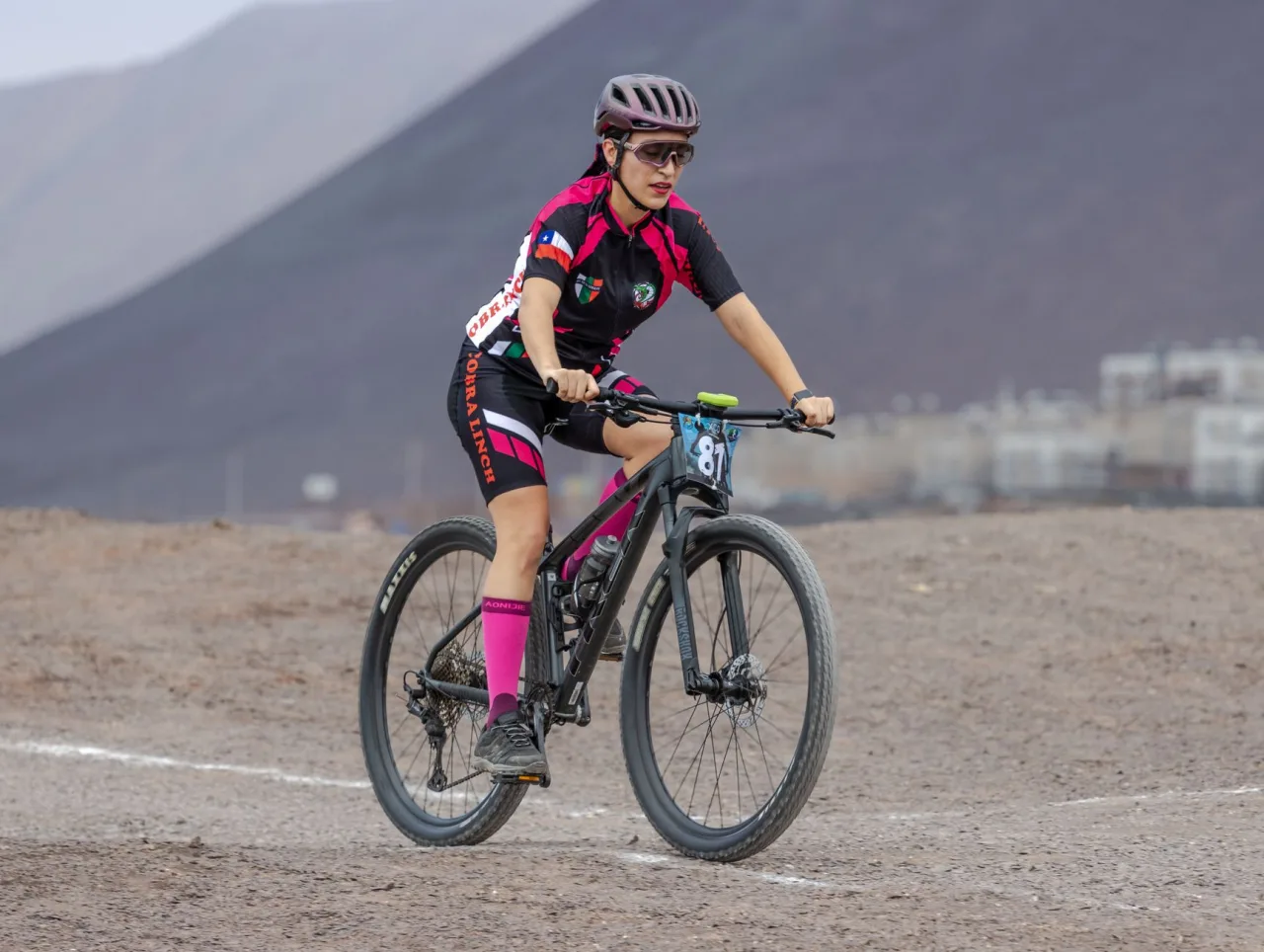
Modern mountain bikes divide into four broad disciplines. Each has a typical amount of suspension travel and a clear intended use, and knowing them turns a confusing spec sheet into an easy shortlist.
- Cross-country (XC): light bikes with short travel, built to climb and cover distance efficiently. Ideal for smoother trails, fitness riding and racing.
- Trail: the all-rounder most riders want. Enough travel to handle rough descents, still efficient enough to pedal all day. If in doubt, start here.
- Enduro: long-travel bikes designed to descend fast and still pedal back up. Capable but heavier and more bike than a casual rider needs.
- Downhill (DH): maximum-travel machines for lift-served or shuttled descents. Not designed to pedal uphill and overkill for general trail riding.
For a closer look at the steepest end of the sport, see our downhill bikes guide. If you like the idea of pedal assistance on the climbs, an electric MTB keeps the same trail capability while flattening the ascents.
Hardtail or full suspension
After discipline, the biggest decision is suspension. A hardtail has a suspension fork up front and a solid rear, while a full suspension bike is sprung at both ends. Each has a genuine case.
- Hardtail: lighter, cheaper, simpler to maintain and efficient to pedal. An excellent first MTB and still popular for XC and general trail use.
- Full suspension: more comfortable and controlled on rough, rocky terrain, at the cost of extra weight, price and servicing.
A common mistake is buying a cheap full-suspension bike over a good hardtail at the same price. The suspension parts on a bargain full-suspension frame are often the first thing to disappoint. Our dedicated full suspension bike guide explains what to look for so your money buys real performance rather than the appearance of it.
Tip: buy the frame, upgrade the rest later
Components like tyres, grips and even brakes can be improved over time, but the frame and its geometry are fixed for the life of the bike. Prioritise a well-fitting frame from an established brand, then upgrade the wear parts as they need replacing.
How to judge the "best MTB" honestly
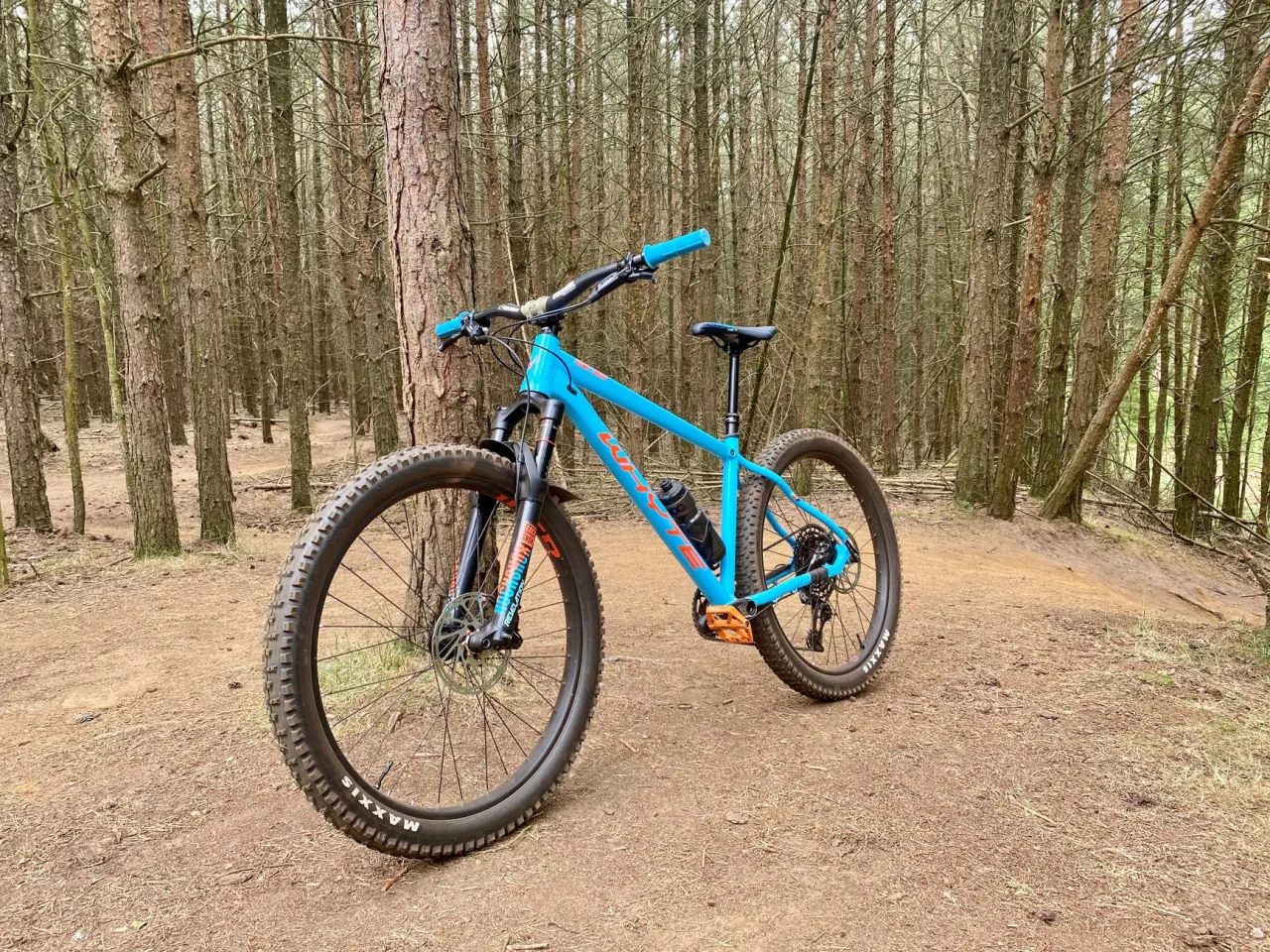
Search results are full of "best mtb bikes 2023" and "top mtb cycle" lists, and they can be useful for spotting popular models. What they cannot do is tell you which bike is best for you, because that depends on your terrain, size and budget. Instead of trusting a ranking, judge any candidate against a consistent set of criteria.
- Fit first. The right frame size and a comfortable reach matter more than any component. A bike that does not fit will never feel good.
- Brakes. Hydraulic disc brakes give strong, consistent stopping on long descents and in the wet. Prioritise them over mechanical discs.
- Suspension quality over quantity. A well-made fork with less travel beats a cheap one with more. Look at the fork and shock brand, not just the millimetre figure.
- Drivetrain range. A wide-range single-chainring setup is simple and reliable, and gives enough gears for most climbs.
- Tyres for your terrain. Grippier tyres for loose ground, faster-rolling ones for hardpack. Tyres are cheap to change and transform how a bike feels.
Established brands publish full geometry and spec tables, which lets you compare like for like. Manufacturers such as Trek and Specialized are good reference points for how a category is specced at each price. For real model examples, our Trek Marlin 5 review looks at a popular entry hardtail.
MTB budget tiers and what changes
Prices move constantly and differ by country, so treat these as broad tiers rather than exact numbers, and always confirm locally. The pattern of what improves as you spend more is more useful than any single price.
- Entry level: usually a hardtail with a basic air or coil fork and mechanical or entry hydraulic brakes. Fine for smoother trails and learning.
- Mid range: better hydraulic brakes, a quality air fork, a dropper post and a wide-range drivetrain. This is the sweet spot for most trail riders.
- High end: lighter frames, premium suspension with more adjustment, and top-tier drivetrains. Real gains, but diminishing returns for casual riders.
Wherever you land, remember to budget for a helmet, gloves and basic tools alongside the bike. Skimping on protection to afford a slightly nicer frame is a poor trade.
Sizing, setup and safety
An MTB only performs when it is set up for you. Frame size comes first, but a few adjustments make a large difference to comfort and control.
- Frame size: use the brand's size chart against your height and inside leg, and if you are between sizes, consider your riding style and reach preference.
- Suspension sag: set the amount the suspension compresses under your weight, typically a fixed percentage of travel, so it works as designed.
- Tyre pressure: lower pressures grip better off-road but risk pinch flats. Find the balance for your weight and terrain.
- Helmet and protection: non-negotiable. See our bike helmet guide for choosing and fitting one correctly.
A good shop will handle much of this at purchase and check it at the first service. If you want help finding one, our guide to finding trusted MTB shops explains what to look for in a specialist dealer.
Looking after an MTB
Off-road riding is hard on a bike, so a little routine care protects your investment and keeps it safe.
- Clean and dry the bike after wet or muddy rides so grit does not grind down the drivetrain and pivots.
- Lubricate the chain after cleaning, then wipe off the excess so it does not attract dirt.
- Check tyre pressure, brake pads and bolts regularly, since all of these change with use.
- Book periodic professional servicing, especially for suspension, which needs specialist attention over time.
Kept clean and serviced, a quality MTB lasts many years and holds its value better if you sell it on.
Frequently asked questions
What does MTB stand for?
MTB stands for mountain bike, a bicycle designed for off-road cycling on trails and rough terrain. The term covers several disciplines, from lightweight cross-country bikes to long-travel downhill machines, so knowing which type you need matters more than the label itself.
Which is the best MTB for a beginner?
For most beginners, a quality hardtail or a mid-travel trail bike from an established brand is the best starting point. Rather than trusting a "best mtb" ranking, prioritise a frame that fits you, reliable hydraulic disc brakes and good suspension quality, then confirm current pricing with a local shop.
Is a hardtail or full suspension MTB better?
Neither is simply better. A hardtail is lighter, cheaper and easier to maintain, which suits cross-country and smoother trails. Full suspension is more comfortable and controlled on rough, rocky terrain but costs more and needs more servicing. At a tight budget, a good hardtail usually beats a cheap full-suspension bike.
How much should I spend on an MTB?
Prices vary widely by region and spec, so think in tiers rather than exact figures. Entry-level hardtails suit smoother trails and learning, mid-range bikes add better brakes, suspension and a dropper post for most trail riders, and high-end bikes offer real but diminishing gains. Always budget for a helmet and basic gear too, and confirm pricing locally.
Can I use an MTB on the road?
Yes, though it will feel slower and less efficient than a road or hybrid bike because of its knobby tyres and upright position. If you ride mostly on pavement with occasional trails, a hybrid or gravel bike may suit you better, while dedicated trail riders should stick with a proper MTB.
More guides on Mountain Bikes & MTB
Have a question or a topic to suggest?
We read every message. Tell us what you would like to see next on the blog.
Get in touchYou may also like
Bike Gear
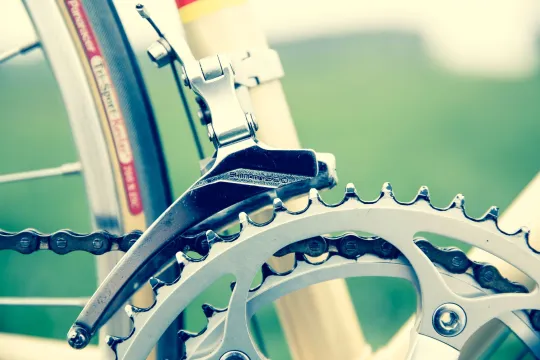
Ask two cyclists about "bike gear" and you will get two different answers. One means the gears on the drivetrain, the cassette and chainrings that let you pedal comfortably up a hill or fast on the flat.
Full Suspension Bike
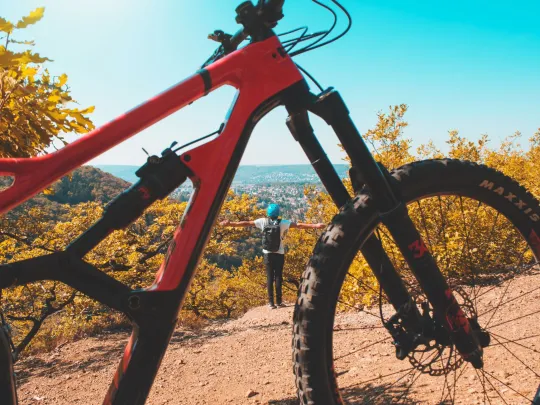
A full suspension bike smooths out rough trails by springing both the front wheel and the rear, giving you more comfort, grip and control when the ground gets nasty.
Second Hand Bikes Near Me: Find Trusted
Searching "second hand bikes near me" is the easy part. Turning those results into a good bike at a fair price, without inheriting someone else's problems, is where it gets tricky.