Maintenance & How-To · Maintenance & How-To
Bike Gear
Ask two cyclists about "bike gear" and you will get two different answers.
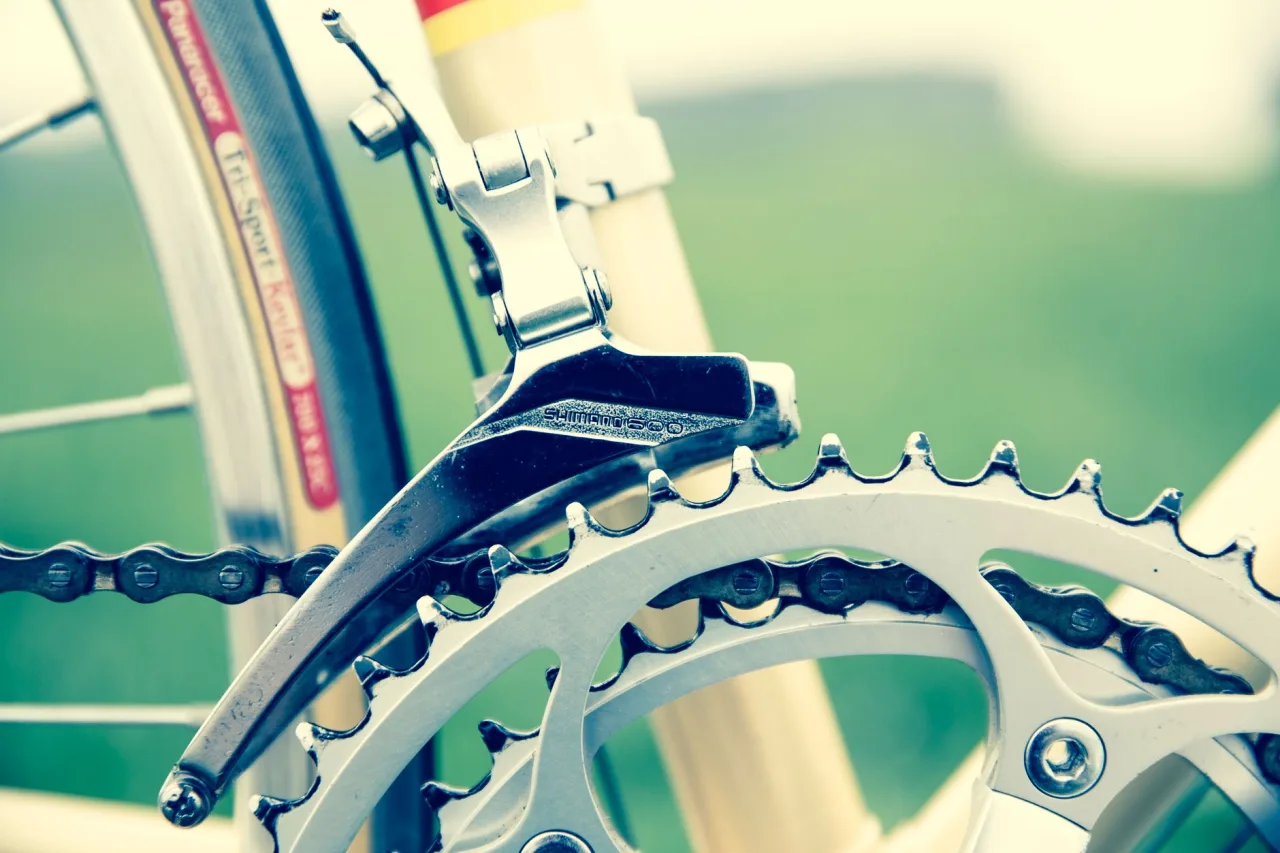
Ask two cyclists about "bike gear" and you will get two different answers. One means the gears on the drivetrain, the cassette and chainrings that let you pedal comfortably up a hill or fast on the flat. The other means the kit: helmet, lights and tools. This guide focuses on the mechanical gears, how they work, how to shift well and how to choose the right gearing, then points you to the right place for the kit side.
The short version
- Bike gears change how hard you have to pedal for a given speed, letting you keep a steady, comfortable rhythm on any terrain.
- Most modern bikes use a derailleur system, though internal hub gears are a low-maintenance alternative for commuters.
- Shift early and often, ease off the pedals as you shift, and avoid extreme cross-chain combinations to protect the drivetrain.
- The "right" gearing depends on your terrain and legs, not on having the most gears. More is not automatically better.
What bike gears actually do
Bike gearing is the part of the drivetrain that sets the relationship between your pedalling rate, called cadence, and how fast the drive wheel turns. As the Wikipedia article on bicycle gearing explains, this lets a rider keep a comfortable pedalling speed across a wide range of terrain and effort. A low gear makes the pedals easy to turn for climbing, and a high gear lets you keep pushing power as speed rises on the flat or downhill.
The point of gears is not raw speed. It is efficiency and comfort. Human legs produce their best sustained power within a fairly narrow cadence band, and gears keep you in that band whether the road tilts up or down. Get comfortable using them and long rides become far less tiring.
Derailleur gears versus hub gears
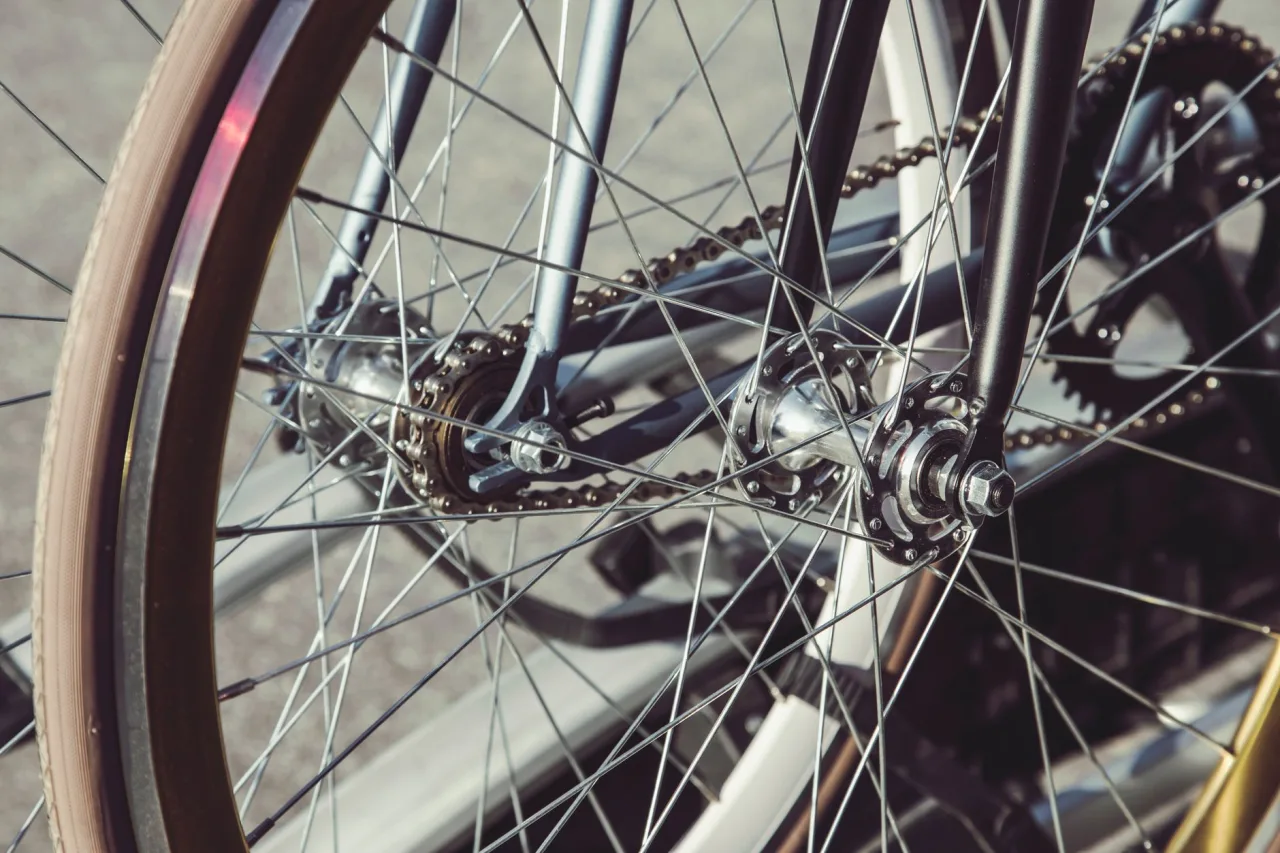
Almost every bike gear system falls into one of two families. Understanding the difference helps you pick a bike that matches how much maintenance you want to do.
- Derailleur gears: the visible chain, cassette and mechs on most road, mountain and gravel bikes. They offer many ratios, low weight and high efficiency, but the exposed parts need regular cleaning and occasional adjustment.
- Internal hub gears: the gears are sealed inside the rear hub. Fewer ratios and slightly more weight, but very low maintenance and able to shift while stationary, which suits commuters and city bikes.
Neither is better in the abstract. A performance rider on varied terrain benefits from a wide derailleur range, while a daily commuter may prefer the set-and-forget simplicity of a hub. If you are choosing a bike, our complete bike guide covers how gearing fits into the wider choice of bike type.
How to read gear numbers
Gearing is often described by the number of chainrings at the front and sprockets at the rear. The trend on modern bikes is toward fewer chainrings and a wider spread at the back.
- 1x (one by): a single front chainring with a wide-range rear cassette. Simple, reliable and popular on mountain and gravel bikes because there is less to go wrong.
- 2x (two by): two front chainrings for a broader overall range and closer steps between gears, common on road bikes where riders want fine control of cadence.
- 3x (three by): three chainrings, once standard on touring and hybrid bikes for a very wide range, now less common as cassettes have grown.
What matters is the total spread and the size of the jumps, not the raw gear count. A modern 1x setup can offer a range that once needed three chainrings, with far less complexity.
Tip: avoid cross-chaining
Running the chain at an extreme angle, such as the largest front chainring with the largest rear sprocket, stresses and wears the drivetrain and can shift poorly. Keep the chain roughly in line by using the smaller front ring for the larger rear sprockets and the larger front ring for the smaller ones.
How to shift gears smoothly
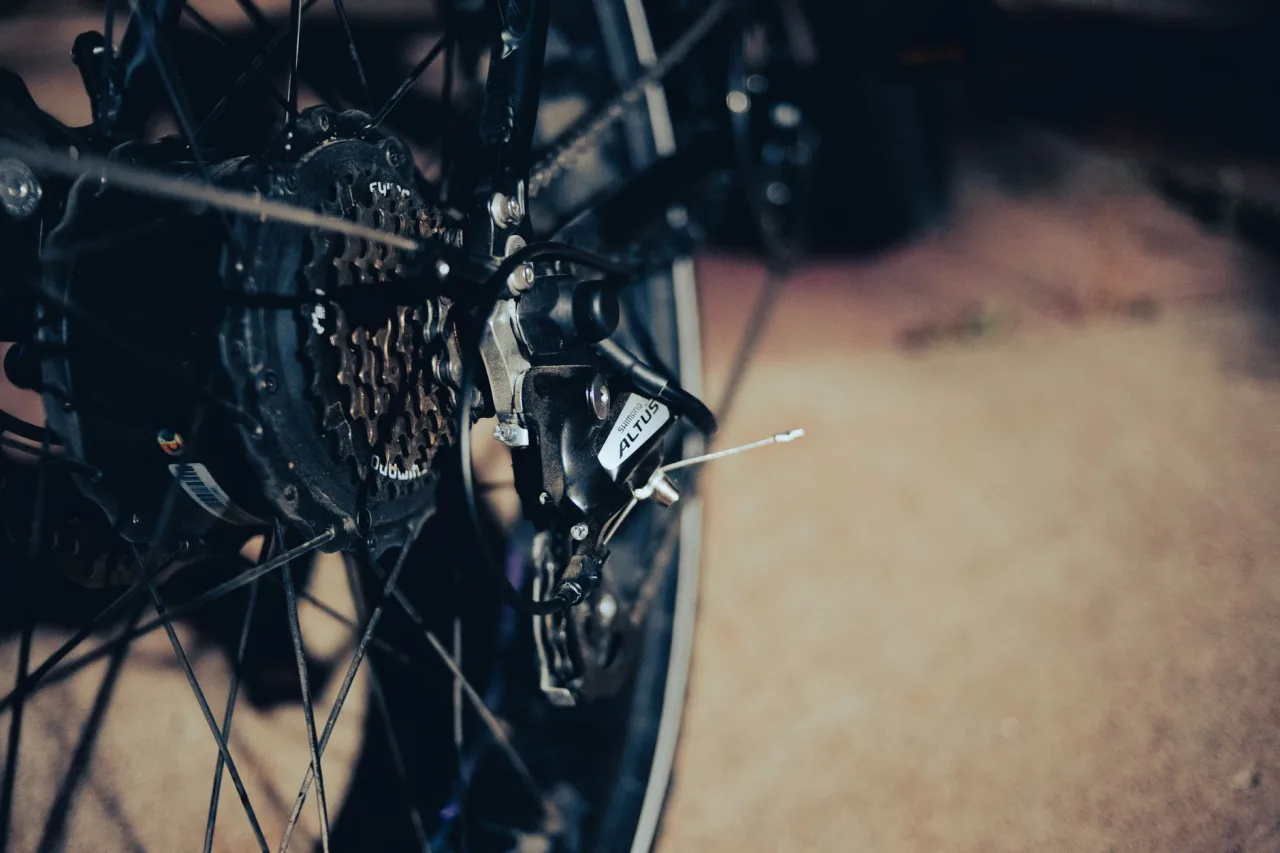
Good shifting is a skill, and it protects your drivetrain as much as it saves your legs. A few habits make every ride smoother.
- Anticipate. Shift to an easier gear before you reach a hill, not halfway up it under full load.
- Ease off as you shift. Reduce pedal pressure for a moment so the chain can move cleanly between sprockets.
- Shift one step at a time under load, giving each change a moment to complete before the next.
- Keep pedalling. Derailleur gears only change while the chain is moving, so keep the cranks turning through the shift.
If shifting feels slow, noisy or hesitant, the cable tension or derailleur alignment may need adjustment. A clean, well-lubricated chain also shifts far better than a dry, dirty one. Our bike chain guide covers cleaning, lubrication and when to replace a worn chain.
Choosing the right gearing for you
The best gearing is the one that keeps your cadence comfortable on the terrain you actually ride. There is no universal answer, but a few questions point you to it.
- How hilly is your area? Steep, frequent climbs call for lower gears (easier ratios), which usually means a larger rear cassette or a smaller front chainring.
- How fast do you ride? Faster riders on the flat benefit from higher gears so they are not spinning out at speed.
- How strong are your legs? Be honest. A wider, easier range costs nothing on the flat but saves you on the climbs.
- Loaded or unloaded? Touring or carrying cargo argues for lower gearing to move the extra weight uphill.
Different bikes come geared for different jobs. A road bike favours higher, closely spaced gears for speed, while a mountain bike prioritises a wide, low range for climbing off-road. Match the bike, and its gearing, to your riding rather than chasing a number.
Maintaining your gears
Gears are among the parts that most reward a little routine care, because dirt and wear show up quickly as poor shifting.
- Keep the drivetrain clean. A dirty chain and cassette shift badly and wear faster. Clean and re-lube regularly.
- Check chain wear. A stretched chain wears the cassette and chainrings, so replacing it in time saves the pricier parts.
- Watch cable tension. Cables stretch over time, which throws out shifting. A small adjustment usually fixes hesitant shifts.
- Book a service if unsure. Derailleur alignment and indexing are quick jobs for a mechanic and make a big difference.
If a shift problem persists after cleaning and basic adjustment, a good local shop can sort it quickly. Our guide to finding a trusted local bike shop explains how to choose a dependable mechanic.
What about the other kind of bike gear
If by "bike gear" you meant the kit rather than the drivetrain, the essentials are a helmet, lights, a lock, gloves and a basic repair kit. The single most important item is a well-fitting bicycle helmet, whose design and safety standards Wikipedia covers in detail. That side deserves its own attention, and our cycling gear guide covers clothing and accessories in detail, while the bike helmet guide handles fit and choice. Whichever meaning you had in mind, getting the basics right makes cycling safer and far more enjoyable.
Frequently asked questions
What do bike gears actually do?
Bike gears set the relationship between how fast you pedal and how fast the wheel turns, letting you keep a comfortable pedalling rhythm across different terrain. A low gear makes climbing easier, and a high gear lets you keep applying power at higher speeds on flat or downhill sections.
Are more gears always better?
No. What matters is the total range and the size of the steps between gears, not the raw count. A modern single-chainring setup can cover a very wide range with fewer parts, and having more gears mainly adds complexity if you never use the extremes.
Should I choose derailleur or hub gears?
Derailleur gears offer many ratios, low weight and high efficiency but need regular cleaning and adjustment, which suits performance and varied riding. Internal hub gears are heavier with fewer ratios but very low maintenance and can shift while stopped, which suits commuters and city riders.
Why do my gears shift poorly?
The most common causes are a dirty or worn chain, stretched cables that have lost tension, or a derailleur that needs realignment. Cleaning and lubricating the drivetrain fixes many issues, and a small cable-tension adjustment fixes many more. If problems persist, a shop can index the gears quickly.
What is cross-chaining and why avoid it?
Cross-chaining is running the chain at an extreme angle, such as the biggest front chainring with the biggest rear sprocket. It stresses and wears the drivetrain and can shift poorly. Keep the chain roughly in line by pairing the smaller front ring with larger rear sprockets and the larger front ring with smaller ones.
More guides on Maintenance & How-To
Have a question or a topic to suggest?
We read every message. Tell us what you would like to see next on the blog.
Get in touchYou may also like

MTB Bike
MTB is simply shorthand for mountain bike, but the moment you start shopping you discover it is not one thing at all. The term covers everything from light, fast cross-country machines to burly downhill rigs
Full Suspension Bike
A full suspension bike smooths out rough trails by springing both the front wheel and the rear, giving you more comfort, grip and control when the ground gets nasty.
Second Hand Bikes Near Me: Find Trusted
Searching "second hand bikes near me" is the easy part. Turning those results into a good bike at a fair price, without inheriting someone else's problems, is where it gets tricky.