Electric Bikes · Electric Bikes
Scott E-Bike
Scott is a Swiss-based cycling giant with deep roots in mountain and road racing
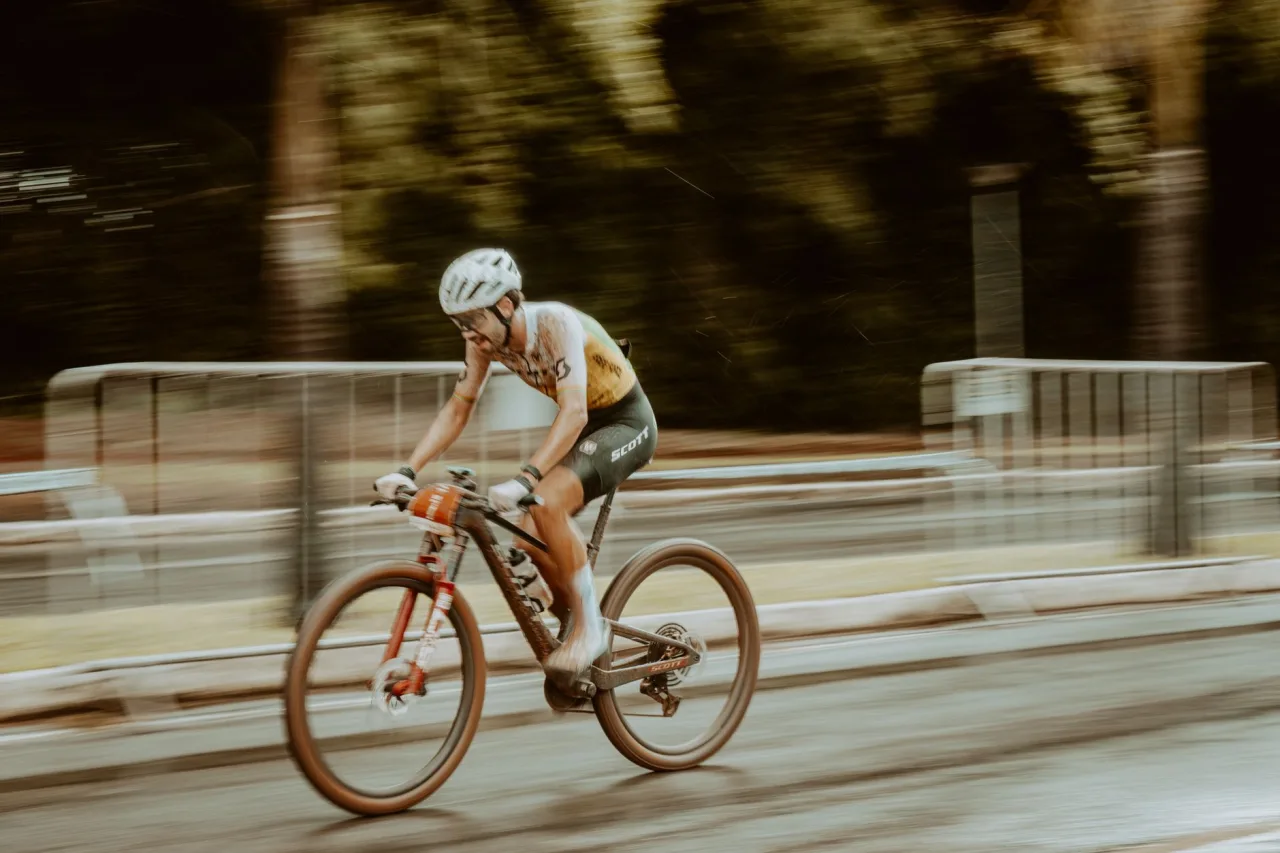
Scott is a Swiss-based cycling giant with deep roots in mountain and road racing, and its electric bikes carry that performance pedigree onto trails and commutes. If you are considering a Scott e-bike, this guide explains the brand's history, how its eRIDE electric range is organised, what the motors and prices look like, and how to work out which model actually fits your riding.
The short version
- Scott Sports was founded in 1958 by Ed Scott and is now headquartered in Givisiez, Switzerland.
- Scott's current electric bikes use the "eRIDE" name and span electric mountain, trekking, and road models.
- They are pedal-assist bikes driven by mid-mounted motors from established partners such as Bosch and TQ.
- Scott is a premium brand: expect commuter models from roughly $3,000 and performance eMTBs running well into five figures. Confirm current prices locally.
Who is Scott and where the brand comes from
Scott Sports was established in 1958 by Ed Scott, an engineer and skier from Sun Valley, Idaho, and originally traded as Scott USA before rebranding to Scott Sports in 2005. The company is now based in Givisiez, Switzerland, with offices across Europe, the United States, South Africa, and India. You can read the background on the Scott Sports page on Wikipedia.
Scott has a long innovation record in cycling, including the clip-on aerodynamic handlebars it introduced in 1990 that Greg LeMond used in his 1989 Tour de France win. It also moved into electric bikes early, launching E-Sub and E-Sportster models in 2011 before evolving into today's broader range. For the pedal-powered side of the brand, see our Scott bicycle review.
The eRIDE range: how Scott organises its e-bikes
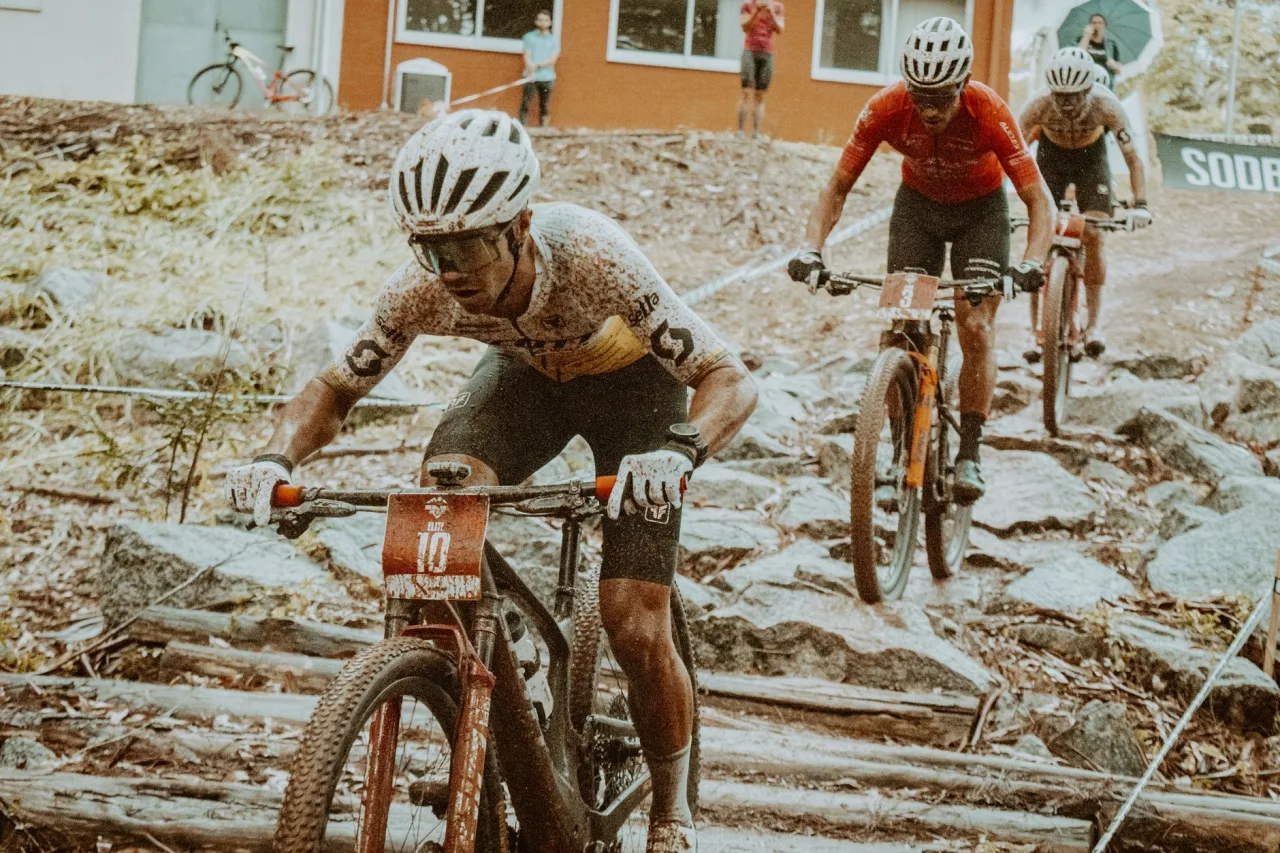
Scott brands its electric bikes with the "eRIDE" suffix, applied across several disciplines. Model names and generations change yearly, so treat the families below as a map rather than a fixed catalogue, and confirm the current lineup with a dealer.
- Electric mountain bikes: the core of the range, covering full-power trail and enduro machines as well as lighter, more natural-feeling eMTBs.
- Trekking and SUV models: versatile bikes for commuting, touring, and mixed-surface riding, usually with racks, lights, and mudguards.
- Electric road bikes: drop-bar models with discreet assist aimed at riders who want help on climbs without losing road-bike feel.
If a trail bike is your goal, compare the wider category in our electric mountain bike guide and the more technical electric MTB guide.
Motors, assist, and how Scott e-bikes ride
Scott e-bikes are pedal-assist, meaning the motor amplifies your pedaling rather than driving on a throttle. Scott uses mid-mounted motors from established suppliers such as Bosch and TQ, positioned near the cranks to keep weight low and central for better handling.
Assist behaviour is defined by class. Under the common US system, pedal-assist bikes limited to 20 mph are Class 1 and those assisting to 28 mph are Class 3, as explained on the electric bicycle page on Wikipedia. Full-power eMTBs deliver strong torque for steep climbs, while lightweight systems trade some peak power for lower weight and a ride that feels closer to a normal bike. For the fundamentals, see our complete guide to electric bikes.
Full power vs lightweight
A full-power eMTB gives the most assist and range but weighs more. A lightweight eMTB is easier to handle and more playful but has less peak power and a smaller battery. Ride both if you can before deciding.
Scott e-bike pricing: what is realistic
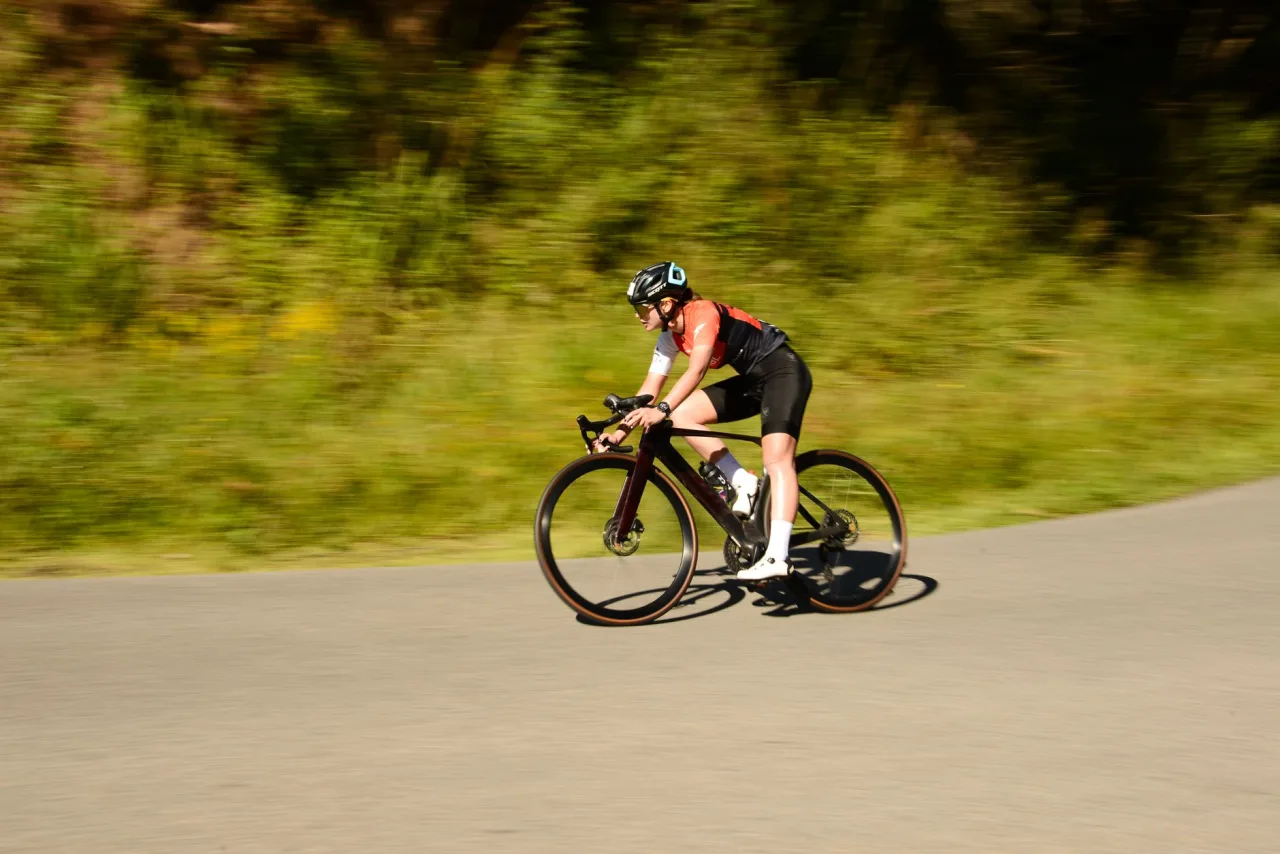
Scott sits at the premium end of the market. The ranges below are typical and vary by model, generation, region, and specification, so use them as a guide and confirm the current figure with a dealer.
- Trekking and commuter eRIDE models: roughly $3,000 to $5,500.
- Full-power electric mountain bikes: roughly $5,000 to $11,000.
- Lightweight performance eMTBs: roughly $7,000 to $13,000 for top builds.
- Electric road models: roughly $6,000 to $12,000.
Those are serious numbers, so cross-check them against the market in our guide to real electric bike prices in 2026 before you commit.
Choosing the right Scott e-bike
Work through these steps to land on the right model rather than the most expensive one.
- Define the terrain. Technical trails point to a full-power eMTB, mixed paths and commuting point to a trekking model, and fast tarmac points to an electric road bike.
- Decide full power or lightweight. Base this on how much you value maximum assist and range versus a lighter, more natural ride.
- Get the frame size right. Fit affects comfort and control more than any spec, so size the bike to your body and reach.
- Confirm class and local rules. Check whether your trails and paths allow Class 1 or Class 3 assist.
For trail-focused buyers, our full-suspension e-bike guide explains how suspension travel maps to riding style.
Servicing, batteries, and buying from a dealer
An e-bike relies on a motor, battery, and electronics that need occasional professional service and firmware updates. Because Scott's motors come from partners like Bosch and TQ, service and diagnostics are best handled through an authorised dealer that has the right tools and software.
Batteries are consumable and lose capacity slowly over years, so plan for eventual replacement as a real cost. Keep the drivetrain clean, store the battery in moderate temperatures, and avoid leaving it fully drained for long spells. To find a workshop you can trust, use our directory of local electric bike shops.
Ride safe, park safe
A performance e-bike deserves a proper helmet and a strong lock. See our helmet guide for fit and standards and our bike lock guide for theft protection.
Is a Scott e-bike worth it?
Scott is a strong pick for riders who want race-bred handling, well-integrated motors, and a bike that performs on demanding terrain. The trade-off is price, and much of the range targets enthusiasts rather than casual commuters. If your riding is gentle and local, a more affordable e-bike will serve you well for far less. Choose based on the terrain you actually ride and the assist you genuinely need, and Scott's premium becomes easier to justify.
Frequently asked questions
Where are Scott e-bikes from?
Scott is a cycling brand founded in 1958 by Ed Scott and now headquartered in Givisiez, Switzerland, having started in the United States. Like most global brands, its bikes are manufactured overseas and sold through a dealer network.
What are Scott's electric bikes called?
Scott brands its electric bikes with the eRIDE name, covering electric mountain bikes, trekking and commuter models, and electric road bikes. Specific model names change yearly, so confirm the current lineup with a dealer.
What motors do Scott e-bikes use?
Scott uses mid-mounted pedal-assist motors from established partners such as Bosch and TQ. The motor sits near the cranks to keep weight low and central, which helps handling on trails and roads.
How much does a Scott e-bike cost?
Commuter and trekking models typically start around $3,000, while performance electric mountain bikes can run well into five figures. These are guide ranges that vary by model and region, so confirm the current price with a dealer.
Are Scott e-bikes pedal-assist or throttle?
They are pedal-assist. The motor amplifies your pedaling and, depending on the model, operates as Class 1 up to 20 mph or Class 3 up to 28 mph, which affects where you can legally ride.
More guides on Electric Bikes
Have a question or a topic to suggest?
We read every message. Tell us what you would like to see next on the blog.
Get in touchYou may also like
Mongoose Bike
Mongoose is one of the most recognised names in cycling, a brand that grew up on BMX tracks in the 1970s and now sits on the floor of nearly every big-box and bike shop in the country.
Specialised E-Bike
Search for a "Specialised e-bike" and you are almost certainly looking for Specialized, the American brand whose Turbo range is one of the most respected in electric cycling.
Orbea E-Bike
Orbea is a Spanish cycling institution, a worker-owned cooperative with nearly two centuries of history and a modern electric range that spans road, gravel, mountain, and city riding.