Brand Guide · Cycling (General)
Rockrider Bike Guide
What Decathlon's Rockrider brand offers, how the range works, honest price ranges and how to pick the right model.

Rockrider is the mountain bike brand of Decathlon, the giant French sporting goods retailer, and it has built a reputation for delivering usable, well specified bikes at accessible prices. If you are weighing a Rockrider bike, this guide explains what the brand is, where it fits in the market, how the range is structured, and how to judge whether a specific model suits your riding. We stick to verified facts and honest price ranges, so you can decide with clear eyes.
The short version
- Rockrider is Decathlon's in house mountain bike brand, sold through Decathlon stores and online.
- It is known for value: solid components for the money, from entry hardtails upward.
- Model names and specs change over time, so confirm the current lineup and prices at Decathlon.
- Judge any Rockrider the way you would any bike: frame, fork, brakes, drivetrain and fit for your terrain.
What is Rockrider
Rockrider is one of Decathlon's category specialist brands, dedicated to mountain biking. Wikipedia's article on Decathlon confirms Rockrider as the company's mountain biking brand, alongside other in house cycling brands such as BTwin and the road focused Van Rysel. Because Decathlon designs, manufactures and sells these bikes directly, it can cut out middle margins and offer competitive prices, which is the core of the brand's appeal.
That direct to consumer model is why Rockrider often appears in value comparisons. You are buying a bike engineered by a large company with real research resources, sold without the usual dealer markup. If you are still deciding whether a mountain bike is the right category for you, our mountain bike guide and the broader types of bicycles guide are good starting points.
Where Rockrider fits in the market

Rockrider's strength is the entry to mid range segment. The brand aims to get new and intermediate riders onto capable bikes without the premium pricing of boutique marques. That does not mean it only makes beginner bikes. The range has broadened over the years to include more capable trail oriented models, but the value positioning remains the throughline. For a first real mountain bike, or a sensible second bike, it is a name that regularly earns consideration.
As with any brand, quality scales with price. Entry models prioritise durability and function over light weight, while pricier models bring better forks, hydraulic brakes and lighter frames. Set your expectations to the tier you are buying, not the flagship.
It also helps to understand why value brands like Rockrider exist. Traditional bike brands sell through independent dealers, and each link in that chain adds margin. Decathlon owns the whole chain, from design to the shop floor, so a Rockrider at a given price often carries components you would pay more for elsewhere. The trade off is that you get less of the boutique cachet and cutting edge technology that flagship marques trade on. For most riders, that is a trade worth making.
Understanding the Rockrider range
Decathlon organises Rockrider into tiers, and the specific model names and numbers change between generations, so always check the current catalogue rather than an old review. In broad strokes the range covers:
- Entry hardtails: rigid rear, suspension fork, mechanical disc or basic hydraulic brakes, aimed at trails, paths and everyday riding.
- Mid range hardtails: better forks, hydraulic disc brakes and wider range drivetrains for more serious trail use.
- Trail and full suspension models: front and rear suspension for rougher, more technical terrain.
- Electric mountain bikes: pedal assist versions for climbing help and longer rides, related to our electric mountain bike guide.
Wikipedia's mountain bike article is a useful reference for the hardtail versus full suspension trade off that shapes these tiers: hardtails are cheaper and more efficient to pedal, while full suspension bikes are heavier and less efficient but far better on rough descents.
What to check on any Rockrider
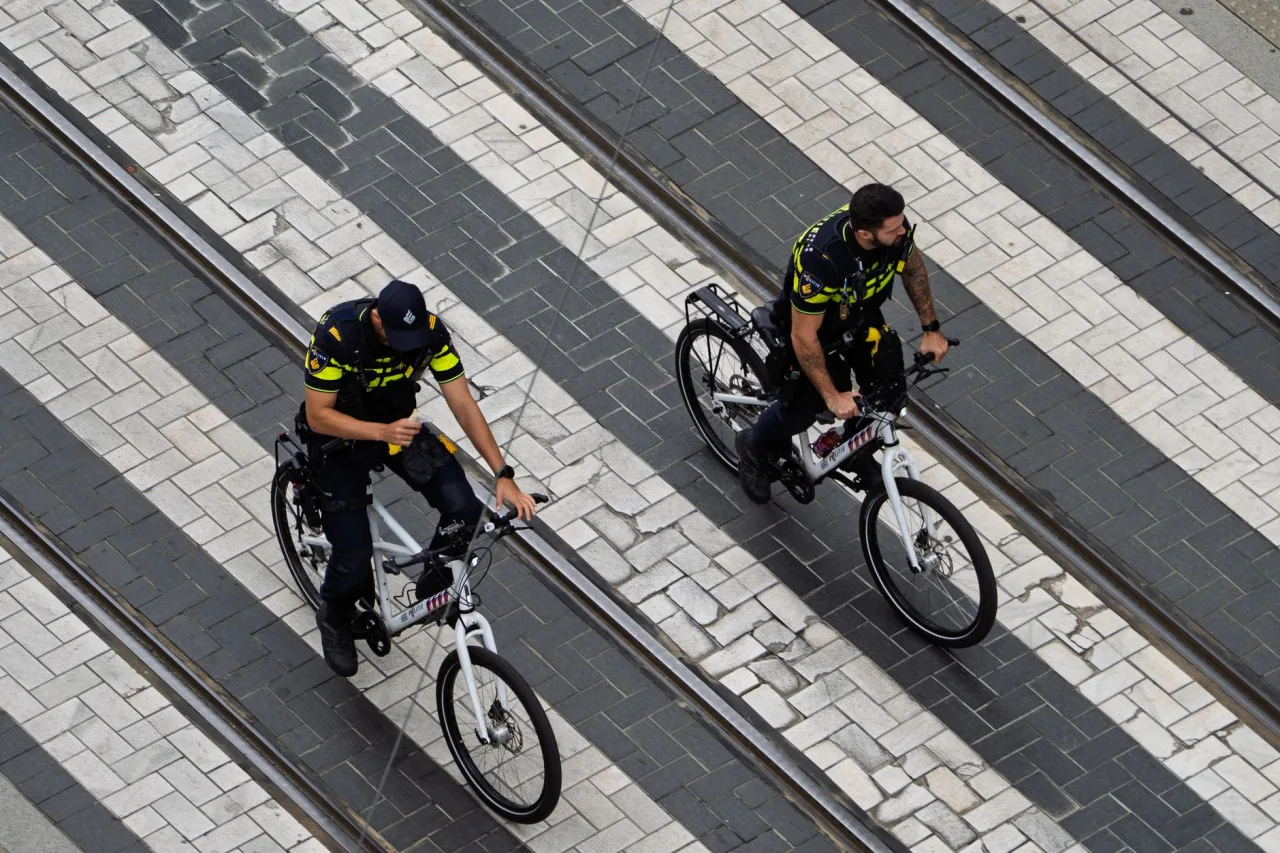
Evaluate a Rockrider the same way you would any mountain bike. Focus on the parts that matter.
- Frame and fit: the right size and standover matter more than the badge. Check the size chart and test ride.
- Fork: an air fork with adjustable damping outperforms a basic coil at higher tiers. Entry forks are functional but simpler.
- Brakes: hydraulic disc brakes offer stronger, more consistent stopping than mechanical discs.
- Drivetrain: gear range matters more than the number of gears. Hilly terrain wants a wide range cassette.
- Wheels and tyres: tyre width and tread should match your terrain.
Buyer tip: match the tier to your trails
- Mellow paths and light trails: an entry or mid hardtail is plenty and easier to maintain.
- Rough, technical descents: step up to a better fork or full suspension rather than overloading a budget frame.
Honest price ranges
Rockrider prices vary by country, model year and specification, so confirm the current figure at Decathlon rather than trusting a fixed number. In general terms, entry hardtails sit at the affordable end of the market, mid range hardtails cost more for better forks and hydraulic brakes, and full suspension and electric models climb further. The consistent theme is that Rockrider tends to offer strong component value for the price compared with many competitors, which is exactly why it appears so often in budget buyer shortlists.
Whatever tier you choose, budget separately for safety kit. A certified helmet is essential, and our bike helmet guide explains how to pick one that fits.
Rockrider versus other value brands
Rockrider is not the only value focused mountain bike brand, so how does it stack up? Its main advantage is Decathlon's scale and physical stores, where you can see and sometimes test the bike before buying, then return to the same store for support. Direct to consumer online brands can occasionally undercut it on paper, but you lose the in person fit help and the convenience of a local return point. Established mainstream brands such as Trek, Giant, Specialized and Cannondale offer deeper dealer networks and resale value, but usually at a higher price for comparable components.
The honest takeaway is that Rockrider competes hardest on price to performance for new and intermediate riders who value convenience. If you want the strongest resale value or the latest suspension technology, look further up the market. If you want a lot of usable bike for sensible money with a store you can walk into, it is a strong contender. Compare like for like on fork, brakes and drivetrain rather than headline price alone.
Buying, servicing and used Rockriders
Rockrider bikes are sold through Decathlon, which also handles warranty and often servicing, and the brand's wide distribution means spare parts and support are generally easy to find. Because so many were sold, Rockrider also shows up frequently on the used market, which can be a smart way to get more bike for your money. If you go used, inspect the frame for cracks, check the fork and drivetrain for wear, and prefer a serviced example. Our second hand bikes guide covers what to look for.
Is a Rockrider right for you
If you want a mountain bike that delivers dependable components without a premium price, Rockrider deserves a place on your shortlist, especially for a first mountain bike or a value focused upgrade. Riders chasing the lightest frames or cutting edge suspension will look at higher end specialist brands, but for the vast majority of everyday and intermediate riders, the value proposition is genuinely strong. As always, match the tier to your terrain, get the fit right, and test ride before you buy.
A final word on expectations. No brand defies physics, and a budget bike will always weigh more and use simpler parts than a premium one. What Rockrider does well is put a genuinely rideable, durable bike within reach of people who might otherwise not ride at all, and it backs that up with the reassurance of a large retailer. Go in knowing which tier your budget buys, ride within the bike's design intent, and it will reward you with years of dependable use.
Frequently asked questions
Who makes Rockrider bikes?
Rockrider is Decathlon's in house mountain bike brand. Decathlon designs, manufactures and sells the bikes directly through its stores and website, which is how it keeps prices competitive.
Are Rockrider bikes any good?
For their price, Rockrider bikes are widely regarded as good value, offering solid components and durable frames aimed at entry and intermediate riders. Quality scales with price, so higher tiers bring better forks, hydraulic brakes and lighter frames.
How much does a Rockrider bike cost?
Prices vary by country, model year and specification. Entry hardtails sit at the affordable end, mid range hardtails cost more, and full suspension and electric models climb further. Confirm the current price at Decathlon rather than relying on a fixed figure.
Is a Rockrider good for beginners?
Yes. The entry and mid range hardtails are a common recommendation for first mountain bikes because they combine reasonable prices with functional, durable components. Match the model to your terrain and get the correct size.
Where can I buy a Rockrider bike?
Rockrider bikes are sold through Decathlon stores and its website, which also handles warranty and servicing. Many also appear on the used market, which can offer extra value if you inspect the bike carefully first.
More guides on Cycling (General)
Have a question or a topic to suggest?
We read every message. Tell us what you would like to see next on the blog.
Get in touchYou may also like

Mountain Bike: The Complete Guide
Everything you need to choose a mountain bike: the main types, wheel sizes, key components, how to pick your first bike and the gear and care that keep it running.
Types of Bicycles
There are more types of bicycles than most people realise, and picking the right category is the single most important choice you will make when buying a bike.
Electric Mountain Bike Guide
How electric mountain bikes work, motor and battery basics, hardtail versus full suspension, real-world range, costs, and how to buy and maintain an eMTB.