Buyer's Guide · Buying Guides & Prices
BMX Bikes for Sale: Complete Guide
Types, sizing, frame materials, and how to tell a genuine BMX from a toy-store lookalike.
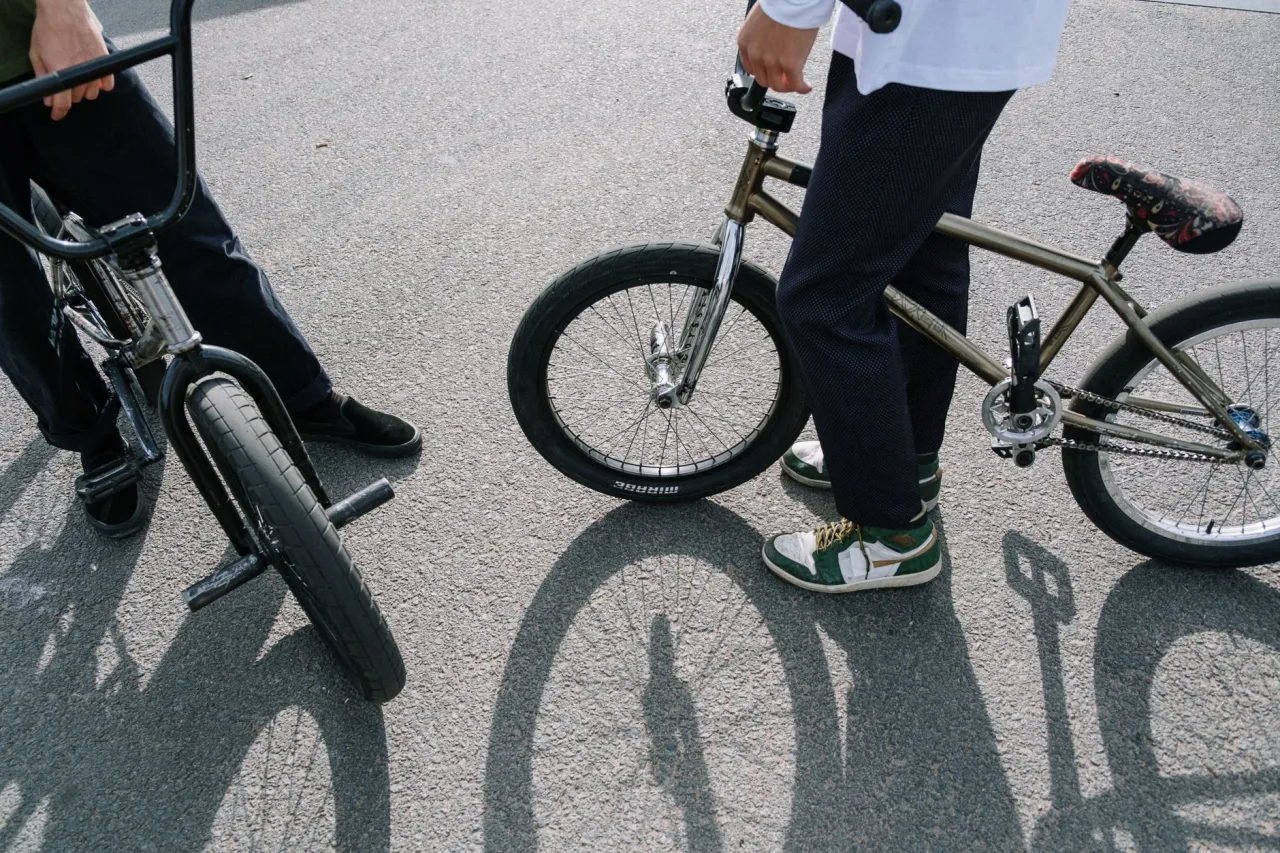
Shopping for a BMX bike means cutting through a lot of similar-looking bikes at very different quality levels. This guide explains the types of BMX bikes actually for sale, how to tell a real BMX from a toy-store lookalike, what to expect at each price range, and how to buy new or used with confidence. Where we mention cost, we use realistic ranges and tell you to confirm current pricing locally, because BMX prices vary by brand and spec.
The short version
- BMX splits into race and freestyle, plus dirt, park, street, and flatland styles that change frame geometry and parts.
- Wheel size tells you the audience: 20-inch is the standard adult and teen size, with smaller sizes for kids.
- Frame material matters: chromoly steel is stronger and lighter than the cheap hi-ten steel on toy-grade bikes.
- Prices vary widely and change often. Confirm current figures with a local shop or the brand rather than trusting a number quoted online.
What counts as a real BMX bike
A BMX bike is a small, strong, single-gear bicycle built for racing or stunt riding. As the Wikipedia article on BMX bikes describes, they are made for cycle sport, either racing on a track or freestyle riding at skateparks and street spots. The defining traits are a compact frame, a single gear, and durable construction that can take repeated impacts.
The most important buying distinction is between a genuine BMX and a toy-store lookalike. Real BMX bikes use stronger frames and parts designed for jumps and hard landings, while cheap imitations use heavy, weak steel and low-grade components that bend or break under real use. If you plan to ride ramps, jumps, or trails, that difference is the whole game.
The main types of BMX bikes for sale
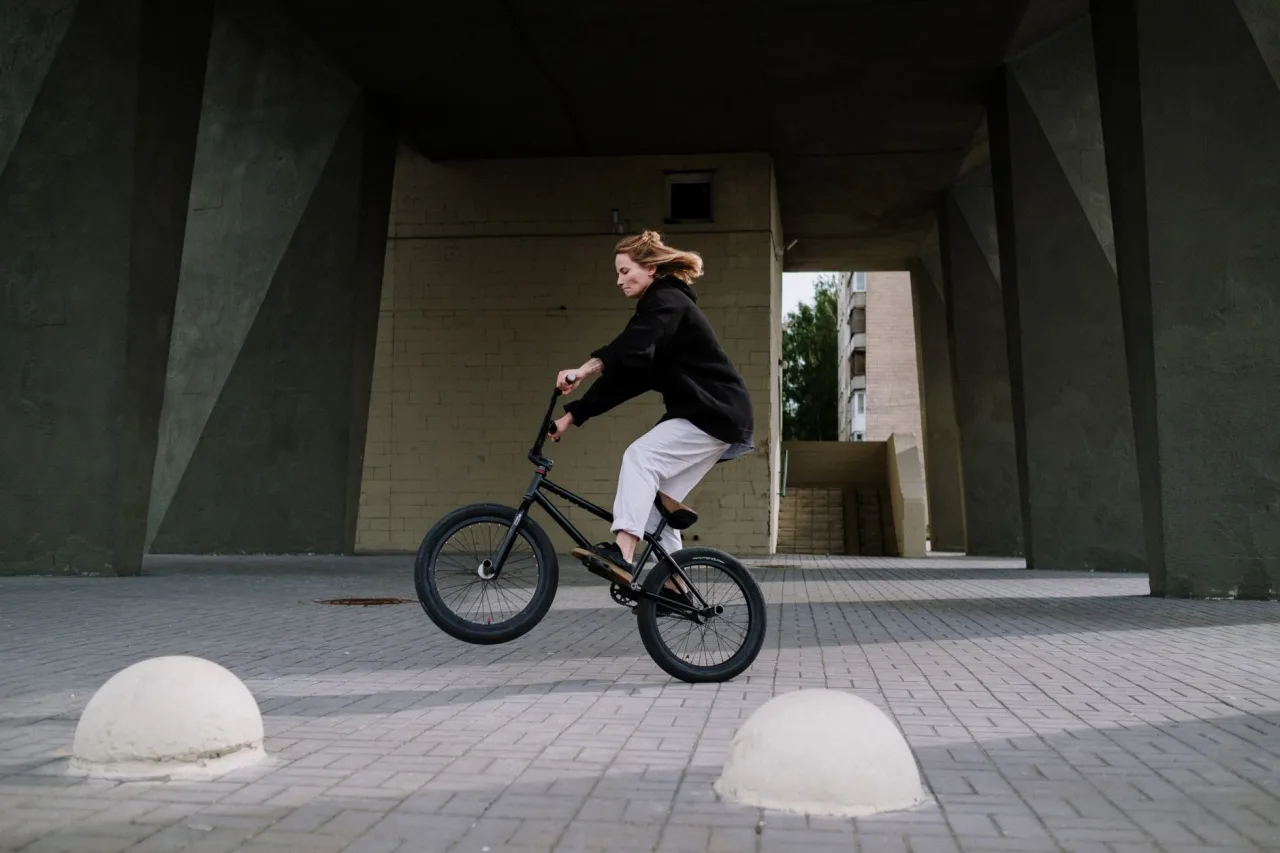
BMX is not one bike, it is a family of styles. Knowing which one you want prevents an expensive mismatch. The exact models change, so treat this as a map of the categories.
- Race BMX. Lightweight bikes built for sprinting around a dirt track, often with aluminum frames and a focus on acceleration.
- Freestyle BMX. Stronger, heavier bikes for tricks at skateparks, on the street, and on ramps, usually chromoly steel with pegs and reinforced parts.
- Dirt jump. A freestyle variant tuned for jumping dirt trails, with grippier tires and durable wheels.
- Park and street. Freestyle setups optimized for concrete parks or urban riding, differing in tire choice, gearing, and small geometry details.
- Flatland. Specialized bikes for balance-based tricks on flat ground, with unique geometry and often four pegs.
If you are still deciding whether BMX is right for you at all, our broader BMX bikes guide covers the discipline in more depth, and our general bike guide helps compare BMX against other bike types.
Wheel size and sizing
Unlike road or mountain bikes, most adult and teen BMX bikes share a single 20-inch wheel size, and fit is adjusted mainly through frame top-tube length rather than a range of wheel sizes. Smaller wheel sizes exist for younger children, and some larger cruiser BMX bikes use bigger wheels for taller riders or racing categories.
- Young kids ride smaller-wheeled BMX bikes sized to their height, covered in our kids' bikes guide.
- Teens and adults ride 20-inch bikes, choosing frame length to match their height and riding style.
- Taller or racing riders may prefer a cruiser BMX with larger wheels for more speed and stability.
Look at the frame material before anything else. Full chromoly (often labeled 4130 chromoly) is the sign of a genuine, durable BMX. A frame made entirely of hi-tensile steel is heavier and weaker, and usually marks a toy-grade bike. Many mid-range bikes use chromoly for the critical tubes and hi-ten elsewhere, which is a reasonable compromise for beginners.
What each price range buys
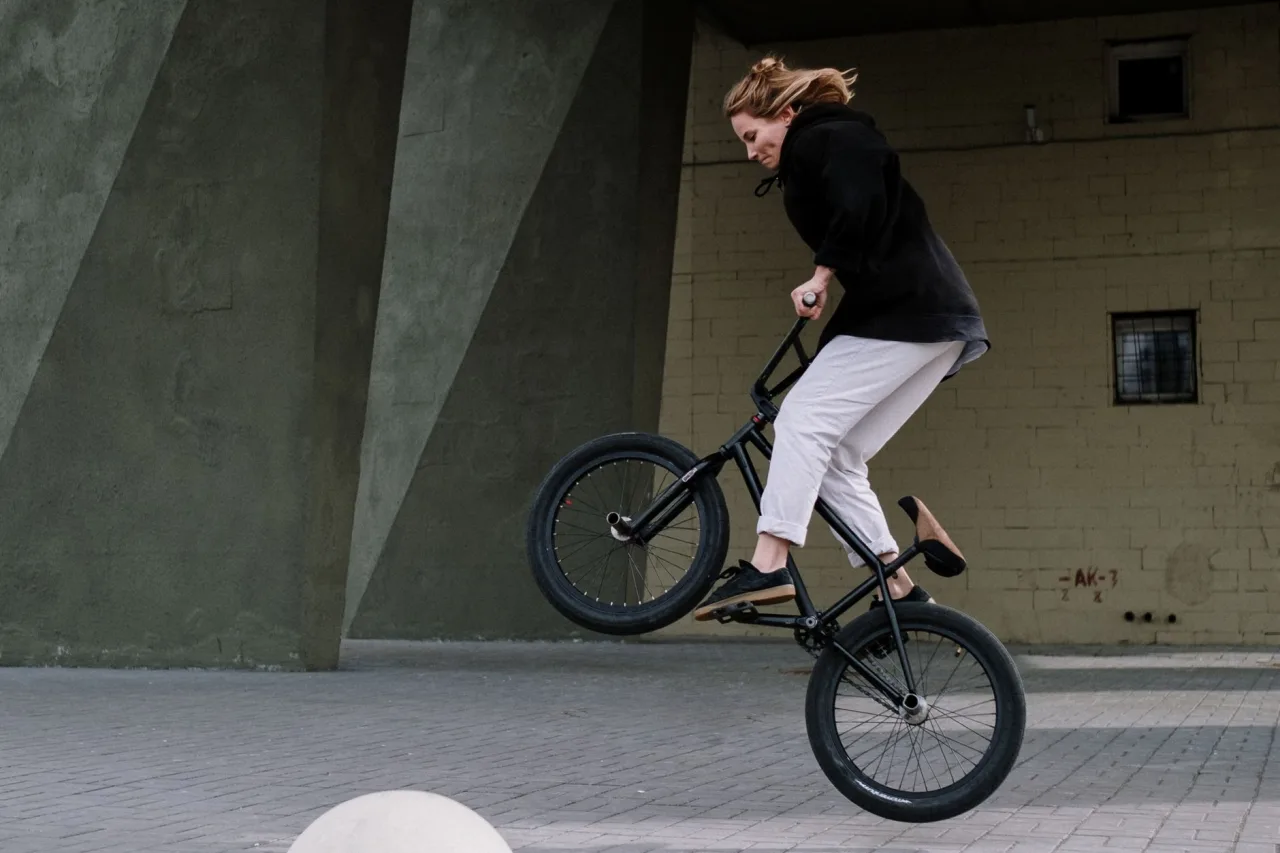
BMX bikes span a wide price range, and each step up buys stronger, lighter parts. These are broad, realistic bands, and actual prices vary by brand, spec, and region, so confirm current figures with a shop.
- Toy-grade. The cheapest bikes sold as BMX in general stores. They look the part but use weak steel and low-grade parts, and they are not built for real jumps or tricks.
- Entry BMX. Genuine BMX bikes from real brands, often with a chromoly down tube and decent parts. A solid starting point for a beginner who wants to ride seriously.
- Mid tier. Full or mostly chromoly frames, better wheels, sealed bearings, and stronger components that survive frequent riding.
- High end. Complete bikes with top-grade chromoly frames and quality parts throughout, aimed at experienced riders, plus the option to build a custom bike from individual parts.
For most beginners who are committed to the sport, an entry to mid-tier bike from a recognized brand is the sweet spot. Toy-grade bikes cost less but often need replacing quickly once real riding begins.
Buying new versus used
BMX bikes hold up well to a used purchase because they are simple, with one gear and few complex parts. A used bike from a real brand can be excellent value, but inspect it carefully.
- Check the frame for cracks, dents, and bends, especially around the welds and the head tube.
- Spin the wheels to check they run true and the bearings feel smooth.
- Test the headset and cranks for play or grinding, which signal worn bearings.
- Confirm the brand and model so you know whether it is a genuine BMX or a lookalike.
Our second-hand bikes guide covers the used-buying process in more depth. For a wider comparison of what is worth buying across categories and budgets, our best bikes by budget guide is a useful companion.
Key parts to check before you buy
Beyond the frame material, a few components separate a bike that will hold up from one that will frustrate you. Scan these when comparing bikes for sale, new or used.
- Wheels and rims. Double-wall rims are far stronger than single-wall ones and resist bending on hard landings, which is why they are standard on better freestyle bikes.
- Bearings. Sealed bearings in the hubs, headset, and bottom bracket last longer and run smoother than loose-ball bearings, and they cope better with dirt and impacts.
- Tires. Race bikes use lighter, faster tires, while freestyle and dirt bikes use grippier, more durable ones. Match the tire to the riding you plan to do.
- Brakes and gyro. Freestyle bikes often use a rear U-brake with a detangler, or gyro, that lets the bars spin without tangling the cable. Some street riders remove brakes entirely, which is a personal choice, not a fault.
- Pegs. If you plan to grind, check whether the bike comes with pegs or whether the axles are compatible with adding them later.
You do not need every premium part to start, but knowing what these components do helps you judge whether a bike is priced fairly and whether it will survive the riding you have in mind.
Where to buy and how to stay safe
A local bike shop is the best place to buy a first BMX because staff can confirm the bike is genuine, check the fit, and assemble it correctly. Shops also handle warranty issues and can service the bike later. Our guide to finding a trusted local bike shop explains what to look for.
BMX riding involves jumps and tricks, so protective gear is not optional. A certified helmet is essential, and many riders add pads for park and street riding. Our helmet guide explains what to look for, and a good lock protects your bike when you are not riding it.
Frequently asked questions
What size BMX bike should I buy?
Most teens and adults ride a 20-inch-wheel BMX, choosing frame top-tube length to match their height and riding style. Younger children ride smaller-wheeled bikes sized to their height, and some taller or racing riders prefer larger cruiser BMX bikes. A shop can help you match the frame length to your body.
How can I tell a real BMX from a toy bike?
The frame material is the clearest sign. A genuine BMX uses chromoly steel, at least on the critical tubes, while toy-grade bikes use heavier, weaker hi-tensile steel throughout. Real BMX bikes also come from recognized brands and use stronger wheels and components built for jumps and landings.
How much does a good BMX bike cost?
Genuine BMX bikes span a wide range, from affordable entry models with a chromoly down tube to high-end complete bikes with full chromoly frames. Exact prices vary by brand, spec, and region, so we do not quote fixed figures. For most committed beginners, an entry to mid-tier bike from a real brand offers the best value. Confirm current pricing with a local shop.
Is it safe to buy a used BMX bike?
Yes, BMX bikes suit used buying well because they are simple and durable. Inspect the frame for cracks and bends, check the wheels run true, test the headset and cranks for play, and confirm it is a genuine brand. A used bike from a real brand can be excellent value compared with a new toy-grade bike.
Where is the best place to buy a BMX bike?
A trusted local bike shop is the best place for a first BMX because staff can confirm it is genuine, check the fit, assemble it correctly, and support it afterward. Experienced riders sometimes buy parts to build a custom bike or shop used markets, but beginners are usually best served by a shop.
More guides on Buying Guides & Prices
Have a question or a topic to suggest?
We read every message. Tell us what you would like to see next on the blog.
Get in touchYou may also like
BMX Bikes: The Complete Guide
A clear guide to BMX bikes: race vs freestyle, the parts that matter, wheel sizing for kids and adults, and realistic prices so you buy the right bike.
Kids Bikes: The Complete Guide
How to buy the right kids bike: wheel-size sizing, balance bikes vs training wheels, bike types, the features that matter, safety, and where to buy.
Second Hand Bikes: Complete Guide
Buy a used bike with confidence: where to look, how to inspect frame, drivetrain and brakes, what to check on a used e-bike, and how to avoid stolen bikes and overpaying.