Gear Guide · Gear & Accessories
Bike Tyres: The Complete Guide
Clincher, tubeless, ISO 5775 sizing, width, pressure, and puncture resistance: choosing the right tyres for any bike.
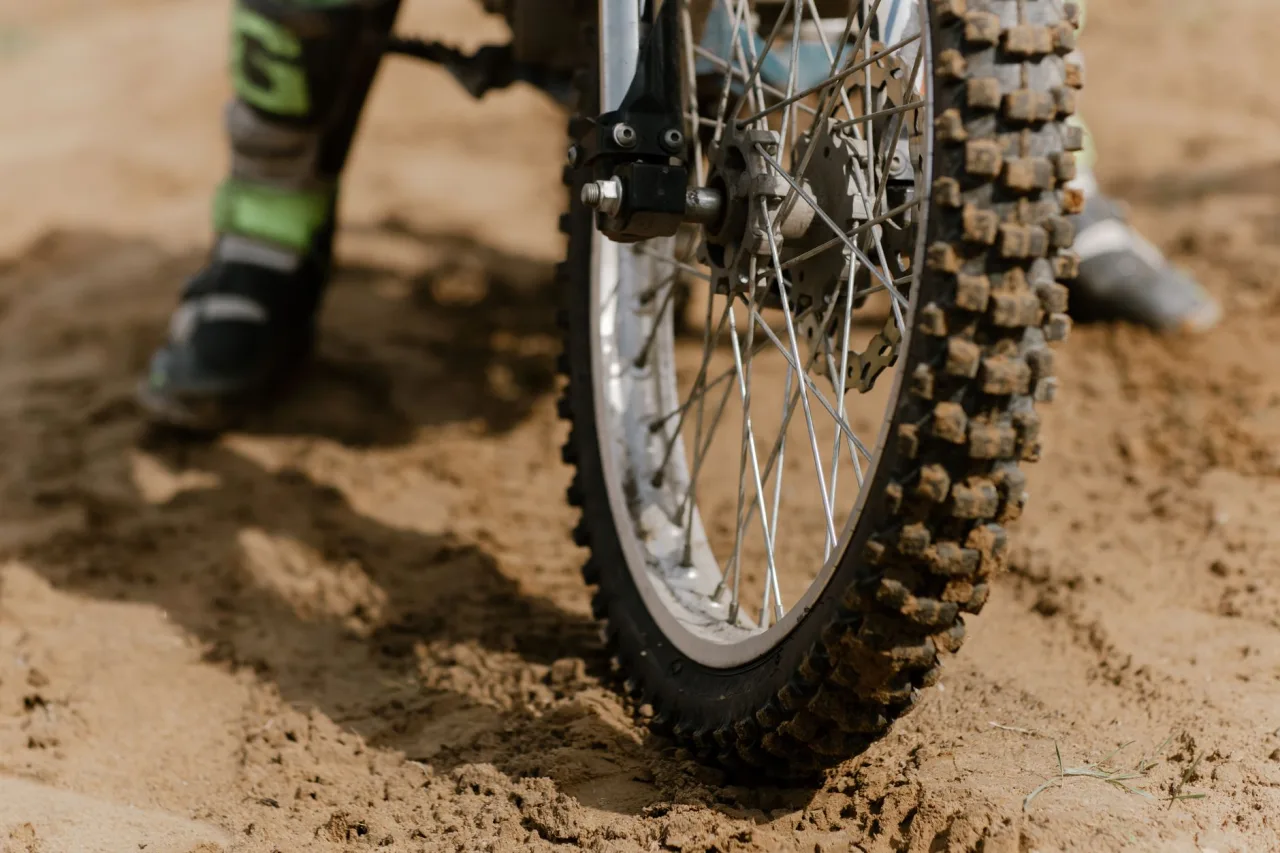
Bike tyres are the only part of your bike that touches the ground, so they shape almost everything about how it rides: grip, comfort, speed, and how often you get a flat. Getting them right is one of the cheapest ways to transform a bike. This guide explains tyre types, sizing, width, pressure, and how to choose the right rubber for your riding.
The short version
- Most bikes use clincher tyres with a separate inner tube. Tubeless setups, common on mountain and increasingly on road, run without a tube for better grip at lower pressures.
- Tyre size is standardised under ISO 5775, shown as numbers like 37-622 that give width and rim diameter.
- Width and pressure together control comfort, grip, and rolling feel. Wider tyres at lower pressure are more comfortable and grippier.
- Prices vary widely by type and quality, so treat any figures as ranges and confirm locally.
Why tyres matter more than you think
Riders often obsess over frames and gears while overlooking the tyres, yet tyres have an outsized effect on the ride. A fresh, well-chosen pair changes grip in the wet, cushioning over bumps, rolling resistance, and puncture frequency. Because tyres are consumable and relatively inexpensive, they are the highest-value upgrade on most bikes. If your bike feels harsh, slow, or prone to flats, the tyres are the first place to look, ahead of the items in our cycling gear guide.
The three main tyre types
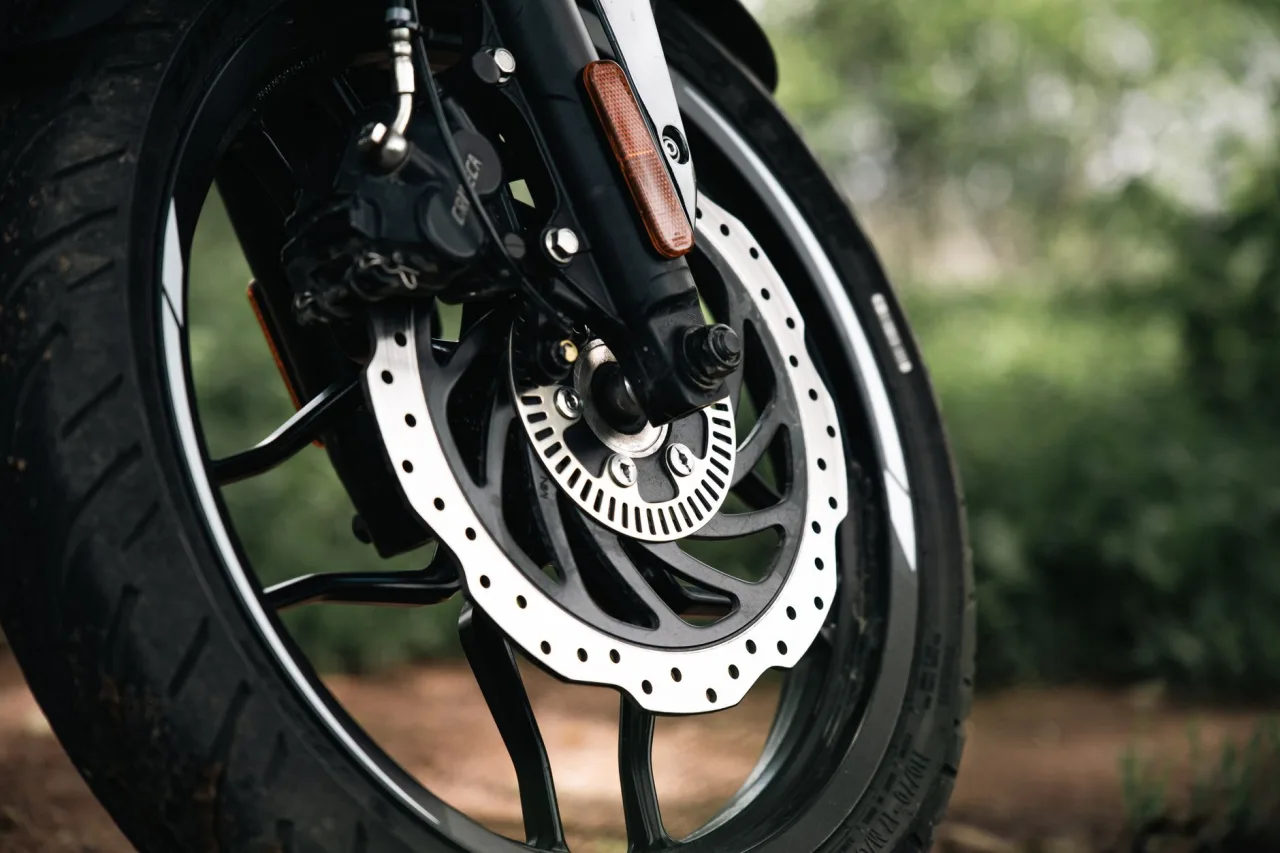
According to Wikipedia's bicycle tire reference, bike tyres fall into three broad constructions:
- Clincher: The most common type, with a wire or Kevlar bead that interlocks with the rim and a separate inner tube inside. Easy to repair and to replace, which is why it dominates.
- Tubular: A torus-shaped tyre glued to a special rim, used mainly in road racing for low weight and ride feel, but awkward to repair.
- Tubeless: The bead interlocks with a matching tubeless rim, but there is no inner tube. Sealant fills small holes automatically, and lower pressures are possible for better traction, which is why tubeless is popular on mountain bikes.
For most riders, clinchers are the sensible default, with tubeless a worthwhile upgrade if your rims support it and you value grip and puncture resistance.
Understanding tyre sizing
Tyre sizing looks confusing because several old systems overlap, but there is one reliable standard. The Wikipedia reference confirms that bicycle tyre sizes fall under ISO 5775, using a designation like 37-622, where the first number is the tyre width in millimetres and the second is the bead seat diameter of the rim. That 622 figure is what most people call 700c, while 559 is a common 26 inch mountain bike size.
The practical rule is simple: match the second number to your rim, and you can then choose different widths within that. Old English (inch) and French (metric) markings still appear on tyres and can be ambiguous, so the ISO number printed on the sidewall is the one to trust.
Buyer tip
- Read the ISO number on your current tyre sidewall before buying, for example 37-622. Match the second number exactly to guarantee the new tyre fits your rim, then choose the first number, the width, to suit your riding. When in doubt, take the wheel or a photo of the sidewall to a shop.
Choosing the right width
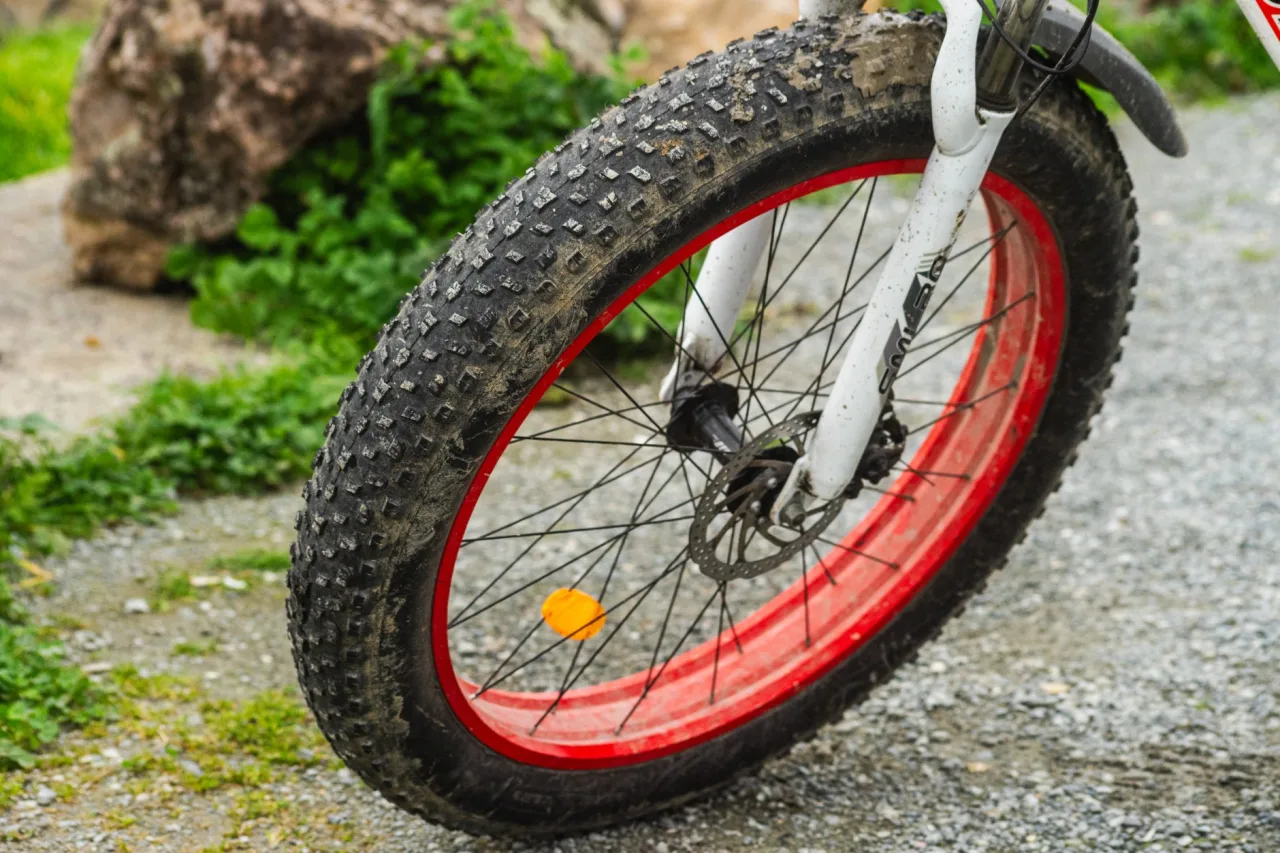
Tyre width is the biggest lever you have over ride feel. The Wikipedia reference notes that bike tyres range from very narrow to very wide, and the trend across cycling has been towards wider tyres than a decade ago. In general:
- Narrow (23 to 28mm): Fast-feeling on smooth roads, favoured on road bikes, but firmer and less forgiving.
- Medium (32 to 45mm): A comfortable, versatile range for hybrids, gravel, and commuting, with more grip and cushioning.
- Wide (2.0 inch and up): Grip and control for mountain bikes, with the widest being fat-bike tyres for snow and sand.
Always check your frame and fork clearance before fitting wider tyres, since there must be room around the tyre for mud and safety.
Tyre pressure and why it matters
Pressure is as important as the tyre itself, and it is free to adjust. The Wikipedia reference notes that recommended pressures span an enormous range, from very low figures for fat-bike tyres in snow up to very high pressures for track racing tyres. Too much pressure gives a harsh, skittery ride with less grip, while too little risks pinch flats and sluggish handling. Stay within the range printed on the tyre sidewall, and lean towards the lower end for comfort and grip, the higher end for smooth fast roads.
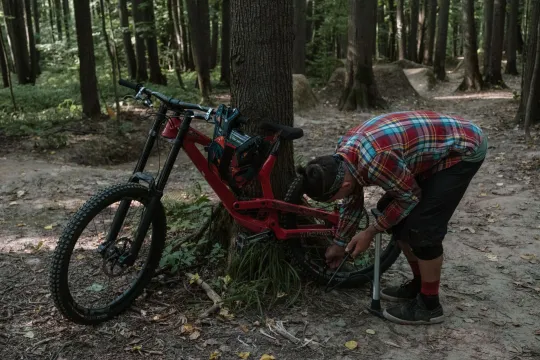
Inner tubes use one of two valve types. As Wikipedia's Presta valve reference explains, Presta valves are narrower and common on higher-pressure bicycle tubes, while the wider Schrader valve is the same type found on cars. Make sure your pump matches your valves, and check pressure regularly, since tyres lose air naturally over time.
Puncture resistance and maintenance
Flats are the most common roadside problem, and tyre choice affects how often they happen. To reduce punctures and stay ready:
- Choose tyres with a puncture-protection belt if you ride in debris-strewn cities.
- Keep tyres correctly inflated, since low pressure causes pinch flats.
- Replace tyres once the tread is worn or the casing shows cuts or cracks.
- Carry a spare tube, tyre levers, and a bike pump so a flat is a five-minute fix rather than a long walk.
Warning
- Never exceed the maximum pressure printed on the tyre sidewall, and never fit a tyre whose ISO rim diameter does not match your wheel. An overinflated or mismatched tyre can blow off the rim, which is dangerous at speed. When unsure, have a shop confirm the fit.
Realistic bike tyre prices in 2026
Prices vary by type, size, and quality, so treat these as per-tyre ranges and confirm locally.
- Basic replacement tyres: roughly 15 to 30 US dollars each, fine for casual riding.
- Quality road, gravel, and commuting tyres: roughly 30 to 80 each, with better grip and puncture protection.
- Performance and tubeless mountain tyres: roughly 60 to 100 plus each.
Reputable tyre brands include Continental, Schwalbe, Michelin, Maxxis, and Pirelli, among others. Buying tyres in pairs and fitting good rubber is one of the most cost-effective upgrades you can make. If you are still choosing the bike itself, our gravel bike guide shows how tyre choice defines a whole category.
Frequently asked questions
How do I know what size tyre my bike needs?
Read the ISO 5775 number printed on your current tyre sidewall, such as 37-622, where the first figure is the width in millimetres and the second is the rim diameter. Match the second number exactly to guarantee a fit, then choose the width to suit your riding. Old inch and French markings can be ambiguous, so trust the ISO number, and take the wheel to a shop if unsure.
What is the difference between clincher and tubeless tyres?
A clincher has a bead that interlocks with the rim and uses a separate inner tube inside, making it easy to repair and the most common type. A tubeless tyre interlocks with a matching tubeless rim but has no tube, using sealant to plug small holes and allowing lower pressures for better grip. Tubeless is popular on mountain bikes and increasingly on road, if your rims support it.
What tyre pressure should I use?
Stay within the range printed on the tyre sidewall. Higher pressure feels fast on smooth roads but harsh and less grippy, while lower pressure is more comfortable and grippier but risks pinch flats if too low. Lean towards the lower end for comfort and grip and the higher end for fast smooth roads, and check pressure regularly since tyres lose air over time.
Why do wider tyres feel more comfortable?
A wider tyre holds more air and can be run at lower pressure, so it deforms over bumps instead of transmitting them to you, giving a smoother ride and more grip. Cycling has trended towards wider tyres for this reason. The trade-off is a little more weight and, at the extreme, more rolling drag, and you must check your frame has clearance before fitting wider rubber.
How can I get fewer punctures?
Choose tyres with a puncture-protection belt if you ride through city debris, keep them correctly inflated to avoid pinch flats, and replace them once the tread is worn or the casing is cut or cracked. Carrying a spare tube, tyre levers, and a pump turns a flat into a quick roadside fix. Tubeless setups with sealant also seal many small holes automatically.
More guides on Gear & Accessories
Have a question or a topic to suggest?
We read every message. Tell us what you would like to see next on the blog.
Get in touchYou may also like
Bike Pump: The Complete Guide
Everything about bike pumps: every pump type, Presta versus Schrader valves, how to read the pressure your tires need, and how to choose the right pump for home and road.
Cycling Gear: The Complete Guide
The right cycling gear keeps you safe, comfortable, and your bike secure. Here are the essentials, from helmet to lock, and what actually matters.
Road Bike: The Complete Guide
Choose the right road bike with confidence: the main types, frame materials, components that matter, why fit beats everything, and how much to sensibly spend.