Kids Bikes · Electric Bikes
Balance Bike: The Complete Guide
The fastest, calmest way to teach a child to ride: ages, features and the move to a pedal bike.
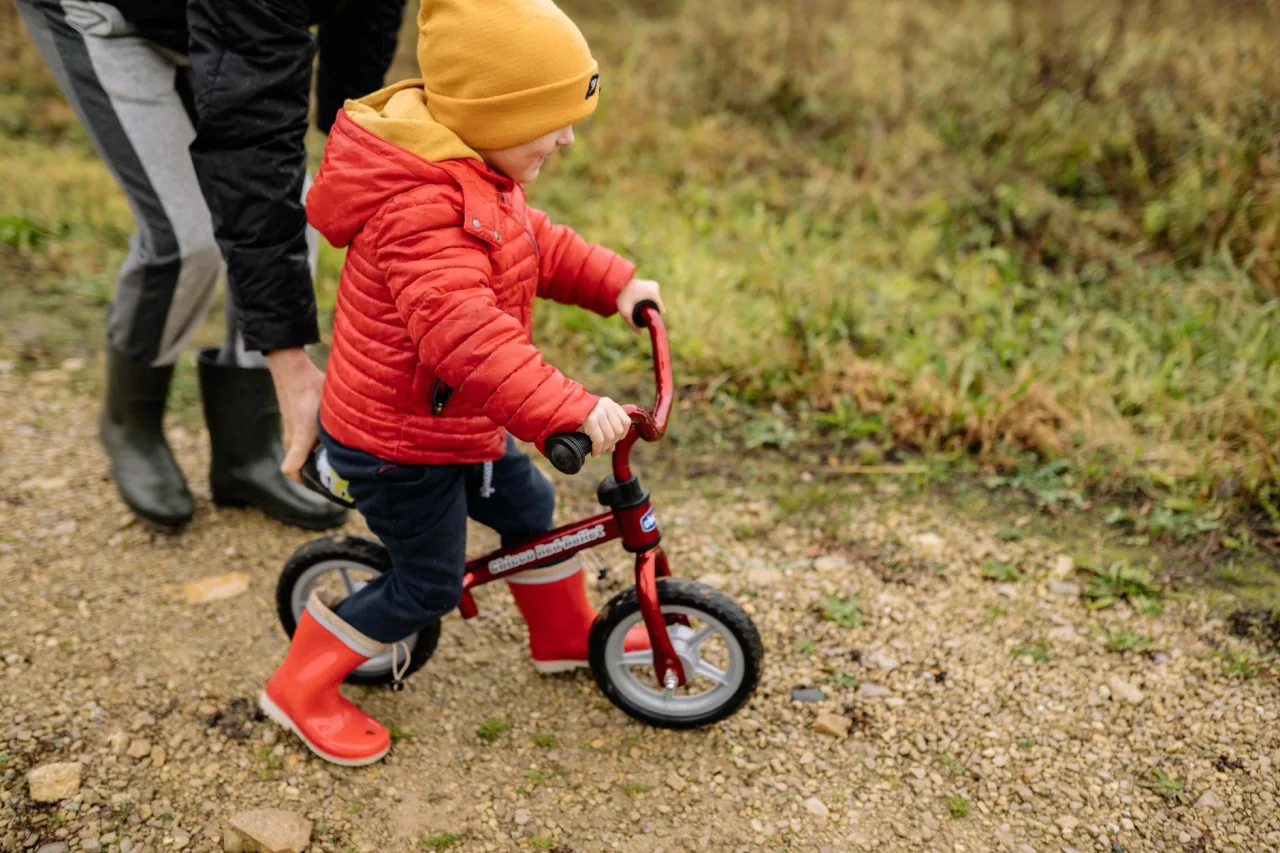
A balance bike is the simplest and often the fastest way to teach a young child to ride. By removing the pedals and letting kids learn balance first, it skips the wobble and frustration that training wheels can cause. This guide covers what a balance bike is, the right age to start, how to choose the best one, and how to move on to a pedal bike.
The short version
- A balance bike has no pedals. Children push along with their feet and learn to balance and steer before they ever pedal.
- Most suit children from about two to five years old, and some designs start as young as eighteen months.
- Kids who start on a balance bike often move to a pedal bike quickly and usually skip training wheels entirely.
- Prioritise a light frame, the right seat height and, ideally, a rear brake sized for small hands. Confirm current prices locally.
What is a balance bike
A balance bike is a bicycle without pedals that learners propel by pushing their feet against the ground. Because there is nothing to pedal, the child's whole job is to learn balance, steering and coordination, which are the genuinely hard parts of riding a bike. Once those skills are natural, adding pedals later is a small step rather than a big leap.
This is a different philosophy from the traditional route of stabilisers, and it has become the standard first bike for good reason. If you are building out a young rider's first setup, our kids bikes guide covers what comes next, and the broader complete bike guide explains how all the categories fit together.
Why balance bikes work better than training wheels
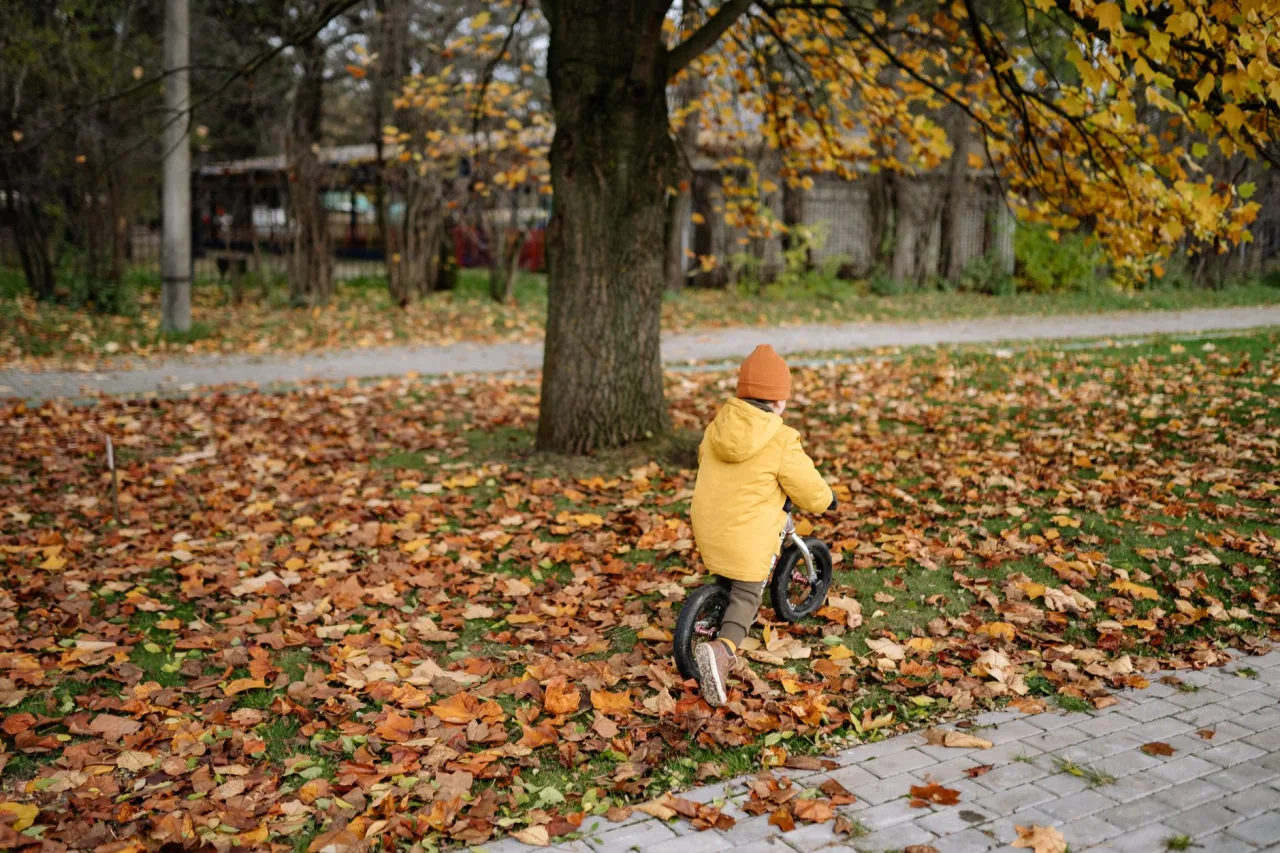
Training wheels keep a bike upright, which sounds helpful but actually delays the most important skill. A child on stabilisers leans on the outer wheels and never learns to balance. Worse, stabilisers can teach the wrong instinct, because to turn a real bike you countersteer and lean, and training wheels prevent that.
A balance bike flips the order of learning:
- Balance comes first. The child learns to stay upright while gliding, which is the core skill of cycling.
- Steering feels natural. Without stabilisers, kids learn to lean and countersteer the way a real bike wants to be ridden.
- Confidence builds safely. Feet are always near the ground, so stopping is instant and falls are gentle.
Balance bikes are also widely used to help children with disabilities, including those with cerebral palsy or autism, develop motor skills and independence in an accessible way. Because the child controls their own speed and stability from the start, the whole experience tends to be calmer and less frightening than a heavy first pedal bike with stabilisers.
What age is a balance bike for
Most balance bikes are designed for children between about two and five years old, though some models start as young as eighteen months. The single most important fit measurement is seat height: with the saddle at its lowest, your child should be able to sit and place both feet flat on the ground with a slight bend in the knee.
Because kids grow fast, look for a generous saddle adjustment range so the bike lasts more than a single season. A bike that fits well is one your child will actually use, while one that is too tall or too heavy tends to end up abandoned in the garage.
Tip: Measure your child's inside leg and compare it to the bike's minimum seat height before buying. Fit matters far more than brand, colour or price at this age.
How to choose the best balance bike
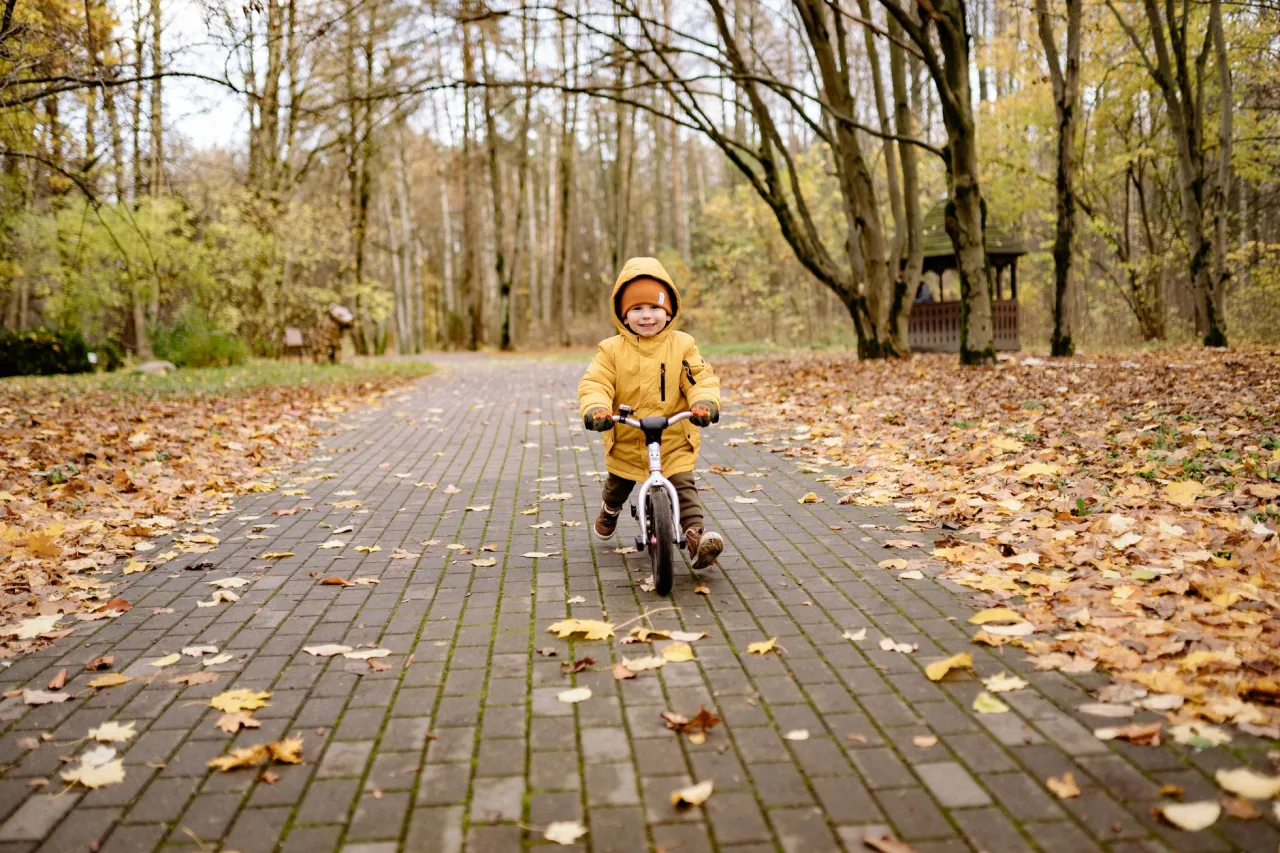
The best balance bike is a light, correctly sized one your child can control easily. Focus on these features:
- Low weight: a lighter bike is easier for a small child to lift, steer and pick up after a fall. This is the single biggest factor.
- Wheel size: most balance bikes use small wheels, typically around twelve to fourteen inches, matched to the child's height.
- Adjustable saddle: a wide height range means the bike grows with the child and can pass to a younger sibling.
- A hand brake: many modern balance bikes add a rear brake sized for small hands, a safety feature that became common in the early 2010s. It teaches braking early and saves shoe soles.
- Air or foam tyres: air tyres give more grip and cushioning, while foam tyres never puncture and need no maintenance.
You do not need to overspend. A simple, light, well-sized bike from a reputable maker beats a heavy, feature-laden one every time. If you prefer to try before you buy, a good local bike shop can help you check fit in person.
On the air-versus-foam tyre question, both are fine choices with different trade-offs. Air tyres cushion bumps and grip better on grass and rough paths, which suits more adventurous toddlers, but they can puncture and need occasional pumping. Foam tyres never go flat and need no maintenance at all, which many parents value for a first bike, though they offer a little less grip and comfort. Neither is wrong, so pick based on where your child will ride and how much upkeep you want to do.
Safety and getting started
Balance bikes are low and slow by nature, but a few basics keep the experience safe and fun:
- Always wear a helmet. Fit it properly from the very first ride so it becomes a habit. Our bike helmet guide explains how to size one.
- Start somewhere flat and open. A smooth path or empty car park lets the child glide without traffic or steep slopes.
- Let them set the pace. Do not push or hold the bike. The whole point is that the child learns balance on their own.
- Keep sessions short and positive. Little and often builds confidence faster than one long, tiring outing.
Sturdy closed shoes are a good idea, since feet do the braking and pushing on most balance bikes. Upkeep is minimal but not zero: check the headset and wheels are tight from time to time, keep air tyres inflated, and wipe the bike down after muddy rides. A quick monthly once-over keeps it safe and rolling smoothly, and it costs nothing but a couple of minutes.
Moving on to a pedal bike
The reward of the balance bike approach comes at the transition. Children who have mastered gliding, steering and braking usually pick up pedalling in a single afternoon, and most skip training wheels entirely. There is no fixed timetable: some move on around three or four, others closer to five, and readiness matters more than age. Resist the urge to rush the change. A child who is happy and confident gliding will make the leap on their own terms, and pushing before they are ready only dents the confidence the balance bike worked so hard to build.
When your child can glide confidently with both feet up for several seconds and steer smoothly, they are ready for pedals. Choose a first pedal bike that still lets them touch the ground comfortably, so the confidence carries over. From there the world of cycling opens up, from a first proper new bike to tricks on a BMX. If you are curious about powered kids' options for older children, see our kids electric bike guide, though those are aimed at a much older age group than balance bikes.
Frequently asked questions
What age is a balance bike for?
Most balance bikes suit children from about two to five years old, and some designs start as young as eighteen months. The key is seat height: your child should be able to sit and place both feet flat on the ground with a slight bend in the knee.
Are balance bikes better than training wheels?
For most children, yes. Balance bikes teach balance and steering first, which are the hard parts of riding, while training wheels delay those skills and can teach the wrong instincts. Kids on balance bikes often move to a pedal bike quickly and skip stabilisers entirely.
Do balance bikes need brakes?
Not strictly, because children stop by putting their feet down. However, a rear hand brake sized for small hands is a useful feature that teaches braking early and saves wear on shoes. Many modern balance bikes include one.
How do you move from a balance bike to a pedal bike?
When your child can glide confidently with both feet up and steer smoothly, they are ready for pedals. Because they already have balance, most learn to pedal in a single session and do not need training wheels. Choose a first pedal bike they can still touch the ground on.
What should I look for in a good balance bike?
Prioritise low weight, the correct seat height for your child, and a wide saddle adjustment range. A rear hand brake and good tyres are helpful extras. A light, well-sized bike from a reputable maker matters far more than price or colour.
Sources and further reading:
- Balance bicycle on Wikipedia for how they work, age ranges and learning benefits.
- Bicycle on Wikipedia for general background on bikes and components.
More guides on Electric Bikes
Have a question or a topic to suggest?
We read every message. Tell us what you would like to see next on the blog.
Get in touchYou may also like
Kids Bikes: The Complete Guide
How to buy the right kids bike: wheel-size sizing, balance bikes vs training wheels, bike types, the features that matter, safety, and where to buy.
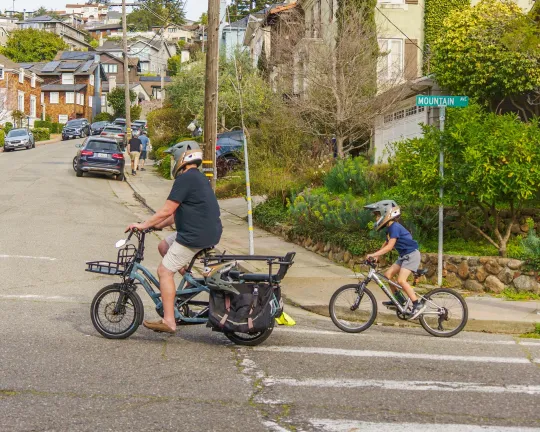
Kids Electric Bike: Full Guide
A parent-focused guide to kids electric bikes: pedal-assist vs dirt bikes, the right age, throttle safety, essential gear, and the rules that matter.
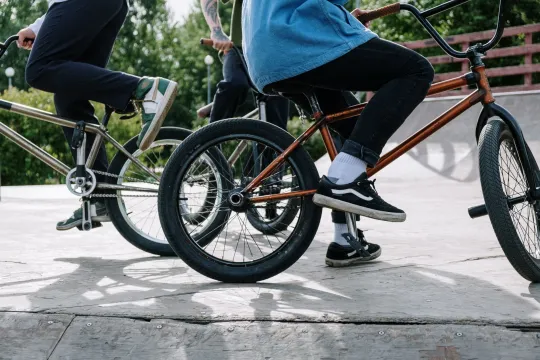
BMX Bikes: The Complete Guide
A clear guide to BMX bikes: race vs freestyle, the parts that matter, wheel sizing for kids and adults, and realistic prices so you buy the right bike.