Cycling Basics · Cycling (General)
Unicorn Bike: The Complete Guide
What people really mean by a unicorn bike, and how to pick the right one for a child or yourself.
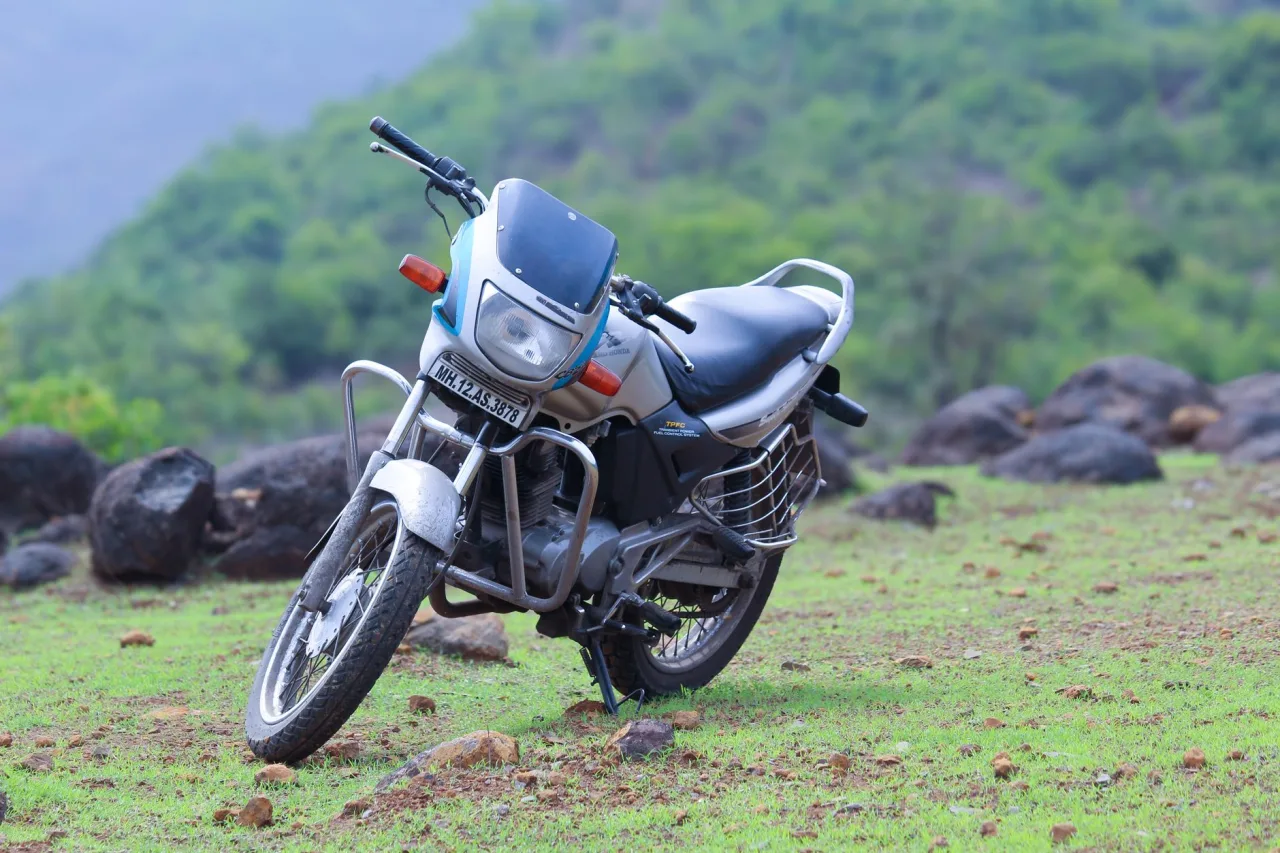
Search for a "unicorn bike" and you will find two very different things: a sparkly, unicorn-themed bicycle for a child, and cycling slang for that rare, do-it-all dream machine some riders spend years chasing. This guide covers both honestly, so you can decide which unicorn you are actually looking for and how to buy well.
The short version
- "Unicorn bike" most often means a unicorn-themed kids bike: pastel colors, a decorative horn or mane, and character graphics on a normal frame.
- Among adult cyclists, a "unicorn" is a mythical perfect bike that does everything well. In reality no single bike is best at everything.
- For a child, theme should be the last decision. Correct wheel size, low weight, and working brakes matter far more than the graphics.
- Prices vary widely by wheel size and quality, so treat any figure as a range and confirm locally before you buy.
What people mean by "unicorn bike"
There is no single manufacturer that owns the term "unicorn bike." Instead, the phrase is used loosely in a few ways, and knowing which one you mean saves a lot of confused shopping.
The most common meaning is a themed children's bicycle. Many mainstream and value brands sell bikes decorated with unicorns, rainbows, and pastel finishes, sometimes with a plush mane on the handlebars, a horn-shaped accessory, or streamers. Underneath the decoration these are ordinary kids bikes, and they should be judged like any other kids bike.
The second meaning is figurative. In enthusiast circles a "unicorn" is a bike that seems to promise everything: fast on the road, capable off it, comfortable, light, and affordable all at once. The joke is that this bike is mythical. Every real design makes trade-offs, so chasing the perfect unicorn usually means learning to pick the compromises you can live with.
Unicorn-themed kids bikes: what actually matters
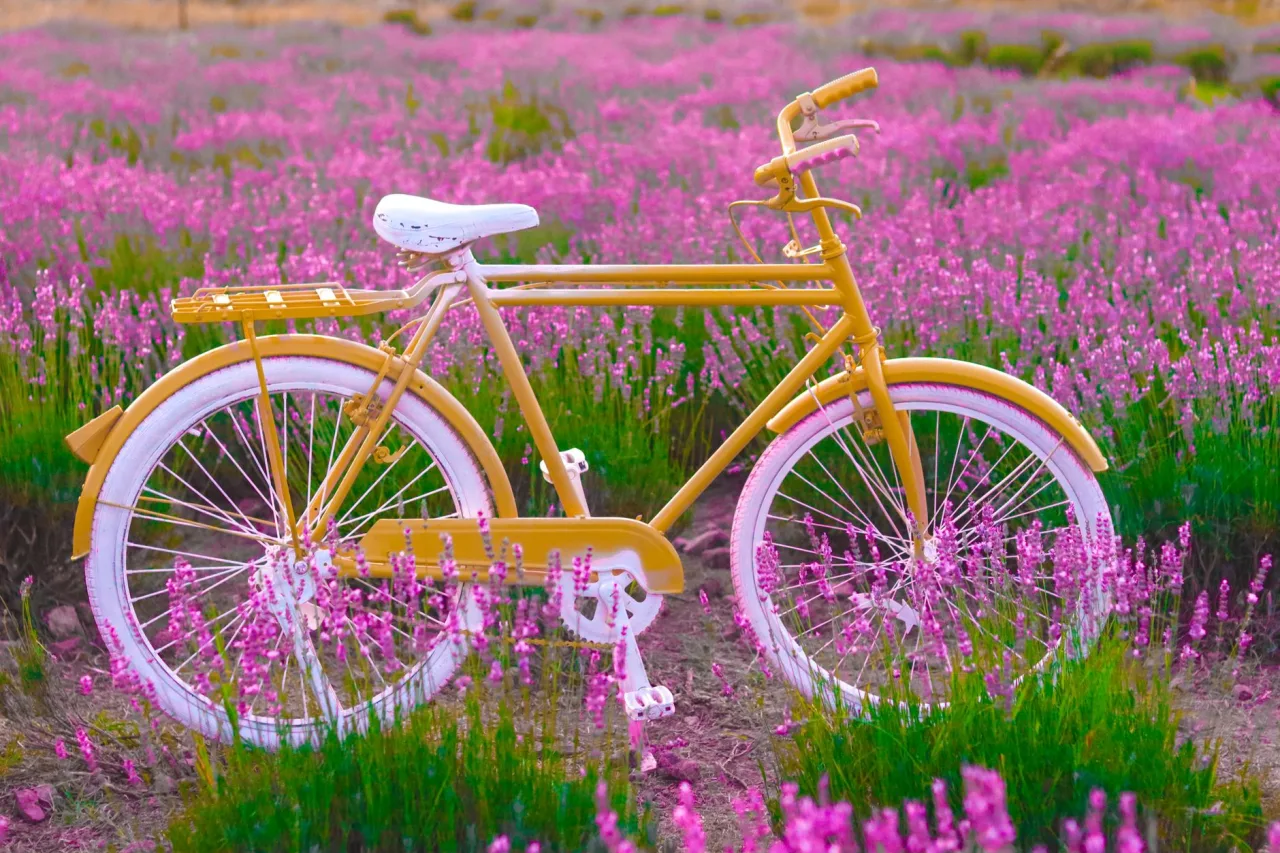
If you are buying for a child, resist the urge to shop by graphics first. A well-fitted plain bike will be ridden far more than a poorly-fitted themed one. Focus on the fundamentals below, then choose the design your child loves from whatever fits.
- Wheel size, not age. Kids bikes are sold by wheel diameter (typically 12, 14, 16, 18, 20, and 24 inches). Fit depends on the child's height and inseam, so measure rather than guessing from an age label.
- Weight. A lighter bike is easier for a small rider to control, start, and stop. Very heavy department-store models can put a child off cycling entirely.
- Brakes. Look for brakes a small hand can actually squeeze. Short-reach levers matter for young riders.
- Standover and saddle height. The child should be able to put feet down comfortably while learning.
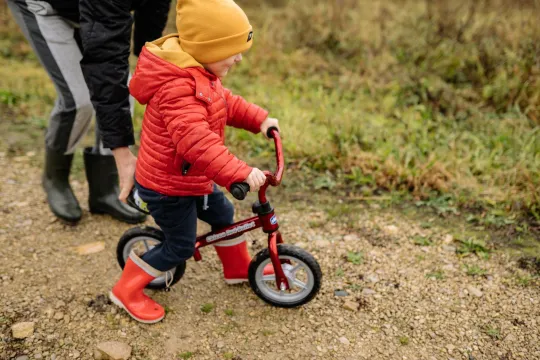
If your child is very young, a pedal-free balance bike is often the best first step. According to Wikipedia's balance bicycle entry, these pedal-less bikes let children master balance and steering before pedaling, and many riders start between roughly ages two and five. Plenty of balance bikes come in unicorn themes too. Our balance bike guide walks through sizing and first-ride tips.
Tip: buy the fit, add the theme
If the unicorn design you love only comes in a wheel size that does not fit, buy the correctly sized bike and add unicorn accessories: a themed bell, streamers, a basket, or stickers. The ride quality comes from the frame and components, not the paint.
Safety comes before styling
No amount of decoration replaces a properly fitted helmet. Per Wikipedia's bicycle helmet overview, a helmet is designed to reduce impact forces to the head, and fit is critical: research it cites found a very high share of children's helmets were worn incorrectly, which sharply reduces protection. Choose a helmet that meets a recognized safety standard for your region and adjust the cradle so it sits level and snug.
Beyond the helmet, check that the bike your child will ride has smoothly working brakes, tires inflated to the pressure printed on the sidewall, and no sharp edges on any add-on accessories.
The "unicorn" as a dream bike
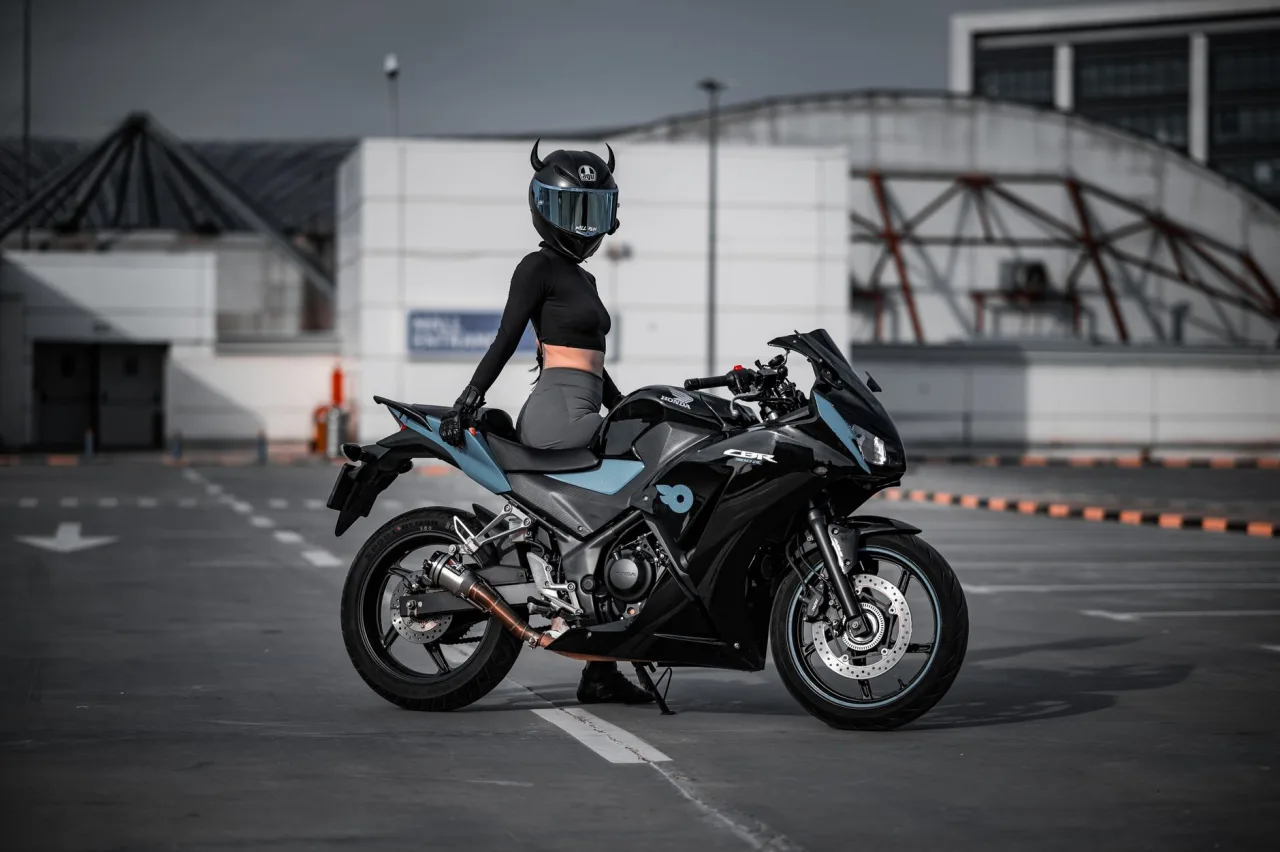
Now the figurative meaning. When adult riders talk about hunting a unicorn, they usually mean one of two things: a rare bike that is hard to find in the right size or spec, or a single bike they hope can replace a whole stable. Both are worth a reality check.
No bicycle is genuinely best at everything. A featherweight climbing road bike will not be comfortable on gravel; a burly enduro mountain bike will feel slow on pavement. The closest thing to a real-world unicorn for many riders is a versatile category rather than a magic model. Depending on your priorities, that might be a gravel bike, a hybrid, or a capable trail mountain bike.
If you want to understand those trade-offs before you shop, start with our overview of the main types of bicycles. It maps riding styles to bike categories so you can see which compromises match your life.
How to actually find your "unicorn"
Chasing perfection leads to endless research and no riding. A better approach is to define the job first, then accept the honest trade-offs.
- Name the main use. Commuting, weekend trails, long road miles, or family rides each point to a different bike.
- Set a budget as a range. Decide what you can spend, then look at what that range buys in your chosen category.
- Prioritize fit over features. A well-fitting mid-range bike beats an ill-fitting premium one every time.
- Test ride if you can. A short ride reveals comfort and handling that spec sheets hide.
If price is your sticking point, our guide to real bicycle prices lays out what different budgets get you, which helps separate a genuine bargain from a false economy.
Where a good local shop helps
Whether you are buying a child's first unicorn bike or a grown-up dream bike, a trustworthy local shop is a genuine advantage. Staff can measure a child correctly, set saddle and brake reach, and do the first safety check. For adults, a shop can suggest sizes to test and handle warranty issues later.
Look for a shop that asks about the rider before recommending a bike, offers a proper fitting rather than just handing over a boxed bike, and explains its assembly and service. If you are comparing a themed department-store bike against a shop bike, ask about weight and whether it arrives fully built and safety-checked.
Watch out: heavy, badly built themed bikes
Some of the most heavily marketed character bikes are also the heaviest and worst-assembled. If a bike is far cheaper than everything comparable, ask why. A bike a child struggles to lift or brake is a bike that gets abandoned.
Kids bike sizing, made simple
Because a unicorn kids bike is judged first on fit, it helps to know how sizing works before you shop. Kids bikes step up in wheel diameter, and each size suits a rough height band rather than a birthday. Use these as a starting point, then have the child stand over the bike and sit on the saddle to confirm.
- 12 inch: the smallest pedal bikes, for the youngest riders just past a balance bike.
- 14 to 16 inch: common first pedal bikes as confidence and height grow.
- 18 to 20 inch: for older children riding independently, often with gears on the larger end.
- 24 inch: the bridge toward adult small-frame bikes for taller kids.
It is tempting to buy a size up so the bike "lasts longer," but an oversized bike is harder and scarier to control, which slows learning. Buy the size that fits now, and set the saddle low while the child gains confidence, then raise it as they improve. When they truly outgrow it, a good bike holds resale value or passes down well.
Keeping a kids bike safe over time
A little upkeep keeps a themed bike rolling safely and looking good. Children are hard on bikes, so a quick monthly check pays off.
- Tire pressure: inflate to the range printed on the sidewall; soft tires make pedaling hard and risk pinch flats.
- Brakes: squeeze each lever and confirm the bike stops firmly without the lever hitting the bar.
- Bolts: check that the saddle, handlebars, and any dinosaur or unicorn accessories are tight and not rattling.
- Chain: keep it lightly oiled and wipe off grit so shifting and pedaling stay smooth.
If any of this feels unfamiliar, a local shop will happily run a safety check and show you the basics. That short visit is often free or inexpensive and builds good habits for the whole family.
Frequently asked questions
Is "unicorn bike" a real brand?
No. It is a description, not a single brand. It usually refers to unicorn-themed children's bikes sold by many different makers, or, among adult cyclists, to the idea of a mythical do-it-all dream bike.
What age is a unicorn kids bike for?
It depends on wheel size rather than age. Themed kids bikes come in sizes from about 12 inches up to 24 inches, so measure your child's height and inseam and pick the size that fits rather than trusting an age label.
Are unicorn-themed bikes lower quality?
Not automatically, but heavily marketed character bikes are sometimes heavy and poorly assembled. Judge any themed bike on weight, brakes, and fit, the same way you would judge a plain one.
Can I get a unicorn balance bike?
Yes. Many balance bikes, which have no pedals and suit very young children, come in unicorn themes. They are often the best first bike because they teach balance before pedaling.
What is a "unicorn" bike in cycling slang?
It is a figurative term for a rare or mythical perfect bike that seems to do everything well. In practice every bike makes trade-offs, so the goal is choosing the compromises that fit your riding rather than finding a flawless model.
More guides on Cycling (General)
Have a question or a topic to suggest?
We read every message. Tell us what you would like to see next on the blog.
Get in touchYou may also like
Kids Bikes: The Complete Guide
How to buy the right kids bike: wheel-size sizing, balance bikes vs training wheels, bike types, the features that matter, safety, and where to buy.
Balance Bike: The Complete Guide
A parent's guide to balance bikes: the right starting age, why they beat training wheels, what to look for and how to transition to pedals.
Types of Bicycles
There are more types of bicycles than most people realise, and picking the right category is the single most important choice you will make when buying a bike.