Local shop guide
Bikes for Sale Near Me: Find Trusted Shops
How to find and choose a genuinely good local bike shop, and the questions to ask before you buy.

Searching for bikes for sale near me usually means you want to see, touch and test-ride a bike before you buy, and you want a real shop standing behind it afterward. That is the right instinct. This guide shows you how to find a trusted local bike shop, judge whether it is any good, and shop confidently, without falling for a flashy listing or the cheapest boxed bargain online.
The short version
- The best local shop is not always the nearest one. Judge it on staff knowledge, service quality, test rides and how it treats you after the sale.
- A proper bike shop assembles, fits and safety-checks every bike it sells, then supports it with servicing and spare parts.
- Expect to pay a small premium over an online box price. That premium buys assembly, fit, a first service and someone to call when something goes wrong.
- Always test ride before you buy, and confirm current prices locally, since they vary by region, model year and season.
Why a good local shop beats the cheapest listing
A bicycle is only as good as its assembly and fit. A well-specced bike that is built poorly or sized wrong will feel worse than a modest bike set up correctly by someone who knows what they are doing. That is the core reason a real local shop is worth finding: a mechanic checks the brakes, trues the wheels, sets the gears and adjusts the fit before the bike ever reaches you.
A box-shifting online seller cannot do any of that. You receive a carton, some tools and an instruction sheet, and the safety of the finished bike rests entirely on you. For a first bike, a child's bike or anything with hydraulic brakes and a heavy battery, that gap matters. If you want the full picture of what to look for in any purchase, our complete guide to bikes for sale walks through types, features and budgets in detail.
How to actually find shops near you
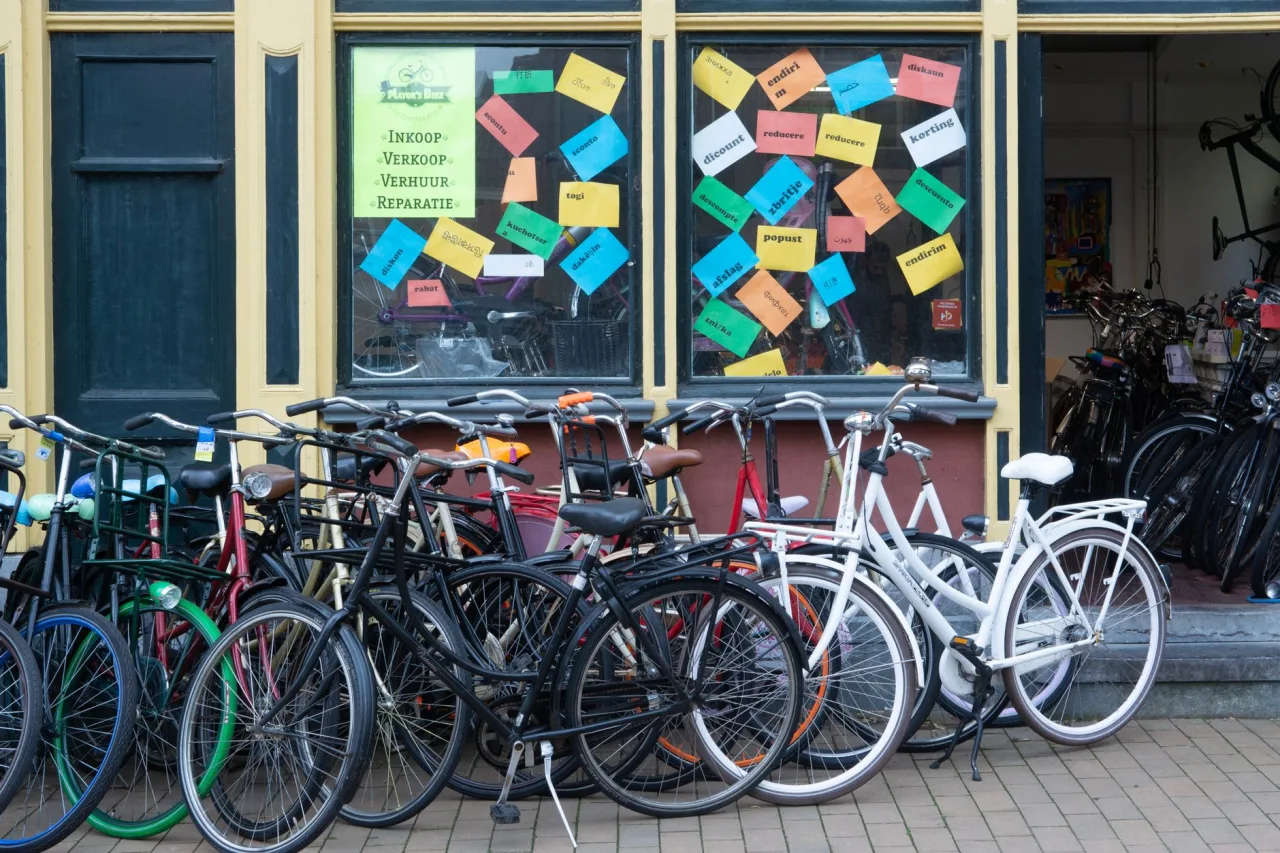
Finding candidate shops is the easy part. Finding good ones takes a little more care. Work through these sources rather than relying on a single search result.
- Map and search listings: start with a maps search for bike shops in your town, then read the reviews rather than just the star rating.
- Brand dealer locators: major manufacturers list their authorised dealers. If you already like a brand, its dealer locator points you to shops that stock and service it.
- Local cycling clubs and groups: riders know which shops do honest work. A club forum or social group is one of the most reliable sources of a genuine recommendation.
- Word of mouth: a friend who rides and trusts a shop is worth more than a hundred anonymous reviews.
Build a shortlist of two or three shops rather than committing to the first one. Visiting a couple lets you compare how you are treated, which tells you a great deal before you spend anything.
How to judge whether a shop is any good
Once you are standing in the shop, a few signs separate a serious dealer from a place that just moves boxes. None of them require you to be an expert.
- They ask about you first. A good shop asks where and how you will ride before pointing at a bike. If they lead with the most expensive model, be cautious.
- They offer a test ride. Any shop confident in its bikes will let you ride before you buy. If test rides are discouraged, that tells you something.
- There is a real workshop. A visible service area with a mechanic and tools signals that the shop can support what it sells.
- They explain the after-sale service. Ask what the first service includes and when it is due. A vague answer is a warning sign.
- They are honest about fit and stock. A shop that says a bike is the wrong size for you, or that a better option is coming, is one you can trust.
Tip: Bring the questions above written down. A shop that answers them patiently and without pressure has just shown you exactly the kind of service you are paying a small premium for.
Questions to ask before you buy
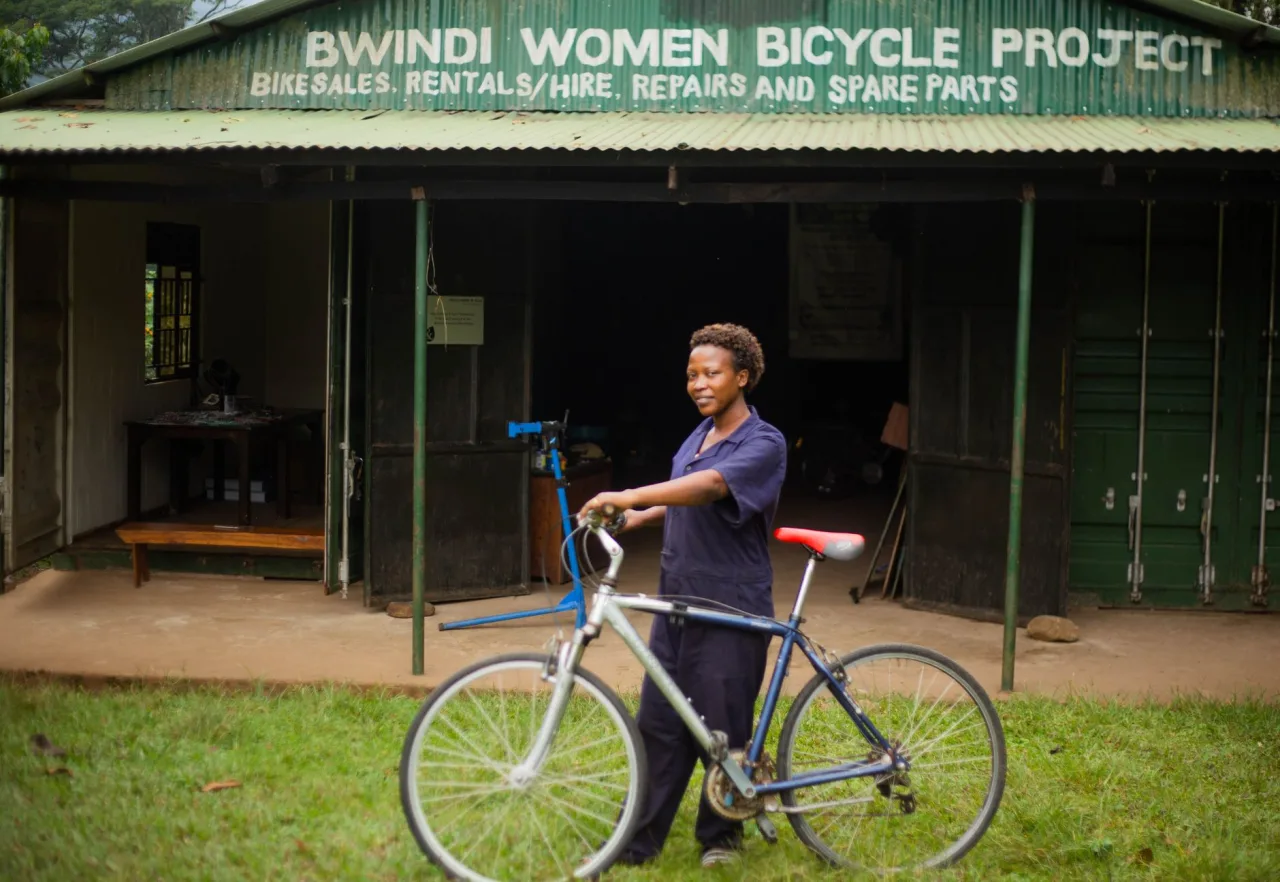
A short, direct list of questions protects you from the most common regrets. Ask these of any shop, in person or by phone.
- Is the bike assembled and safety-checked by your mechanic? This is the single biggest reason to buy local.
- Does the price include a first service? New cables and spokes settle in, so a free first tune-up is common and valuable.
- What warranty covers the frame and parts? Frames often carry longer cover than components. Know both.
- Can you help with sizing and fit? A basic fit is often included and makes a real difference to comfort.
- Do you stock spare parts and consumables? Tyres, tubes, brake pads and chains wear out. A local source saves time.
- What is your returns and exchange policy? Understand it before you pay, not after.
What you should expect to pay
Prices vary widely by type and region, so treat any figure as broad guidance and confirm the current number with the shop. As a rough frame, a dependable entry-level adult bike from a real shop typically starts in the low hundreds, a solid mid-range hybrid or road bike sits higher, and quality mountain and electric bikes climb from there. The extra you pay a local shop over a boxed online price is not a markup for its own sake, it covers professional assembly, a proper fit, the first service and ongoing support.
For a deeper look at real numbers across categories, see our breakdown of bicycle prices in 2026, and if you are weighing an e-bike, our electric bike price guide explains why those cost more.
New, used, or a shop that sells both
Many good local shops sell certified used bikes alongside new ones, which can be excellent value. A used bike from a reputable shop has usually been inspected and serviced, unlike a private sale where the risk is all yours. If you are open to used, our second hand bikes guide covers what to inspect, and shops that also sell second hand stock give you the best of both worlds: a lower price with professional backing.
Buying new brings a full warranty, a fresh drivetrain and the widest choice of size and colour. Buying used from a trusted shop trades some of that for a lower price while keeping the reassurance of an expert who checked the bike first.
Protect your purchase from day one
Once you have bought a bike worth having, treat it accordingly. A quality lock and a properly fitted helmet are not optional extras, they are part of owning a bike you value. Our bike lock guide explains which locks actually resist theft, and our bike helmet guide shows how to choose one that fits. A good shop will happily help you pick both, and often bundle them at a fair price.
If you would rather start from a category before you visit a shop, the Wikipedia overview of bicycle types is a neutral way to learn how utility, road, mountain and hybrid bikes differ before you talk to a salesperson.
Frequently asked questions
How do I find a trustworthy bike shop near me?
Start with a maps search and read the reviews rather than the star rating, then cross-check with brand dealer locators and any local cycling clubs. Shortlist two or three shops and visit them. The one that asks about your riding, offers a test ride and explains its after-sale service is usually the one to trust.
Is it worth paying more at a local shop than buying online?
For most riders, yes. A local shop assembles and safety-checks the bike, helps with fit, usually includes a first service and supports you afterward with parts and repairs. That small premium over a boxed online price buys real value that a carton on your doorstep cannot.
What should a good bike shop include with a new bike?
Expect professional assembly, a safety check, a basic fit and, in most cases, a free first service once cables and spokes settle. Ask what the warranty covers on the frame and parts, and confirm that spare consumables like tubes and brake pads are stocked locally.
Can I test ride a bike before buying it?
You should be able to. Any shop confident in its bikes will offer a test ride, and riding a bike is the only reliable way to judge fit and comfort. If a shop discourages test rides, treat that as a reason to look elsewhere.
Should I buy new or used from a local shop?
Both can be good. New brings a full warranty and the widest choice. A certified used bike from a reputable shop has usually been inspected and serviced, so it offers a lower price with professional backing. Avoid unchecked private sales unless you know how to inspect a bike yourself.
More guides on Bike Shops & Services (Local)
Have a question or a topic to suggest?
We read every message. Tell us what you would like to see next on the blog.
Get in touchYou may also like

Bikes for Sale: The Complete Guide
The main bike types, the features that actually matter, realistic price tiers and how to shop so you end up with a bike you love rather than one you settle for.
Bike Shop Near Me: Find Trusted Shops
A practical guide to finding and vetting a good local bike shop: how to read reviews, what services should cost, and the questions that reveal a great mechanic.
Bicycle Price in 2026: Real Ranges
A bicycle can cost less than a nice dinner or more than a used car, and both extremes are sold in the same shop. The trick to spending well is understanding what actually drives the price