MTB Service Guide
MTB Shops Near Me
Read the workshop and the trail culture, not the showroom, to find your shop.

Most riders search "MTB shops near me" not to buy a bike but to keep one running: a suspension service before a big trip, a brake bleed that finally stops the squeal, a mid-season parts fix. This guide is a rider's field checklist for judging an MTB shop's service department, its community, and whether it deserves your repeat business.
The short version
- Judge an MTB shop by the workshop, not the showroom. A clean, organized bench with a suspension service area signals a serious mechanic.
- The best shops are woven into the local trail scene through group rides, trail-day support, and race help, and that culture shows in the work.
- Turnaround honesty matters in peak season. A shop that quotes a real wait is more trustworthy than one promising same-day in July.
- Build the relationship with a small job first, then trust the shop with suspension rebuilds and expensive work.
Read the workshop, not the showroom
A flashy sales floor tells you little about how your mountain bike will be treated on the bench. The service area is where an MTB shop reveals itself, and you can read it in a glance or two.
- An organized bench. Tools in their places, a proper work stand, and a tidy suspension area suggest a mechanic who cares about doing the job right.
- Suspension service in house. Ask whether they rebuild forks and shocks on site. Shops that do have invested in training and tools most stores skip.
- Diagnostic honesty. A mechanic who wants to see and ride the bike before quoting beats one who guesses a price over the counter.
- Clear service menu. Published prices for a fork lower service, brake bleed, or drivetrain clean signal a shop that quotes fairly.
This is the mirror image of choosing where to buy. If your search is really about purchasing a bike rather than servicing one, our closely related guide to finding a mountain-bike shop near you focuses on demos, fit, and brand dealers. Read both: one covers buying, this one covers keeping a bike dialed.
The service department checklist
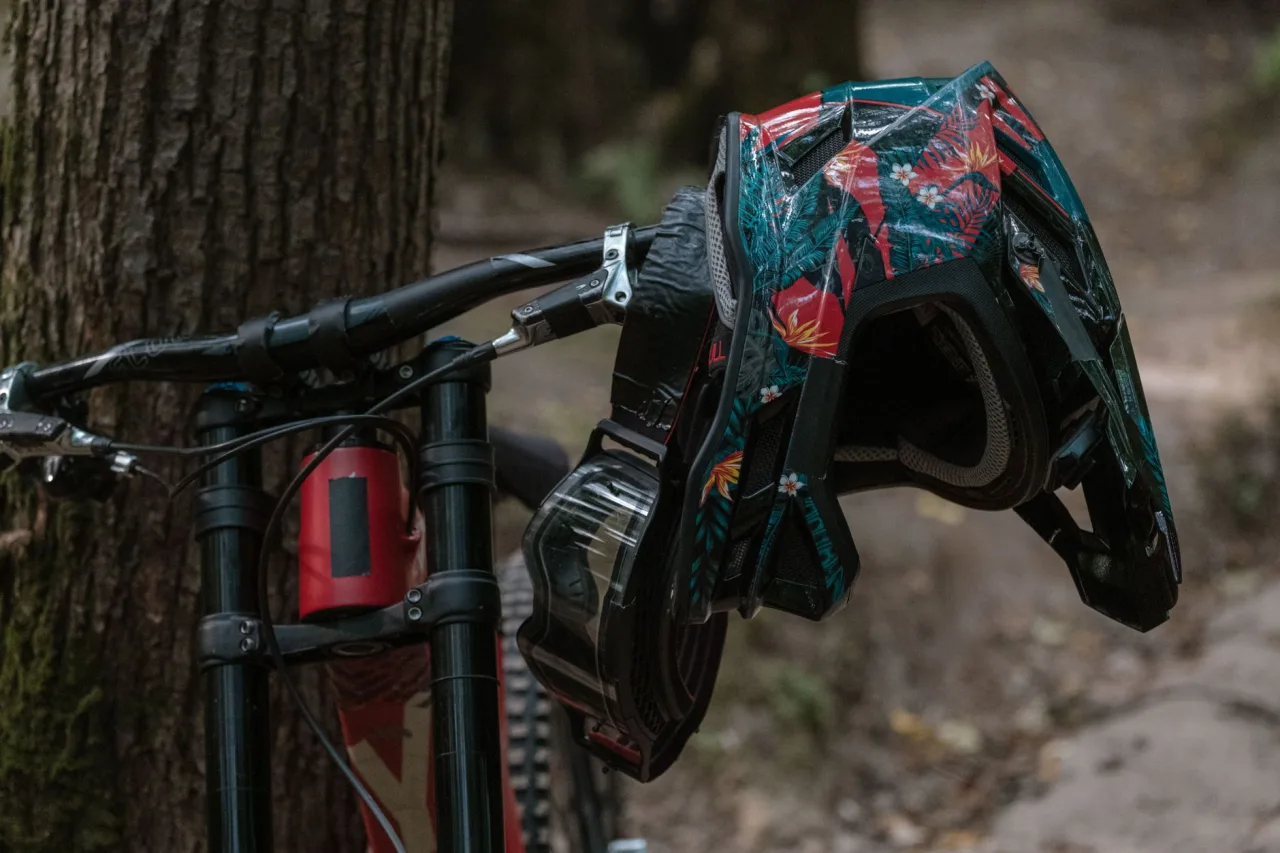
When you drop a bike off, a few observations tell you whether the work will be done well. Treat these as a quick field checklist on your first visit.
- Do they write it down? A work order that records the problem, the agreed fix, and an estimate protects both sides.
- Do they quote turnaround honestly? "Ten days in peak season" is a straight answer. Same-day promises in the busy months often mean overbooking.
- Do they explain the fix? A good mechanic tells you what is worn and why, and shows you the part if you ask.
- Do they call before extra work? Discovering a worn cassette mid-service should trigger a call, not a surprise on the bill.
- Do they set suspension sag on return? A shop that hands the bike back ready to ride, not just fixed, understands mountain biking.
For a deeper look at the recurring costs of suspension and drivetrain service, and how to spot a padded quote, our companion piece on finding a mountain-bike shop covers pricing ranges in detail. The principle is the same everywhere: a trustworthy shop shows you the worn parts.
Tip: start with a small job
Before you trust a shop with a full fork rebuild or a costly drivetrain replacement, give it a flat repair, a brake adjustment, or a tubeless top-up. If that small job comes back done well, communicated clearly, and priced fairly, you have found your shop. If it comes back sloppy or over budget, you have learned that cheaply.
Why local trail culture is the real signal
The best MTB shops are not just retailers; they are hubs for the local riding community. That connection is the strongest predictor of good work, because a shop staffed by riders sets bikes up the way riders want them.
- Group rides. Shops that host weekly rides know the trails and the people who ride them, and that knowledge ends up in your setup.
- Trail-day support. A store that sponsors or volunteers on trail-building days is invested in where you ride.
- Race and event help. Neutral support at local races signals mechanics who work under pressure and know their craft.
- Advice culture. A shop happy to explain a repair or teach you a basic skill builds the kind of loyalty that pays off both ways.
Ask an employee where they rode last weekend. A specialist lights up and names trails; a generalist gives you a blank look. That single question filters MTB shops faster than any review score.
Matching the shop to your bike and riding
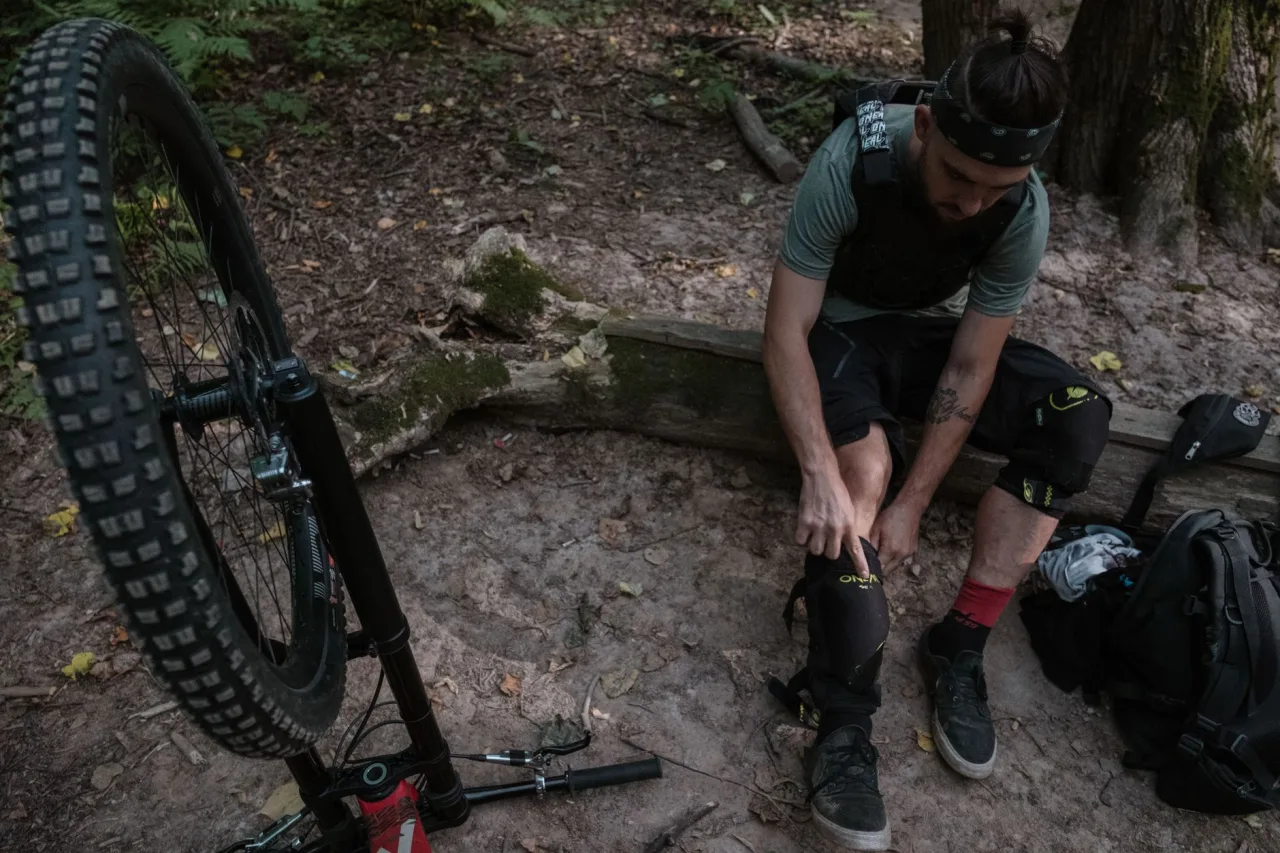
Different mountain bikes place different demands on a service department, so the right shop depends partly on what you ride. Knowing your own category helps you ask better questions.
If you ride a hardtail on flowing trails, most competent shops can keep it running. If you ride a long-travel full-suspension bike, you want a shop that services shocks in house, since that is where the specialist skill lives. Our guide to full suspension bikes explains what those systems need, and our complete guide to MTB bikes covers the categories so you can describe your bike accurately at the counter.
Gravity riders have the highest service demands of all. If you are on a downhill rig, look for a shop with real gravity experience, because setup and durability tuning differ from trail riding. Our guide to downhill bikes outlines why that specialization matters.
Parts, tune-ups, and stocking up before a trip
A good MTB shop is also your supply line for the parts that wear on a schedule: brake pads, chains, tires, and sealant. Building a relationship means you can call ahead before a riding trip and have a bike serviced and stocked in time.
For the parts you might fit yourself between shop visits, knowing what fits your bike saves returns and frustration. Our guide to finding bicycle parts near you covers compatibility and rough pricing, so you know when to grab a part locally and when to let the shop handle the fit. The rule of thumb: consumables you can swap yourself, but anything torque-sensitive or hydraulic is worth the shop's bench.
Timing matters as much as the parts themselves. Booking a service in the quiet winter months rather than the first dry weekend of spring means faster turnaround and a mechanic with time to do the job properly. If a riding trip or race is coming up, tell the shop the date so they can prioritize the work and order any parts that are not in stock. A shop that knows your calendar can keep you rolling when it counts, and that kind of planning is exactly what separates a one-off transaction from a genuine working relationship.
Turning a shop into your shop
The real payoff of a local MTB shop shows up over seasons, not in one transaction. Regulars get honest advice, priority when the workshop is slammed, and the occasional quick adjustment at no charge. You earn that standing by being an easy customer: describe problems clearly, book service in the off-season rather than the first dry weekend, and do not haggle over fair labor. For a broader framework on judging any local store, our guide on how to find and judge a bike shop near you lays out the universal signals of a place worth returning to.
Frequently asked questions
What should I look for in an MTB shop near me?
Focus on the service department rather than the showroom. Look for an organized workshop, in-house suspension service, honest turnaround quotes, and mechanics who explain what they fixed and why. The strongest signal is trail culture: shops that host group rides, support trail days, or help at races are staffed by riders, and that knowledge shows up in how they set up your bike.
How do I know if an MTB shop's mechanics are good?
Start with a small job like a flat repair or brake adjustment before trusting the shop with a fork rebuild or drivetrain replacement. Watch whether they write up a work order, quote turnaround honestly, explain the fix, and call before doing extra work. A shop that hands the bike back set up and ready to ride, not just fixed, understands mountain biking.
Do MTB shops service suspension in house?
The better ones do. In-house fork and shock service requires training and tools that many general stores skip, so a shop that lists suspension rebuilds on its menu has usually invested in doing it well. If your bike has long-travel suspension, prioritize a shop that services shocks on site rather than sending them away.
How much does an MTB tune-up or service cost?
Prices vary by region, the work involved, and parts, so confirm locally. A basic tune-up and a brake bleed are modest labor charges, while suspension rebuilds run higher into the low hundreds depending on the unit. If a quote seems high, ask what is driving it. A trustworthy shop will show you the worn parts or explain the service interval.
Should I use the same shop that sold me my mountain bike?
Not necessarily. Most shops happily service bikes they did not sell, and a lean service-focused MTB shop can be excellent and often cheaper on labor than a large showroom. What matters is finding one shop with a strong workshop and trail knowledge, then building a relationship so you get priority and honest advice over time.
More guides on Bike Shops & Services (Local)
Have a question or a topic to suggest?
We read every message. Tell us what you would like to see next on the blog.
Get in touchYou may also like
Mountain Bike Shop Near Me
What sets a real mountain-bike specialist apart from a general store: in-house suspension service, demo access, trail knowledge, and the questions to ask before you buy.
MTB Bike
MTB is simply shorthand for mountain bike, but the moment you start shopping you discover it is not one thing at all. The term covers everything from light, fast cross-country machines to burly downhill rigs
Full Suspension Bike
A full suspension bike smooths out rough trails by springing both the front wheel and the rear, giving you more comfort, grip and control when the ground gets nasty.