Parts Buying Guide
Bicycle Parts Near Me
Avoid compatibility traps and know what common bike parts should cost.
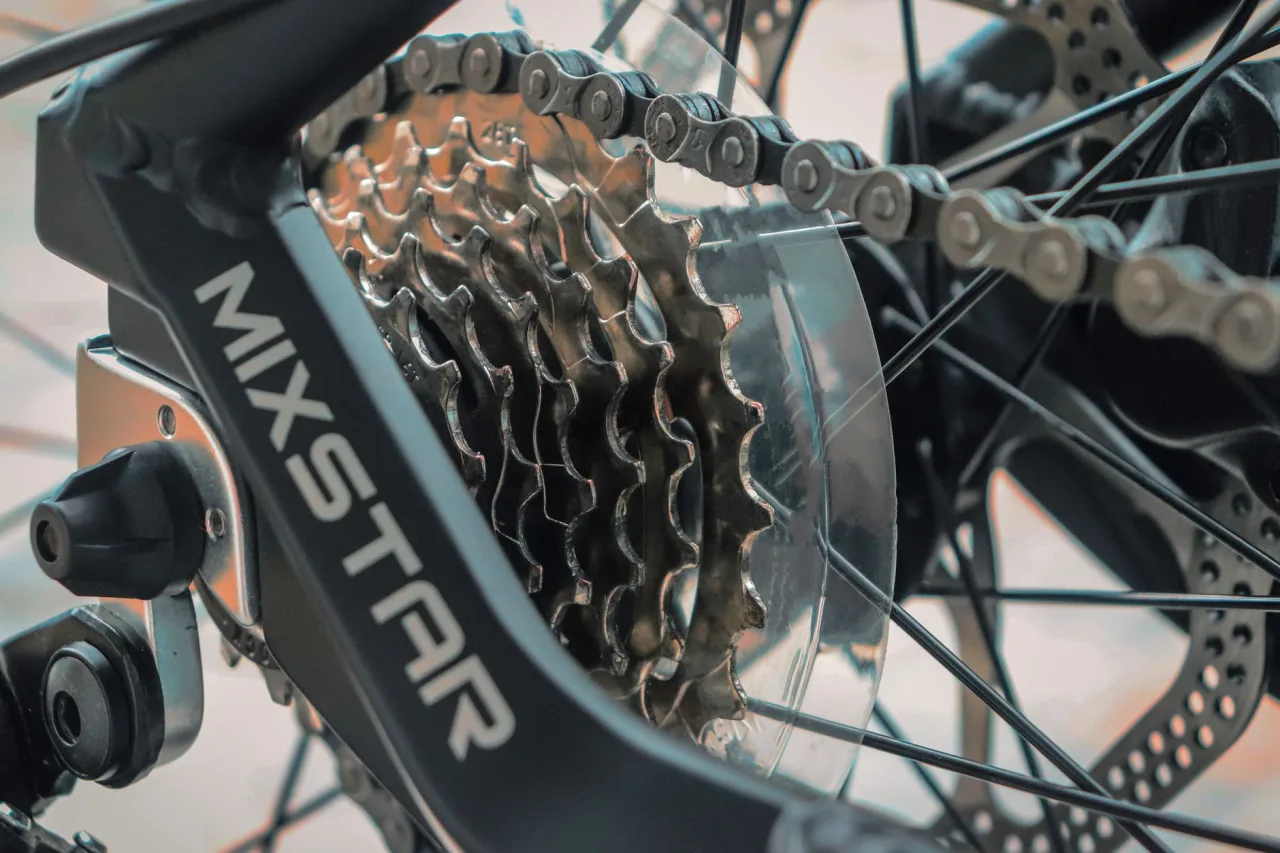
Searching for "bicycle parts near me" usually means one of two things: something broke and you need it now, or you are planning an upgrade and want the right piece the first time. This guide shows you how to find a local shop that stocks and fits parts properly, how to avoid the compatibility traps that waste money, and what common components should roughly cost.
The short version
- A good local shop wins on compatibility advice and same-day fitting, which no online order matches when you need a bike running today.
- Most drivetrain parts belong to a matched system, so the brand and speed count of your groupset dictate what fits. Bring your bike or its details.
- Wear parts like chains, cassettes, brake pads, and tires are the ones you will replace most, so know their rough price ranges before you shop.
- For anything you cannot identify, a photo and the bike's model year help a shop find the right part fast.
Why a local shop still beats ordering parts online
Online retailers stock a deeper catalog at lower prices, so for planned upgrades they are hard to beat. But local parts shops hold three advantages that matter more than you expect, especially in a pinch.
- Same-day availability. A snapped chain or torn tire on a weekend does not wait for shipping. A stocked shop gets you rolling today.
- Compatibility checking. A mechanic who sees your bike catches the mismatch before you buy, saving a return and a wasted afternoon.
- Fitting and adjustment. Many parts, like a new cassette or hydraulic brake pads, need proper installation and tuning that a shop can do on the spot.
The smartest approach blends both channels: order predictable upgrades online when time allows, and lean on a nearby bicycle shop for urgent replacements and anything you are unsure about. For a broader framework on vetting local stores, see our guide on how to find and vet a trusted bike shop.
The compatibility trap: why the right part is not always obvious
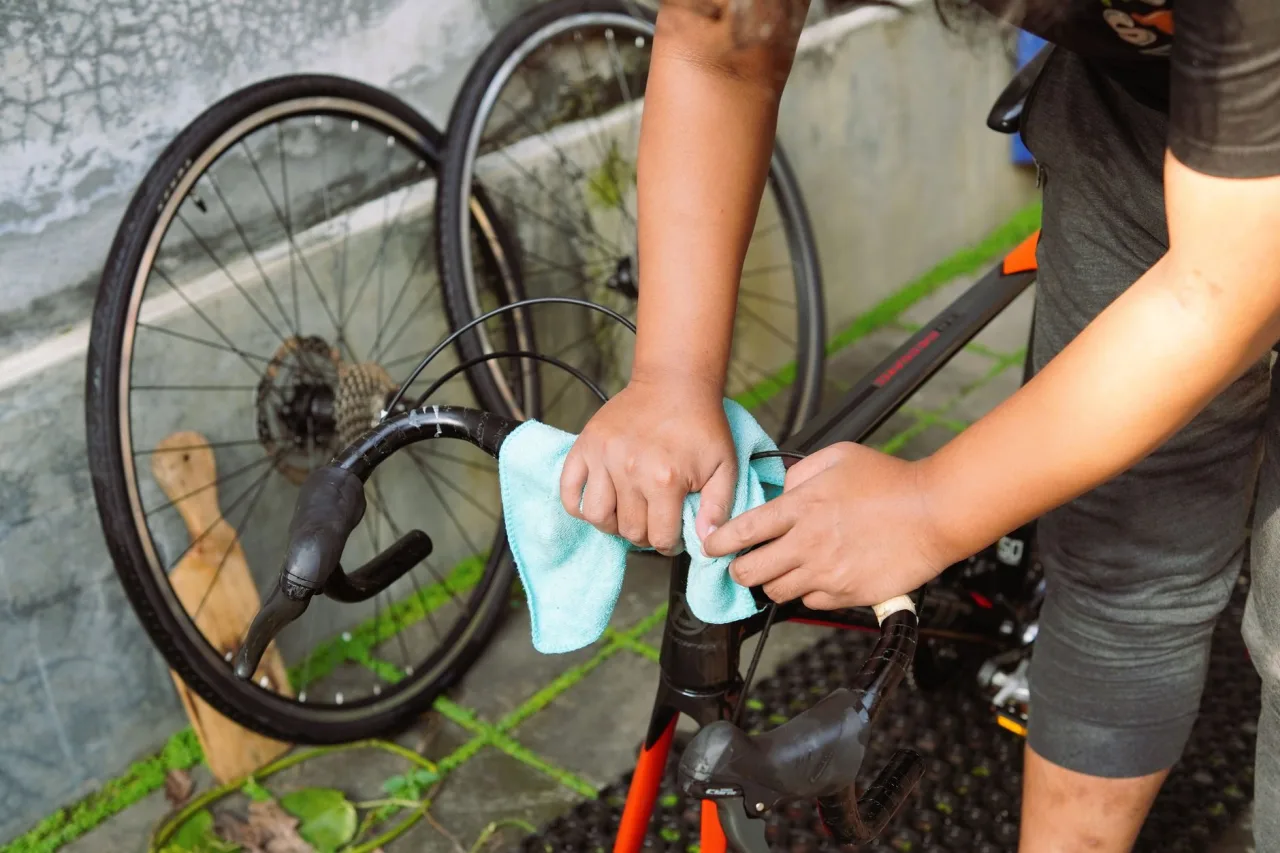
The single biggest reason people return bicycle parts is that they bought something that does not fit their bike. Most modern components are designed to work as a matched system rather than as interchangeable pieces, so understanding a few basics saves real money.
The heart of this is the groupset, the manufacturer's coordinated collection of drivetrain and braking parts. The three dominant makers are Shimano, SRAM, and Campagnolo, and they generally do not mix across systems. A rear derailleur, shifter, cassette, and chain usually need to match the same brand and the same number of speeds to index correctly.
- Speed count matters. An 11-speed chain will not run reliably on a 12-speed cassette. Count your rear cogs before buying a chain or cassette.
- Brake type matters. Rim, mechanical disc, and hydraulic disc brakes each take different pads. Match the caliper, not just the brand.
- Standards vary. Bottom brackets, headsets, and seatposts come in many sizes. This is where a shop that measures your bike saves a guessing game.
If you want to understand how these pieces fit together before you shop, our complete guide to bike components walks through each system in plain language.
Tip: bring the bike or bring the numbers
The fastest way to get the correct part is to bring the bike itself, so a mechanic can measure and match. If that is impractical, photograph the part you are replacing, note the bike's make, model, and year, and count the rear cogs. Those details let a shop identify the right component quickly and spare you a return trip.
What common bicycle parts should roughly cost
Part prices vary by brand, tier, and your bike's standards, so treat these as broad ranges and confirm locally. Higher groupset tiers cost considerably more for lighter weight and smoother shifting, while entry-level parts do the same job for less.
- Chain: a modest cost for an entry-level chain, more for higher-speed or premium versions.
- Cassette: ranges widely, from affordable entry tiers to a significant sum for lightweight performance models.
- Brake pads: inexpensive for rim pads, a little more per set for disc pads.
- Inner tubes and tires: tubes are cheap; tires range from budget to premium depending on tread and casing.
- Cables and housing: low cost for parts, though labor to route and adjust adds to the total.
Labor is usually charged separately from parts, so a cheap component can still carry a fitting fee. For a fuller sense of what maintenance and parts add up to over a bike's life, our reference on real bicycle prices in 2026 puts these numbers in context.
Wear parts you will buy most often
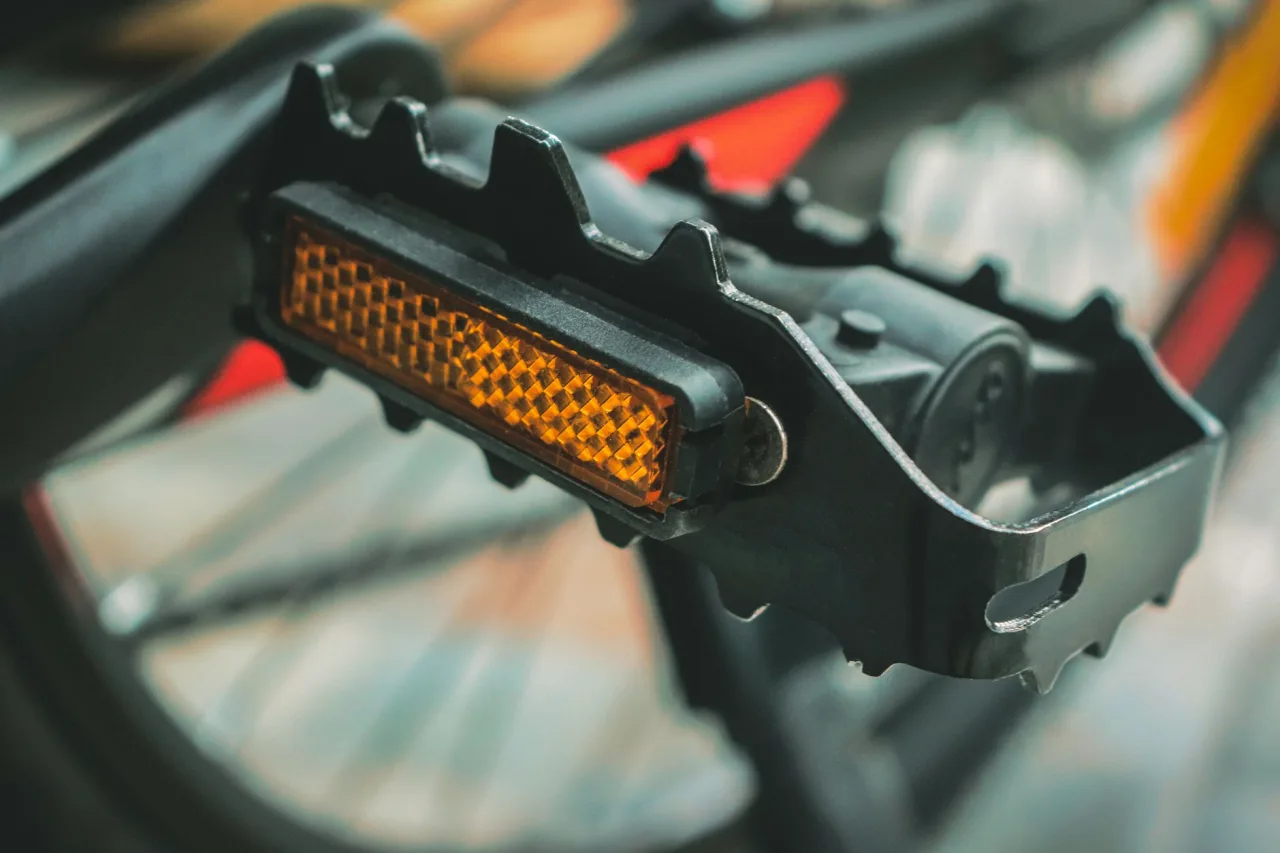
A handful of components wear out on a schedule, and knowing them helps you plan and spot when a shop is upselling. These are the parts a good local store keeps in stock.
- Chain. The fastest-wearing drivetrain part. Replacing it on time protects the pricier cassette and chainrings. Our guide to bike chains explains how to check wear.
- Brake pads. Consumables by design. Replace before the material runs out to protect rotors and rims.
- Tires and tubes. Worn tread and repeated flats are your cue. Match the size printed on the sidewall.
- Cables and housing. Gritty or sluggish shifting often traces back to old cables rather than the derailleur.
Tires deserve extra attention because the size and type change how a bike rides. If you are replacing them, our complete guide to bike tyres covers sizing, tread, and tubeless options so you buy the right rubber for your riding.
When to fit parts yourself and when to use a shop
Some part swaps are genuinely beginner-friendly, while others need tools and skill you may not have. Knowing the line keeps you safe and saves money.
- Reasonable to do yourself: replacing a tube or tire, swapping brake pads, fitting a new chain with the right tool, adjusting a saddle or bar height.
- Better left to a shop: hydraulic brake bleeds, bottom bracket and headset service, wheel building or truing, and anything involving press-fit standards or torque-sensitive carbon parts.
If a repair is beyond your comfort, a service-focused store is the place to go, and it is often cheaper on labor than a full-service showroom. Our guide to finding a repair-focused bicycle shop explains how to locate and judge one for parts and fitting.
Questions to ask when buying parts locally
A few direct questions confirm you are getting the right component and a fair deal.
- Is this part compatible with my exact groupset and speed count?
- Do you have it in stock today, or would it need ordering?
- What does fitting cost on top of the part, if I want it installed?
- Is there a cheaper tier that does the same job for how I ride?
- Do you take the old part or offer a warranty on this one?
Clear answers, and a willingness to confirm compatibility against your bike, mark a shop worth returning to for the next repair.
Frequently asked questions
Where can I buy bicycle parts near me?
Local bicycle shops, both full-service stores and repair-focused ones, stock common parts and can fit them the same day. That local advantage matters most for urgent replacements like a snapped chain or torn tire, and for anything where you are unsure about compatibility. For planned upgrades with time to spare, online retailers offer deeper selection and lower prices, so many riders use both.
How do I know which parts are compatible with my bike?
Most drivetrain and brake parts work as a matched system, so the brand and speed count of your groupset determine what fits. Shimano, SRAM, and Campagnolo generally do not mix, and an 11-speed chain will not run reliably on a 12-speed cassette. The safest approach is to bring the bike so a mechanic can measure and match, or note the make, model, year, and rear cog count.
What bicycle parts wear out most often?
The chain wears fastest and, if replaced on time, protects the pricier cassette and chainrings. Brake pads, tires, tubes, and cables are the other regular consumables. Keeping an eye on these and replacing them before they fail saves money on the more expensive components they can damage when neglected.
How much do common bike parts cost?
Prices vary by brand and tier, so confirm locally. As a rough guide, chains and brake pads are relatively inexpensive, cassettes range from affordable to a significant sum at performance tiers, and tires run from budget to premium. Labor to fit parts is usually charged separately, so factor that in when comparing a self-fit against a shop installation.
Should I fit bike parts myself or use a shop?
Simple jobs like replacing a tube, swapping brake pads, or fitting a chain with the right tool are reasonable to do yourself. Leave hydraulic brake bleeds, bottom bracket and headset service, wheel truing, and torque-sensitive carbon work to a shop. Using a service store for those jobs protects both your safety and the expensive parts involved.
More guides on Bike Shops & Services (Local)
Have a question or a topic to suggest?
We read every message. Tell us what you would like to see next on the blog.
Get in touchYou may also like
Bike Components: The Complete Guide
A plain-English tour of every bike component, from frame and drivetrain to brakes and contact points, with honest guidance on groupset tiers and which upgrades are worth the money.
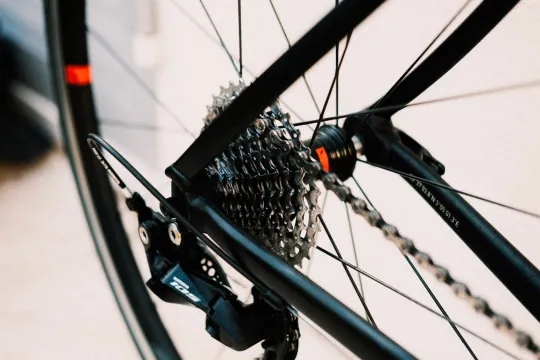
Bike Chain
The bike chain is the humble part that turns your pedalling into forward motion, and it is also the part that wears fastest and gets neglected most.
Bike Tyres: The Complete Guide
The only part of your bike that touches the ground, and the cheapest big upgrade. Learn tyre types, sizing, width, pressure, and how to get fewer punctures.