Mountain Bikes & MTB · Mountain Bikes & MTB
Downhill Bikes
A downhill bike is the most specialised machine in mountain biking: built to be pointed down steep, rough
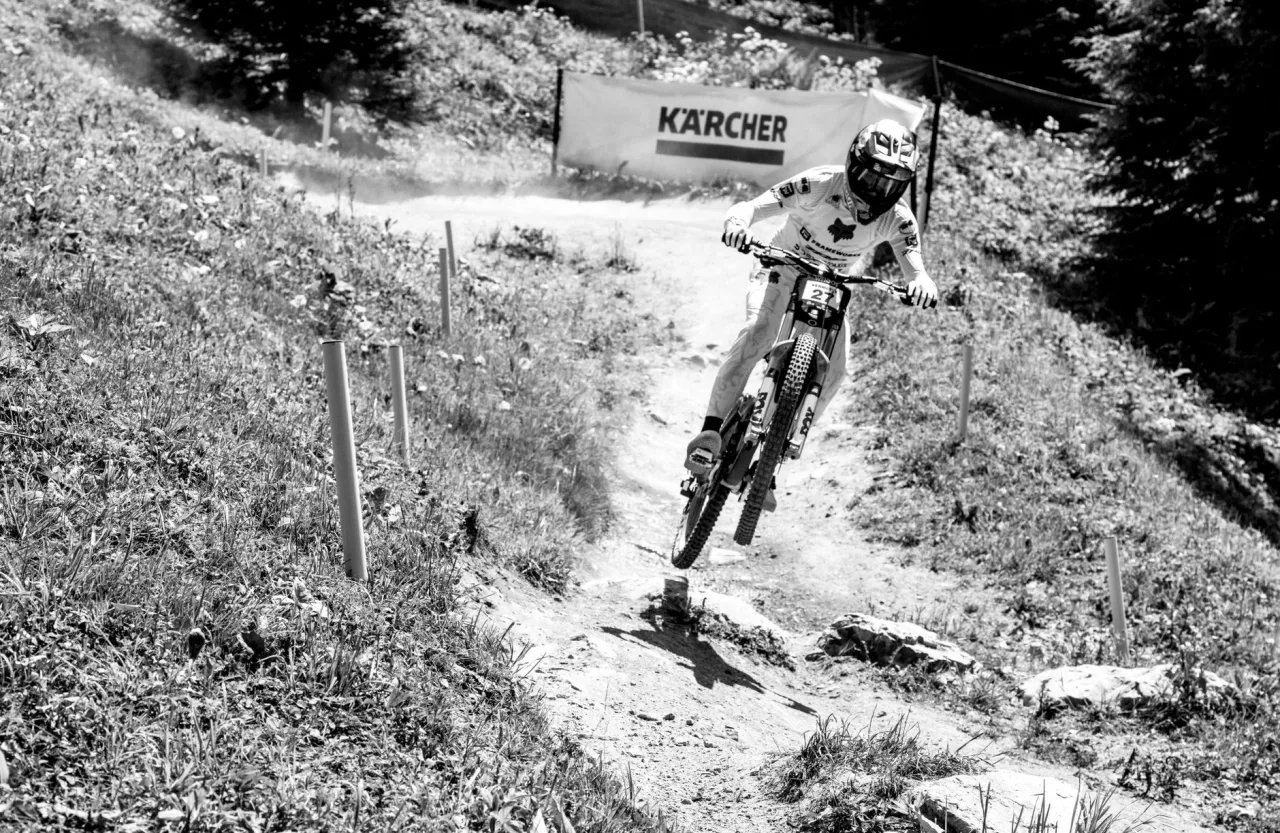
A downhill bike is the most specialised machine in mountain biking: built to be pointed down steep, rough, high speed descents and almost nothing else. It is not a bike you pedal to the trailhead, and it is overkill for most riders. This guide explains what makes a downhill bike different, how it compares to enduro and trail bikes, what the key parts do, and how to decide whether you actually need one.
The short version
- Downhill bikes use long travel suspension, typically around 200mm front and rear, to soak up big hits at speed.
- They have very slack head angles, low bottom brackets and long wheelbases for stability on steep terrain, which makes them poor climbers.
- Riders usually reach the top by chairlift or shuttle, since these bikes are heavy and not built to pedal uphill.
- For most people an enduro or trail bike is a smarter buy. Confirm current prices with a local shop, as spec and region change them a lot.
What a downhill bike is built for
A downhill bike, often shortened to DH, is designed for one job: descending steep, technical, high speed terrain with maximum control. Everything about the design serves that goal, which is why it behaves so differently from a general trail bike. As the Wikipedia article on downhill mountain biking describes, the sport is centred on timed descents where riders reach the top by chairlift or vehicle rather than pedalling up.
That single focus explains the trade offs. A downhill bike is heavier and stronger than other mountain bikes, its geometry is tuned for stability rather than agility, and it is genuinely uncomfortable to ride on flat ground. If your riding involves any meaningful climbing or mixed terrain, a downhill bike will feel like the wrong tool. It shines only when gravity does the work.
Downhill versus enduro versus trail
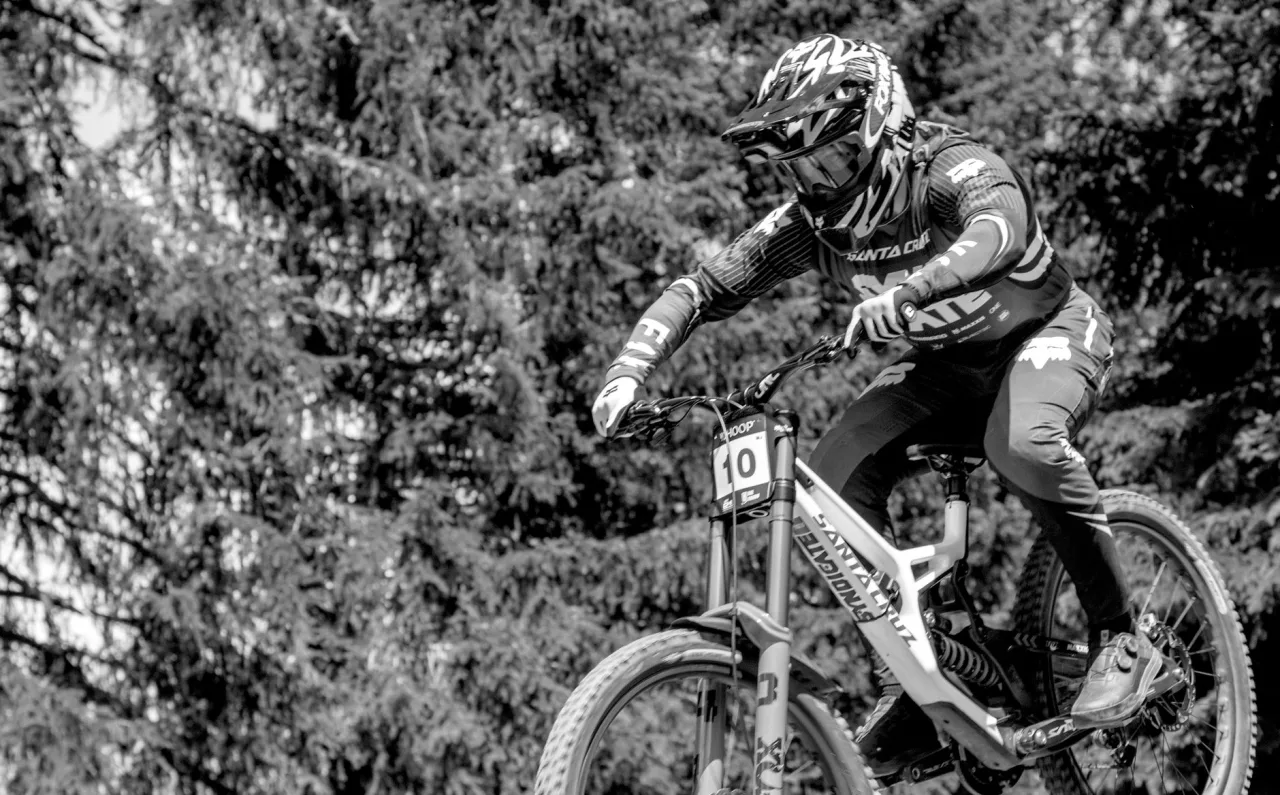
The single most useful thing a new rider can learn is where downhill sits among its neighbours, because the categories overlap and marketing blurs them. Getting this right saves you from buying far more bike than your riding needs.
- Trail bikes: the all rounders, usually with 130mm to 150mm of travel. They climb and descend competently and suit most riders. Our mountain bike guide covers this middle ground.
- Enduro bikes: longer travel, roughly 150mm to 180mm, with geometry that still climbs so you can pedal to descents. See our enduro bike review for where this category fits.
- Downhill bikes: around 200mm of travel, the slackest angles, and no expectation of climbing. Built purely for bike park and race descents.
Put simply, the more you climb, the less downhill bike you want. Many riders who think they need a DH bike are better served by a capable enduro or full suspension bike that can do far more of their riding.
Tip: Before buying a downhill bike, count how many days a year you will actually ride lift served or shuttled descents. If the honest answer is a handful, rent one at the bike park on those days and buy a more versatile bike for the rest of your riding.
Geometry: why downhill bikes feel so planted
Geometry is the reason a downhill bike feels stable at speeds that would feel sketchy on a trail bike. A few numbers do most of the work, and understanding them helps you read any spec sheet.
Modern downhill bikes run extremely slack head angles, in some cases as low as 62 degrees, paired with low bottom brackets and long wheelbases. The slack head angle pushes the front wheel out ahead of the rider, which resists the bars being knocked off line by rocks and roots. The low centre of gravity and long wheelbase add stability, so the bike tracks straight through chaos where a twitchier bike would get deflected. The cost of all that composure is agility: the same geometry that feels glued at speed feels sluggish and awkward at walking pace or on flat ground.
Suspension and travel
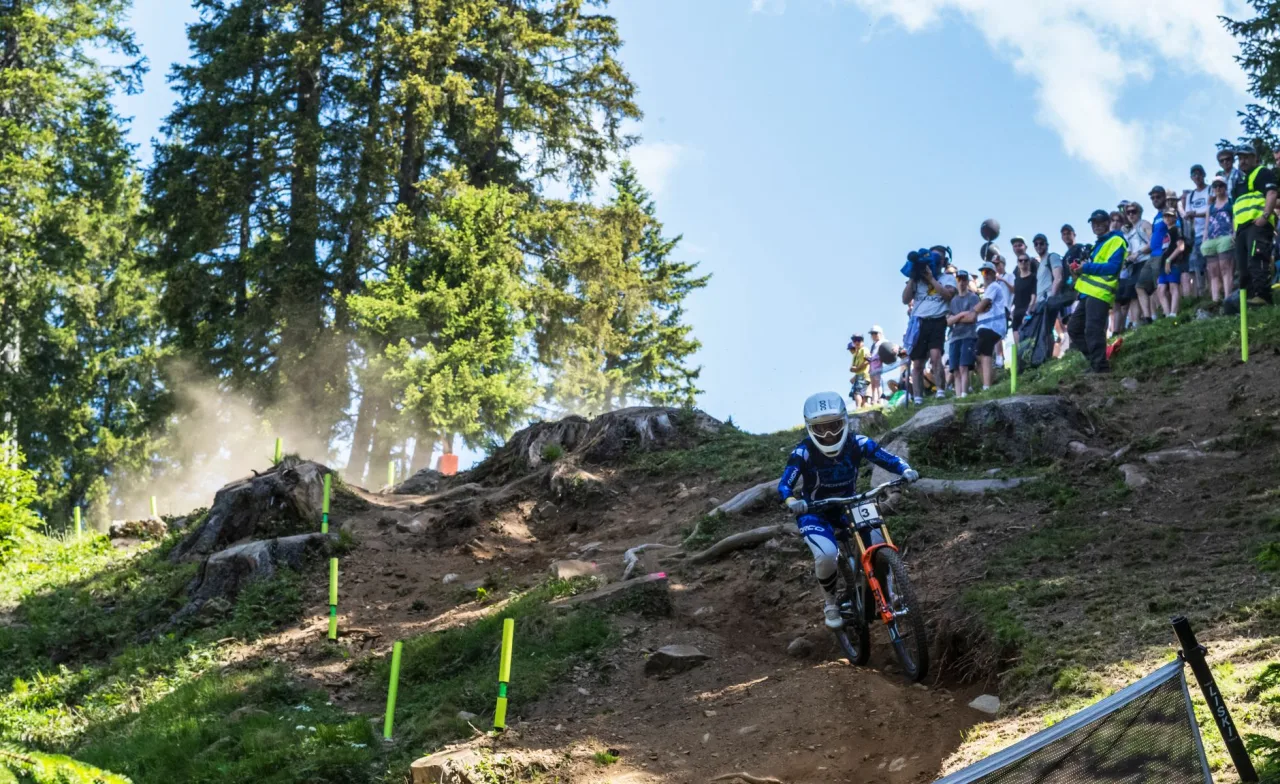
Suspension is the headline feature of a downhill bike, and travel, the distance the wheels can move to absorb impacts, is the number people quote first. More is not automatically better, but downhill is the one category where a lot of travel is genuinely justified.
- Travel: DH bikes typically offer around 200mm front and rear, enough to swallow drops, roots and repeated big hits without overwhelming the rider.
- Dual crown forks: downhill forks usually have two crowns, one above and one below the head tube, which adds stiffness and durability for aggressive riding.
- Rear shock: often a coil shock, prized for consistent performance on long, rough descents where an air shock can heat up.
All that suspension needs periodic servicing to keep working well, which is worth budgeting for. A neglected fork or shock loses performance and can be expensive to rebuild.
Wheels, brakes and tyres
Beyond suspension and geometry, a downhill bike is defined by heavy duty contact points. These are the parts that keep you in control when everything is happening fast, so they are built stronger than on lighter bikes.
- Brakes: large four piston hydraulic disc brakes with big rotors, sized to shed speed and heat on long descents without fading.
- Tyres: wide, aggressive tread with tough casings that resist punctures and grip loose, steep ground. See our bike tyres guide for how tread and casing change grip.
- Wheels: stronger rims and more robust hubs to survive repeated impacts that would dent lighter cross country wheels.
- Drivetrain: often a narrower gear range than a trail bike, because you are descending rather than climbing.
Who should actually buy a downhill bike
A downhill bike is a specialist purchase, and being honest about your riding will save you money and frustration. The bike makes sense for a specific rider and is the wrong choice for many who are drawn to it.
- Bike park regulars: if you ride lift served parks often, a DH bike is in its element and will feel worth every penny.
- Aspiring racers: if you want to race downhill, the category is purpose built for it.
- Shuttle riders: if you have reliable access to vehicle shuttles to the top of long descents, the lack of climbing ability matters less.
If none of those describe you, an enduro or trail bike will almost certainly make you happier, because it can climb, cover ground, and still descend well. Many riders find a capable full suspension bike covers everything they realistically ride.
Watch out: A downhill bike is illegal or impractical for road and path use and cannot be pedalled uphill with any comfort. Do not buy one as a general mountain bike. If you only occasionally ride the park, renting there is usually far cheaper than owning a bike you rarely use.
Prices and how to buy well
Downhill bikes span a wide price range depending on frame material, suspension quality and component level. Because they are a niche category with big variation in spec, think in bands rather than fixed figures, and always confirm current pricing locally.
Entry level complete downhill bikes sit at the lower end but still represent a serious purchase, mid range builds with better suspension climb into the middle range, and top end race bikes with carbon frames and premium suspension reach the upper range and beyond. Because these are specialist bikes, a good shop is invaluable for setup, suspension tuning and sizing. Our guide on how to find a trusted local bike shop explains what to look for, and if you are cross shopping brands, our Santa Cruz overview covers a maker known for gravity bikes. For a broader view of every category, see our MTB bike guide.
Frequently asked questions
Can you pedal a downhill bike uphill?
You can technically pedal one on flat ground or a gentle rise, but it is heavy, has geometry tuned for descending, and often a limited gear range, so climbing is slow and uncomfortable. Downhill bikes are designed to be taken to the top by chairlift or shuttle, not pedalled up, which is why they suit bike parks and shuttle runs rather than general trail riding.
How much suspension travel does a downhill bike have?
Modern downhill bikes typically offer around 200mm of travel front and rear, which is more than any other mountain bike category. That much travel absorbs big drops and repeated hard hits at speed. Enduro bikes use less, roughly 150mm to 180mm, and trail bikes less again, which is part of what makes those categories more versatile.
Do I need a downhill bike or an enduro bike?
If you ride lift served bike parks or race downhill, a DH bike is ideal. If you want a bike that can also climb and cover mixed terrain, an enduro bike is the better all round choice because its geometry still pedals well. Most riders who are unsure are better served by an enduro or trail bike than a dedicated downhill machine.
Why do downhill bikes have such slack head angles?
A slack head angle, sometimes as low as 62 degrees, pushes the front wheel out ahead of the rider and resists the bars being deflected by rocks and roots. Combined with a low bottom bracket and long wheelbase, it makes the bike very stable at speed on steep terrain. The trade off is that the same geometry feels sluggish and awkward at low speeds and on flat ground.
Are downhill bikes worth it for casual riders?
For most casual riders, no. A downhill bike only makes sense if you regularly ride lift served or shuttled descents. If you ride the park just a few days a year, renting one there is usually far cheaper than owning a specialist bike you rarely use, and a trail or enduro bike will cover the rest of your riding far better.
Sources: the Wikipedia article on downhill mountain biking and the Wikipedia mountain bike article.
More guides on Mountain Bikes & MTB
Have a question or a topic to suggest?
We read every message. Tell us what you would like to see next on the blog.
Get in touchYou may also like

Enduro Bike: Review, Specs and Best Prices
The enduro bike is arguably the most versatile serious mountain bike you can own: long travel enough to descend hard, yet built with geometry that still lets you pedal to the top.
Bike Chain
The bike chain is the humble part that turns your pedalling into forward motion, and it is also the part that wears fastest and gets neglected most.
Specialized Diverge E5: Review, Specs
The Specialized Diverge E5 is the aluminium entry point into Specialized's Diverge gravel range, a drop bar bike built to blur the line between road and trail.