MTB Shop Guide
Mountain Bike Shop Near Me
Judge an MTB shop by its service department, demos, and trail knowledge.
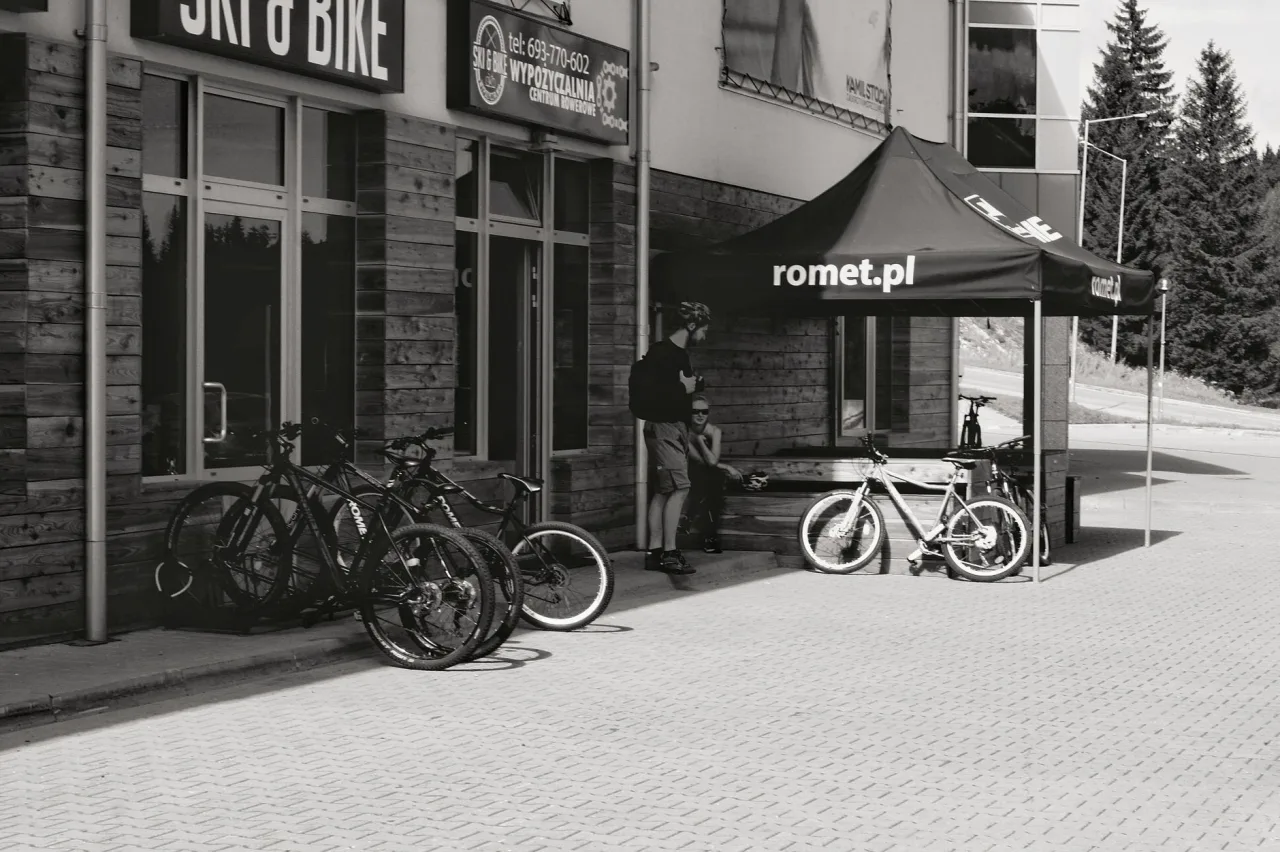
A general bike shop can sell you a mountain bike, but a mountain-bike specialist changes how well that bike works on the trail. This guide shows you how to find and vet an MTB-focused shop near you, what suspension and drivetrain service should roughly cost, and the questions that reveal whether the staff actually ride the trails they sell for.
The short version
- A true mountain-bike shop is defined by its service department: suspension setup, tubeless tires, and dropper posts are routine for them, not special requests.
- Staff who ride local trails give better advice than any spec sheet. Ask where they ride to test this quickly.
- Suspension service is the recurring cost that general shops often outsource. Expect a fork lower-leg service in a modest range and a full rebuild higher, confirmed locally.
- Demo days and rental fleets let you try a bike on real dirt before committing, which no showroom test can match.
What makes a mountain-bike shop different
Plenty of shops stock a rack of hardtails, but a dedicated mountain-bike shop is built around off-road riding from the tools up. A mountain bike carries systems a road-focused store rarely touches, and matching the shop to those systems saves you money and frustration.
- Suspension expertise. Modern forks and shocks now offer well over 100 mm of travel and need setup and periodic servicing. A real MTB shop sets sag correctly by habit and services suspension in house.
- Tubeless and tire knowledge. Off-road riders run tubeless setups and specific tread patterns for local dirt. A specialist knows which tires suit your trails.
- Dropper posts and cockpit setup. Routing a dropper post and dialing brake reach are everyday jobs for these shops.
- Trail knowledge. The best shops know the local trail network, from beginner loops to technical descents, and match your bike to where you ride.
If you are still deciding what kind of off-road bike you want, our complete guide to mountain bikes breaks down the categories so you can walk in knowing whether you need a trail hardtail or a full-suspension enduro rig.
How to judge an MTB shop before you visit
You can read a shop's real focus from its website and reviews before you drive over. Look for signals that riders, not just retailers, run the place.
- Suspension service on the menu. Shops that list fork and shock service by name almost always do it well. It is a demanding job that general stores avoid.
- Brand partnerships that fit. Authorized dealers for mountain-focused lineups from Trek, Specialized, Giant, Cannondale, or Santa Cruz have completed manufacturer training and can honor warranties.
- Ride culture. A shop that posts group rides, trail-day volunteering, or race support is staffed by people who ride. That knowledge ends up in your bike setup.
- Review patterns. Look for repeated praise of a named mechanic or of suspension work specifically, not just a high average score.
For a broader checklist that applies to any local store, our guide on how to find and judge a bike shop near you covers the universal signals of a trustworthy shop.
Tip: ask where the staff ride
The single fastest test of a mountain-bike shop is to ask an employee where they rode last weekend. Someone who lights up and names local trails, describes conditions, and asks about your riding is the person you want setting up your bike. A blank look means you are in a shop that sells mountain bikes rather than one that lives them.
Suspension and MTB service: what it should roughly cost
Suspension is the recurring cost that sets mountain biking apart, and it is where a specialist shop earns its keep. Prices vary by region, fork model, and parts, so treat these as broad ranges and confirm locally before authorizing work.
- Lower-leg fork service (seals and oil, recommended regularly): commonly a modest labor charge plus parts.
- Full fork or shock rebuild (damper service, air can, seals): frequently higher, into the low hundreds depending on the unit.
- Tubeless tire setup (sealant, valves, mounting): a small labor charge plus consumables.
- Brake bleed (hydraulic disc): a modest per-wheel charge, more if pads or rotors are worn.
- Dropper post service: varies by model, from a quick service to a full cartridge replacement.
If a suspension quote runs far above these ranges, ask what is driving it. Sometimes a damper needs a new cartridge; sometimes the estimate is padded. A trustworthy shop will show you the worn seals or explain the service interval. For the broader picture of how full-suspension bikes work and what maintaining them involves, see our guide to full suspension bikes.
Test before you buy: demos, rentals, and fit
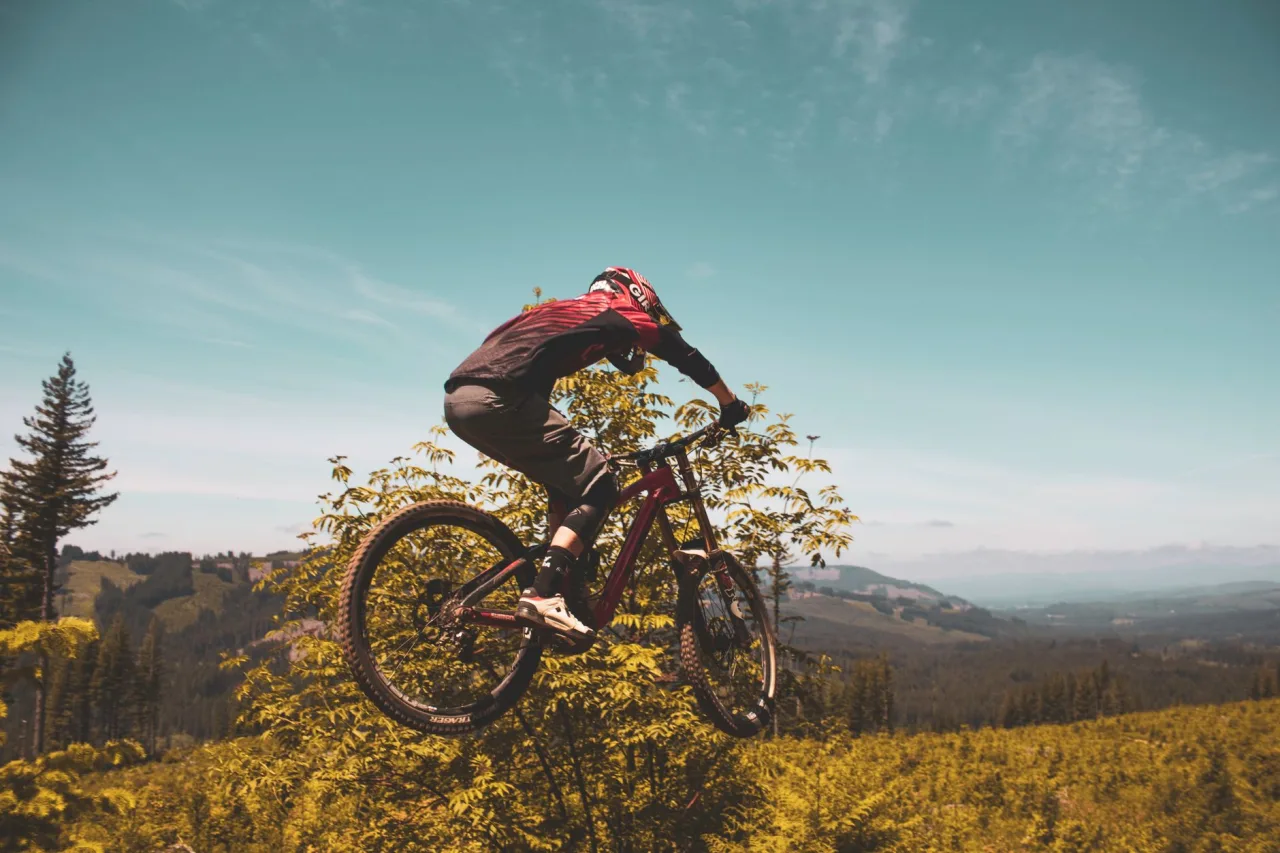
A mountain bike feels completely different on dirt than in a showroom, which is why demo access is one of the best reasons to choose a specialist shop. Rolling a bike across a parking lot tells you almost nothing about how it climbs, corners, or handles a rooty descent.
Look for shops that offer demo days, where manufacturers bring a fleet to a local trailhead, or that rent higher-end bikes and credit the rental toward a purchase. Either lets you feel the difference between a 29-inch and a 27.5-inch wheel, or between 120 mm and 150 mm of travel, on terrain you actually ride. Pair that with a proper fit session, and you avoid the common mistake of buying a bike that looks right on paper but does not suit your body or your trails.
If you are considering an assisted trail bike, the service demands climb further, since motors and batteries need trained handling. Our guide to electric mountain bikes explains what to look for and why the shop's service department matters even more for e-MTBs.
Questions to ask a mountain-bike shop
Walk in with a short checklist. The answers, and how readily they come, reveal whether you have found a genuine specialist.
- Do you service suspension in house, or send it out? In-house is a strong sign of expertise.
- Which local trails suit the bike I am looking at, and which do you ride?
- Are you an authorized dealer for the brand I want, and does that include warranty support?
- Do you offer demos or rentals I can put toward a purchase?
- Is a professional fit included with a new bike, and do you set suspension sag before I leave?
Willing, detailed answers point to a shop that will support your riding for years. Vague responses or an obvious lack of trail knowledge suggest you keep looking.
Mountain-bike shop versus MTB service store
Some riders need a shop to buy from; others mainly need one to keep an existing bike running. These are not always the same store. A full-service mountain-bike shop sells complete bikes, handles warranties, and runs demos, while some smaller operations focus purely on service and suspension tuning without a big sales floor. For a service-first store, a lean specialist can be perfect and often cheaper on labor. If your search is really about keeping a bike dialed rather than buying one, our closely related guide to finding MTB shops near you goes deeper on service departments, community, and the rider's field checklist for judging one.
Frequently asked questions
What makes a mountain-bike shop different from a general bike shop?
A mountain-bike shop is built around off-road systems: suspension setup and servicing, tubeless tires, dropper posts, and knowledge of local trails. Its service department handles fork and shock rebuilds in house, and its staff usually ride the trails they sell for. A general shop can sell a mountain bike but often outsources suspension work and offers less trail-specific advice.
How much does mountain-bike suspension service cost?
Prices vary by region, fork or shock model, and parts, so confirm locally. As a rough guide, a lower-leg fork service is a modest labor charge plus parts, while a full fork or shock rebuild frequently runs into the low hundreds. If a quote seems high, ask what is driving it. A trustworthy shop will show you the worn seals or explain the service interval.
Should I demo a mountain bike before buying?
Yes, if you can. A mountain bike feels completely different on dirt than in a showroom, and demos or rentals let you test wheel sizes and suspension travel on real terrain. Many specialist shops run demo days or credit a rental toward purchase. Pair a demo with a proper fit session to avoid buying a bike that suits the spec sheet but not your body or trails.
How do I know if a shop's staff actually ride?
Ask where they rode last weekend. Someone who names local trails, describes conditions, and asks about your riding lives the sport, and that knowledge shows up in how they set up your bike. A blank look suggests a store that sells mountain bikes without riding them, which usually means weaker advice and setup.
Do I need an authorized dealer to buy a mountain bike?
Not strictly, but authorized dealers for brands like Trek, Specialized, Giant, Cannondale, or Santa Cruz have completed manufacturer training and can handle warranty claims smoothly. That matters if a frame or suspension component fails. Buying from an authorized specialist gives you both trained setup and a clear path if something goes wrong.
More guides on Bike Shops & Services (Local)
Have a question or a topic to suggest?
We read every message. Tell us what you would like to see next on the blog.
Get in touchYou may also like
MTB Shops Near Me
A rider's field checklist for MTB shops near you: reading the workshop over the showroom, judging the service department, and why local trail culture is the real signal.
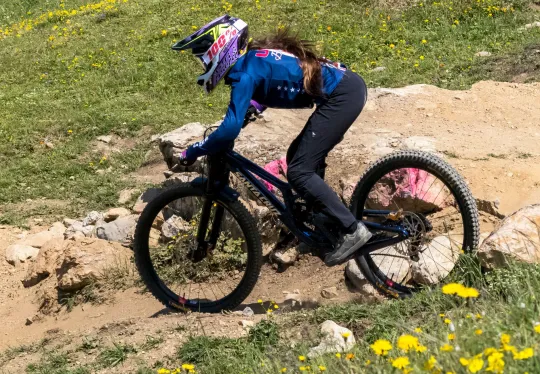
Mountain Bike: The Complete Guide
Everything you need to choose a mountain bike: the main types, wheel sizes, key components, how to pick your first bike and the gear and care that keep it running.
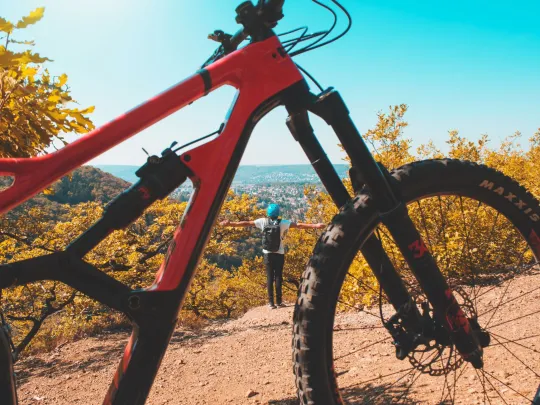
Full Suspension Bike
A full suspension bike smooths out rough trails by springing both the front wheel and the rear, giving you more comfort, grip and control when the ground gets nasty.