Buyer's Guide
Best Bike Helmets 2026: Picks by Budget
Safety standards and fit come first: what each budget tier actually buys and how to choose without the hype.
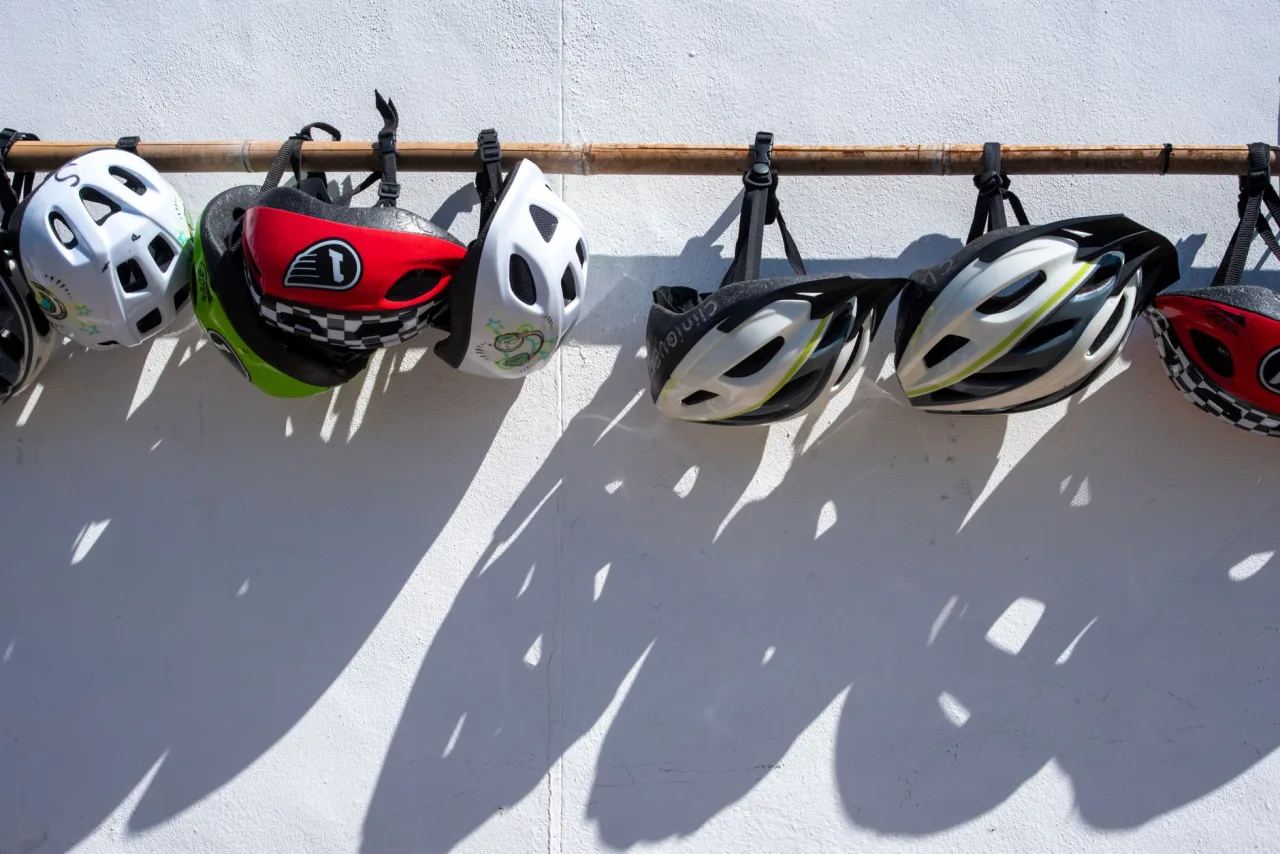
The best bike helmet is not the most expensive one. It is the one that meets a recognised safety standard, fits your head properly, and is comfortable enough that you actually wear it every ride. This guide skips the fake leaderboard and instead gives you a clear buying framework by budget, so you can choose the right helmet with confidence.
The short version
- Any helmet worth buying meets a recognised safety standard such as CPSC in the US or EN 1078 in the EU. That is the non-negotiable baseline.
- Fit and retention matter more than price. A cheap helmet that fits beats a costly one that does not.
- More money buys lighter weight, better ventilation, and features like rotational-impact systems, not necessarily more baseline protection.
- Prices vary widely and change often, so treat all figures as ranges and confirm current pricing before you buy.
The one thing every good helmet has: a safety standard
Before you think about looks, weight, or vents, check that a helmet meets a recognised safety standard. This is the floor that separates a real helmet from a novelty. According to Wikipedia's article on bicycle helmets, the US Consumer Product Safety Commission created a mandatory standard for all bicycle helmets sold in the United States that took effect in 1999, while the EU uses the EN 1078 standard. Any reputable helmet will state which standard it meets. If a product does not clearly claim a recognised standard, do not buy it, no matter how cheap or good-looking it is.
It is worth knowing the limits of these standards too. The same source notes that CPSC and EN 1078 mainly test linear impacts and do not directly measure rotational forces, which is the gap that newer rotational-protection systems try to address.
Fit and retention: the free upgrade
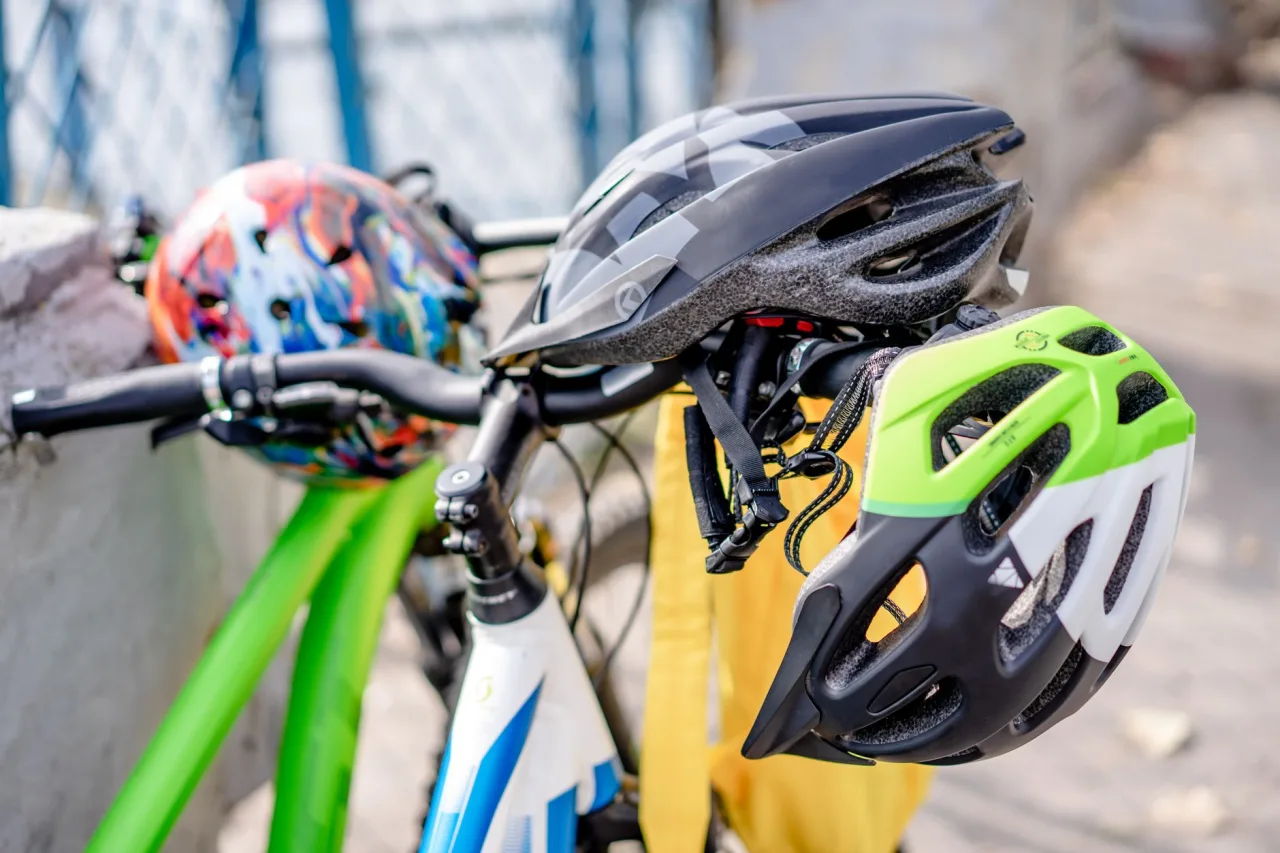
A helmet only protects you if it is on your head correctly at the moment of a crash. Fit is the most important feature and it costs nothing extra. A well-fitted helmet sits level, covering your forehead, with the front edge roughly two finger-widths above your eyebrows. The retention dial at the back should snug it without pressure points, and the side straps should form a V just under each ear. The chin strap should be tight enough that you can fit only a finger or two beneath it. If a helmet cannot be made to fit like this, it is the wrong helmet for you, whatever its price or reviews.
Tip: how to check fit in the shop
- With the straps undone, shake your head. A well-sized helmet stays put without wobbling.
- Open your mouth wide with the strap fastened. You should feel the helmet pull down slightly.
- Push the front up with a finger. If it slides back and exposes your forehead, tighten the fit or size down.
What more money actually buys
Spending more does not buy a higher pass on the safety standard, since every certified helmet clears the same baseline. What extra money buys is comfort and convenience, which do matter because they make you wear the helmet more consistently. Higher price tends to bring:
- Lower weight, often through in-mould construction with a thin shell bonded to the foam.
- Better ventilation, with more and larger vents that keep you cooler on hot climbs.
- Rotational-impact systems, a voluntary added layer designed to reduce twisting forces in angled impacts.
- Nicer retention systems, straps, and finishing that improve day-to-day comfort.
Choosing by budget: an honest tier guide

Rather than name specific models with invented rankings, here is what each price tier realistically gives you. Prices vary by region and change frequently, so these are broad ranges to confirm locally.
- Budget tier: a certified helmet that meets a recognised standard, with basic ventilation and a simple retention dial. This is genuinely all you need for safety. The trade-offs are more weight and fewer vents.
- Mid tier: lighter, better ventilated, often with a rotational-impact system and a more refined fit system. This is the sweet spot for most regular riders.
- Premium tier: the lightest builds, the most ventilation, advanced protection systems, and aerodynamic or race-specific designs. Worth it for frequent or competitive riders, overkill for occasional ones.
The right tier is the one that matches how often and how hard you ride. A daily commuter and a weekend racer have genuinely different needs, and neither should feel pressured into the other's helmet. To round out your kit once the helmet is sorted, see our cycling gear guide and, for being seen after dark, the bike lights guide.
Matching the helmet to your riding
Helmet shape follows discipline. Road helmets are light and well-ventilated with a rounded profile. Mountain bike helmets add more rear-of-head coverage and often a visor. Commuter and urban helmets prioritise everyday comfort and sometimes integrated lights. A full-face helmet is a different category built for downhill and gravity riding. Buy for the riding you mainly do, and if you split your time, a versatile road or trail helmet usually covers more situations than a specialist one. For the bikes these helmets pair with, our road bike guide and electric road bike guide are good companions.
Warning: replace a helmet after any real impact
- Helmet foam is designed to crush once, so a helmet that took a hard hit should be replaced even if it looks fine.
- Replace an ageing helmet after several years, since materials and straps degrade over time.
- Never buy a used helmet, because you cannot know its impact history.
Do helmets actually help?
Yes, with useful nuance. Wikipedia's bicycle safety article states that wearing a helmet may reduce the chance of head injury in a crash, while also noting that overall cycling safety depends on more than a helmet, including infrastructure and driver behaviour. The sensible takeaway is to wear a properly fitted, certified helmet every ride and to treat it as one layer of safety alongside lights, visibility, and safe riding habits. A helmet is cheap protection for the one part of you that cannot be repaired.
Where to buy and why fitting in person helps
You can buy a helmet online, but a first helmet or a new head shape is worth trying in person, because fit varies between brands even at the same stated size. A good local shop lets you try several shapes and adjust the fit properly, and the staff can spot a poor fit you might miss. To find a shop worth visiting, our guide to a trusted local bike shop explains how to judge one on honesty and service rather than marketing.
Frequently asked questions
What is the most important thing in a bike helmet?
Two things tie for first: a recognised safety standard and a proper fit. The standard, such as CPSC in the US or EN 1078 in the EU, guarantees a tested baseline of protection, and correct fit ensures the helmet actually protects you in a crash. Neither weight, brand, nor price matters if those two are missing.
Are expensive bike helmets safer than cheap ones?
Not in terms of the baseline standard. Every certified helmet clears the same test, so a budget helmet that meets a recognised standard is genuinely safe. Extra money buys lower weight, better ventilation, and features like rotational-impact systems, which improve comfort and may add protection in angled impacts, but do not raise the certified baseline.
What does MIPS or a rotational system do?
Standard tests such as CPSC and EN 1078 focus on linear impacts and do not directly measure rotational forces. Rotational-impact systems are a voluntary added layer intended to reduce the twisting forces on the brain during angled impacts. They are a worthwhile feature but not a substitute for a helmet meeting a recognised standard and fitting well.
When should I replace my bike helmet?
Replace it immediately after any real impact, because the foam is designed to crush once and may not protect you again even if it looks undamaged. Also replace an ageing helmet after several years, since straps and materials degrade over time. Never buy or use a secondhand helmet, since you cannot know its impact history.
Should I buy a bike helmet online or in a shop?
For a first helmet or a new head shape, a shop is better because fit varies between brands even at the same stated size, and staff can help you adjust it correctly. Once you know a brand and size that fits your head well, buying the same line online is reasonable. Fit should always drive the decision.
More guides on Buying Guides & Prices
Have a question or a topic to suggest?
We read every message. Tell us what you would like to see next on the blog.
Get in touchYou may also like

Bike Helmet: The Complete Guide
Safety standards, MIPS, and step-by-step fitting explained, plus helmet types for every rider and realistic prices for safe protection.

Cycling Gear: The Complete Guide
The right cycling gear keeps you safe, comfortable, and your bike secure. Here are the essentials, from helmet to lock, and what actually matters.

Bike Lights: The Complete Guide
The difference between being seen and being a surprise. Compare front and rear types, lumens, charging, and the legal rules on flashing, then choose the right set for your rides.