Maintenance & How-To · Maintenance & How-To
Bike Chain
The bike chain is the humble part that turns your pedalling into forward motion, and it is also the part that wears fastest and gets neglected most.
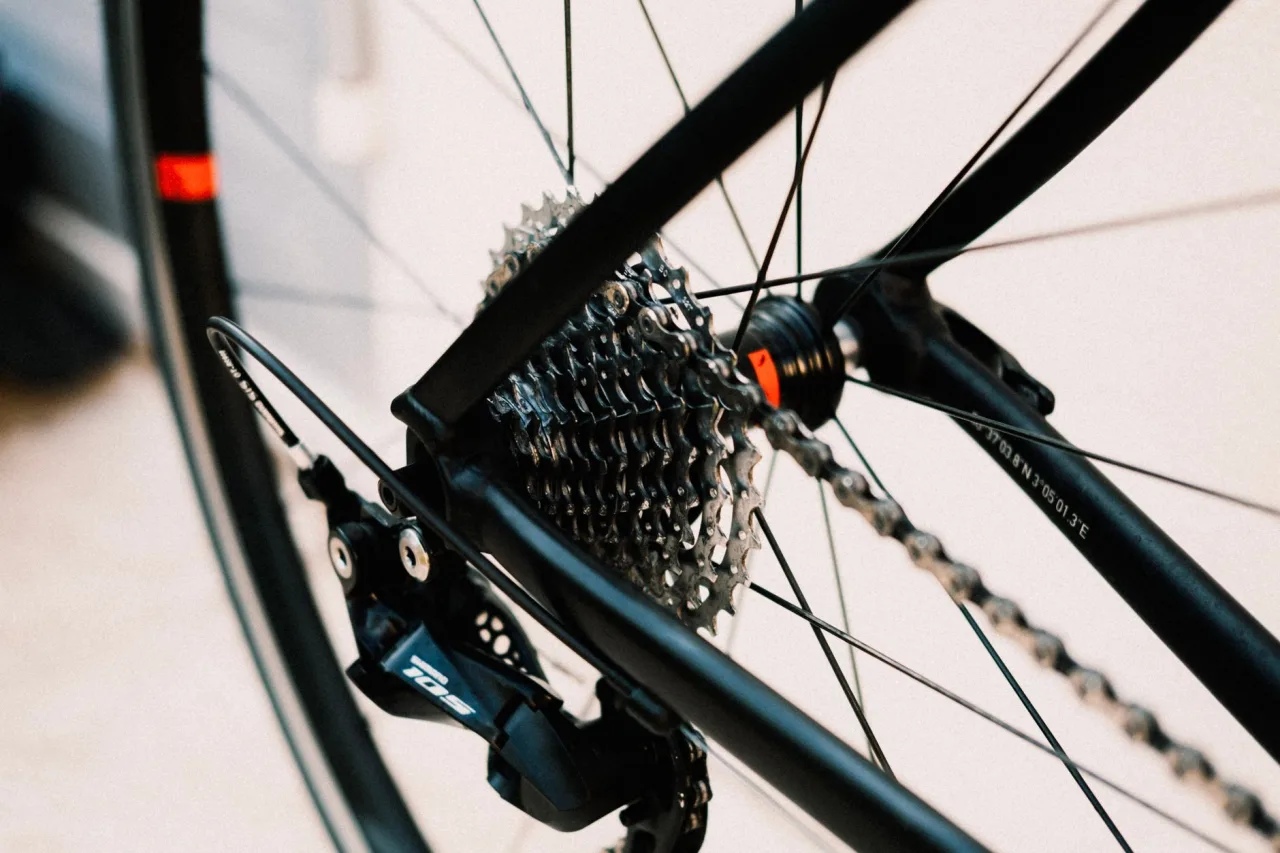
The bike chain is the humble part that turns your pedalling into forward motion, and it is also the part that wears fastest and gets neglected most. Understanding how a chain works, how to keep it running smoothly, and when to replace it will make your bike quieter, faster and cheaper to run. This guide covers the types, care, wear and replacement without assuming any mechanical background.
The short version
- A bike chain is a roller chain with a standard half inch (12.7mm) pitch, the distance between pins.
- Chain width varies by drivetrain: narrower for multi speed derailleur bikes, wider for single speed and cargo bikes.
- Chains wear as material is lost from the pins and bushings, which is often called stretch even though the metal does not literally stretch.
- A clean, lubricated chain lasts far longer and shifts better. Replacing a worn chain in time protects the more expensive cassette and chainrings.
What a bike chain is and how it works
A bike chain is a type of roller chain that transfers power from the pedals to the drive wheel. Each link is made of inner and outer plates connected by pins, with rollers that mesh with the teeth of the chainrings and cassette. As the Wikipedia article on bicycle chains notes, modern chains use a bushingless design where the bearing surface is built into the inner plates, which keeps them light and efficient.
The standard modern bike chain has a half inch, or 12.7mm, pitch, meaning the distance between pin centres. This standard means chains and drivetrains from different makers are broadly compatible on pitch, though the width must match your number of gears. For where the chain sits among all the parts of a bike, our bike component guide gives the wider picture.
Types of bike chain
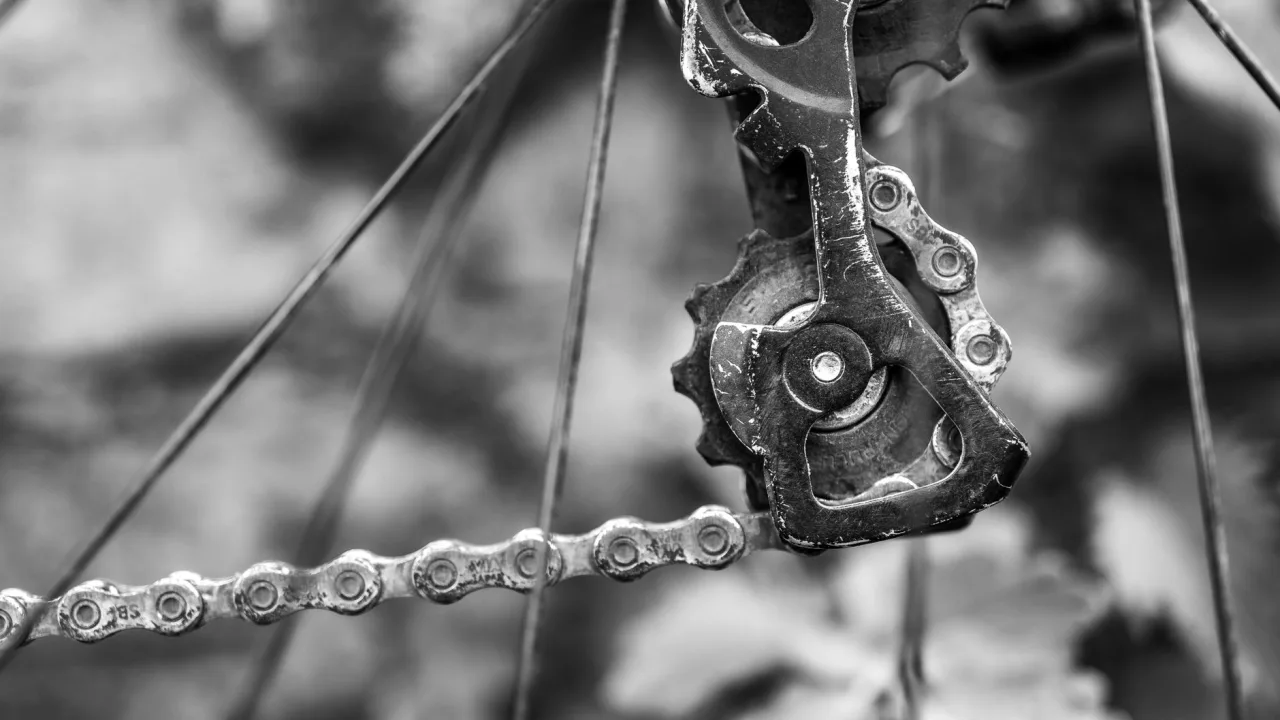
Chains are not one size fits all. The main difference is width, which is dictated by how many sprockets your rear cassette has, because more gears means the sprockets sit closer together and need a narrower chain to fit between them.
- Derailleur chains: narrow, around 3/32 inch, used on the multi speed bikes most people ride. The exact width narrows further as gear count rises.
- Single speed and fixed gear chains: wider, around 1/8 inch, stronger and used where there is only one sprocket and no shifting.
- Cargo and heavy duty chains: wider still, around 5/32 inch, used on cargo bikes and tricycles that carry heavy loads.
The practical takeaway is that you must match a new chain to your drivetrain, especially the number of rear gears. Buying an 11 speed chain for a 12 speed drivetrain, or vice versa, causes poor shifting. If in doubt, tell a shop your exact groupset. Our cycling gear guide covers the wider kit that keeps a drivetrain happy.
Chain materials
Most chains are made from plain carbon or alloy steel, chosen for strength and reasonable cost. The differences between chains at different price points come down to coatings and finishing rather than exotic materials.
- Plain and alloy steel: the standard, offering a good balance of strength, durability and price.
- Nickel plated and coated: better corrosion resistance and sometimes lower friction, which suits wet climates and higher end drivetrains.
- Stainless options: used where rust resistance matters most, at a premium.
For most riders, a mid range chain from a reputable brand, kept clean and lubricated, is the sweet spot. Spending more buys marginal friction savings and coatings rather than a dramatic change in longevity.
Cleaning and lubricating your chain
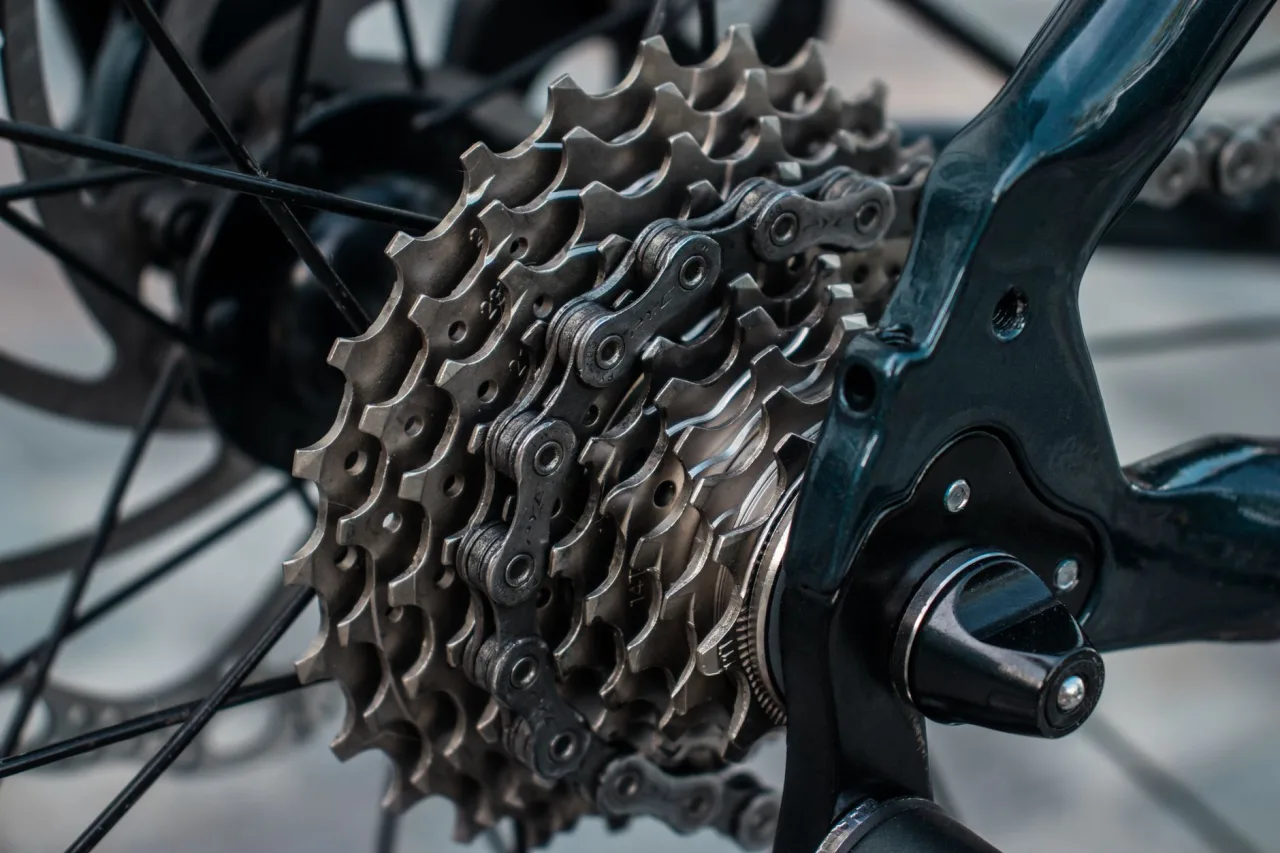
Nothing extends a chain's life more cheaply than keeping it clean and properly lubricated. A dirty chain acts like grinding paste, wearing itself and the drivetrain far faster, so a simple routine pays off in both performance and cost.
- Wipe regularly. After dry rides, run the chain through a clean rag to remove surface grime before it works into the links.
- Deep clean when dirty. After wet or muddy rides, use a degreaser and brush or a chain cleaning tool, then dry the chain.
- Lubricate the right amount. Apply lube to each link, let it soak in, then wipe off the excess so it does not attract dirt.
- Match lube to conditions. Dry lube suits dry, dusty riding, while wet lube stays put in rain but attracts more grime.
The most common mistake is over lubing. A wet, shiny chain looks cared for but collects grit and wears faster. A properly lubed chain looks almost dry on the outside with lubricant inside the rollers where it matters.
Tip: Lubricate a clean chain, never a dirty one. Adding lube on top of grit just carries the abrasive grime deeper into the rollers. Wipe or wash first, let it dry, then lube, then wipe off the excess. This one habit does more for chain life than any premium lubricant.
Chain wear: what stretch really means
Riders often talk about a chain stretching, but the metal does not actually stretch. Wear happens as material is removed from the pins and bushings, which lets the links sit slightly further apart under load, so the chain effectively lengthens over its span. Left unchecked, that worn chain starts to chew into the teeth of your cassette and chainrings.
This is why replacing a chain on time saves money. A chain is relatively cheap, but a cassette and chainrings are not. Ride a chain past its wear limit and it wears the sprockets to match, so a new chain then skips on the old teeth and you have to replace everything together. Catching wear early means you only replace the cheap part.
How to check and replace a chain
You do not need to be a mechanic to keep on top of chain wear. A little routine checking, and knowing when to hand the job to a shop, keeps your drivetrain healthy for far longer.
- Use a chain checker. An inexpensive chain wear gauge tells you when a chain has reached its replacement point, commonly around 0.5 to 0.75 percent wear.
- Measure with a ruler if needed. On a worn chain the link spacing grows measurably over a long span, which a wear gauge captures more easily.
- Understand the connection. Chains are joined with either a master link, also called a quick link, which can be opened by hand or with pliers, or a pressed pin that needs a chain tool.
- Know your limits. If you are unsure about compatibility, sizing the new chain, or the state of your cassette, a shop will do it quickly and correctly.
If you would rather leave it to a professional, a good local shop will check wear, fit the correct chain and confirm the cassette is still good. See our guidance on choosing a trusted bicycle repair shop, or our broader guide to finding a local bike shop.
Watch out: Do not mix a new chain onto a worn cassette and chainrings. If you have ridden the old chain well past its wear limit, the sprocket teeth are worn to match, and a fresh chain will skip under load. In that case, budget to replace the chain and cassette together, and sometimes the chainrings too.
Frequently asked questions
How often should I replace my bike chain?
Rather than a fixed distance, replace a chain when a wear gauge shows it has reached its limit, commonly around 0.5 to 0.75 percent wear. How quickly that happens depends on your mileage, conditions and how well you clean and lubricate the chain. Checking periodically with an inexpensive gauge is far more reliable than guessing by distance alone.
What does a stretched chain actually mean?
The chain does not literally stretch. Wear removes material from the pins and bushings, which lets the links sit slightly further apart under load, so the chain effectively lengthens across its span. A worn chain then wears the cassette and chainring teeth to match, which is why catching it early with a wear gauge saves the more expensive parts.
How do I choose the right chain for my bike?
Match the chain to your drivetrain, above all the number of rear gears, because chain width narrows as gear count rises. An 11 speed chain will not shift well on a 12 speed drivetrain, and vice versa. If you are unsure, tell a shop your exact groupset and they will supply the correct chain, since pitch is standard but width must match.
How much lube should I use on a bike chain?
Less than most people think. Apply lube to a clean, dry chain, work it into each link, let it soak in, then wipe off all the excess from the outside. A properly lubed chain looks almost dry on the surface with lubricant inside the rollers where it matters. Over lubing leaves the chain wet and shiny, which attracts grit and wears it faster.
Can I replace a bike chain myself?
Many riders can, especially if the chain uses a master link that opens by hand or with pliers. You need to size the new chain correctly and match it to your drivetrain. If the chain uses a pressed pin you need a chain tool, and if you are unsure about compatibility or the state of the cassette, a shop will do the job quickly and correctly.
Sources: the Wikipedia article on bicycle chains and the Wikipedia roller chain article.
More guides on Maintenance & How-To
Have a question or a topic to suggest?
We read every message. Tell us what you would like to see next on the blog.
Get in touchYou may also like

Downhill Bikes
A downhill bike is the most specialised machine in mountain biking: built to be pointed down steep, rough, high speed descents and almost nothing else.

Enduro Bike: Review, Specs and Best Prices
The enduro bike is arguably the most versatile serious mountain bike you can own: long travel enough to descend hard, yet built with geometry that still lets you pedal to the top.
Specialized Diverge E5: Review, Specs
The Specialized Diverge E5 is the aluminium entry point into Specialized's Diverge gravel range, a drop bar bike built to blur the line between road and trail.