Parts Explained · Cycling (General)
Bike Components: The Complete Guide
Frame, drivetrain, brakes, wheels, and contact points, explained so you can shop smarter and upgrade wisely.
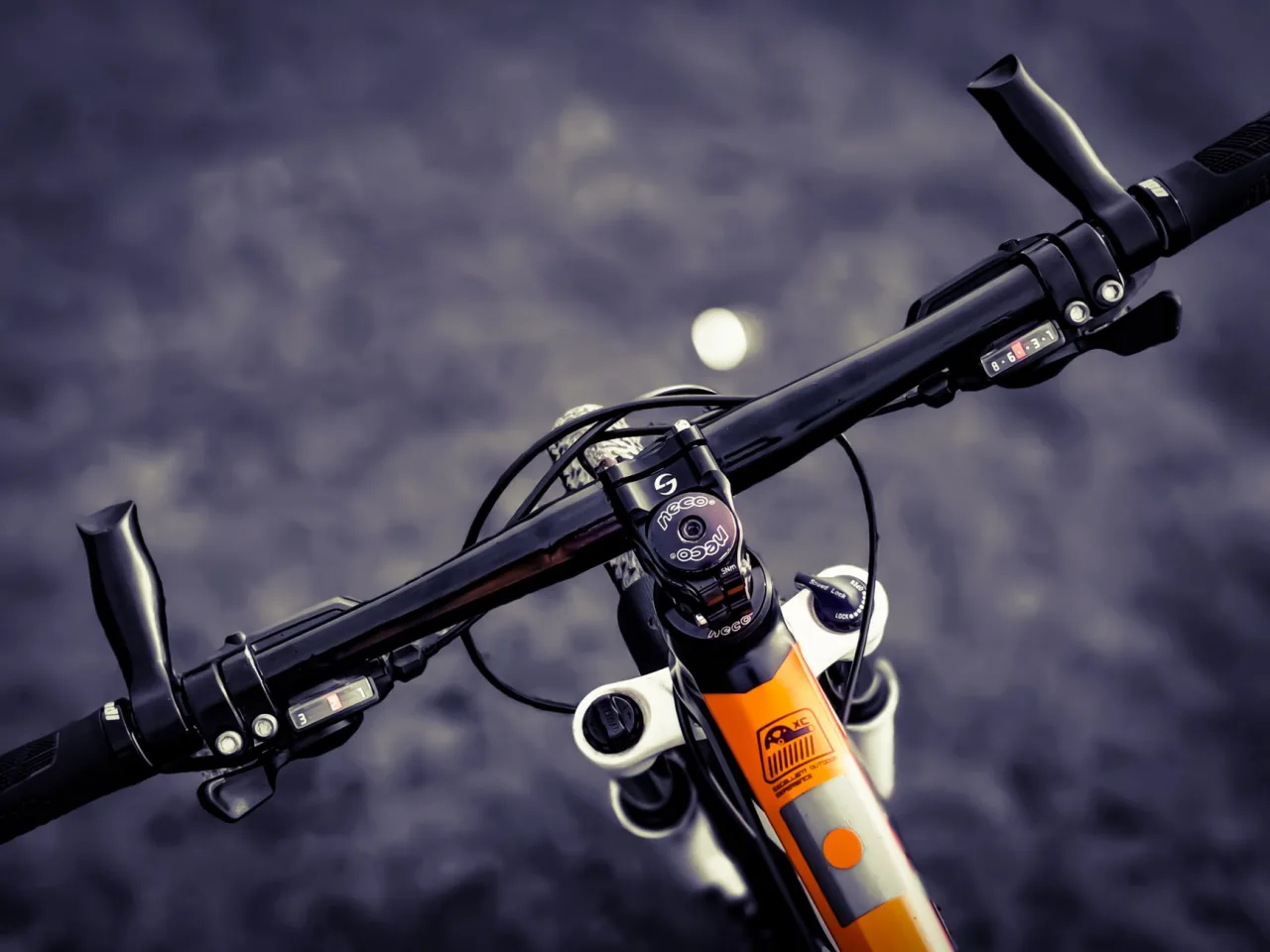
Every bike is a collection of components working together, and understanding them turns you from a passive owner into a confident rider who can shop smart, talk to a mechanic, and fix small problems at home. This complete guide walks through the frame, drivetrain, brakes, wheels, and contact points, explains how groupsets are tiered, and shows which parts are worth upgrading and which are best left alone.
The short version
- A bike breaks down into five component groups: frame, drivetrain, brakes, wheels and tires, and contact points.
- The drivetrain (chainset, cassette, chain, and derailleurs) is usually sold as a tiered groupset from makers like Shimano, SRAM, and Campagnolo.
- Component quality affects weight, durability, and shifting feel, but fit and setup matter more than a fancy groupset.
- Tires, chain, brake pads, and cables are wear items you will replace over time; the frame and hubs are meant to last for years.
What counts as a bike component?
A bike component is any distinct part that bolts onto the frame to make the bicycle work. Grouped by function, the main systems are the frame and fork, the drivetrain that turns your pedaling into motion, the brakes that stop you, the wheels and tires that carry you, and the contact points where your body meets the machine. Knowing these categories is the foundation for everything else, from buying a bike to planning an upgrade. If you are new to the whole picture, our complete guide to bikes sets the wider context before you dive into parts.
Manufacturers rarely make every part in-house. A finished bike typically pairs a brand's own frame with a drivetrain from a specialist component maker, wheels from a wheel builder, and tires from a tire company. That mix is why two bikes at the same price can feel very different, and why learning components pays off.
The frame and fork
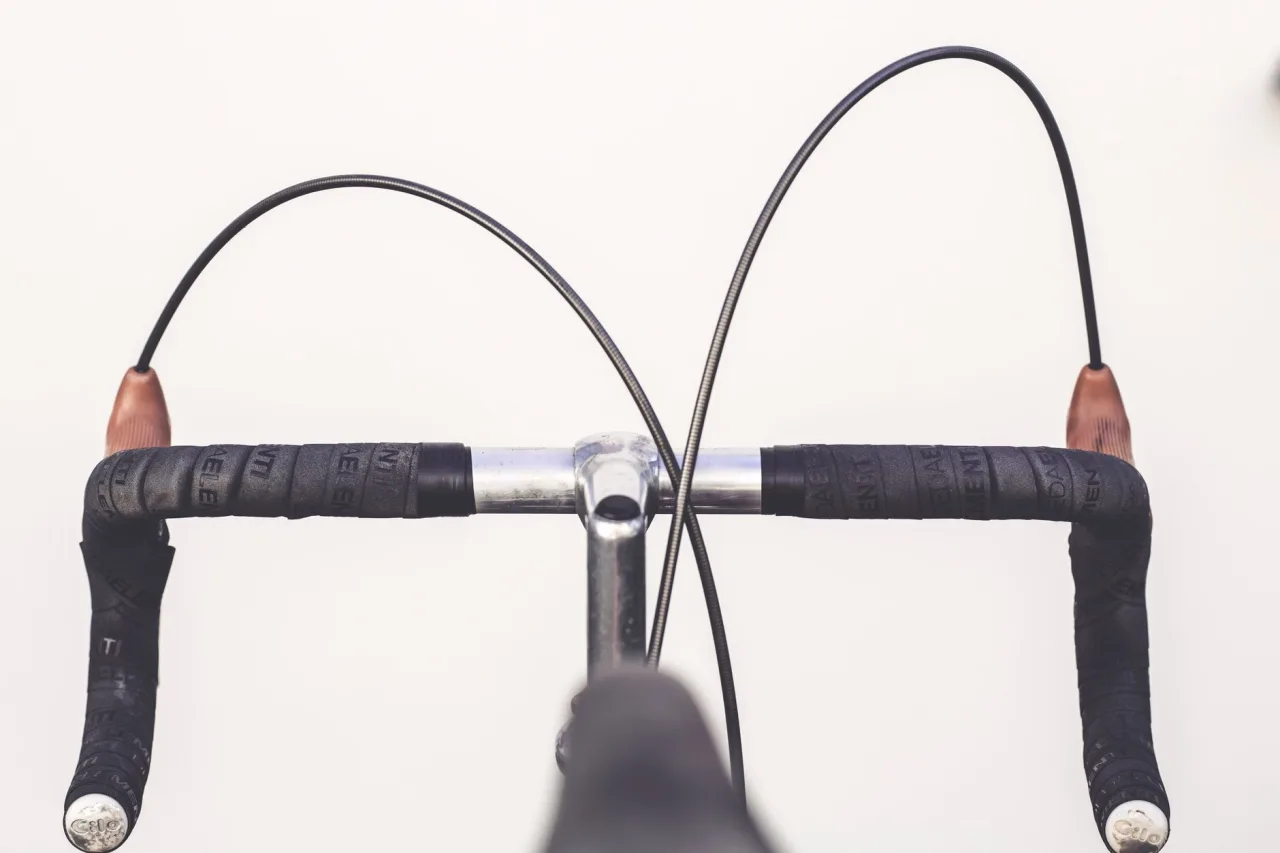
The frame is the backbone that determines fit, ride feel, and what the bike is built to do. Most modern bikes use a diamond frame, and the material shapes the character:
- Aluminum: light, affordable, and stiff, the most common choice for value and mid-range bikes.
- Steel: durable, comfortable, and easy to repair, favored by touring and classic builds.
- Carbon fiber: very light and tunable for stiffness or comfort, common on higher-end road and mountain bikes.
- Titanium: light, tough, and corrosion resistant, a premium niche material.
The fork holds the front wheel and steers the bike. On mountain bikes it often includes a suspension unit that absorbs impacts, while road and city bikes usually run a rigid fork. The frame and fork are the parts you keep; almost everything else can be swapped over their lifetime.
The drivetrain: where components get serious
The drivetrain converts your effort into forward motion and is where component choice matters most. According to the reference on bicycle drivetrain systems, most bikes use a chain drive with derailleurs, a design refined since the modern cable-operated parallelogram derailleur appeared in the 1950s. The core parts are:
- Chainset (crankset): the pedals, crank arms, and front chainrings.
- Cassette: the cluster of sprockets on the rear wheel that gives you your range of gears.
- Chain: transfers power from the chainrings to the cassette; a wear item you replace regularly.
- Derailleurs: the front and rear mechanisms that move the chain between gears.
- Shifters: the levers that control the derailleurs.
Because your legs produce power best within a narrow pedaling speed range, gears exist to keep you in that sweet spot across flats, climbs, and descents. The chain is the part that wears fastest, so learning to care for it protects the whole system; our bike chain guide covers cleaning, lubing, and when to replace it.
Groupsets and component tiers
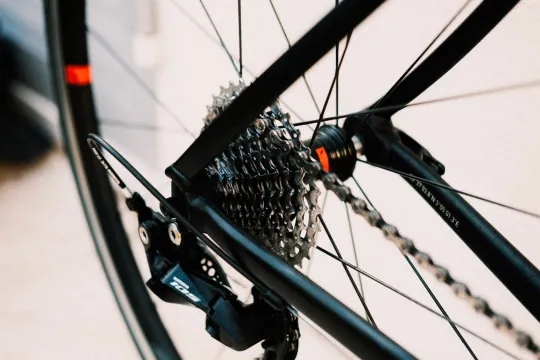
Drivetrain and brake parts are usually sold together as a groupset, and each major maker sells several tiers from entry level to professional. The three dominant names are Shimano, SRAM, and Campagnolo. As you climb a maker's range, you generally get lighter materials, crisper shifting, and more gears, but the jumps in performance get smaller and the prices get larger.
For most riders, a mid-tier groupset hits the sweet spot: reliable shifting, sensible weight, and parts that are easy and affordable to service. The very top tiers deliver marginal gains that matter to racers chasing seconds, not to commuters and weekend riders. When comparing bikes, checking the groupset tier is one of the quickest ways to understand where the money went.
Tip: match the whole group
Mixing shifters, derailleurs, and cassettes from different tiers or brands can work, but compatibility of cable pull, speeds, and freehub standards is fussy. When upgrading, replace parts within the same groupset family, or ask a shop to confirm the combination before you buy.
Brakes, wheels, and tires
Brakes come in two broad families. Rim brakes squeeze pads against the wheel rim and are light, simple, and cheap to service. Disc brakes clamp a rotor at the hub and offer stronger, more consistent stopping, especially in the wet, which is why they now dominate mountain and modern road bikes. Disc brakes are either mechanical (cable pulled) or hydraulic (fluid operated), with hydraulic giving more power for less hand effort.
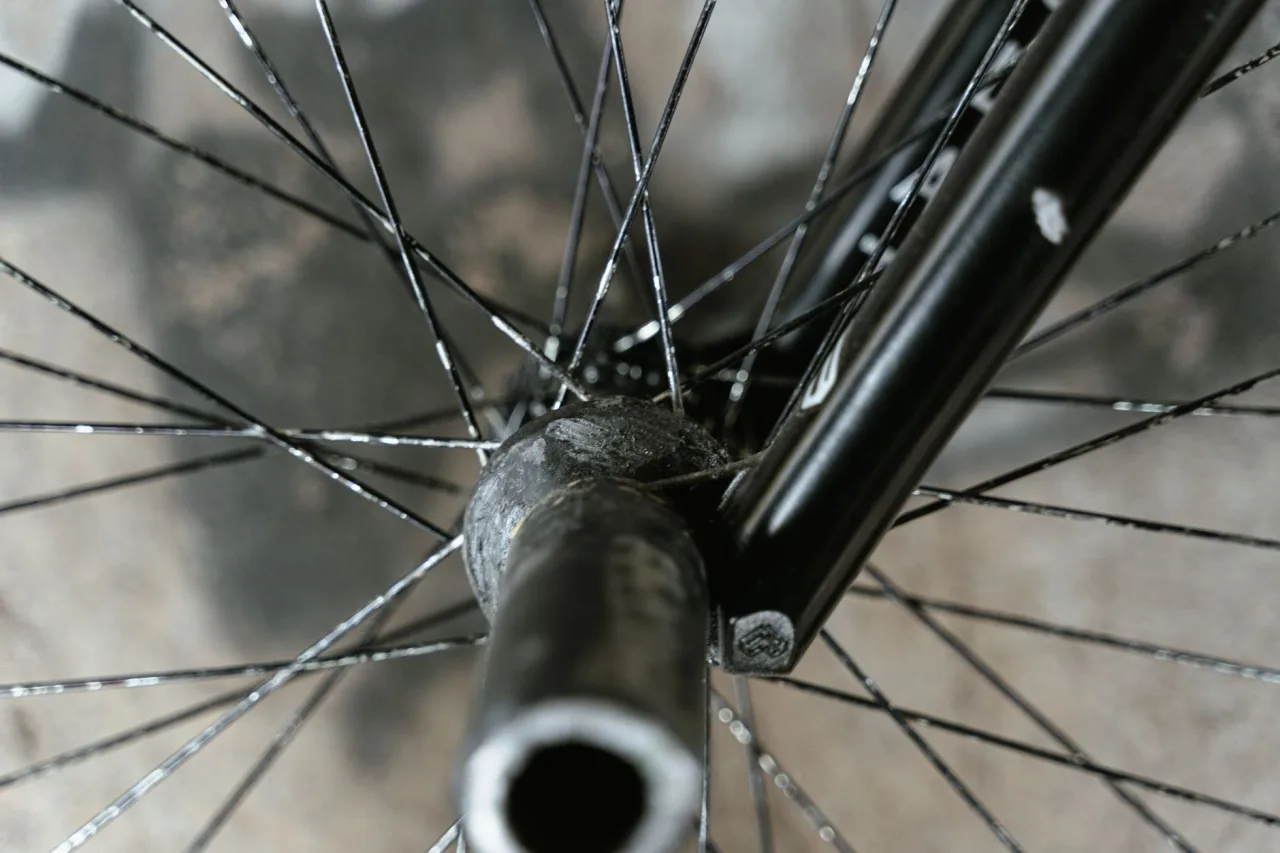
Wheels are built from a hub, spokes, and a rim, and their weight and stiffness noticeably change how a bike accelerates and handles. Tires are the single cheapest component that transforms the ride: width, tread, and pressure decide grip, comfort, and rolling speed. Fitting the right tire for your surface, smooth and narrow for pavement, wide and knobby for trails, is one of the most cost-effective changes you can make.
Contact points: saddle, bars, and pedals
The three places your body touches the bike, the saddle, handlebars, and pedals, control comfort more than any expensive part. A saddle that suits your anatomy prevents the aches that end rides early, and saddle shape is personal rather than a matter of price. Handlebars set your riding position: drop bars for aerodynamics and multiple hand positions, flat bars for control and an upright posture. Pedals range from simple flats to clipless systems that lock a cleated shoe in place for efficiency. These parts are cheap relative to a drivetrain yet deliver an outsized comfort payoff, so they are smart early upgrades.
Which components are worth upgrading?
Not all upgrades are equal. The best value changes tend to be the contact points and the tires, because they directly affect comfort, grip, and confidence for modest money. Wheels are the classic performance upgrade, since lighter, stiffer wheels improve acceleration and handling more than a drivetrain tier bump. A full groupset upgrade is expensive and usually the least cost-effective way to make a bike feel better, unless the current shifting is genuinely worn out. Before spending on parts, get the fit and setup dialed in, and consider the accessories that improve every ride, covered in our cycling gear guide. For advice tailored to your exact bike, a good mechanic is invaluable; our guide to finding a trusted local bike shop explains how to get honest recommendations.
Frequently asked questions
What are the main components of a bicycle?
A bicycle breaks down into five groups: the frame and fork, the drivetrain (chainset, cassette, chain, derailleurs, and shifters), the brakes, the wheels and tires, and the contact points (saddle, handlebars, and pedals). The frame and hubs are built to last, while the chain, tires, brake pads, and cables are wear items you replace over time.
What is a groupset?
A groupset is the collection of drivetrain and brake components sold together, including the shifters, derailleurs, chainset, cassette, chain, and often the brakes. Makers like Shimano, SRAM, and Campagnolo sell groupsets in tiers, with higher tiers offering lighter weight and crisper shifting at a higher price.
Which bike component is worth upgrading first?
The contact points and tires usually give the best value, since they directly affect comfort and grip for modest money. Wheels are the classic performance upgrade because lighter, stiffer wheels improve acceleration and handling. A full groupset swap is the most expensive and least cost-effective change unless the current parts are worn out.
How do I know if two components are compatible?
Compatibility depends on details like the number of speeds, cable pull ratio, and freehub standard. Parts within the same groupset family are designed to work together, but mixing tiers or brands can cause shifting problems. When in doubt, confirm the combination with a bike shop before buying.
How long do bike components last?
It varies by part. Chains and brake pads wear fastest and may need replacing within a season of regular riding, tires and cables last longer, and the frame, fork, and hubs are meant to last for many years with basic care. Keeping the chain clean and lubed extends the life of the whole drivetrain.
More guides on Cycling (General)
Have a question or a topic to suggest?
We read every message. Tell us what you would like to see next on the blog.
Get in touchYou may also like
Bike Chain
The bike chain is the humble part that turns your pedalling into forward motion, and it is also the part that wears fastest and gets neglected most.

Cycling Gear: The Complete Guide
The right cycling gear keeps you safe, comfortable, and your bike secure. Here are the essentials, from helmet to lock, and what actually matters.

Mountain Bike: The Complete Guide
Everything you need to choose a mountain bike: the main types, wheel sizes, key components, how to pick your first bike and the gear and care that keep it running.