Rider Profile · Cycling (General)
Armstrong Cyclist: The Complete Guide
The verified rise and fall of Lance Armstrong, and what his case still means for clean cycling.
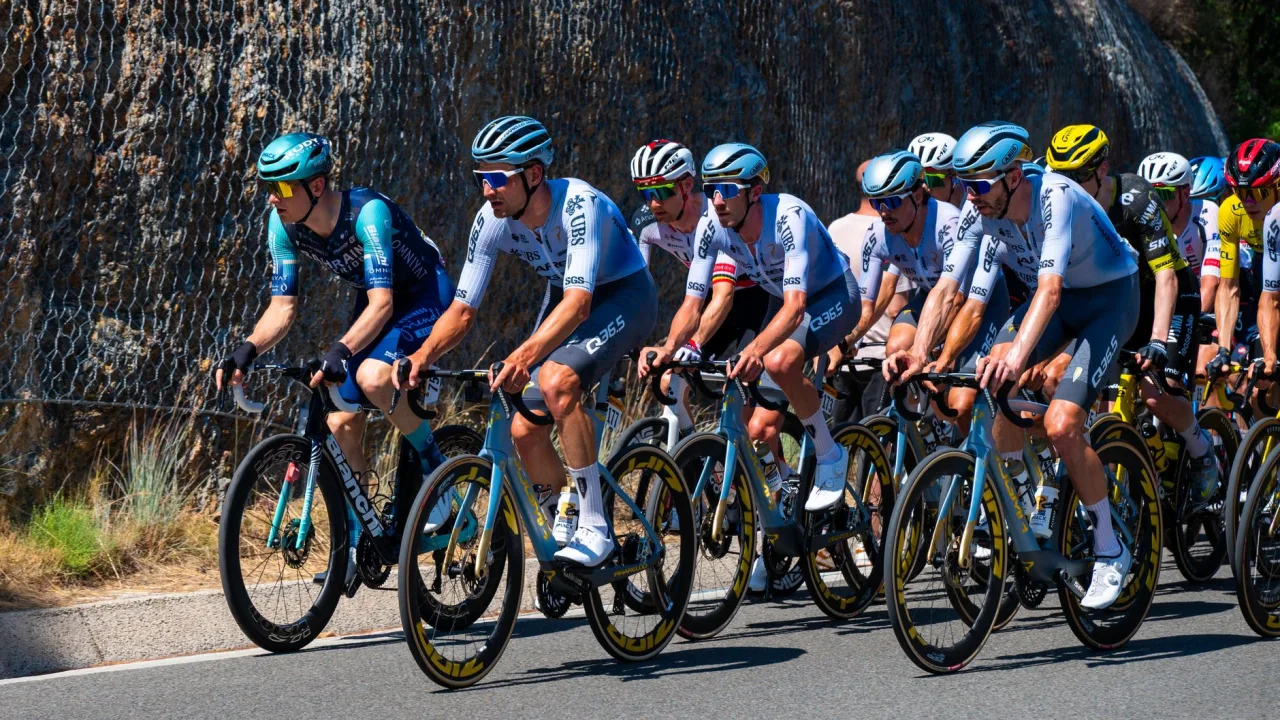
When people search for the "Armstrong cyclist," they almost always mean Lance Armstrong, the American rider who won cycling's greatest race seven times, then was stripped of every title for doping. His story is one of the most dramatic in sport: a cancer survivor turned champion turned cautionary tale. This guide lays out the verified facts, the scandal, and what his career means for cycling today.
The short version
- Lance Armstrong is an American cyclist who won seven consecutive Tour de France titles from 1999 to 2005.
- In 2012 the United States Anti-Doping Agency stripped all seven titles after concluding he led a systematic doping program.
- Before his cycling fame he survived advanced testicular cancer diagnosed in 1996, and later founded the Livestrong cancer charity.
- His case reshaped anti-doping enforcement and remains the reference point for discussions of cheating in endurance sport.
Who the Armstrong cyclist is
Lance Armstrong is an American former professional road racing cyclist. According to the Wikipedia biography of Lance Armstrong, he won seven consecutive Tour de France titles from 1999 through 2005, a run that made him one of the most famous athletes in the world during that era. The Tour de France is cycling's most prestigious event, a three-week, roughly 3,500 kilometre stage race held mainly in France, as described in the Wikipedia overview of the race. Winning it once is a career milestone; winning it seven times in a row put Armstrong in a category of his own, until that record was erased.
If the race itself is new to you, our complete cycling guide explains the sport and its disciplines, and our road bike guide covers the kind of machine used in professional road racing.
The cancer comeback
Part of what made Armstrong a global figure was his medical history. In October 1996, at age 25, he was diagnosed with advanced testicular cancer that had already spread to his lymph nodes, lungs, brain, and abdomen. He underwent chemotherapy and brain surgery, completed treatment in December 1996, and was declared cancer-free in February 1997. His return to elite cycling and subsequent Tour victories were framed as a triumph over the disease, and he founded what became the Livestrong Foundation to support cancer survivors. For many years this narrative made him an inspirational figure well beyond the sport.
The doping scandal and the fall
The inspirational story did not survive scrutiny. After years of allegations and investigations, the United States Anti-Doping Agency, or USADA, concluded in 2012 that Armstrong had been at the center of a sophisticated, organized doping program. USADA described it as the most professionalized and successful doping program the sport had seen, and Armstrong was stripped of all seven Tour de France titles and banned from sanctioned competition for life. In a 2013 television interview he publicly admitted to doping throughout his winning years, ending more than a decade of denials.
The consequences were severe. He lost sponsorships, faced lawsuits, and stepped away from the Livestrong charity he had founded. The Tour de France records for 1999 to 2005 were left officially without a winner, a rare and pointed statement about how thoroughly the results were tainted.
Why the story still matters
Armstrong's case is not just history. It transformed how cycling and other endurance sports approach testing, biological passports, and long-term sample storage. Understanding it helps any rider see why anti-doping rules exist and why clean sport is worth protecting.
The career at a glance
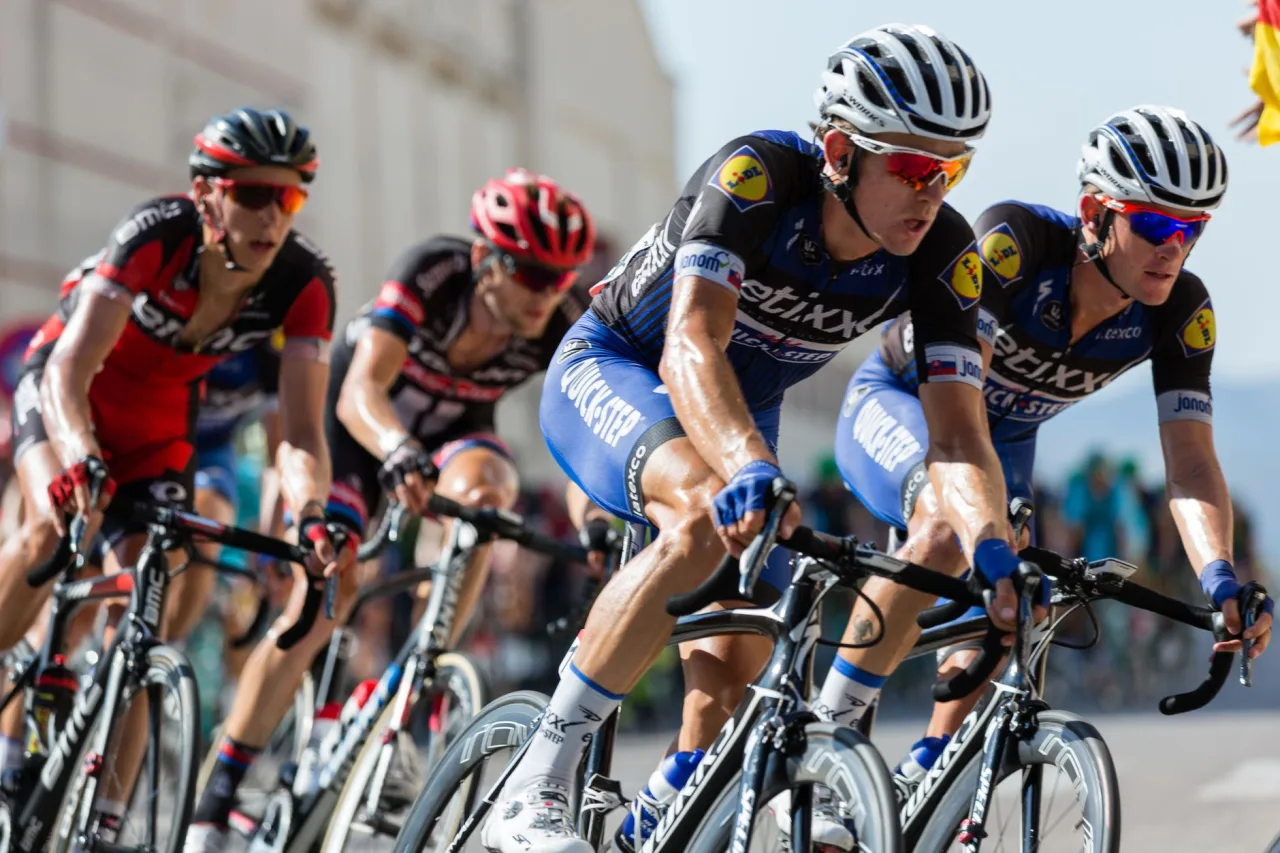
Laying the verified milestones out in order makes the arc of the story clearer than any single moment can.
- 1996: diagnosed at age 25 with advanced testicular cancer that had spread widely; underwent chemotherapy and brain surgery and completed treatment that December.
- 1997: declared cancer-free in February, and later founded the cancer charity that became Livestrong.
- 1999 to 2005: won seven consecutive Tour de France titles, becoming one of the most famous athletes in the world.
- 2012: the United States Anti-Doping Agency concluded he had led a systematic doping program; he was stripped of all seven titles and banned from sanctioned competition for life.
- 2013: publicly admitted to doping throughout his winning years in a televised interview, ending years of denial.
Seen in sequence, the timeline explains why the story landed so hard. The same qualities that made the comeback inspiring, determination and total commitment, were later revealed to have been channeled into an elaborate deception. Both parts are true, and an honest account keeps them side by side rather than choosing only one.
Armstrong's real legacy for the sport
Armstrong's legacy is genuinely double-edged, and honesty requires holding both sides. On one hand, his fame helped grow cycling's audience in the United States and drew many people to the sport and to charitable giving for cancer research. On the other, his deception damaged trust in professional cycling for a generation and hurt clean athletes who competed against a stacked field. The lasting lesson is not a simple one about a villain, but about how a system of pressure, secrecy, and weak testing allowed cheating to flourish, and how the sport responded by strengthening its defenses.
How the case changed anti-doping
The most constructive part of the Armstrong story is what the sport did afterward. His era exposed how a determined, well-resourced program could stay ahead of the testing of the day, and the response was to make cheating far harder to hide. Cycling and the wider anti-doping system leaned into longer-term monitoring rather than relying only on catching a banned substance in a single sample. Tools such as the athlete biological passport, which tracks a rider's blood values over time to flag suspicious changes, became central, and stored samples can now be re-tested years later as science improves.
These changes do not guarantee a perfectly clean sport, and no honest guide would claim they do. What they did was raise the cost and risk of systematic doping and shift some of the advantage back toward clean athletes. For fans, the practical takeaway is healthy skepticism paired with genuine appreciation: extraordinary performances deserve both admiration and scrutiny, and the systems built in the wake of the Armstrong case exist precisely to protect the riders who play fair.
A note on the name "Armstrong"
Because search terms can be ambiguous, it is worth noting that "Armstrong" also appears as a bicycle brand name in cycling history, unrelated to Lance Armstrong the rider. If you were looking for a manufacturer rather than the racer, the details differ entirely. In the overwhelming majority of searches, though, "Armstrong cyclist" refers to Lance Armstrong and the story above. Whatever brought you here, the broader world of the sport is worth exploring through our road bicycle guide.
What riders can take from his story
You do not need to race the Tour to learn something useful here. Armstrong's rise showed the extraordinary demands of elite endurance cycling, the training, suffering, and dedication the sport requires even without cheating. His fall showed why integrity matters and why shortcuts eventually collapse. For everyday riders, the practical takeaways are simpler and healthier: ride within your own limits, invest in the right cycling gear, always wear a properly fitted helmet, and enjoy the sport for the fitness and freedom it offers rather than any result at any cost.
Frequently asked questions
Who is the Armstrong cyclist?
The Armstrong cyclist is Lance Armstrong, an American former professional road racer. He won seven consecutive Tour de France titles from 1999 to 2005 before being stripped of all of them in 2012 for doping. He is one of the most famous and most controversial figures in cycling history.
Why was Lance Armstrong stripped of his titles?
In 2012 the United States Anti-Doping Agency concluded that Armstrong had led a systematic, sophisticated doping program across his winning years. As a result he was stripped of all seven Tour de France titles and banned from sanctioned competition for life. He publicly admitted to doping in a 2013 interview.
Did Lance Armstrong really have cancer?
Yes. In October 1996, at age 25, he was diagnosed with advanced testicular cancer that had spread to his lymph nodes, lungs, brain, and abdomen. He underwent chemotherapy and brain surgery, completed treatment that December, and was declared cancer-free in February 1997. He later founded the Livestrong cancer charity.
Who holds the Tour de France titles from 1999 to 2005 now?
No one. After Armstrong was stripped of the titles, the Tour de France chose to leave those years officially without a winner rather than promote the riders who finished behind him, many of whom were also linked to doping. The blank record is a deliberate statement about how tainted those results were.
What is Lance Armstrong's legacy in cycling?
It is genuinely mixed. He helped grow cycling's popularity and raised money for cancer causes, but his deception badly damaged trust in the sport and hurt clean competitors. His case pushed cycling and other sports to strengthen anti-doping testing, which is a lasting, if hard-won, part of his legacy.
More guides on Cycling (General)
Have a question or a topic to suggest?
We read every message. Tell us what you would like to see next on the blog.
Get in touchYou may also like
Cycling: The Complete Guide
Cycling works as transport, exercise, and stress relief at once. Here is how to choose a bike, the gear that matters, where to ride, and the habits that make riding stick.
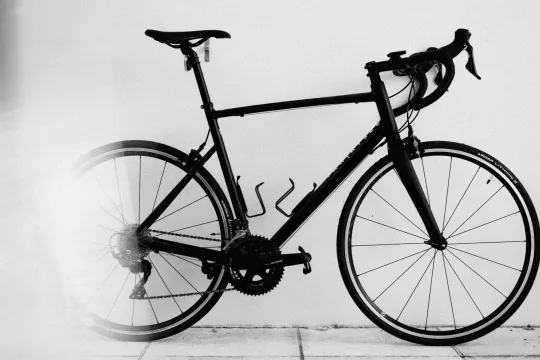
Road Bike: The Complete Guide
Choose the right road bike with confidence: the main types, frame materials, components that matter, why fit beats everything, and how much to sensibly spend.
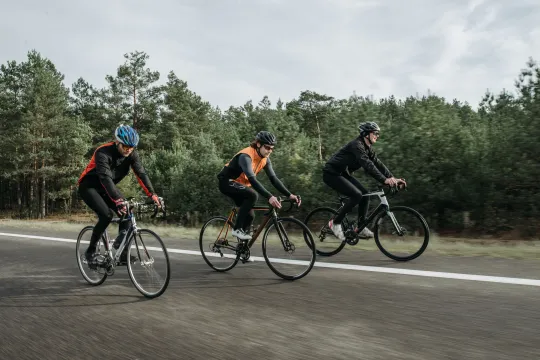
Road Bicycle: The Complete Guide
A road bicycle is built for speed on pavement. Here is how they are put together, how the sub-types differ, and how to pick one that fits your body and riding.