Electric Trikes · Electric Bikes
3 Wheel Electric Bike: Complete Guide
Who electric trikes suit, delta versus tadpole layouts, the cornering habit to learn, and how to choose and price one honestly.
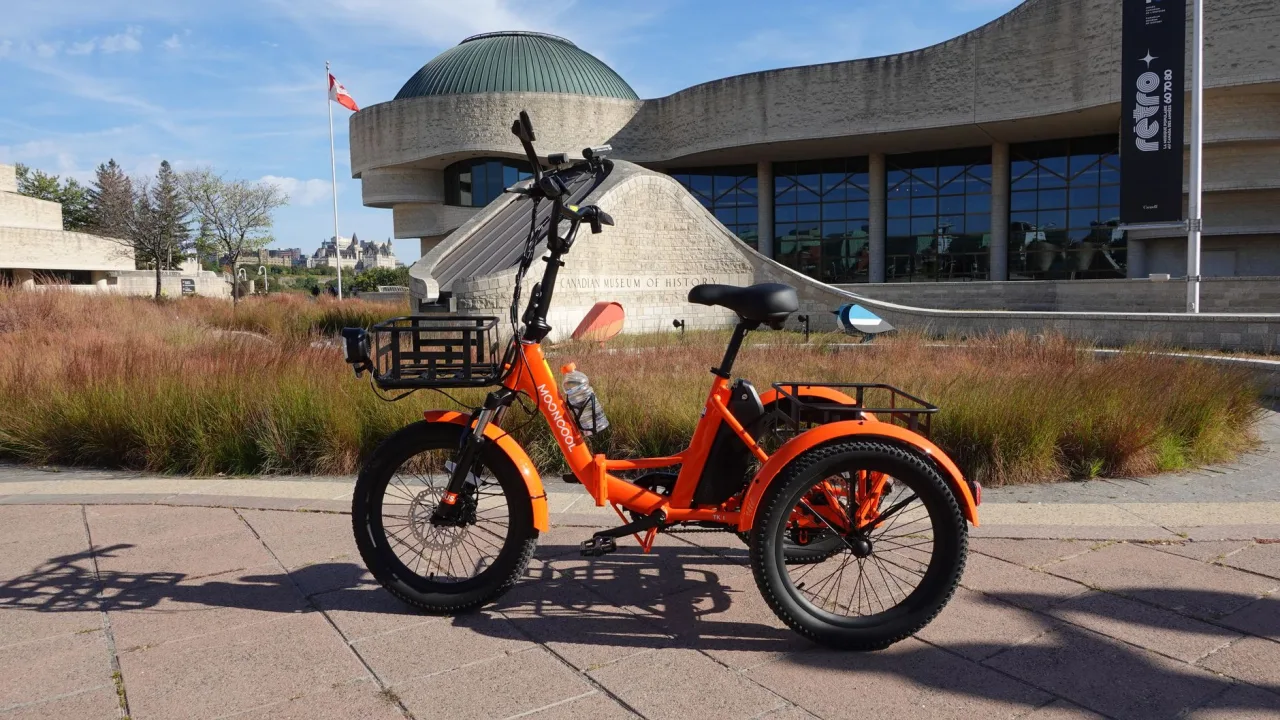
A three wheel electric bike, often called an electric trike, adds a motor to the stable, upright confidence of a tricycle. For riders who want to stay cycling without worrying about balance, or who need to carry real loads, it can be a genuinely life changing machine. This guide explains who a 3 wheel e-bike suits, the two main layouts, the one handling quirk to respect, and how to choose and price one honestly.
The short version
- A 3 wheel electric bike pairs a tricycle's low speed stability with pedal assist, making it ideal for balance confidence, mobility, and carrying loads.
- Most come as delta trikes with one front and two rear wheels, or tadpole trikes with two front and one rear, and each handles a little differently.
- The one habit to learn is cornering, because upright, non tilting trikes can feel tippy if you take turns too fast, so you slow down before you turn.
- Expect dependable electric trikes from roughly 1,300 to 3,000 US dollars depending on cargo capacity and components, with prices varying by region so confirm locally.
Who a three wheel electric bike is for
The tricycle has long been favoured by children, older adults, and people with disabilities for its apparent stability compared with a two wheeled bike. A 3 wheel electric bike takes that stability and removes the effort barrier, so the people who benefit most are easy to name.
- Riders wary of balance: anyone who has stopped cycling because staying upright feels risky can ride again with three wheels planted on the ground.
- Older or returning riders: the trike stays stable at low speed and at a standstill, which is exactly where a two wheeler feels most precarious.
- Cargo and errand riders: a rear basket or box turns a trike into a genuine car replacement for shopping and local trips.
- Those with joint or mobility limits: pedal assist reduces strain while the stable base lowers the fear of falling.
If you value confidence and carrying capacity over outright speed and agility, a three wheel e-bike is worth serious consideration. If you crave a nimble, sporty ride, a conventional two wheeled model will suit you better, and our electric bike for adults guide covers those upright but two wheeled options.
Delta and tadpole layouts explained
Three wheelers come in two broad shapes, and knowing them helps you compare models sensibly.
- Delta: one wheel at the front and two at the rear. This is the classic upright trike shape, easy to mount, and the most common for shopping and mobility use, often with a big rear basket.
- Tadpole: two wheels at the front and one at the rear. This layout, frequently paired with a recumbent seat, sits lower, corners more surely, and feels sportier, though it can be harder to see in traffic.
For most people wanting stability and easy loading, a delta trike is the natural pick. If you are drawn to a laid back, lower riding position, the tadpole overlaps with recumbent design, and our recumbent bike guide explains that seating style and its comfort benefits in detail.
The one handling quirk to respect
Three wheels feel reassuringly solid when you are upright and moving slowly, which is their great strength. But there is one honest caveat every new trike rider must learn: an upright, non tilting trike is more prone to tipping in corners and on sloping or uneven ground than a two wheeled bike, because it cannot lean into the turn.
The fix is simple and quickly becomes second nature. You slow down before a corner rather than during it, and you keep your body relaxed and centred. Taken at a sensible speed, a trike is stable and safe. Taken into a fast bend as if it were a two wheeler, it can lift a wheel. Tadpole and tilting designs, which sit lower or lean into turns, handle this better, but on any upright trike the rule is the same: respect corners and the trike rewards you with confidence everywhere else.
Watch out: The pedal assist that makes an electric trike so easy can also carry you into a corner faster than you intend. On your first rides, ease off the assist and your pace well before any turn until the cornering habit is automatic. This single adjustment prevents almost every trike stability scare.
How the electric assist works
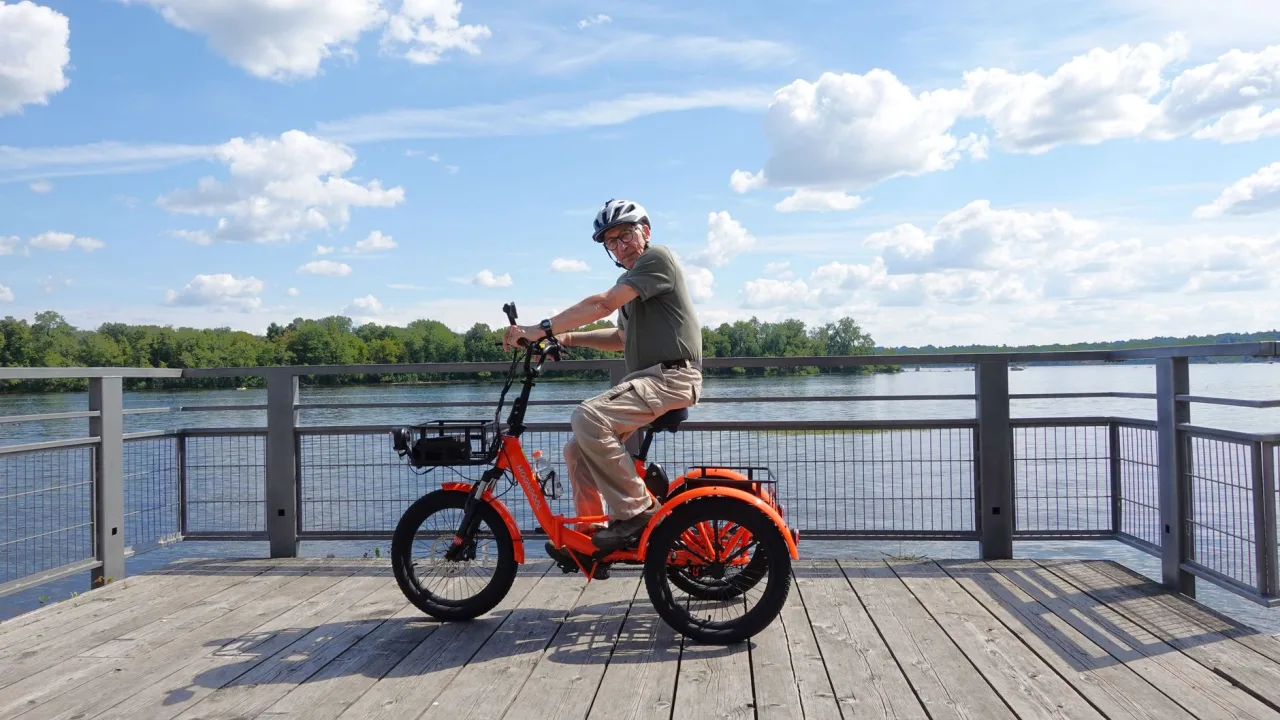
The electric side of a three wheel e-bike is the same in principle as any other electric bike. A motor adds power as you pedal, either through a hub motor in a wheel or a mid drive motor at the cranks, and most trikes use pedal assist that helps only while you are pedalling. The assist cuts out at a set speed, commonly around 25 kilometres per hour in Europe or up to roughly 28 miles per hour for the fastest class in the United States.
On a trike, the assist matters most for starting off and climbing, because the extra wheel and any cargo add weight and rolling resistance. A mid drive motor that uses the gears can make hills and heavy loads far more manageable. Battery capacity, measured in watt hours, sets your range, and a trike carrying loads will draw more than a light two wheeler over the same distance. For the full mechanics of motors, batteries, and classes, our electric bike complete guide is the best companion read.
Choosing the right electric trike
Once you know a three wheeler suits you, a short set of decisions points you to the right model.
- Purpose: decide whether comfort and confidence, cargo capacity, or a sportier low ride matters most, since that steers you toward delta or tadpole.
- Motor: favour a mid drive if you will climb hills or carry loads, since it uses the gears for stronger, smoother pull.
- Cargo: check the basket or box size and the stated load limit against what you actually need to carry.
- Fit and storage: trikes are wider and longer than bikes, so confirm it fits through your gate, door, and storage space before buying.
That last point catches many buyers out. A trike's width and length are part of the package, so measure your storage and access routes first. The tricycle guide covers the non electric fundamentals of three wheel design if you want the underlying picture before adding a motor.
Tip: Test ride any trike loaded roughly the way you will use it, with weight in the basket if you plan to carry shopping. An empty trike and a laden one steer and stop differently, and the only way to know a model handles your real world load comfortably is to feel it before you buy.
What an electric trike costs
Three wheel e-bikes generally cost more than comparable two wheelers, because they use extra material, a stronger frame, and often cargo hardware. As a realistic guide, dependable electric trikes commonly run from about 1,300 to 3,000 US dollars, with heavy duty cargo models climbing higher, and the standing reminder that prices vary by region, specification, and retailer, so confirm locally.
Value sits in the motor, the battery, and the build quality of the frame and load area, not in flashy extras. A trike that will carry loads deserves a capable motor and a solid frame more than a light recreational model does. Because a good electric trike is a significant purchase and needs occasional servicing, buying from and being supported by a trusted shop matters. Our directory of trusted local bike shops explains how to find one that can fit, adjust, and service a three wheeler, which not every shop is set up to do.
Frequently asked questions
Who should buy a three wheel electric bike?
A three wheel electric bike suits riders wary of balance, older or returning cyclists who want stability at low speed and standstill, people who need to carry cargo for errands, and those with joint or mobility limits who benefit from pedal assist and a stable base. If you value confidence and carrying capacity over speed and agility, a trike is worth serious consideration. If you want a nimble, sporty ride, a two wheeled e-bike suits better.
Are electric trikes stable in corners?
Upright, non tilting trikes are very stable when you are upright and moving slowly, which is their great strength, but they are more prone to tipping in corners and on sloping ground than a two wheeled bike because they cannot lean into a turn. The fix is simple: slow down before a corner rather than during it and keep your body centred. Taken at a sensible speed, a trike is stable and safe, and the cornering habit quickly becomes automatic.
What is the difference between delta and tadpole trikes?
A delta trike has one front wheel and two rear wheels, the classic upright shape that is easy to mount and common for shopping and mobility use, often with a large rear basket. A tadpole trike has two front wheels and one rear, frequently paired with a recumbent seat, sitting lower and cornering more surely with a sportier feel, though it can be harder to see in traffic. Most stability and cargo focused buyers choose a delta.
How much does a three wheel electric bike cost?
Three wheel e-bikes generally cost more than comparable two wheelers because of the extra material, stronger frame, and cargo hardware. Dependable electric trikes commonly run from about 1,300 to 3,000 US dollars, with heavy duty cargo models climbing higher. Prices vary by region, specification, and retailer, so confirm locally. Value sits in the motor, battery, and frame and load area build quality rather than in flashy extras.
Will a three wheel e-bike fit through my door and storage?
Trikes are wider and longer than bikes, so this is a genuine concern that catches many buyers out. Before buying, measure your gate, doorways, and storage space and check the trike's dimensions against them, since a three wheeler's width and length are part of the package. It is worth confirming access routes first so you are not left with a trike you cannot easily store or move in and out.
The Wikipedia article on tricycles covers the delta and tadpole layouts and the cornering behaviour of non tilting trikes, and the electric bicycle article explains the motor and battery systems that power an electric trike.
More guides on Electric Bikes
Have a question or a topic to suggest?
We read every message. Tell us what you would like to see next on the blog.
Get in touchYou may also like

Recumbent Bike: Complete Guide
How recumbent bikes work, the main two- and three-wheel types, their real speed and comfort advantages, the honest drawbacks, and who they suit best.

Tricycles: The Complete Guide
Everything about tricycles: the history, delta and tadpole wheel layouts, the types from children's to recumbent and cargo trikes, and how to choose the right one for stable, confident riding.

Electric Bike for Adults: Guide
A practical guide to choosing an electric bike for adults: legal classes, the main types, motors and range, fit and how much to budget.