Three Wheels · Cycling (General)
Tricycles: The Complete Guide
Three wheels for stability: layouts, types, and how to choose a trike for kids, adults, or cargo.

A tricycle trades the balancing act of two wheels for the stability of three, which makes it a favorite for young children, older adults, cargo hauling, and anyone who wants to ride without worrying about tipping. This complete guide covers the history of the trike, the main wheel layouts, the types available, how to choose one, and the safety points that keep three-wheeled riding fun and secure.
The short version
- A tricycle is a three-wheeled vehicle that can be human powered, motor assisted, or electric.
- The three wheels give standing stability, so a trike does not fall over when you stop or slow down.
- Wheel layouts are delta (one front, two rear) and tadpole (two front, one rear), each with different handling.
- Trikes serve children learning to ride, adults wanting stability, cargo delivery, and mobility for riders who struggle with a bicycle.
What is a tricycle?
A tricycle, often shortened to trike, is a three-wheeled vehicle that can be powered by human effort, a motor, or an electric assist. Its defining advantage is stability: because three wheels form a stable base, a trike stays upright at a standstill and does not require the balancing that a two-wheeled bicycle demands. That single quality is why trikes appeal to such a wide range of riders, from toddlers to seniors to delivery workers.
Trikes are not just scaled-up toys. They span a spectrum from children's first rides to serious cargo machines and recumbent trikes built for comfort and speed. Understanding that range is the key to choosing the right one, and it starts with how the wheels are arranged.
A short history of the trike
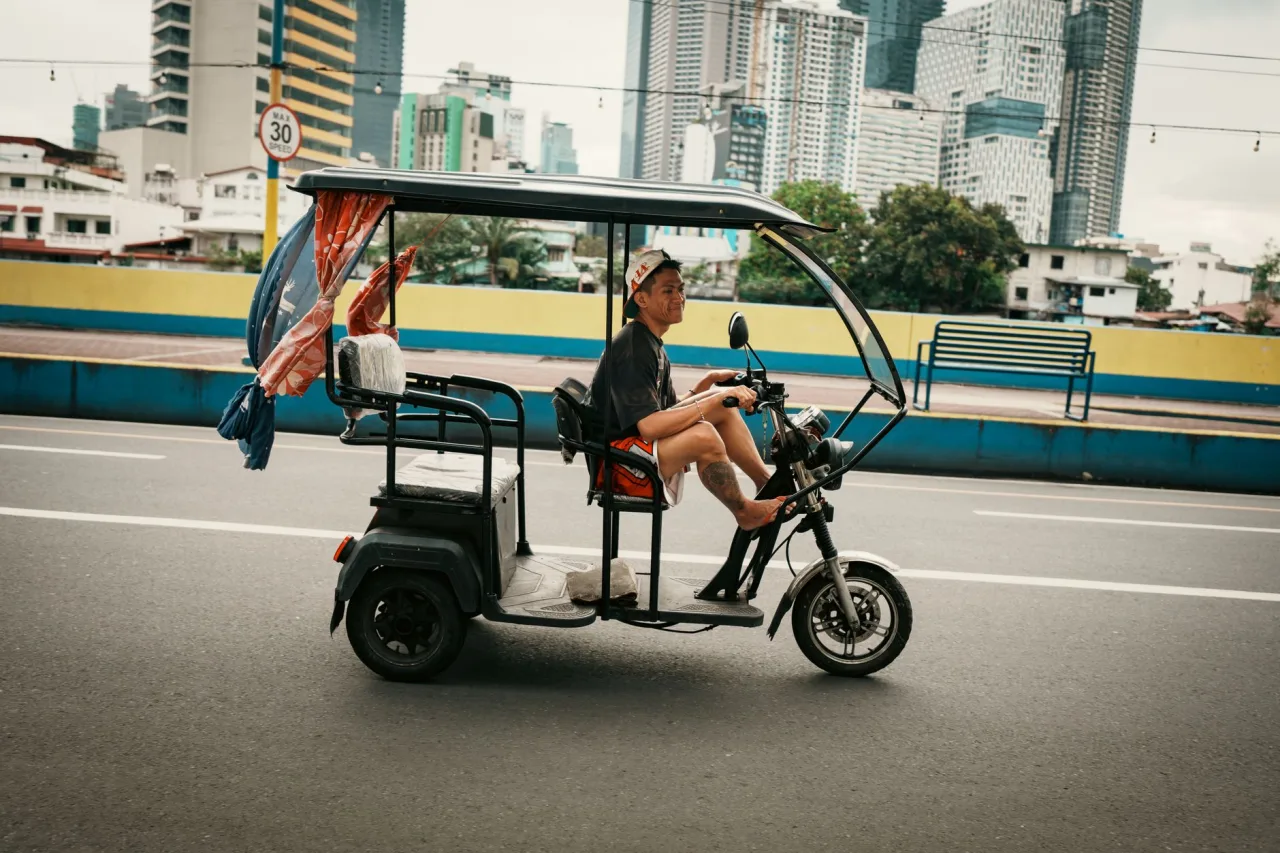
The three-wheeled vehicle has a long lineage. The first hand-controlled three-wheeled chair was built in the 17th century by Stephan Farffler, a disabled German watchmaker, so the trike's roots lie partly in mobility aids. A pedal-powered version appeared in France in 1789, and the design advanced through the 19th century, including James Starley's chain-drive tricycles in the 1870s and the first front-steering model in 1881. From the start, then, the tricycle served two purposes that still define it today: accessible mobility and practical transport.
Wheel layouts: delta and tadpole
How the three wheels are arranged changes how a trike rides. The two main layouts are:
- Delta: one wheel at the front and two at the rear. This is the classic upright trike layout, common on children's trikes and adult utility models. It is simple, stable at low speed, and easy to step onto.
- Tadpole: two wheels at the front and one at the rear. This layout, often paired with a recumbent seat, offers better cornering stability and braking, which is why performance and touring trikes favor it.
There are also in-line designs with two steered wheels, but delta and tadpole cover the vast majority of trikes. Choosing between them comes down to use: delta for upright everyday riding, tadpole for speed, comfort, and confident cornering.
The main types of tricycle

Within those layouts, trikes come in several distinct types:
- Children's tricycles: a young child's first pedal vehicle, teaching pedaling and steering before balance. A pedal-free balance bike is the modern alternative that teaches balance first.
- Adult upright trikes: delta trikes with a comfortable seat and often a rear basket, popular for shopping, exercise, and stable recreation.
- Recumbent trikes: low tadpole machines with a reclined seat for comfort and aerodynamics. Our recumbent bike guide covers the seating philosophy they share.
- Cargo and freight trikes: built to carry loads or passengers, widely used for deliveries and, as rickshaws, for transport across South and Southeast Asia.
- Electric trikes: any of the above with motor assist for easier hills and longer range. See our 3 wheel electric bike guide for the powered versions.
Tip: three wheels are not tip-proof
Stability at a standstill does not mean a trike cannot tip in a fast corner. Upright delta trikes in particular can lift a wheel if you turn sharply at speed, because their center of gravity is high. Slow down before corners, avoid sudden swerves, and let the low, wide stance of a tadpole design do the work if you want confident high-speed cornering.
Who is a tricycle for?
The trike's appeal is its inclusiveness. It suits young children building coordination, older adults who want to keep riding without balance worries, and people with disabilities or conditions that make a two-wheeled bicycle impractical, since three wheels remove the need to balance. It is also a workhorse: cargo and passenger trikes underpin deliveries and local transport in many parts of the world, and freight trikes are gaining ground in Western cities as a low-emission alternative to vans. If you want the health and freedom of cycling but a bicycle feels unstable or intimidating, a trike is often the answer. For the broader case for riding, our complete guide to cycling makes it.
How to choose a tricycle
Start with your purpose and your body, not the price tag. Ask a few questions:
- What will you use it for? Everyday errands point to an upright delta with a basket; comfort and distance point to a recumbent tadpole; hauling points to a cargo trike.
- Do you need power? Hilly terrain or longer trips make an electric assist worthwhile.
- Does it fit? Check that you can reach the pedals and controls comfortably and mount and dismount easily, which matters most for older riders.
- Where will you store it? Trikes are wider than bikes and do not lean against a wall, so measure your space.
As with any cycle, a test ride reveals more than a spec sheet, and a good shop can help you match the trike to your needs. Our guide to finding a trusted local bike shop explains how to get honest advice and proper setup.
Frequently asked questions
What is the difference between a bicycle and a tricycle?
A bicycle has two wheels and requires the rider to balance, while a tricycle has three wheels that form a stable base, so it stays upright at a standstill without balancing. That stability makes trikes popular with young children, older adults, and riders who find a bicycle difficult, and it also suits cargo hauling.
What are the delta and tadpole trike layouts?
Delta means one wheel at the front and two at the rear, the classic upright layout used on children's and adult utility trikes. Tadpole means two wheels at the front and one at the rear, often paired with a recumbent seat, and it offers better cornering stability and braking, which is why performance and touring trikes favor it.
Are tricycles safe for adults?
Tricycles are stable at low speed and at a standstill, which many adults find safer than balancing a bicycle. However, three wheels are not tip-proof: an upright delta trike can lift a wheel in a fast, sharp corner because its center of gravity is high. Slowing before corners and avoiding sudden swerves keeps riding safe.
Who should consider a tricycle?
Trikes suit young children learning to pedal, older adults who want to keep riding without balance worries, and people with disabilities or conditions that make a two-wheeled bike impractical. They also serve as cargo and passenger vehicles for deliveries and local transport, and electric versions help with hills and distance.
Can you get an electric tricycle?
Yes. Any type of trike, whether upright, recumbent, or cargo, can come with an electric assist that helps with hills and extends range. Electric trikes are a good choice for older riders or anyone carrying loads, and they work the same way as other electric bikes by adding motor power to your pedaling.
More guides on Cycling (General)
Have a question or a topic to suggest?
We read every message. Tell us what you would like to see next on the blog.
Get in touchYou may also like
Recumbent Bike: Complete Guide
How recumbent bikes work, the main two- and three-wheel types, their real speed and comfort advantages, the honest drawbacks, and who they suit best.
Balance Bike: The Complete Guide
A parent's guide to balance bikes: the right starting age, why they beat training wheels, what to look for and how to transition to pedals.
3 Wheel Electric Bike: Complete Guide
An electric trike pairs stability with pedal assist for confidence and cargo. Learn the two layouts, the one cornering quirk, and how to choose and price one.