Two-Wheeler Guide · Cycling (General)
TVS Sport: The Complete Guide
What the popular Indian commuter motorcycle is, its verified specs, and where it fits next to a bicycle.
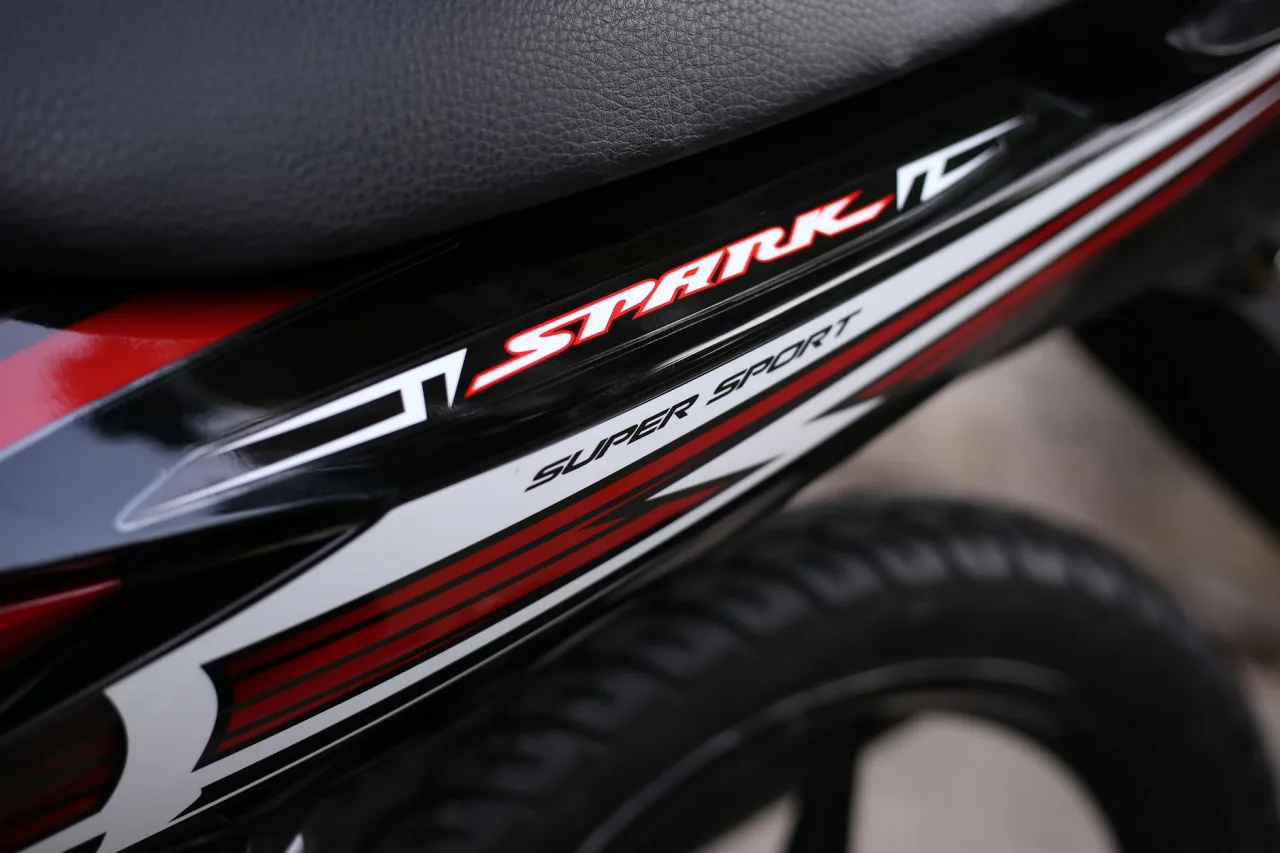
The TVS Sport is one of India's most popular commuter motorcycles, built around fuel efficiency and everyday reliability rather than outright speed. To be clear from the start: it is a petrol-powered motorcycle, not a pedal bicycle. This guide explains what the TVS Sport is, its key specifications, why so many riders search for it, and how it fits alongside the pedal-powered world this site usually covers.
The short version
- The TVS Sport is a 109.7 cc commuter motorcycle made by TVS Motor Company in India, aimed at low running costs.
- Its headline strength is fuel efficiency, with the company citing a record on-road figure above 100 km per litre in controlled conditions.
- It is a motorized two-wheeler, so it needs a license, registration, and insurance, unlike a bicycle or a low-power e-bike.
- Prices, variants, and emissions specs change over time and by market, so confirm the current model and price locally.
What the TVS Sport actually is
The TVS Sport is a commuter motorcycle in the 110 cc class, manufactured by TVS Motor Company, an Indian two-wheeler maker headquartered in Chennai. According to the Wikipedia entry for the TVS Sport, the bike uses a 109.7 cc engine and has been in production since 2007, with updates over the years including a BS-IV engine and a 10-litre fuel tank on the 2017 model. It is designed for daily commuting: getting to work, running errands, and covering city distances at a low cost per kilometre.
Because this is a petrol motorcycle, it sits outside the pedal-cycle and electric-bicycle categories that make up most of this site. If you arrived here looking for a bicycle rather than a motorbike, our sport bicycle guide and broader cycling guide cover human-powered options, and our electric cycle guide explains assisted bikes that need no license in many places.
Why people search for the TVS Sport

The Sport has a large following mainly because of its running costs. In a market where fuel price is a daily concern, a commuter that sips petrol is a practical choice for students, delivery riders, and working commuters. TVS markets the bike heavily on economy, and it has drawn recognition for owner satisfaction in the economy segment. For many buyers it represents dependable, no-frills transport rather than a lifestyle or performance purchase.
Key specifications to understand
Specifications vary by model year and market, so treat these as general reference points and confirm the current figures with a dealer.
- Engine: a 109.7 cc single-cylinder petrol engine, tuned for economy rather than high power.
- Fuel efficiency: TVS has cited a record on-road figure above 100 km per litre achieved in controlled testing. Real-world mileage is lower and depends on riding style, load, and conditions, so treat marketing figures as a best case.
- Fuel tank: around 10 litres on recent models, which gives a long range between fill-ups for a small commuter.
- Emissions and features: newer versions meet current Indian emissions standards and add features such as improved lighting and instrumentation. Exact equipment differs by variant.
Tip: read mileage claims carefully
A record fuel-efficiency figure is achieved in controlled conditions by a skilled rider, not in daily traffic. Expect your own mileage to be meaningfully lower. Judge any motorcycle on realistic everyday economy, service costs, and reliability, and ask current owners what they actually see.
Owning a motorcycle versus a bicycle
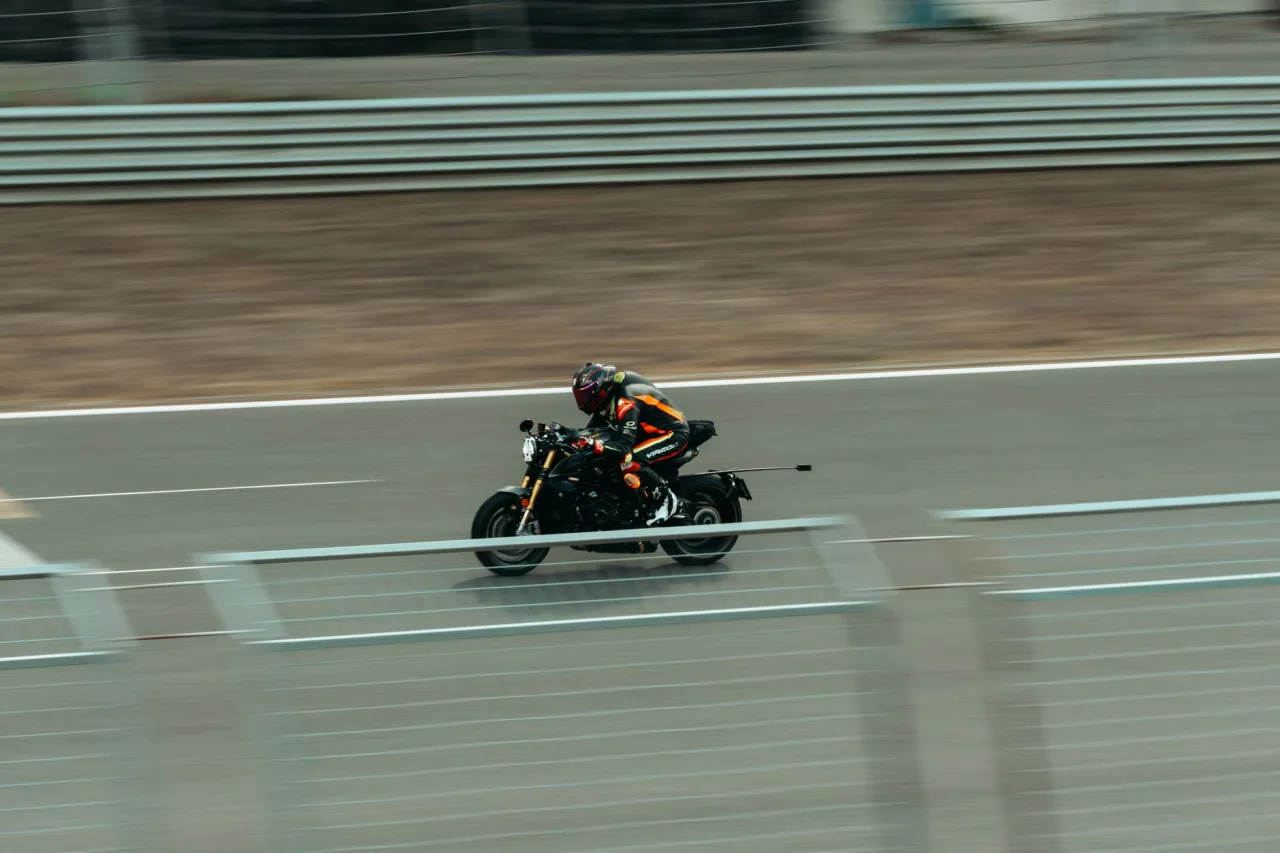
Because the TVS Sport is a motorized vehicle, ownership involves obligations a bicycle does not. In most places you need a valid motorcycle license, registration, and insurance, and you must follow the same road rules as other motor vehicles. Running costs include petrol, engine oil, periodic servicing, tyres, and eventual part replacement. None of that applies to a standard bicycle, and much of it does not apply to a low-power electric bicycle either, which is one reason many city commuters weigh an e-bike against a small motorcycle.
If low running costs and easy commuting are your real goal, it is worth comparing the two paths honestly. A pedal or electric bicycle offers exercise, no fuel bills, and simpler legal requirements, while a commuter motorcycle offers higher speed and longer range for a licensed rider. Our electric bike guide lays out where an assisted bicycle can replace short motorcycle trips.
Variants and how the Sport has changed
Like most long-running commuters, the TVS Sport has evolved through several updates rather than staying frozen since its 2007 launch. The core promise, an economical 109.7 cc engine in a light, easy-to-ride package, has stayed constant, but details have shifted with each revision. The 2015 and 2017 updates brought emissions and feature changes, including a BS-IV engine and a 10-litre fuel tank on the 2017 model, which was notable for the segment. Over time TVS has also offered the bike in different trims, typically varying by braking setup, starter type, and cosmetic touches such as graphics and instrumentation.
Because the exact lineup, colours, and equipment change by model year and market, the sensible approach is to check the current TVS range rather than rely on any single description. Two riders talking about "the TVS Sport" may be picturing bikes several years and several revisions apart, so pin down the specific year and trim before comparing prices or features.
What running costs to expect
The appeal of the Sport is low cost per kilometre, but "low" is not "zero," and it helps to picture the full ownership bill. Beyond the purchase price you should budget for petrol, engine oil changes, periodic servicing, chain and sprocket wear, tyres, brake pads, and the occasional battery or bulb. None of these is large on its own, and that is precisely the point of a commuter motorcycle: the individual costs stay modest and predictable. Servicing at regular intervals is the single best way to protect both reliability and resale value, so keep the record book stamped.
Compared with a car the running costs are far lower, which is why small commuters dominate in many cities. Compared with a bicycle, though, there are recurring fuel and maintenance costs a pedal bike simply does not have, which is worth remembering if outright economy is your goal.
What to check before buying a used TVS Sport
If you are considering a used example, apply the same care you would with any second-hand motorcycle:
- Service history. Regular servicing is the best predictor of a healthy engine. Ask for records.
- Engine condition. Listen for a smooth idle, check for oil leaks, and note any unusual smoke or noise.
- Consumables. Inspect tyres, brakes, chain, and the battery, and factor replacement into your offer.
- Paperwork. Confirm clear registration, valid insurance transfer, and matching documents before you pay.
As with bicycles, a trustworthy local dealer or workshop is worth a lot. For a broader sense of how to evaluate any two-wheeler retailer, our guidance on finding a trusted local shop carries over in spirit, even though a motorcycle needs an authorized motorcycle dealer rather than a bicycle shop.
Where the TVS Sport fits
The TVS Sport is a sensible, economy-focused commuter motorcycle that has earned its popularity in India through low running costs and dependable everyday performance. It is not a bicycle, and it is not the main focus of this site, but understanding it helps if you are choosing between a small motorcycle and a pedal or electric bike for your commute. If your priorities are exercise, zero fuel cost, and simpler ownership, a bicycle may serve you better; if you need motorway-legal speed and range, a commuter motorcycle like the Sport is built for that job. For current prices and variant details, see our companion note on the TVS Sport price.
Frequently asked questions
Is the TVS Sport a bicycle or a motorcycle?
It is a motorcycle. The TVS Sport is a 109.7 cc petrol-powered commuter motorcycle made by TVS Motor Company in India, not a pedal bicycle or a low-power electric bike. It requires a license, registration, and insurance like any other motorized two-wheeler.
What is the TVS Sport known for?
Fuel efficiency and low running costs. TVS markets the bike heavily on economy and has cited a record on-road figure above 100 km per litre in controlled testing. It is popular as dependable, no-frills daily transport rather than a performance or lifestyle machine.
What engine does the TVS Sport use?
It uses a 109.7 cc single-cylinder petrol engine tuned for economy rather than high power. Newer versions meet current Indian emissions standards and carry a fuel tank of around 10 litres, giving a long range between fill-ups. Exact specifications vary by model year, so confirm locally.
How much fuel efficiency can I really expect?
Real-world mileage is lower than the record marketing figure, which is achieved in controlled conditions. Everyday economy depends on riding style, load, traffic, and maintenance. Ask current owners what they actually see and judge the bike on realistic figures rather than the headline claim.
Should I choose a TVS Sport or a bicycle for commuting?
It depends on your needs. A commuter motorcycle offers higher speed and longer range for a licensed rider but adds fuel, servicing, and insurance costs. A pedal or electric bicycle offers exercise, no fuel bills, and simpler legal requirements, and can replace many short trips. Weigh distance, budget, and licensing before deciding.
More guides on Cycling (General)
Have a question or a topic to suggest?
We read every message. Tell us what you would like to see next on the blog.
Get in touchYou may also like
TVS Sport Price: Real Numbers in 2026
What the TVS Sport really costs in 2026: ex-showroom vs on-road pricing, new vs used, what moves the value, and how to negotiate without overpaying.

Sport Bicycle: The Complete Guide
The performance side of cycling explained: road, gravel and endurance sport bikes, the features that define them, and why fit beats every spec.
Electric Cycle: The Complete Guide
An electric cycle adds a battery, motor, and controller to a normal bike. Here are the types, the specs that matter, realistic prices, and how to pick well.