Specialized (Brand)
Enduro Bike: Review, Specs and Best Prices
The enduro bike is arguably the most versatile serious mountain bike you can own: long travel enough to descend hard

The enduro bike is arguably the most versatile serious mountain bike you can own: long travel enough to descend hard, yet built with geometry that still lets you pedal to the top. This review explains what defines an enduro bike in 2026, the specs that matter, how the category compares to trail and downhill, honest buying criteria, and realistic prices so you can find the right one at a local dealer.
The short version
- Enduro bikes typically run 150mm to 180mm of suspension travel, sitting between trail and downhill bikes.
- Geometry pairs a slack head angle, around 63 to 65 degrees, with a steep seat tube, roughly 75 to 78 degrees, so they descend well and still climb.
- The category is named after enduro racing, where descents are timed and climbs are mandatory but untimed.
- Prices vary widely by frame material and components. Treat any figure as a band and confirm current pricing with a dealer.
What an enduro bike actually is
Enduro bikes take their name and design brief from enduro racing, a discipline where the downhill sections are timed while the uphill transfers between them are mandatory but not counted. As the Wikipedia article on enduro mountain biking explains, this format rewards riders with a breadth of skill, so the bikes have to descend like gravity machines yet still climb efficiently enough to reach the next stage under their own power.
That dual brief is exactly what makes an enduro bike so appealing to everyday riders who never pin on a race number. You get a bike that can handle steep, technical descents with confidence, then pedal back up without feeling like dead weight. It is the closest thing mountain biking has to a do everything bike for aggressive terrain.
Key specs that define the category
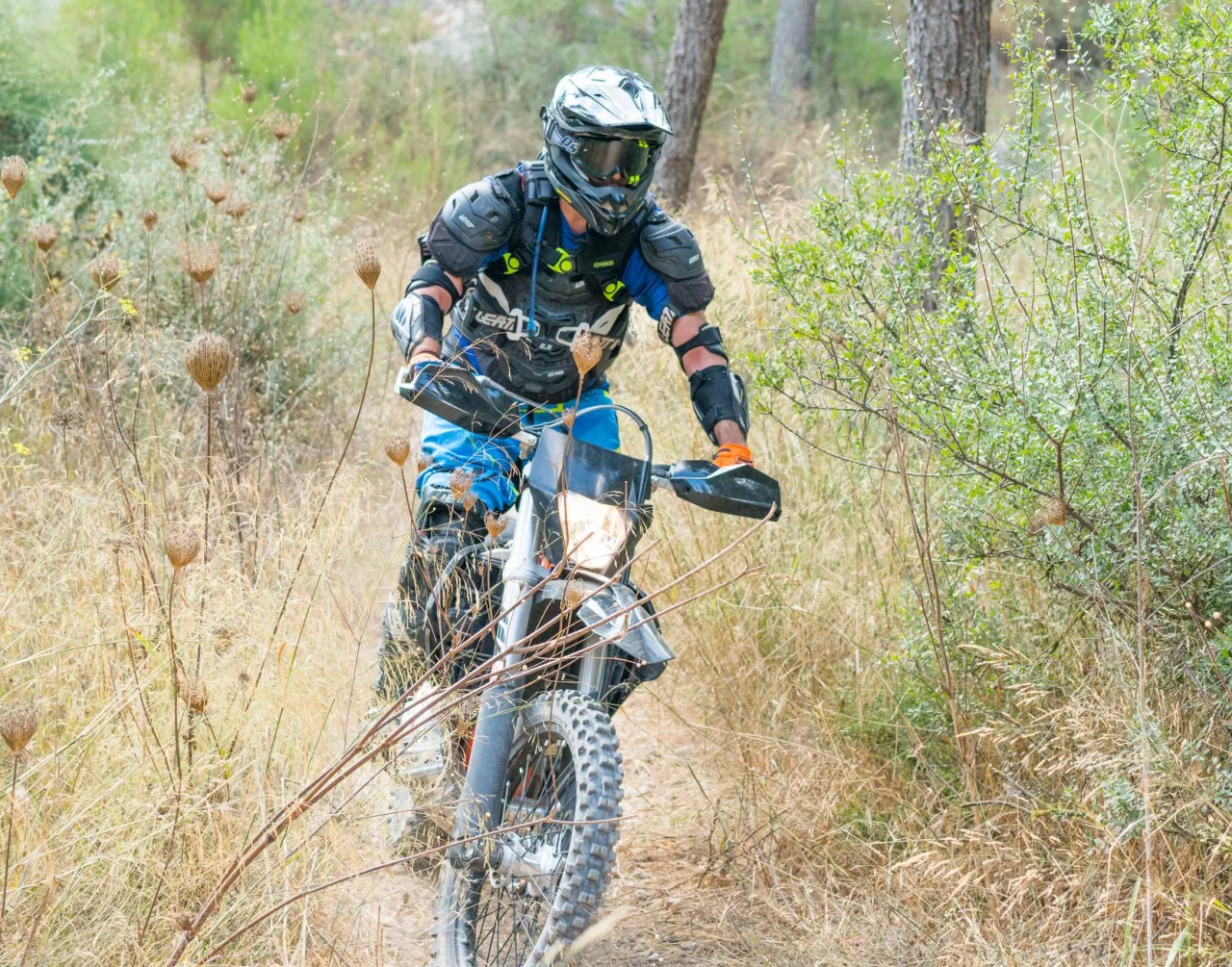
Because enduro is defined by a balance rather than an extreme, the spec sheet tells a consistent story once you know what to look for. These are the numbers and parts that separate an enduro bike from its neighbours.
- Travel: typically 150mm to 180mm front and rear, enough for big hits without the bulk of a full downhill bike.
- Head angle: slack, around 63 to 65 degrees, for stability and confidence on steep descents.
- Seat tube angle: steep, roughly 75 to 78 degrees, which puts you in an efficient climbing position.
- Wheels: commonly 29 inch, or a mixed mullet setup with a larger front and smaller rear wheel for grip and manoeuvrability.
- Dropper post and strong brakes: a long travel dropper and powerful four piston brakes are near universal at this level.
For a deeper look at how suspension and geometry work across mountain bikes, our full suspension bike guide breaks down the fundamentals that apply here too.
Enduro versus trail versus downhill
The enduro bike only makes sense once you see where it sits between its neighbours. Choosing the right category is far more important than choosing a brand, because a bike built for the wrong job will frustrate you regardless of the badge.
- Trail bikes: shorter travel, around 130mm to 150mm, lighter and quicker to climb. Ideal if most of your riding is moderate. See our mountain bike guide.
- Enduro bikes: the aggressive all rounder, descending hard while still climbing under pedal power.
- Downhill bikes: around 200mm of travel, built purely for lift served descents and unable to climb comfortably. Our downhill bikes guide covers that extreme.
If you find yourself wanting one bike that descends bravely but still lets you earn your turns, enduro is usually the sweet spot. If you never climb and only ride the park, a downhill bike suits better, and if your trails are mellow, a trail bike will feel livelier.
Tip: Do not buy more travel than your terrain needs. A 180mm enduro bike on gentle trails feels sluggish and dead. Match the travel and geometry to the steepest, roughest riding you regularly do, not the most extreme thing you might try once.
Honest buying criteria, not a fake leaderboard
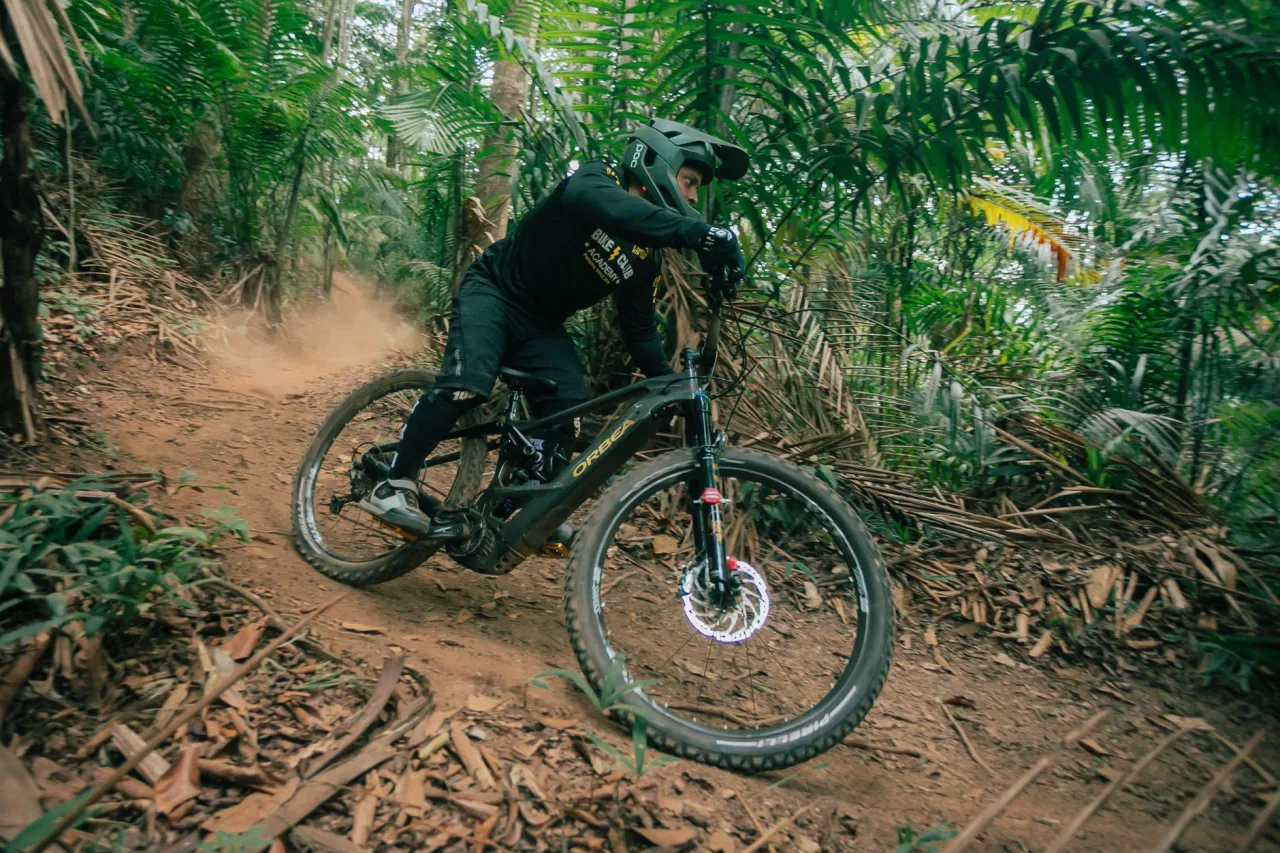
There is no single best enduro bike, and any article that hands you a ranked leaderboard is guessing on your behalf. A more useful approach is a set of criteria to judge any candidate against, so you can compare bikes on what actually matters to your riding.
- Fit first: the right frame size and reach matter more than any component. A bike that fits badly will never feel right.
- Suspension quality: a well tuned fork and shock from a reputable maker beat a fancier spec that is poorly set up.
- Brakes and tyres: four piston brakes and tough, grippy tyres are safety items on steep descents, so prioritise them.
- Frame material and budget: alloy frames offer great value and durability, while carbon saves weight at a premium. Neither is required to have fun.
- Dealer support: setup, suspension tuning and servicing add real value, so buy where you will get help.
Judged this way, a well fitted alloy bike with reliable suspension often beats a pricier carbon bike that suits you less well. For a specific branded example within this category, our Specialized Enduro review looks at one long running enduro model in detail.
Realistic prices in 2026
Enduro bikes cover a broad price range because the same category spans alloy framed value builds and premium carbon race bikes. Rather than quote fixed numbers that would quickly be wrong, think in bands and confirm current pricing locally.
Entry level alloy enduro bikes are a serious purchase but the most accessible way into the category. Mid range builds add better suspension and lighter components. High end carbon bikes with premium suspension and drivetrains sit at the top and climb well beyond. Where you land depends on frame material, suspension, wheels and brakes far more than the badge, and prices shift with model year and local promotions. The single most reliable way to get a real number is to ask a dealer about current stock and any outgoing year discounts.
Watch out: A used enduro bike can be excellent value, but these bikes get ridden hard. Check the suspension for play and service history, inspect the frame around pivots and the head tube for cracks, and factor a suspension service into your budget if the history is unclear.
How to buy and find a dealer
Because fit, suspension setup and sizing matter so much on an enduro bike, buying from a shop that will support you is worth more than a small saving online. A good dealer will size you correctly, set your suspension sag for your weight, and be there for the first service.
Visit a shop, be clear about your budget and the terrain you ride, and test ride if you can, because feel is personal and no review can replace it. To find a good shop near you, see our guidance on choosing a trusted local bike shop, and if you want to compare specific models, our Santa Cruz overview covers a brand well known for gravity oriented bikes.
Frequently asked questions
What is an enduro bike best for?
An enduro bike is best for aggressive, mixed terrain where you want to descend steep and technical trails with confidence but still pedal to the top. Its 150mm to 180mm of travel and balanced geometry make it the most versatile serious mountain bike for riders who both climb and descend. It is overkill for gentle trails and less capable on pure lift served descents than a downhill bike.
How much travel does an enduro bike have?
Enduro bikes typically run 150mm to 180mm of suspension travel front and rear. That places them between trail bikes, which use less for lighter, quicker handling, and downhill bikes, which use around 200mm purely for descending. The travel is chosen to handle big hits while still leaving the bike efficient enough to climb under pedal power.
Is an enduro bike good for climbing?
Yes, relatively speaking. Enduro geometry pairs a slack head angle for descending with a steep seat tube angle, around 75 to 78 degrees, that puts you in an efficient climbing position. They climb slower than lightweight trail bikes because of the extra travel and weight, but far better than a downhill bike, which is not designed to be pedalled uphill at all.
Should I buy an alloy or carbon enduro bike?
Both are good choices. Alloy frames offer excellent durability and value and are ideal if you are on a budget or ride hard and rough. Carbon saves weight and can improve ride feel, but at a premium. Neither is required to enjoy the category, so a well fitted alloy bike with reliable suspension is often the smarter buy over a pricier carbon bike that suits you less.
Where should I buy an enduro bike?
Buy from a local shop that will size you, set up your suspension for your weight, and support the first service. Fit and suspension setup matter enormously on these bikes, so the value of good dealer support outweighs a small online saving. Be clear about your budget and terrain, and test ride if you can, since the right feel is personal.
Sources: the Wikipedia article on enduro mountain biking and the Wikipedia mountain bike article.
More guides on Specialized (Brand)
Have a question or a topic to suggest?
We read every message. Tell us what you would like to see next on the blog.
Get in touchYou may also like

Downhill Bikes
A downhill bike is the most specialised machine in mountain biking: built to be pointed down steep, rough, high speed descents and almost nothing else.
Bike Chain
The bike chain is the humble part that turns your pedalling into forward motion, and it is also the part that wears fastest and gets neglected most.
Specialized Diverge E5: Review, Specs
The Specialized Diverge E5 is the aluminium entry point into Specialized's Diverge gravel range, a drop bar bike built to blur the line between road and trail.