Bike Review
Specialized Rockhopper Review (2026)
Spec, trims, ride impressions and honest 2026 pricing for Specialized's long-running entry hardtail.
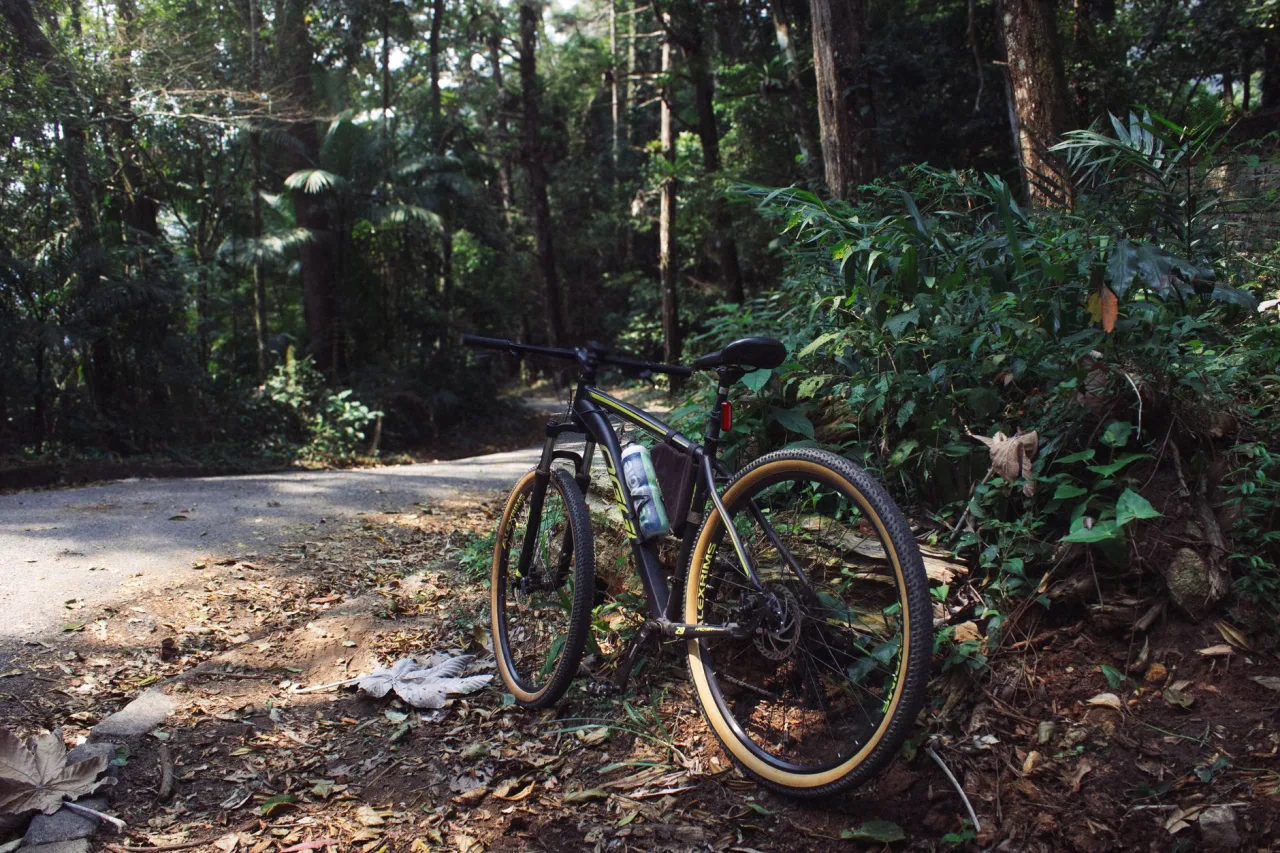
The Specialized Rockhopper is one of the best-known entry-level hardtail mountain bikes, a bike that has introduced countless riders to off-road cycling. This review breaks down what the Rockhopper is, how its spec is built, how the model has changed across years, how it rides, and what to expect to pay in 2026.
The short version
- The Rockhopper is Specialized's long-running entry-level hardtail mountain bike, built around a lightweight alloy frame. Specialized was founded in 1974 by Mike Sinyard and is based in Morgan Hill, California.
- It uses an aluminum frame, a suspension fork, a wide-range drivetrain, and disc brakes, aimed at trails, fitness, and everyday riding.
- The Rockhopper line spans several trims and has evolved across model years in geometry, wheel sizing, and components, so a 2020 or 2022 bike can differ from a current one.
- Pricing sits at the affordable end of the mountain bike market and varies by trim and year. Confirm the current figure with a local Specialized dealer, and expect used examples to cost less.
What the Specialized Rockhopper is
According to Wikipedia's history of Specialized Bicycle Components, the company was founded in 1974 by Mike Sinyard and helped define the modern mountain bike with the 1981 Stumpjumper, described as the first major production mountain bike in the world. The Rockhopper sits well below the Stumpjumper in the range as an approachable, value-focused hardtail. Its reputation for durability is such that the Rockhopper has even been used by the London Ambulance Service for urban cycle response work.
A hardtail has front suspension but no rear shock, which keeps weight, cost, and maintenance down. That is exactly what a beginner or budget-minded rider wants. If you are still deciding whether a hardtail suits you, our mountain bike guide explains hardtail versus full-suspension in plain terms.
Key specifications
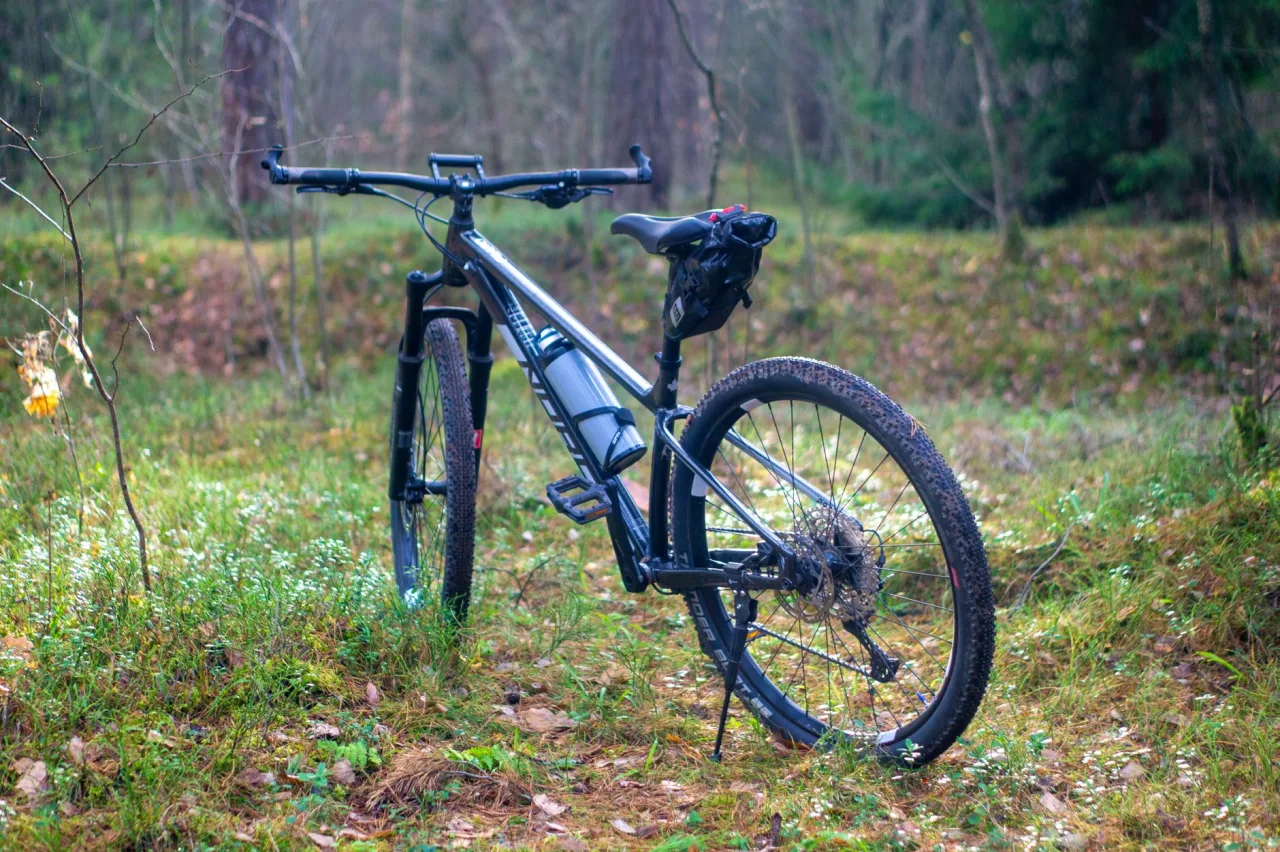
Specs vary by trim, size, and model year, but the core Rockhopper recipe is consistent. Expect a build along these lines, and always confirm the exact spec for the version you are considering:
- Frame: Specialized's own A1 Premium aluminum alloy, light and durable for the price.
- Suspension fork: a coil or air fork offering roughly 80 to 100mm of travel to absorb trail bumps, with the higher trims getting better forks.
- Drivetrain: a wide-range 1x or multi-ring setup, typically using Shimano or SRAM components, geared for climbing.
- Brakes: mechanical or hydraulic disc brakes depending on trim, with hydraulics on the higher models for stronger, more consistent stopping.
- Wheels and tires: Specialized tires with wheel size varying by frame size, a system Specialized markets to give smaller and larger riders a better fit.
Understanding the trims and model years
The Rockhopper is sold as a family rather than a single bike. Across the range you will find the base Rockhopper, plus trims such as Sport, Comp, Elite, and Expert, each stepping up the fork, drivetrain, and brakes. As the trim rises, you generally get a better fork, more drivetrain range, and hydraulic brakes.
Shoppers often search for specific years such as the 2020, 2021, 2022, or 2023 Rockhopper, and that matters because Specialized updates geometry, wheel-size-by-frame-size, and components over time.
- Older examples (around 2020 to 2021): capable and good value, but confirm the fork quality and whether the brakes are mechanical or hydraulic.
- Recent generations (around 2022 to 2023): refined fit and wider adoption of size-specific wheels and hydraulic brakes on mid trims.
- Current generation: continues that direction with updated geometry and component choices.
Buying used warning
When you shop a used Rockhopper, the year and trim genuinely matter. Confirm both, check whether the brakes are hydraulic or mechanical, and inspect the fork, drivetrain, and frame for wear. Our second hand bikes guide covers the full inspection checklist so you do not overpay.
Real-world ride impressions
The Rockhopper rides like a dependable, approachable hardtail. On smooth to moderate trails, gravel paths, and neighborhood streets it feels stable and confidence-inspiring, and the upright-friendly fit suits newer riders. The fork takes the edge off roots and rocks without adding much weight, and the size-specific wheels help both shorter and taller riders find a natural fit.
It is not built for aggressive descending or technical enduro terrain, and it was never meant to be. Push it hard on rough downhill trails and you will feel the limits of an entry fork and a rigid rear end. For learning to ride off-road, commuting, and general fitness, it does its job very well.
Known issues and honest caveats
- Entry-level fork on lower trims: the base forks are basic and are a common first upgrade for keener riders, which adds cost.
- Weight: as an affordable alloy bike, it is heavier than pricier models, which you notice on long climbs.
- Not for technical terrain: it is a versatile beginner hardtail, not a downhill or enduro machine. For that, look at the Specialized Enduro instead.
- Spec varies by trim and year: two bikes both called Rockhopper can differ significantly, so verify the exact build.
These are the expected compromises of a value-focused bike, not defects. Knowing them lets you buy with clear expectations.
What you should expect to pay in 2026
The Rockhopper sits at the affordable end of the mountain bike market, which is central to its appeal. Exact pricing depends on trim, model year, region, and supply, so treat these as ranges to confirm locally.
- Base Rockhopper: among the lower-priced hardtails from a major brand, typically in the mid hundreds of US dollars.
- Higher trims (Comp, Elite, Expert): step up into the higher hundreds and beyond as the fork, brakes, and drivetrain improve.
- Used Rockhopper: usually costs meaningfully less, with older or worn examples cheaper still. Price against condition, trim, and year.
For context on how entry hardtails compare with other categories, see our bicycle price breakdown, and for the wider Specialized lineup our Specialized bike review puts the Rockhopper in context.
How to find a good Specialized dealer near you
Specialized sells through a dealer network, and buying from a good shop means the bike is assembled correctly, sized to you, and supported for future service. Judge a shop against a short checklist:
- They size the bike to you and adjust the fit, not just hand you a box.
- They let you test ride and explain the differences between trims and model years.
- They offer assembly, a first tune-up on many bikes, and ongoing service.
- They are transparent about warranty coverage on the frame and parts.
Our guide to finding trusted local bike shops explains how to vet a store, and our directory of Specialized shops near you helps you start the search.
Frequently asked questions
Is the Specialized Rockhopper a good bike?
Yes, for its purpose. It is a dependable entry-level hardtail with a lightweight aluminum frame, a suspension fork, a wide-range drivetrain, and disc brakes. It is ideal for beginners, commuting, fitness, and light-to-moderate trails, but it is not built for aggressive technical or downhill riding.
What kind of bike is the Specialized Rockhopper?
It is an entry-level cross-country hardtail mountain bike, meaning it has front suspension and no rear shock. Specialized positions it as a versatile, value-focused bike suitable for trails, gravel paths, and everyday riding, and it is sold in several trims from base to Expert.
Does the trim and model year of the Rockhopper matter?
Yes. The Rockhopper is sold in trims such as Sport, Comp, Elite, and Expert, and it has been updated across model years in geometry, wheel sizing, and components. Higher trims get better forks, drivetrains, and hydraulic brakes, so when buying used, confirm both the exact year and trim.
How much does a Specialized Rockhopper cost?
The base Rockhopper sits at the affordable end of the mountain bike market, typically in the mid hundreds of US dollars, with higher trims costing more. Used examples usually cost meaningfully less depending on condition, trim, and year. Prices vary, so confirm the current figure with a Specialized dealer.
Can the Specialized Rockhopper handle real mountain bike trails?
It handles smooth to moderate trails, gravel, and fire roads well. It is not designed for steep, rocky, technical descents or enduro terrain, where its entry fork and hardtail frame reach their limits. For that kind of riding, a full-suspension bike like the Specialized Enduro is the better tool.
More guides on Specialized (Brand)
Have a question or a topic to suggest?
We read every message. Tell us what you would like to see next on the blog.
Get in touchYou may also like

Mountain Bike: The Complete Guide
Everything you need to choose a mountain bike: the main types, wheel sizes, key components, how to pick your first bike and the gear and care that keep it running.

Specialized Enduro Review (2026)
A full Specialized Enduro review: the long-travel spec and geometry, how it rides, its honest limits, and what to pay in 2026, plus how to find a dealer.

Specialized Bike Review 2026
Specialized helped invent the modern mountain bike. This review covers what it makes, how trims and model years change the price, its strengths and trade-offs, and how to buy.