Buyer's Guide · Cycling (General)
99 Cycles: The Complete Guide
What the search term really points to, and how to buy a bike and pick a shop without overpaying.
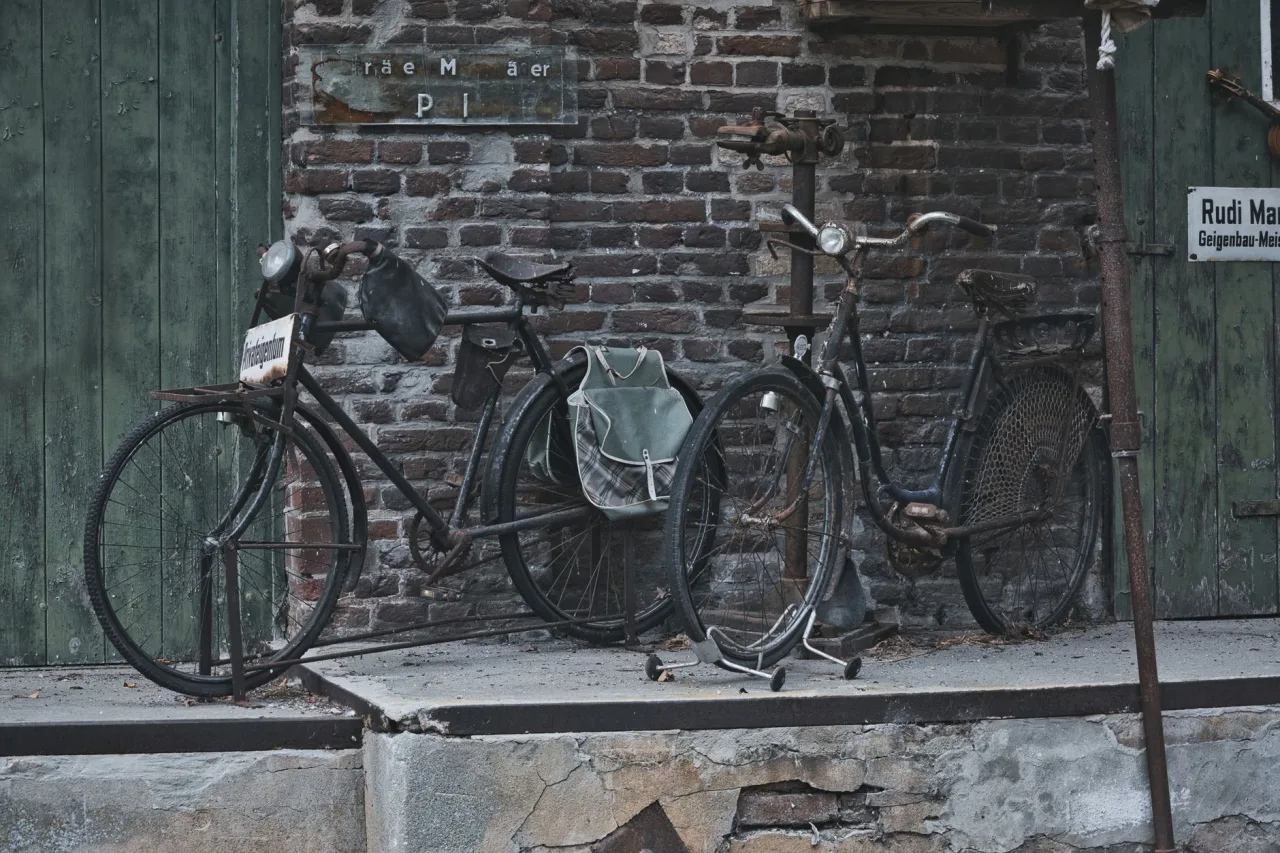
If you have searched for "99 cycles," you are probably looking for a local bike shop trading under that name, or weighing up an affordable cycle and wondering what your money buys. This guide untangles what the term usually means, then gives you a practical, honest way to choose a bike and a shop you can trust for years.
The short version
- "99 Cycles" is a common trading name for independent local bike shops, so what you get depends on the specific store rather than a single national brand.
- Before you shop, decide the job first: commuting, fitness, kids, or off-road each point to a different type of bike.
- Judge a shop by its workshop and its willingness to fit the bike to you, not by the flashiest showroom.
- Treat any price you see as a starting range that varies by spec and region, and confirm the real number in person.
What people mean by "99 cycles"
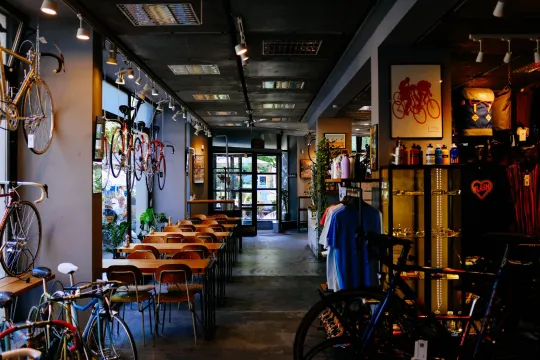
There is no single national manufacturer called 99 Cycles. The phrase is most often used as a shop name by independent cycle retailers, the kind of neighborhood store that sells complete bikes, stocks parts and accessories, and runs a repair workshop. Because these are separate local businesses rather than one chain, the quality, stock, and pricing you find under that name will vary from one town to the next. That is not a problem, it just means you should evaluate the individual shop on its merits rather than assuming a brand promise.
Some searchers are also simply hunting for a budget-friendly cycle and land on shops with catchy, price-led names. Either way, the useful question is the same: how do I pick a good bike from a good shop without overpaying or getting stuck with the wrong machine? The rest of this guide answers exactly that. For the broader picture of what a bicycle is and how the modern design came together, the Wikipedia overview of the bicycle is a solid, neutral starting point.
It also helps to know what an independent store actually is. As the Wikipedia description of the bicycle shop notes, these businesses specialize in sales, maintenance, parts, and accessories, and they range from small local stores to chains and online sellers. A shop trading as "99 Cycles" is simply one point on that spectrum, and knowing the spectrum is what lets you judge any single store fairly.
Decide the job before you decide the bike
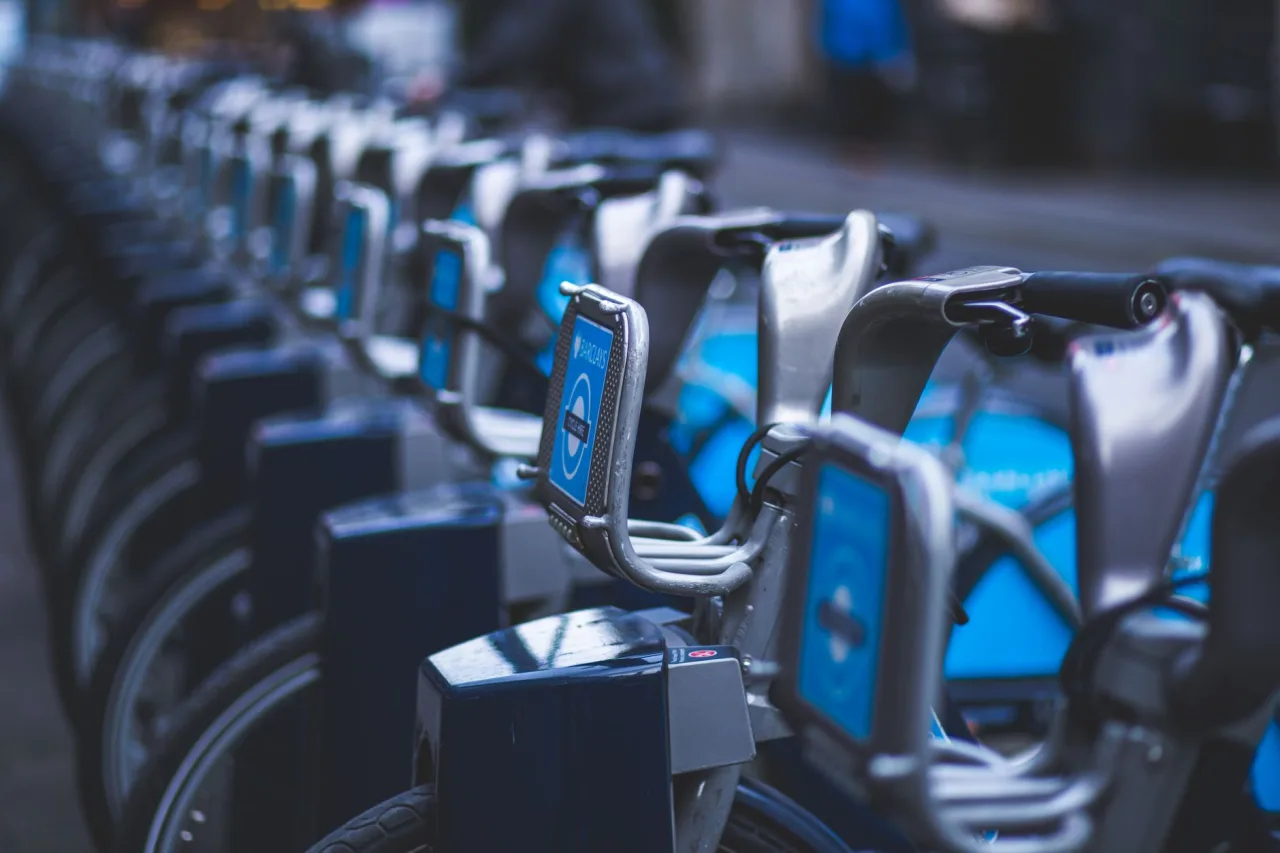
The most expensive mistake in cycling is buying the wrong category of bike, no matter how good the deal looked. Start by naming the main job honestly.
- Daily commuting and errands: a hybrid or city bike with mudguards, rack mounts, and comfortable geometry usually beats a racy machine.
- Fitness and distance on tarmac: a road bike rewards you with speed and efficiency; our road bike guide covers what to look for.
- Trails and rough ground: a mountain bike with suspension and grippy tires is built for it.
- Hills, longer commutes, or returning from injury: an assisted bike changes the maths, which our electric cycle guide explains in plain terms.
If you are still forming a picture of the whole landscape, the complete bike guide lays out every major type side by side so you can match the machine to your life before you walk through any door.
Fit matters more than the badge
A correctly sized bike that suits your body is faster, safer, and far more comfortable than a fancier model in the wrong size. Frame size, saddle height, reach to the handlebars, and the standover clearance all shape how a bike feels on a long ride. A good shop measures you, sets the bike up, and lets you test ride before you commit. If a seller cannot or will not do this, that tells you something important about the service you will get later.
Tip: always test ride before you buy
Ten minutes on the road tells you more than ten reviews. Notice how you reach the bars, whether the saddle carries your weight comfortably, and how the brakes feel. A shop that welcomes a proper test ride is one that expects you to be happy, not just to close a sale.
How to judge a "99 Cycles" style shop

Since the name can belong to any independent store, judge the shop in front of you using the same checklist you would apply anywhere:
- The workshop. A visible, busy repair area staffed by mechanics who explain problems is the clearest sign of a serious shop. The showroom sells you once; the workshop keeps you riding for years.
- Honest advice. Good staff ask what you will use the bike for and sometimes steer you to a cheaper model that fits better. Pushy upselling is a warning sign.
- Brand authorization. Shops authorized to sell and service brands like Trek, Specialized, Giant, or Cannondale have trained staff and can process warranty claims directly, which saves you money and hassle if a part fails.
- Clear service pricing. A posted menu of tune-up and repair prices beats vague "call us" quotes every time.
For a full method of shortlisting and vetting stores, our guide on how to find a trusted local bike shop walks through reviews, questions to ask, and first-visit tests.
What different budgets actually buy
Prices move with components, materials, and region, so treat these as broad ranges and confirm locally before you buy. As a rough guide, a dependable entry-level adult bike from a real shop tends to start in the low-to-mid hundreds, mid-range models with better gears and brakes sit higher, and specialist road or mountain builds climb well beyond that. The very cheapest big-box bikes can look tempting, but they are often heavier, harder to service, and less safe, and a shop-assembled bike usually holds up better over time.
Remember that the sticker is not the whole cost. A helmet, lights, a lock, and a first service all add up, so budget for the complete package rather than just the frame. A good shop will often fold a first tune-up into a new purchase, which quietly raises the value of buying local over an unassembled online box.
Care that keeps a cheaper bike running well
An affordable bike can last for years with light, regular care. Keep the tires inflated to the pressure printed on the sidewall, wipe and re-lube the chain when it looks dry or dirty, and check that the brakes bite firmly before every ride. Book a professional tune-up once or twice a year, ideally in the quieter off-season when shops have more time and sometimes better pricing. This basic routine prevents small issues from becoming expensive ones and keeps the ride safe.
Warning: do not skip the safety basics
No bargain is worth riding without a properly fitted helmet, working brakes, and lights if you ride near dusk. These are the cheapest parts of the whole setup and the ones that matter most. Fold them into your budget from the start rather than treating them as optional extras.
New, used, or online: weighing your options
Once you know the type of bike you want, you still have to choose where to buy it, and each route has trade-offs worth weighing honestly.
- A new bike from a local shop costs the most up front but usually includes assembly, a fit, and often a first tune-up, plus a real person to return to if something is wrong. For most new riders this is the lowest-stress path.
- A quality used bike can stretch a budget a long way, since bikes hold up well when cared for. The catch is that you take on more risk, so have a knowledgeable friend or a shop inspect it before you pay, and budget for a service.
- An online bike can be cheaper and offers huge selection, but it arrives only partly assembled and there is no counter to return to. You will still want a local shop for final setup and future repairs, which eats into the saving.
There is no single right answer here. A confident, mechanically minded rider can do well online or secondhand, while someone new to cycling usually gets more value from a local shop that fits the bike and stands behind it. Whatever route you pick, the constant is that a good local workshop remains useful for years, so it pays to find one early.
Where this fits in the bigger picture
Understanding "99 cycles" is really about understanding how to buy a bike well from a local shop, whatever its name. If you want to go deeper into the sport, the culture, and the different disciplines, our complete cycling guide is the natural next step. Pair a well-chosen bike with a shop that fits and services it, and you will get far more riding out of your money than any single low price can promise.
Frequently asked questions
Is "99 Cycles" a single bike brand or manufacturer?
No. There is no single national manufacturer by that name. "99 Cycles" is most commonly used as a trading name by independent local bike shops, so what you get depends on the specific store rather than one brand promise. Judge each shop on its own workshop, service, and stock.
How do I choose the right bike if I am new to cycling?
Start by naming the main job: commuting, fitness, trails, or family riding. Each points to a different type of bike, such as a hybrid, road, mountain, or electric model. Then get fitted and test ride before buying, because a correctly sized bike that suits your body beats a fancier one in the wrong size.
Are cheap cycles worth buying?
An affordable bike from a real shop, assembled and fitted properly, can serve well for years with basic care. The very cheapest big-box bikes are often heavier and harder to service, so it is usually worth spending a little more for a machine a shop will stand behind and repair.
How much should I budget beyond the bike itself?
Plan for a helmet, lights, and a lock, plus an early tune-up. Prices vary by region and spec, so confirm locally, but budgeting for the complete package rather than just the frame prevents unpleasant surprises and keeps your first rides safe.
How do I know a local shop is trustworthy?
Look for a visible workshop with mechanics who explain problems, staff who ask what you need before selling, authorization to service major brands, and clearly posted service prices. Bringing in a small job first is a good way to test a shop before trusting it with a full build or an expensive repair.
More guides on Cycling (General)
Have a question or a topic to suggest?
We read every message. Tell us what you would like to see next on the blog.
Get in touchYou may also like
Bike: The Complete Guide
A beginner-friendly complete guide to bikes: history, the main types, anatomy, how to choose and size the right one, plus safety and basic maintenance.
Road Bike: The Complete Guide
Choose the right road bike with confidence: the main types, frame materials, components that matter, why fit beats everything, and how much to sensibly spend.
Bike Shop: Find Trusted Local Shops
A buyer's guide to bike shops: the three kinds of store, how to judge the service department, why authorized dealers matter, and getting lasting value.