Local Guide
Used Bike Shop Near Me: Find Trusted Shops
How to judge a used bike seller, price a pre owned bike fairly, and inspect before you spend.
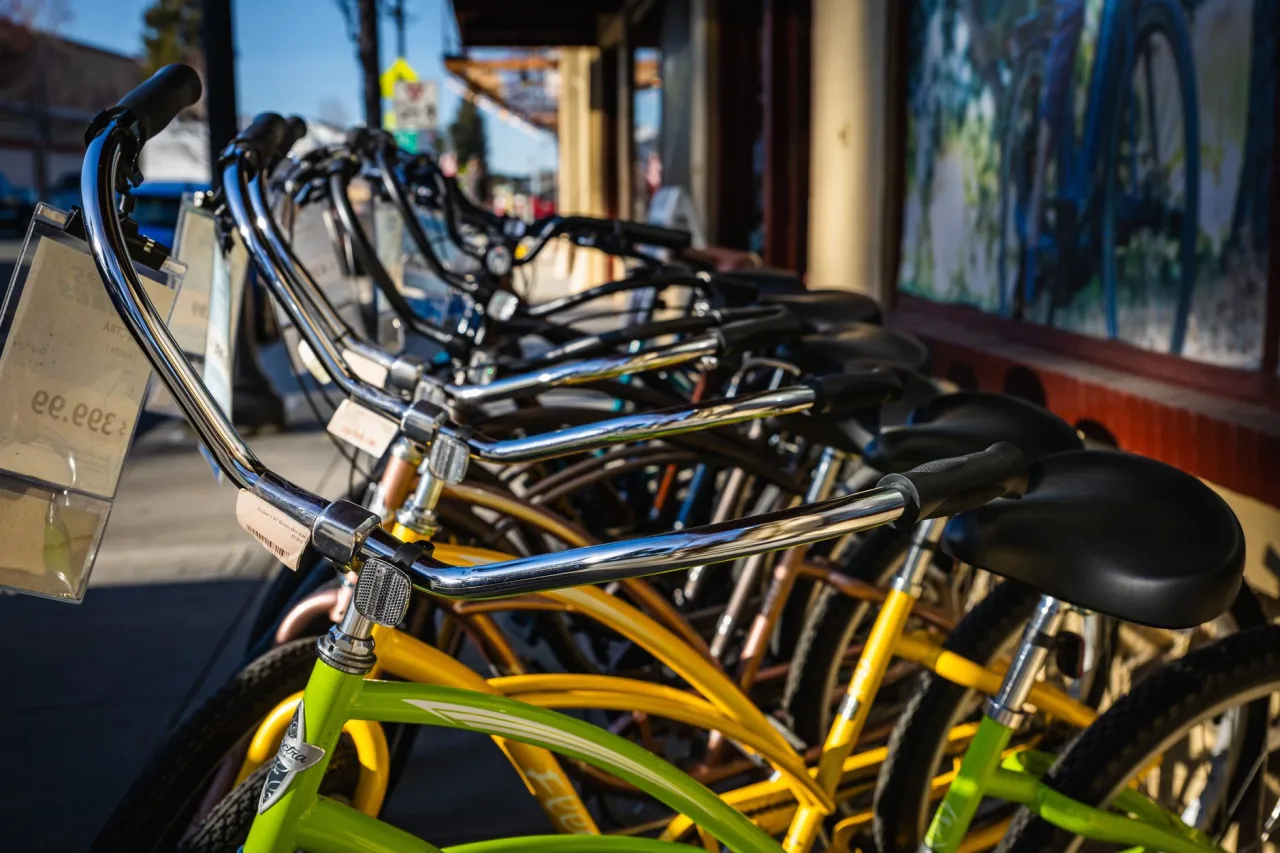
Searching for a "used bike shop near me" is easy. Finding one that sells honestly inspected, fairly priced bikes is the harder part. This guide shows you how to size up a used bike shop before you spend, what a good pre owned bike should cost, the checks and questions that separate a reputable seller from a flipper, and how to use our finder to locate shops in your area.
The short version
- A good used bike shop inspects, services, and stands behind what it sells, and explains a bike's history rather than hiding it.
- Buy the exact model, year, and trim, not just the brand, because condition and specification drive a used bike's real value.
- A shop's certified pre owned bike costs more than a private sale but usually includes a safety check and some warranty, which is often worth it.
- Test the shop with questions and a short ride before buying, and walk away from any seller who will not let you inspect the bike properly.
Why buy from a used bike shop at all
You can buy a second hand bike privately, but a reputable used bike shop adds real value: it typically inspects and services bikes before selling, sorts the paperwork, and offers at least a short warranty or return window. That safety net is worth paying a little more for, especially on higher value bikes and e-bikes where a hidden fault is expensive.
A good shop also knows what it is selling. Staff can tell you the model year, spot a repaired frame, and price a bike against its actual specification rather than a hopeful guess. If you are weighing a used purchase in general, our complete guide to second hand bikes covers inspection and pricing in depth, and pairs well with this shop focused guide.
There are red flags worth naming too. Walk away from any seller who refuses to let you inspect a bike properly, cannot or will not tell you the model year, quotes a firm price sight unseen, or pressures you to decide on the spot. A reputable shop expects you to look closely and ask questions, because it has nothing to hide. If a deal feels rushed or the story about a bike keeps changing, trust that instinct and keep looking.
How to judge a used bike shop before you buy
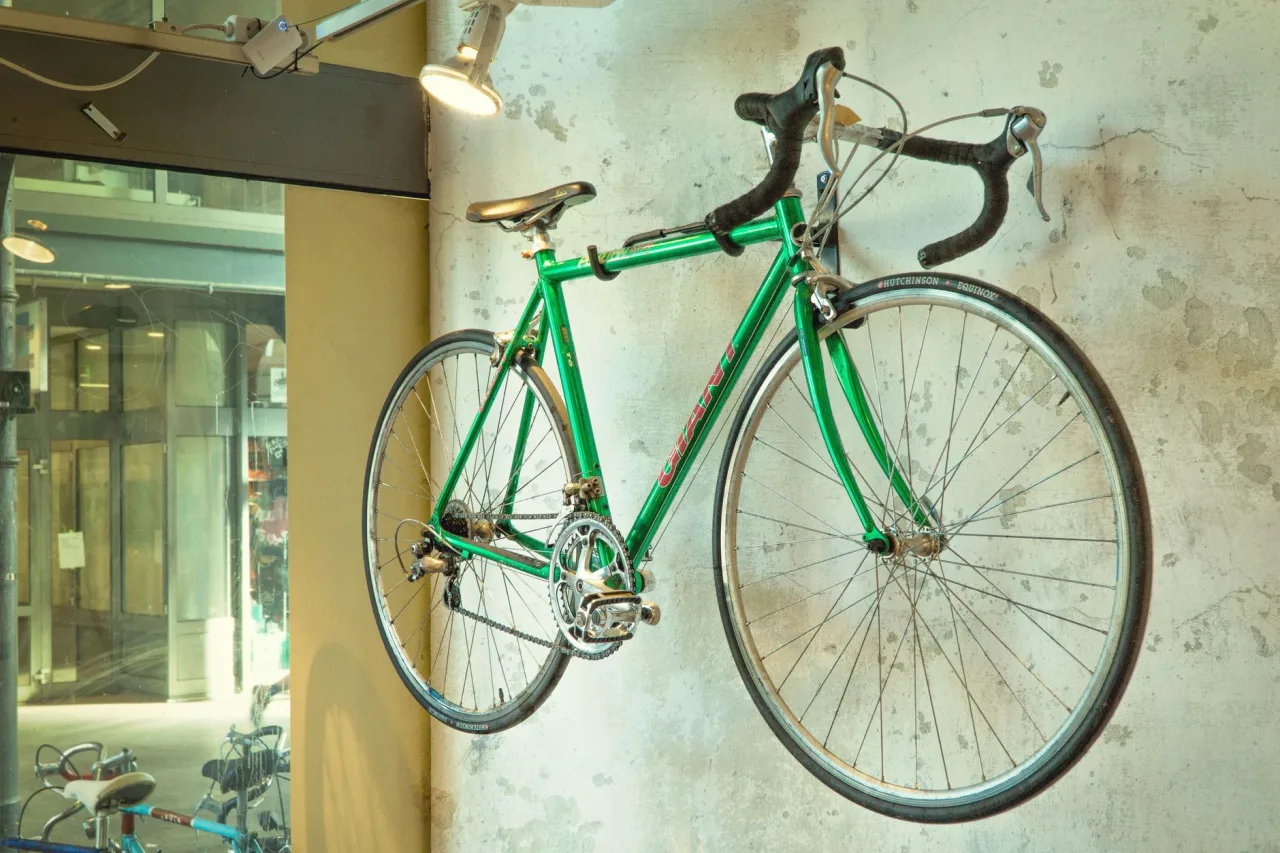
You can learn a lot before you visit. Start with the shop's reviews and its own listings, then look for signals that a place inspects and services stock rather than just reselling it.
- Inspection and servicing. Reputable shops describe what they checked and fixed. A listing that says "serviced, new chain and brake pads, safety checked" is a stronger signal than photos alone.
- Return or warranty policy. Even a short return window or limited warranty shows the shop stands behind its inspection.
- Review patterns, not scores. Repeated praise for honest descriptions and after sale support matters more than a single star rating.
- Clear specifications. Good shops list the model, year, size, and condition. Vague listings that hide the year or trim make fair pricing impossible.
What a used bike should cost
Prices vary widely by brand, age, specification, and condition, so treat these as broad patterns and confirm locally. A used bike from a shop usually costs more than a private sale because it includes inspection, servicing, and some warranty, which is often worth the difference.
- Match the exact trim. The same model name can span very different builds and prices, so value the specific specification, not the badge.
- Expect depreciation. A bike a few years old in good condition is often strong value, since most of the initial depreciation has already happened.
- Factor in immediate costs. A cheap bike that needs new tyres, a chain, and a service is not cheap, so ask what has already been replaced.
- Compare with new. If a used price sits close to a discounted previous year new bike, the new one with a full warranty may be the better buy.
For a sense of where new prices sit, so you can judge a used discount, see our guide to real bicycle prices in 2026.
Tip: inspect before you fall in love
Bring a torch and check the frame carefully, especially around the head tube, bottom bracket, and any welds or carbon joints, for cracks or crash repairs. Spin the wheels to check they run true, squeeze the brakes, and shift through every gear. On any bike over a certain value, a short workshop inspection is cheap insurance against an expensive surprise.
Questions to ask a used bike shop
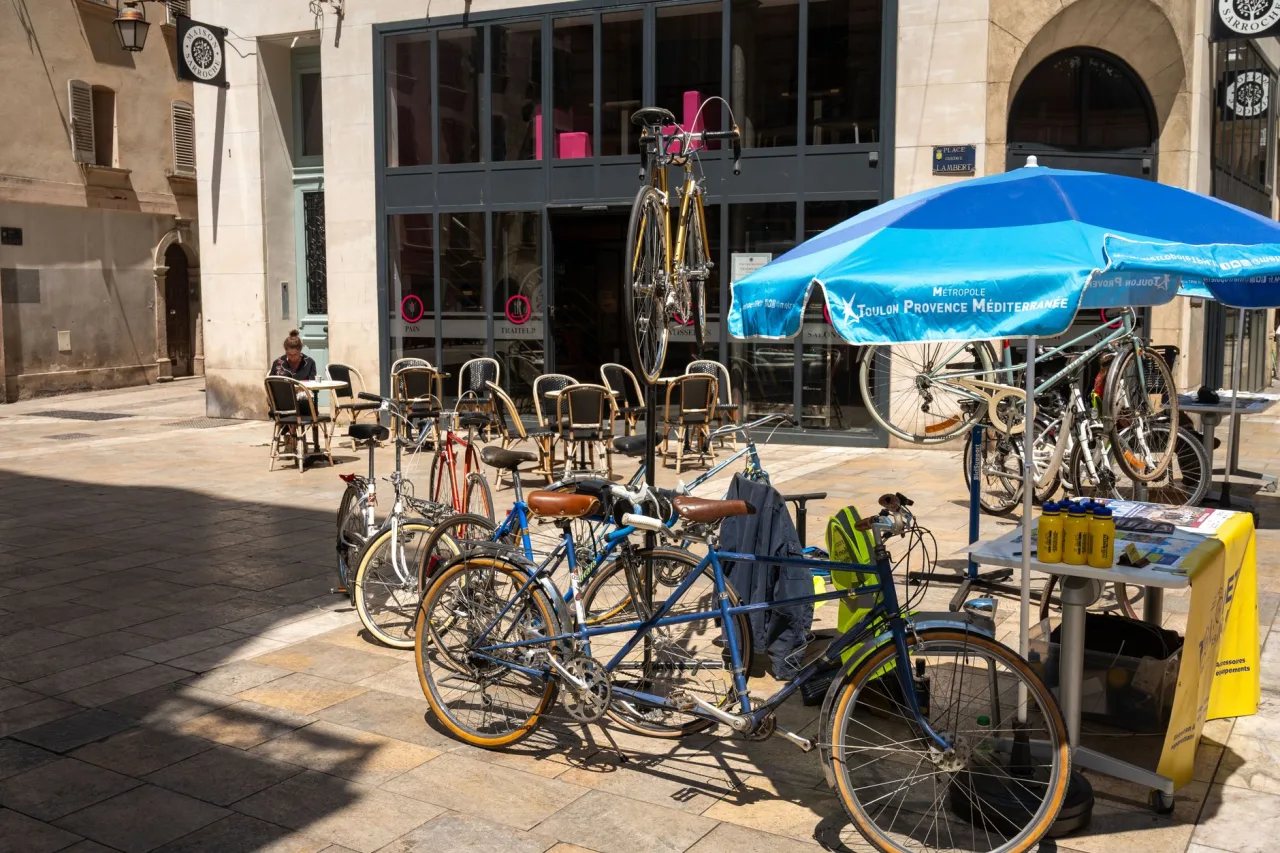
Walk in with a short mental checklist. The answers, and how willingly they are given, tell you almost everything.
- What is the exact model, year, and size, and what condition would you honestly call it? A good shop answers precisely.
- What did you inspect and service before listing it, and what has been replaced? This reveals how much work the bike still needs.
- Do you offer any warranty or return window? Even a short one shows the shop stands behind its inspection.
- Can I test ride it, and can I have it inspected before buying? A confident seller says yes to both.
- Do you have any service history or the original receipt? Provenance supports the price and rules out a stolen bike.
Used e-bikes need extra care
A used electric bike carries one extra major consideration: the battery. Batteries degrade with age and charge cycles, and a replacement is one of the most expensive parts on the bike, so a cheap used e-bike with a tired battery may not be a bargain. Ask how old the battery is, how many charge cycles it has if the system reports them, and whether it holds a reasonable charge.
Buy a used e-bike from a shop with e-bike trained mechanics who can test the motor and battery and handle diagnostics, rather than a general reseller. If you are shopping specifically for electric, our directory on where to find e-bikes for sale near you and the broader used electric bikes guide go deeper on battery health.
How to find used bike shops near you
Our finder helps you locate bike shops in your area, and from there you can look for ones that carry and service used stock. Rather than fabricating a list of shops we cannot verify, we point you to the tools and criteria to judge them yourself, which is more honest and more useful.
- Start with the finder and a map search. Look for shops that mention used, pre owned, or trade in on their listings.
- Cross check reviews. Focus on comments about honest descriptions and after sale support.
- Call ahead. Ask what used stock they have, whether they inspect and warranty it, and whether you can test ride.
- Visit two or three. Comparing shops quickly reveals which ones describe bikes honestly and price them fairly.
For the wider approach to choosing any local shop, see our guide to finding a good bike shop near you, and our companion directory on used bikes near you covers private and shop sales side by side.
Frequently asked questions
Is it worth buying a used bike from a shop instead of privately?
Often yes. A reputable used bike shop typically inspects and services bikes before selling, sorts the paperwork, and offers at least a short warranty or return window, which is a real safety net. You usually pay a little more than a private sale for that protection, and on higher value bikes and e-bikes it is frequently worth the difference.
How do I know a used bike shop is trustworthy?
Look for shops that describe what they inspected and serviced, offer a return or warranty policy, and list the exact model, year, size, and condition rather than hiding details. Read reviews for patterns of honest descriptions and after sale support, then confirm in person that you can test ride and independently inspect the bike before buying.
How much should a good used bike cost?
Prices vary widely by brand, age, specification, and condition, so match the exact trim rather than the badge and confirm locally. A shop bought used bike costs more than a private sale because it includes inspection, servicing, and some warranty. If a used price sits close to a discounted previous year new bike, the new one with a full warranty may be the better buy.
What should I check before buying a used bike?
Inspect the frame carefully for cracks or crash repairs, especially around the head tube and bottom bracket, spin the wheels to check they run true, squeeze the brakes, and shift through every gear. Ask for the exact model, year, size, service history, and receipt. On any higher value bike, a short workshop inspection is cheap insurance.
Is a used e-bike a good idea?
It can be, but the battery is the key risk. Batteries degrade with age and charge cycles, and replacement is expensive, so ask how old the battery is, how many cycles it has, and whether it holds a reasonable charge. Buy from a shop with e-bike trained mechanics who can test the motor and battery, not a general reseller.
More guides on Bike Shops & Services (Local)
Have a question or a topic to suggest?
We read every message. Tell us what you would like to see next on the blog.
Get in touchYou may also like
Second Hand Bikes: Complete Guide
Buy a used bike with confidence: where to look, how to inspect frame, drivetrain and brakes, what to check on a used e-bike, and how to avoid stolen bikes and overpaying.

Used Bikes Near Me: Buyer's Guide
How to find a trustworthy source for a used bike near you: vetting shops versus private sellers, a ten-minute inspection checklist, and what a fair 2026 price looks like.
Bike Shop Near Me: Find Trusted Shops
A practical guide to finding and vetting a good local bike shop: how to read reviews, what services should cost, and the questions that reveal a great mechanic.