Indoor Cycling · Cycling (General)
Spinning Bike: The Complete Guide
How spin bikes work, how they differ from other exercise bikes, and how to choose one without overpaying.
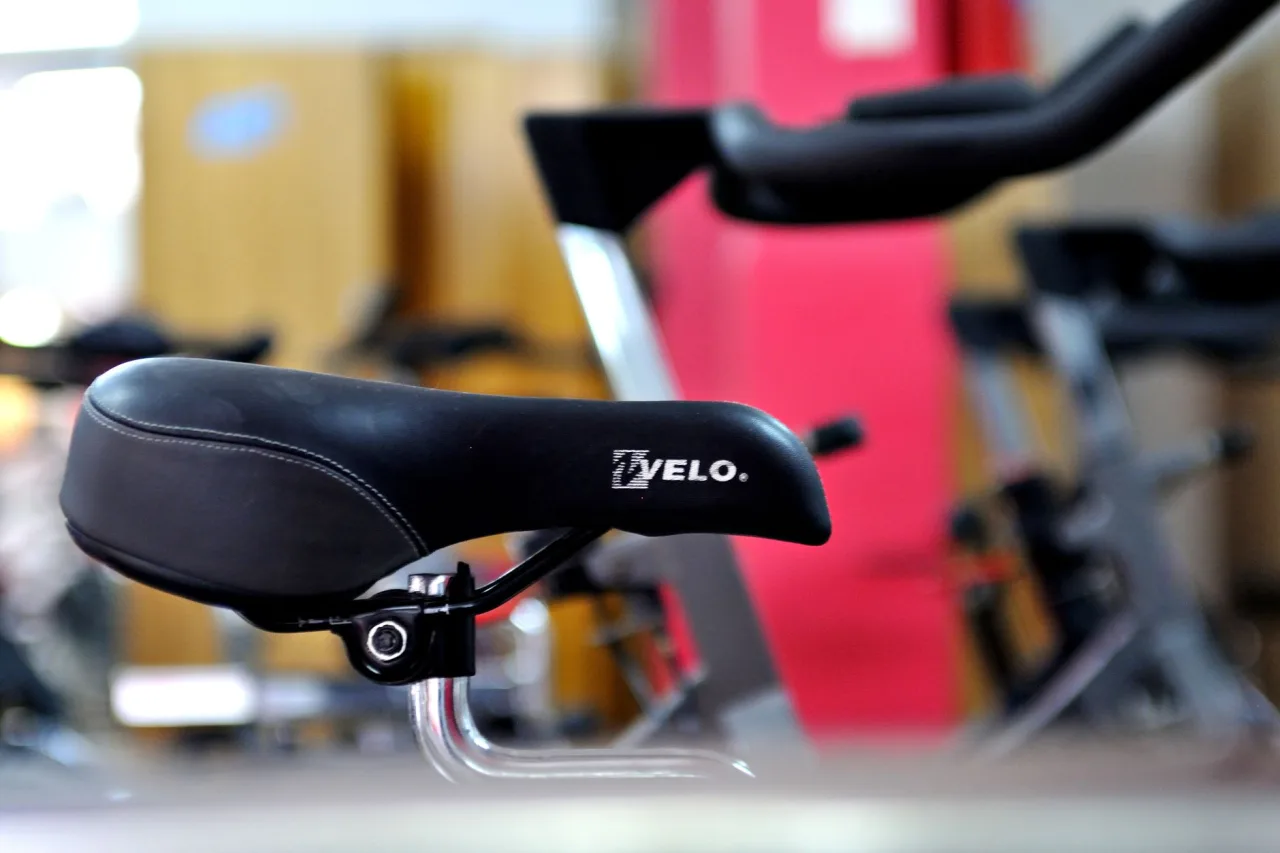
A spinning bike is an indoor, stationary bike built around a weighted flywheel that mimics the feel of riding on the road. It is the machine behind studio spin classes and a growing share of home workouts. This guide explains how spinning bikes work, how they differ from other exercise bikes, and how to choose one without overpaying.
The short version
- A spinning bike uses a heavy flywheel plus adjustable resistance to simulate real riding inertia, which is what makes the pedaling feel smooth.
- "Spinning" is the group-class style; "spin bike" and "indoor cycle" describe the equipment. The terms are used interchangeably in everyday speech.
- Resistance is usually friction (a felt pad) or magnetic. Magnetic resistance is quieter and lower-maintenance.
- Prices vary enormously by features and screen. Set a budget range, decide whether you need on-screen classes, and confirm current pricing before buying.
What a spinning bike actually is
A spinning bike is a stationary exercise bike designed to feel like riding a real bicycle at effort. According to Wikipedia's indoor cycling article, these bikes are built around a weighted flywheel and adjustable resistance, with handlebars and pedals arranged so you can ride seated or standing, much like on the road.
The key feature is the flywheel. Its weight and momentum smooth out each pedal stroke and let you simulate climbs and sprints. Combined with resistance you can dial up or down, this is what separates a serious indoor cycle from a basic exercise bike that feels choppy under load.
Indoor cycling is not new. The same source notes that people first moved cycling indoors in the late 19th century, using rollers and early stationary machines. The modern studio format, with an instructor leading a group through intervals and climbs, is the version most people picture today.
How resistance works
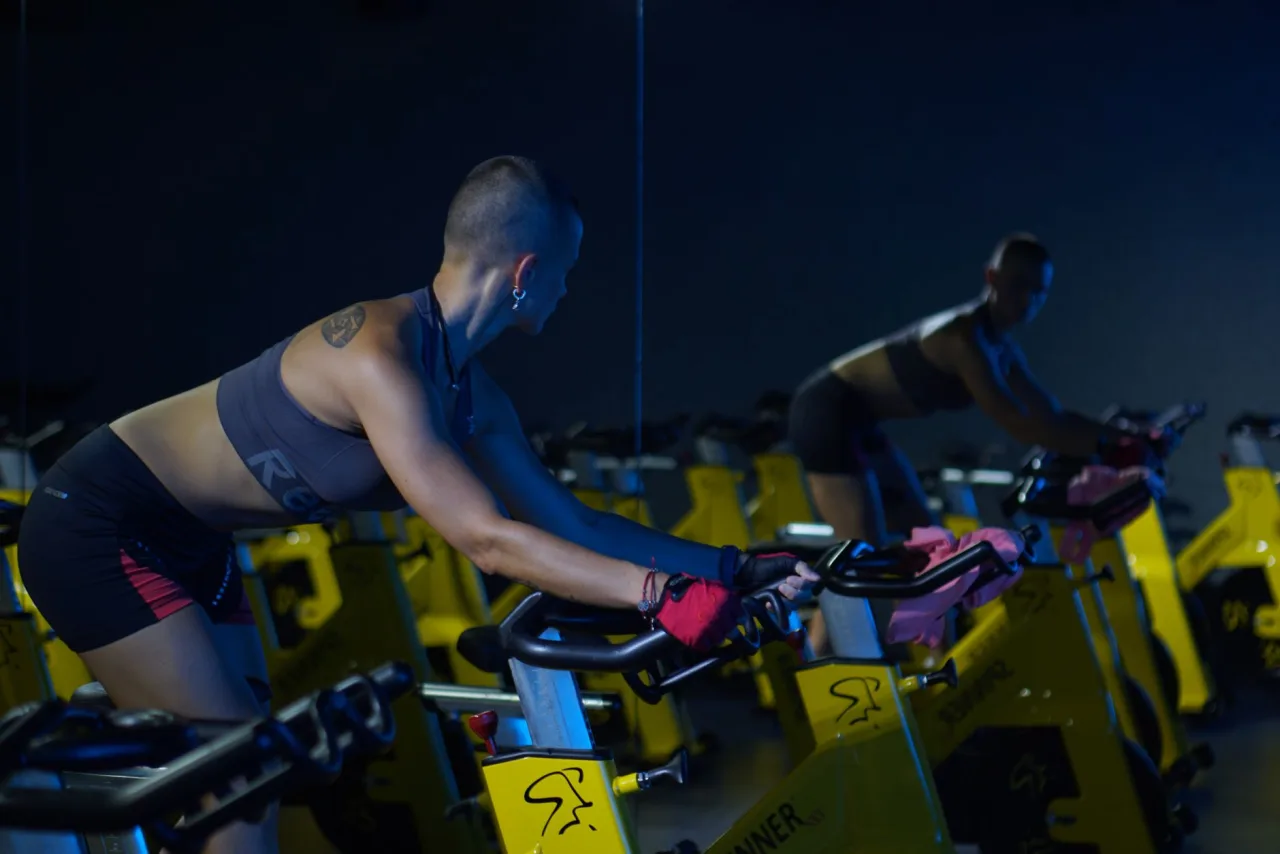
Resistance is how a spinning bike makes pedaling harder or easier. There are two common systems, and the difference affects noise, feel, and upkeep.
- Friction resistance. A felt or leather pad presses against the flywheel. It is simple and inexpensive, gives a road-like feel, but the pad wears over time and can be noisier.
- Magnetic resistance. Magnets create drag without touching the flywheel. It is quieter, needs little maintenance, and often allows finer, more repeatable resistance levels. It usually costs more.
Some bikes show resistance as a numbered dial; others estimate power output in watts. If you plan to follow structured classes or track progress precisely, a bike with consistent, numbered resistance or a power readout makes workouts repeatable.
Spin bike vs upright and recumbent bikes
People often lump all indoor bikes together, but they ride very differently.
A spinning bike puts you in a forward, athletic position similar to a road bike, with a heavy flywheel for momentum. It rewards standing climbs and sprints and suits people who want an intense, cycling-style workout.
A basic upright exercise bike is lighter and more casual, usually with a lighter flywheel and a more relaxed position. A recumbent bike seats you in a reclined chair-like position with back support, which is gentler on the lower back and joints. If comfort and low impact matter more than intensity, our recumbent bike guide is a better starting point.
If your longer goal is riding outdoors, remember that indoor training builds fitness but not bike-handling skill. Pair spin sessions with time on a real road bike if outdoor riding is the aim.
Tip: set up the bike before you judge it
Saddle height, saddle fore-aft, and handlebar height all change how a spin bike feels. Set the saddle to roughly hip height and adjust so your knee is slightly bent at the bottom of the stroke. A bike that felt uncomfortable often just needed a two-minute fit.
Connected bikes and classes
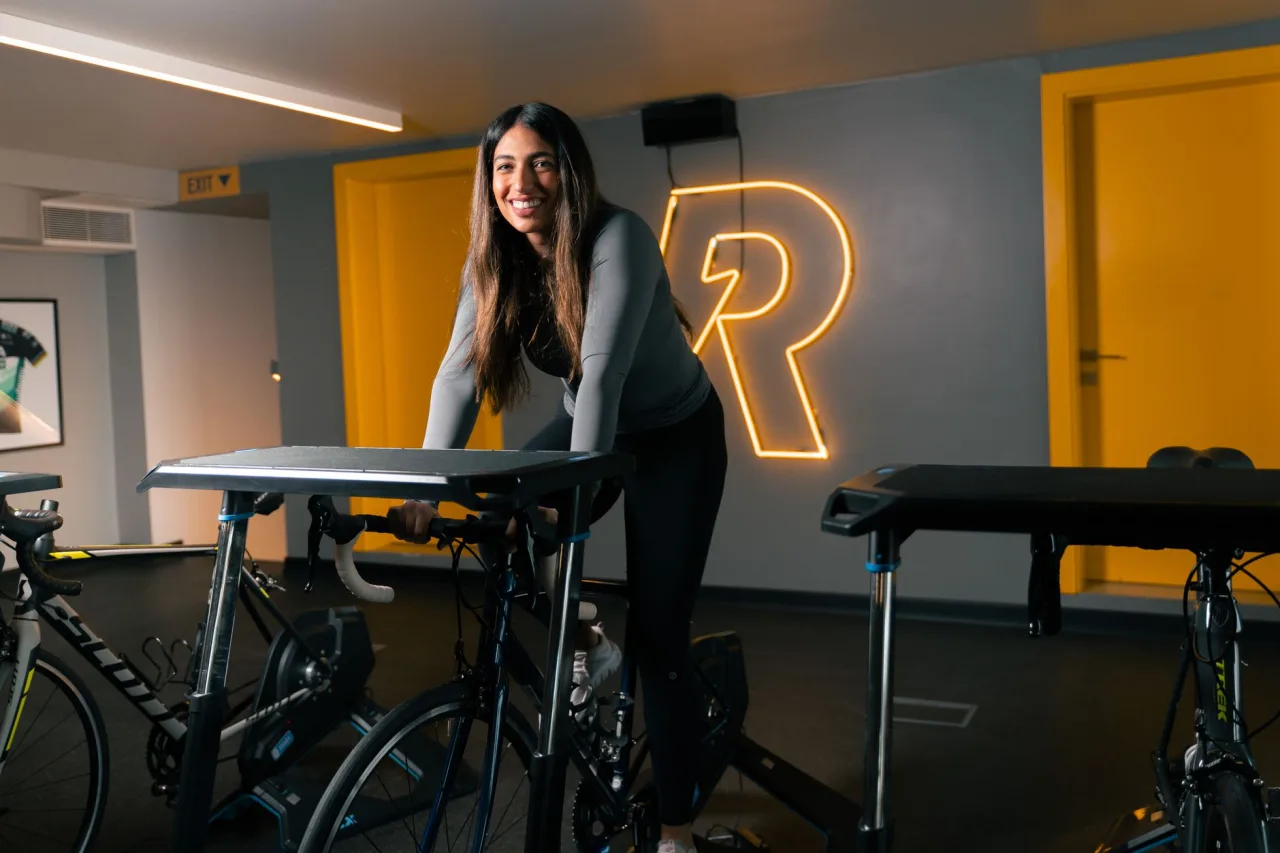
Many modern spinning bikes add a screen and streamed classes. The best-known example is Peloton. Per Wikipedia's Peloton entry, the company sells an internet-connected stationary bike with a built-in touchscreen and streams live and on-demand classes through a paid membership, along with performance metrics and leaderboards.
Connected bikes are motivating for people who like guided sessions and community, but they add an ongoing subscription cost on top of the hardware. Many non-connected bikes can pair with a tablet and a cheaper app, or work with free class videos, if you prefer to avoid a locked-in subscription. Decide whether the on-screen experience is worth the recurring fee before you buy.
What to look for when buying
Whatever your budget, a few things separate a spin bike you will keep using from one that gathers dust.
- Stable frame and weight capacity. A heavier, well-built frame stays planted during hard efforts. Check the stated user weight limit.
- Smooth, adjustable resistance. Magnetic is quieter and lower-maintenance; friction is cheaper and road-like.
- Adjustability. Both saddle and handlebars should move up, down, and ideally fore-and-aft so the bike fits your body.
- Pedals. Look at whether they take clip-in cycling shoes, cages for regular shoes, or both.
- Footprint and portability. Measure your space. Transport wheels help if the bike must be moved.
Prices range from budget home models to premium connected bikes that cost several times as much once you add a subscription. Treat any number you see as a range that varies by retailer and season, and confirm the current price and warranty locally before you commit.
Getting the most from a spinning bike
The bike is only as good as how you use it. A few habits make sessions safer and more effective.
- Warm up. Spin easy for a few minutes before adding resistance.
- Keep control. Avoid bouncing in the saddle or using so little resistance that you are just spinning your legs. Load the flywheel enough to pedal with control.
- Mix intensity. Alternate steady rides with intervals and standing climbs to keep progressing.
- Maintain the bike. Wipe down sweat, check bolts periodically, and replace a worn friction pad when resistance feels rough.
For general fitness context and how indoor training fits alongside outdoor riding, see our broad guide to cycling.
Watch out: sweat and cheap bearings
Sweat is corrosive. On very cheap bikes it can reach the bearings and cause squeaks or rust. Use a mat, wipe the frame after each ride, and favor a bike with sealed or well-protected components if you sweat heavily.
Space, floor, and setup at home
A spinning bike is a serious piece of equipment, so plan where it will live before it arrives. Measure the floor space and leave room around the bike so you can mount, dismount, and stand out of the saddle safely.
- Floor protection: a dense exercise mat protects flooring, reduces vibration, and catches sweat.
- Ventilation: indoor cycling is hot work. A fan and an open window make longer sessions far more bearable.
- Stability: level the bike using its adjustable feet so it does not rock on uneven floors.
- Access: keep water, a towel, and your phone or tablet within reach so you are not stopping mid-workout.
A bike placed somewhere convenient and pleasant gets used; one tucked in a cold, cramped corner does not. Treat the setup as part of the purchase, not an afterthought.
Building a simple weekly routine
You do not need studio classes to train well. A basic weekly structure keeps sessions varied and progress steady.
- Steady ride: one longer, moderate effort to build aerobic base and endurance.
- Intervals: one session alternating hard efforts with easy recovery to raise fitness quickly.
- Climb simulation: add resistance and ride out of the saddle to build strength.
- Recovery spin: an easy day to keep the legs moving without strain.
Whatever the plan, warm up first, keep enough resistance to pedal with control, and cool down at the end. Consistency across weeks matters more than any single brutal session, and it is far easier to sustain on a bike you find comfortable and convenient.
Frequently asked questions
What is the difference between a spin bike and a spinning bike?
There is no real difference. "Spinning" refers to the group indoor cycling class style, while "spin bike," "spinning bike," and "indoor cycle" all describe the equipment. People use the terms interchangeably.
Is a spinning bike good for weight loss?
It can support weight loss because vigorous indoor cycling burns significant calories, but results depend on overall diet and how consistently you train. The bike is a tool, not a guarantee.
Do I need a subscription to use a spinning bike?
No. Connected bikes like Peloton use a paid membership for their classes, but many spin bikes work fine on their own, with a paired tablet and a cheaper app, or with free workout videos.
Is magnetic or friction resistance better?
Magnetic resistance is quieter and needs less maintenance, which most home users prefer. Friction resistance is cheaper and gives a road-like feel but wears over time. Choose based on your budget and how much noise matters.
How much does a spinning bike cost?
Prices range widely, from budget home models to premium connected bikes that cost several times more, plus a subscription. Treat any figure as a range that varies by retailer and season, and confirm current pricing before buying.
More guides on Cycling (General)
Have a question or a topic to suggest?
We read every message. Tell us what you would like to see next on the blog.
Get in touchYou may also like
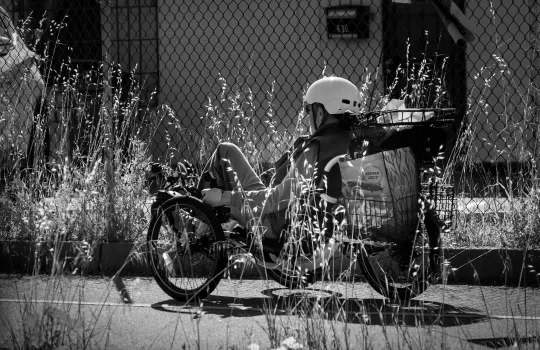
Recumbent Bike: Complete Guide
How recumbent bikes work, the main two- and three-wheel types, their real speed and comfort advantages, the honest drawbacks, and who they suit best.

Cycling: The Complete Guide
Cycling works as transport, exercise, and stress relief at once. Here is how to choose a bike, the gear that matters, where to ride, and the habits that make riding stick.
Road Bike: The Complete Guide
Choose the right road bike with confidence: the main types, frame materials, components that matter, why fit beats everything, and how much to sensibly spend.