Car Brand E-Bikes · Electric Bikes
Mercedes E-Bike: The Complete Guide
What a Mercedes badged e-bike really is, why car brands enter the bike world, and how to judge any premium e-bike honestly.

Type "Mercedes e-bike" into a search box and you expect a polished electric bike wearing the three pointed star. The reality is more nuanced, and getting it straight before you spend money matters. This guide explains what a Mercedes badged e-bike actually is, why car brands enter the bike world at all, and how to judge whether any premium branded e-bike is worth its price or whether a dedicated cycling brand serves you better.
The short version
- Mercedes-Benz is fundamentally a car and commercial vehicle maker, not a core bicycle manufacturer, so a "Mercedes e-bike" is a lifestyle or collaboration item rather than a mainstream product line.
- Car brand e-bikes tend to charge a premium for the badge and the design language, while the motor, battery, and gears usually come from the same third party suppliers everyone else uses.
- Judge any branded e-bike on its components, warranty, and local service, not on the logo on the frame.
- Prices for premium badged e-bikes commonly run from around 2,500 US dollars upward, though figures vary widely by region and release, so always confirm locally.
What a Mercedes e-bike actually is
According to its own corporate description, Mercedes-Benz manufactures luxury passenger cars and light commercial vehicles, and it is one of the largest premium car brands in the world. Bicycles are not part of that core business. So when a Mercedes e-bike appears, it is best understood as a lifestyle or brand collaboration piece rather than a product from a dedicated bike factory.
That distinction is not a criticism, it is simply the honest starting point. Car makers occasionally lend their name and styling to an electric bike, either as a showcase of design language or as a limited accessory sold alongside their vehicles. The engineering underneath, the motor, the battery, the gears, usually comes from the same specialist suppliers that power bikes across the whole industry. You are paying partly for a genuinely nice object and partly for a badge.
Why car brands put their name on e-bikes
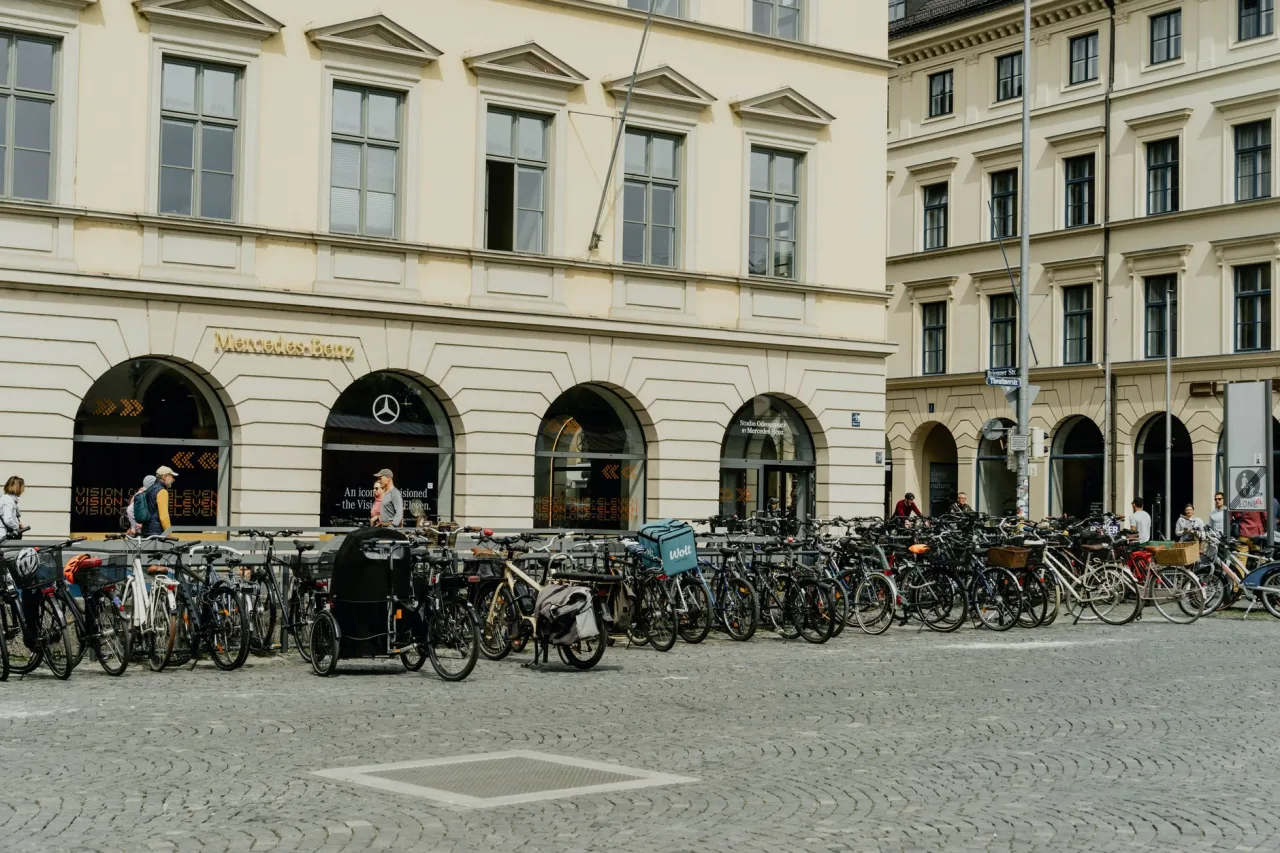
It is worth understanding the motivation, because it tells you what you are really buying. Premium car brands move into e-bikes for a handful of clear reasons.
- Brand halo: an elegant e-bike keeps the name in front of design conscious buyers who may never buy a car.
- Urban mobility positioning: as cities push cleaner transport, a branded e-bike signals that the company is part of that future.
- Accessory revenue: a badged bike is a natural add on for existing customers who already trust the marque.
- Design showcase: a bike is a small, visible canvas for a brand's styling cues.
None of this makes a car brand e-bike bad. It does mean the value equation is different from buying a bike from a company whose entire reputation rests on how its bikes ride. Keep that in mind when you weigh the price.
Watch out: Because famous badges attract counterfeiters, be cautious of no name listings claiming to be a Mercedes or other luxury car brand e-bike at a suspiciously low price. If a deal seems too good and the seller cannot document the motor, battery, and warranty, treat the badge as decoration and judge the bike on nothing but its verifiable parts.
The parts that actually determine ride quality
Whatever name is on the frame, an e-bike lives or dies on a short list of components. Learn these and you can evaluate any bike, badged or not, on equal terms.
- Motor: a mid drive motor mounted at the pedals generally climbs and handles better than a hub motor in the wheel, because it uses the bike's gears. Hub motors are simpler and often cheaper.
- Battery: capacity, measured in watt hours, sets your range. A larger, reputable cell pack matters far more than any styling.
- Gears and brakes: a proven drivetrain and hydraulic disc brakes from established makers signal a serious bike.
- Frame and warranty: a solid frame warranty and a clear parts supply chain protect you years down the line.
For a full grounding in how these pieces fit together, our electric bike complete guide walks through motors, batteries, and classes in plain language. Read it before you fall for any logo, because the fundamentals are the same across every brand.
How e-bike motors and classes work
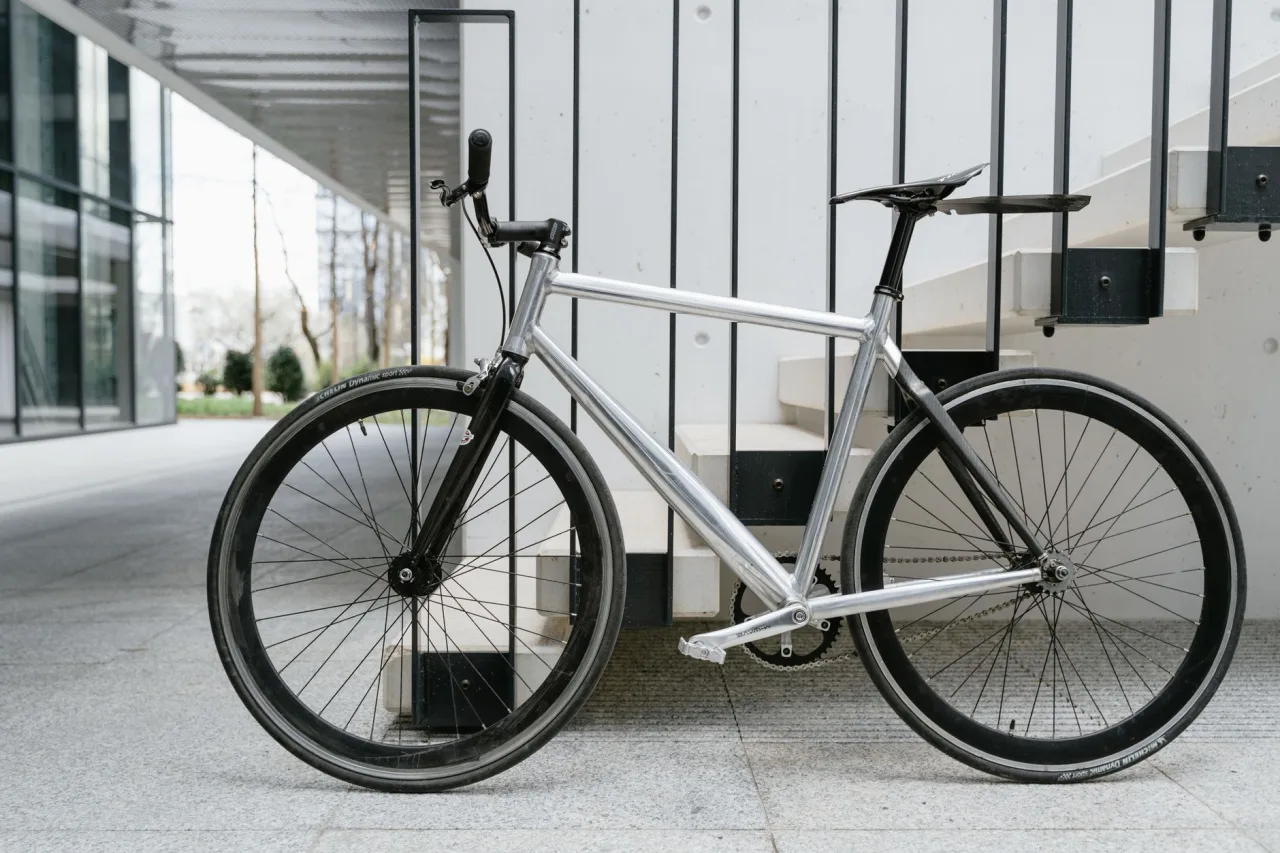
A premium badge does not change the physics. Electric bikes add power through either a hub motor built into a wheel or a mid drive motor at the cranks, and they deliver that power as pedal assist that helps only while you pedal, or as a throttle you control by hand. Most pedal assist bikes cut their help at a set speed, commonly around 25 kilometres per hour in Europe and up to roughly 28 miles per hour for the fastest class in the United States.
Legal classes matter because they decide where you can ride and whether you need registration. A standard European pedelec is capped at 250 watts of continuous power and treated as a bicycle. Faster or more powerful machines can be reclassified as mopeds. Any reputable branded e-bike will state its class clearly, and if a listing is vague about power and speed limits, that is a reason to slow down.
Comparing car brand e-bikes with dedicated cycling brands
Here is the honest comparison most buyers actually need. Companies whose entire business is bikes, such as Specialized, Trek, Giant, and Cannondale, pour their reputation into ride quality, dealer networks, and long term parts support. A car brand, however respected, is applying its name to a category that sits at the edge of its business.
That does not automatically make the dedicated brand better for you, but it usually makes it safer value. You get a bike designed by people who ride, backed by shops that service that exact model. If the Mercedes badge genuinely delights you and the components check out, there is nothing wrong with buying it. Just make the decision with clear eyes. Our sibling guide on the Honda electric bike covers the same theme from the motorcycle world, and the BMW e-bike guide completes the car brand picture.
Tip: A simple test cuts through the marketing. Ask what the same money buys from a dedicated e-bike brand with a local dealer. If the badged bike offers weaker components, a shorter warranty, or no nearby service for a similar or higher price, you are paying purely for the logo. That can be a fair choice, but make it knowingly.
What to spend and where value sits
Premium branded e-bikes usually sit in the upper part of the market. Figures move a lot by region, model year, and whether a bike is a genuine collaboration or a licensed accessory, but you should generally expect prices from around 2,500 US dollars upward for anything wearing a serious luxury badge, with the firm caveat that you must confirm current pricing locally.
Value comes less from the name and more from whether the components justify the outlay. A well specified mid drive bike with a big, reputable battery and a strong warranty can be worth a premium. A basic hub motor bike wearing an expensive badge rarely is. To calibrate your expectations across the whole category, our electric bike price guide lays out realistic ranges, and if your budget is tighter, the best cheap electric bike roundup shows how far a smaller sum goes.
How to buy safely, badge or no badge
Whatever bike you end up wanting, the buying process protects you more than the brand does. Follow a short discipline every time.
- Verify the seller: for a premium badged bike, buy through an authorised channel that can prove the bike is genuine and honour the warranty.
- Confirm the components: get the motor, battery capacity, and drivetrain in writing, then check they match reputable specifications.
- Test ride: ride the actual bike, feel the assist, and check that it fits you.
- Secure local service: make sure a nearby shop can service the bike, because a bike no one local can fix is a liability.
A trustworthy shop is the backbone of all of this. Our directory of trusted local bike shops explains how to find one that will test ride, fit, and support your bike for years, which matters far more over the life of an e-bike than the name on the down tube.
Frequently asked questions
Does Mercedes-Benz make electric bikes?
Mercedes-Benz is fundamentally a maker of luxury cars and light commercial vehicles, not a core bicycle manufacturer. Any Mercedes badged e-bike is best understood as a lifestyle or brand collaboration item rather than part of a mainstream product line. The motor, battery, and gears on such bikes typically come from the same specialist suppliers used across the industry, so you are paying partly for a nice object and partly for the badge.
Is a car brand e-bike worth the money?
It can be, but only if the components justify the price. Judge any branded e-bike on its motor, battery capacity, drivetrain, brakes, and warranty, not on the logo. Ask what the same money buys from a dedicated e-bike brand with a local dealer. If the badged bike offers weaker parts or no nearby service for a similar or higher price, you are paying mainly for the name, which is a fair choice only if you make it knowingly.
How can I spot a fake Mercedes e-bike?
Be cautious of low priced listings from no name sellers claiming a luxury car badge, because famous names attract counterfeiters. Buy only through authorised channels that can document the motor, battery, and warranty. If a seller cannot prove the bike is genuine or provide clear component specifications, treat the badge as decoration and evaluate the bike purely on its verifiable parts.
What should I look at instead of the brand name?
Focus on the parts that determine how a bike rides. A mid drive motor generally climbs and handles better than a hub motor because it uses the gears. Battery capacity in watt hours sets your range. A proven drivetrain, hydraulic disc brakes, a solid frame warranty, and local service support all matter more than any logo. These fundamentals are the same across every brand.
How much does a premium badged e-bike cost?
Premium branded e-bikes usually sit in the upper part of the market, commonly from around 2,500 US dollars upward, though figures vary widely by region, model year, and whether the bike is a genuine collaboration or a licensed accessory. Value depends on whether the components justify the outlay, not on the name. Always confirm current pricing locally before you commit.
Mercedes-Benz describes its own business as making luxury cars and commercial vehicles on the Mercedes-Benz Wikipedia article, and the electric bicycle article explains the motor, battery, and class fundamentals that decide how any e-bike rides.
More guides on Electric Bikes
Have a question or a topic to suggest?
We read every message. Tell us what you would like to see next on the blog.
Get in touchYou may also like
Honda Electric Bike: The Complete Guide
Honda dominates motorcycles but does not sell a pedal assist e-bike range. Learn what Honda actually builds and how to choose a genuinely good e-bike.
Bmw E-Bike
When a car maker like BMW puts its badge on an electric bike, the obvious question is whether you are buying real engineering or just a logo.
Electric Bike: The Complete Guide
Everything you need before buying an e-bike: how the motor and classes work, hub versus mid-drive, battery range, the main types, and what a good electric bike really costs.