Trek Review
Trek Road Bike: Review and Prices
From aero race bikes to endurance and gravel: how Trek's road families differ and how to buy the right one in 2026.
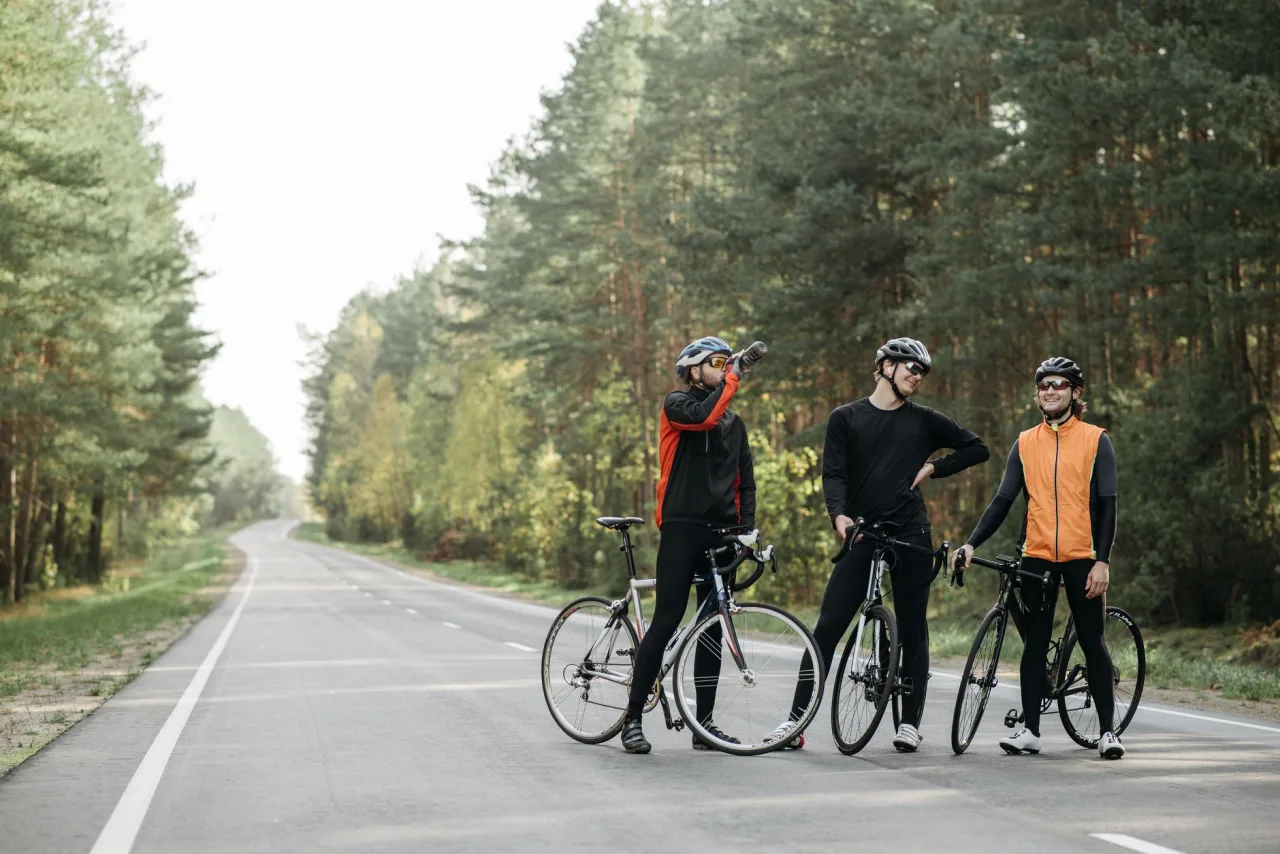
Trek is one of the largest and most respected bike makers in the world, and its road range spans everything from fast aero race machines to comfortable endurance bikes and drop-bar gravel rigs. This review breaks down the main Trek road bike families, how they differ, what to know about older and used models, and how to think about pricing in 2026 without falling for invented numbers.
The short version
- Trek Bicycle Corporation was founded in 1975 and is headquartered in Waterloo, Wisconsin.
- Trek's road lineup splits into aero race bikes, endurance bikes, and gravel bikes, so match the family to your riding, not the marketing.
- Frames come in aluminum and carbon at different price tiers, and components scale from entry Shimano and SRAM groups up to electronic shifting.
- Prices span an enormous range by model and year, so confirm the current figure with a Trek dealer and expect used examples to cost far less.
Who Trek is and what its road bikes are for
Trek Bicycle Corporation was established in 1975 and is headquartered in Waterloo, Wisconsin. It grew from a small American frame builder into one of the biggest bicycle companies in the world, with a deep road catalog and a large dealer network. That network is a real advantage, because a Trek bought from an authorized dealer comes assembled correctly, sized to you, and backed by warranty support you can access locally.
Trek does not make a single road bike; it makes several families aimed at different riders. Understanding that split is the key to buying well. If you are new to drop-bar bikes entirely, our road bike guide explains the category first, and this review then helps you place Trek's models within it.
The main Trek road bike families
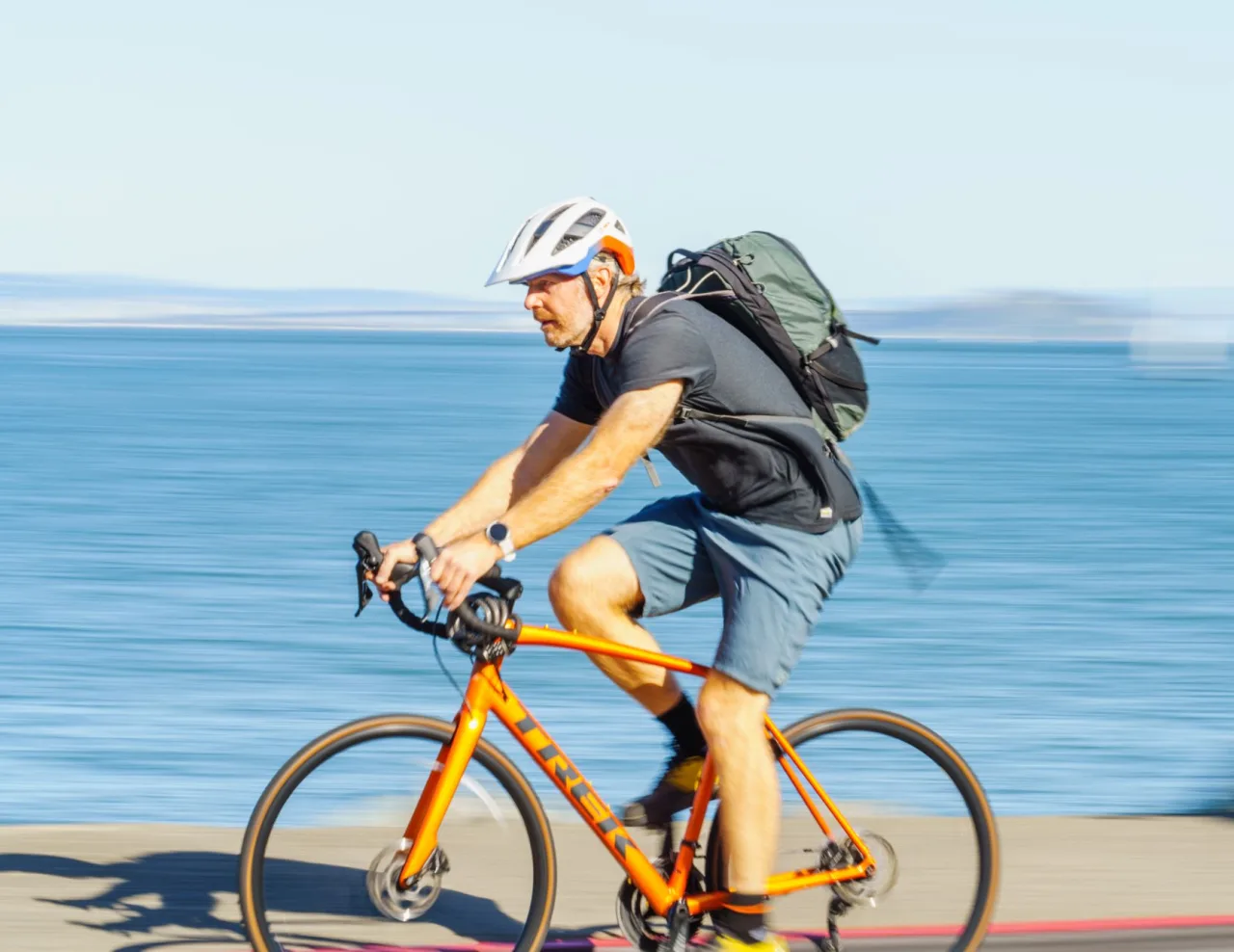
According to Trek's own road bike range, the lineup is organized around a few core families, each with a clear job:
- Madone: Trek's aero performance road bike, built for speed and racing, with an emphasis on aerodynamics and stiffness.
- Domane: the endurance road family, designed for comfort over long distances and rougher roads, which makes it a popular all-day and first road bike.
- Checkpoint: Trek's gravel range, with drop bars, clearance for wider tires, and geometry suited to mixed surfaces.
Within each family, Trek offers multiple build levels, from more affordable specs up to high-end race builds with electronic shifting. The same model name can therefore cover a wide price range depending on frame material and components, which is why comparing two bikes by name alone is misleading. If your riding leans off the pavement, our gravel bike guide explains where a Checkpoint fits against pure road options.
Frame materials and components
Trek road frames come in two main materials. Aluminum frames sit at the more affordable end and offer a durable, lively ride that suits beginners and budget-conscious riders. Carbon frames cost more and aim for lower weight, tuned compliance, and aerodynamic shaping, which is why they dominate the higher tiers. Neither is simply better; the right choice depends on your budget and how seriously you ride.
Components scale in step with price. Entry road builds typically use dependable Shimano or SRAM mechanical groupsets, mid-range bikes move to smoother, lighter groups, and top builds use electronic shifting and higher-end wheels. When comparing two Trek road bikes, look past the model name to the actual groupset, wheels, and brakes, since those determine both performance and price far more than the badge.
Tip: match the family to your riding
Do not buy a race-focused aero bike if most of your miles are long, relaxed rides on imperfect roads. An endurance model like the Domane will be more comfortable and just as fast for most riders. Be honest about how and where you ride, and let that choose the family before you compare specs.
Older and used Trek road bikes
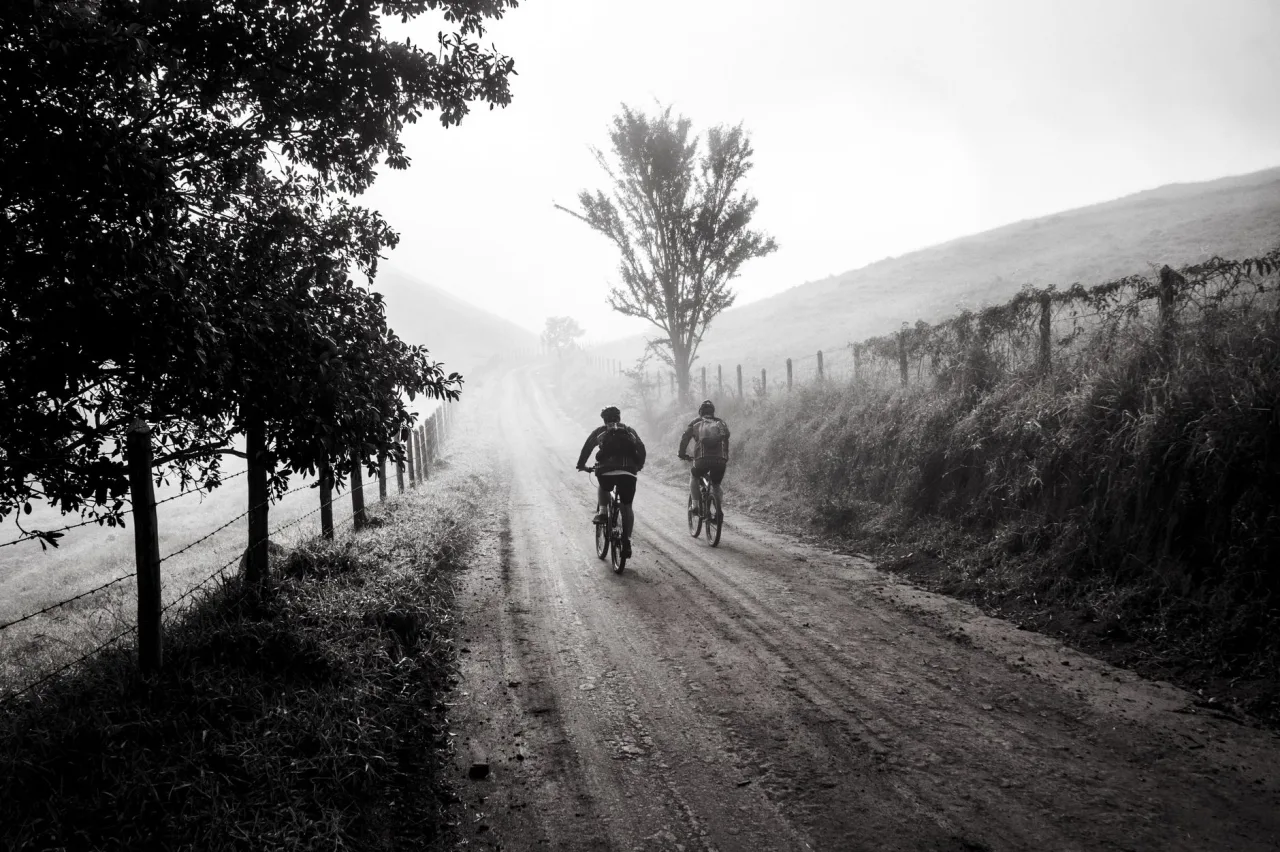
Shoppers often search for specific older models such as the Trek 2000, an aluminum road bike from Trek's earlier lineup, or for a particular model year like 2023. There is a real reason for that: Trek updates its road bikes over time, changing geometry, frame technology, and components across generations, so a bike from several years ago can ride quite differently from a current one even under the same family name.
Older Trek road bikes can be excellent value on the used market, since a well-maintained carbon or aluminum frame from a major brand lasts a long time. The keys are to confirm the exact model year, check the frame carefully for cracks or crash damage, and inspect the drivetrain and brakes for wear. Our second hand bikes guide covers the full inspection checklist so you do not overpay for a tired bike.
How the Trek road bike rides
Across the range, Trek road bikes have a reputation for predictable, confidence-inspiring handling and solid build quality. An endurance Domane feels stable and comfortable on long rides and shrugs off rough pavement, while an aero Madone rewards a rider chasing speed with a stiff, responsive feel. A Checkpoint trades some road sharpness for the versatility to handle gravel and mixed terrain. What they share is a dialed fit range and the backing of a dealer network that can size and service them properly.
As with any brand, the ride depends heavily on the specific build and how well the bike is fitted to you. A properly fitted mid-range Trek will feel better to most riders than a poorly fitted expensive one, which is another argument for buying from a shop that takes fit seriously.
What to expect on price in 2026
Trek road bike pricing spans an enormous range depending on family, frame material, components, and model year, so treat any figure as a range to confirm with a dealer. Aluminum entry road bikes sit at the more affordable end, carbon endurance and race bikes climb into the mid and upper tiers, and top race builds with electronic shifting reach premium prices. Used and older models, including bikes like the Trek 2000, typically cost far less and can be strong value if the frame and drivetrain are sound.
Rather than trusting an invented price, confirm the current figure with a Trek dealer for a new bike, or price a used one against its condition and year. For broader context on what road bikes cost across the market, see our bicycle price breakdown, and if you are weighing new against used, our new bike guide lays out the trade-offs.
How to find a good Trek dealer near you
Trek sells through a wide dealer network, and buying from a good shop means your bike is assembled correctly, sized to you, and supported for future service. Judge a dealer against a short checklist:
- They size the bike to you and offer a proper fit, not just hand you a box.
- They let you test ride and explain the differences between families and model years.
- They include assembly, often a first free tune-up, and ongoing service.
- They are transparent about warranty coverage on the frame and components.
Our guide to finding trusted local bike shops explains how to vet a store, and if you are also considering Trek's off-road hardtail as a first bike, our Trek Marlin 5 review covers that popular entry model.
Frequently asked questions
Are Trek road bikes good?
Yes. Trek is one of the largest and most respected bike makers, with a road range known for predictable handling, solid build quality, and strong dealer support. The best choice within the range depends on your riding, since Trek makes distinct aero, endurance, and gravel families rather than a single road bike.
What is the difference between the Trek Madone, Domane, and Checkpoint?
The Madone is Trek's aero performance road bike built for speed and racing, the Domane is an endurance bike designed for comfort over long distances and rougher roads, and the Checkpoint is a gravel bike with wider tire clearance for mixed surfaces. Match the family to how and where you ride before comparing individual specs.
Is an older Trek road bike like the Trek 2000 worth buying?
It can be good value, since a well-maintained frame from a major brand lasts a long time. Confirm the exact model year, inspect the frame for cracks or crash damage, and check the drivetrain and brakes for wear before buying, because Trek changes geometry and components across generations.
How much does a Trek road bike cost?
Prices span a wide range and should be confirmed with a dealer, but aluminum entry road bikes sit at the more affordable end, carbon endurance and race bikes reach the mid and upper tiers, and top electronic-shifting race builds command premium prices. Used and older models typically cost far less if the frame and drivetrain are sound.
Where should I buy a Trek road bike?
Buy from an authorized Trek dealer that sizes the bike to you, lets you test ride, includes assembly and service, and is transparent about warranty coverage. An authorized dealer can also handle warranty claims directly, which matters if a frame or component ever fails.
More guides on Other Brands & Models
Have a question or a topic to suggest?
We read every message. Tell us what you would like to see next on the blog.
Get in touchYou may also like
Road Bike: The Complete Guide
Choose the right road bike with confidence: the main types, frame materials, components that matter, why fit beats everything, and how much to sensibly spend.

Trek Marlin 5 Review (2026)
A 2026 review of the Trek Marlin 5 hardtail: full specs, how the generations differ, ride quality, honest limits, and realistic new and used pricing.
Gravel Bike: The Complete Guide
Everything a first-time buyer needs on gravel bikes: geometry, tyre clearance, frame materials, what they are used for and how much to spend.